Genres
Artists
Albums
Make Music
Sign in
Sign in
Artists
Folk
Artists
Folk
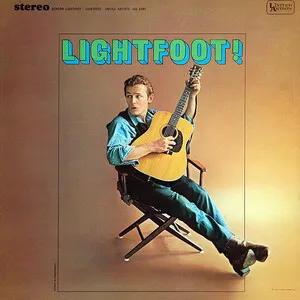
Gordon Lightfoot
1966
·
1 album
Listen
4
/5
Genres
Trap Metal
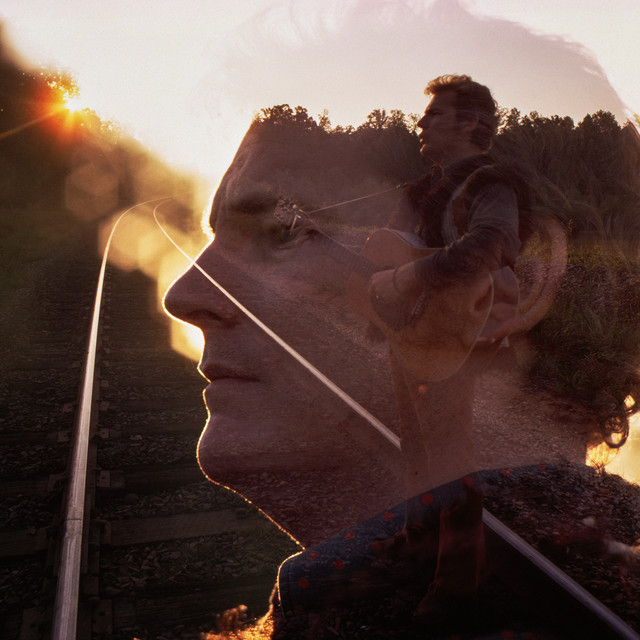
Trap metal is a fusion of contemporary trap production and the aggression of metal and hardcore. It typically pairs distorted 808 bass, half‑time trap drums, and rapid hi‑hat rolls with screamed or harshly delivered vocals, down‑tuned guitar riffs (live or sampled), and industrial textures. Aesthetically, it emphasizes raw intensity, mosh‑pit energy, and abrasive sound design while retaining hip‑hop’s hook‑driven song structures and lyrical cadences. Themes often revolve around alienation, rage, nihilism, and personal struggle, delivered with a visceral, cathartic tone.
Discover
Listen
Queer Country
Queer country is a contemporary movement within country and Americana that centers LGBTQ+ voices, stories, and aesthetics while keeping strong ties to classic country songwriting, instrumentation, and vocal styles. Musically, it often draws from traditional country, outlaw country, honky-tonk, and folk-country, but its defining feature is lyrical perspective: songs about queer love, gender expression, chosen family, rural/working-class life, and the tension between tradition and belonging. Rather than being a single fixed sound, queer country is best understood as a scene and cultural re-framing of country music—one that challenges the genre’s historic heteronormativity while celebrating its narrative power and community roots.
Discover
Listen
Southern Americana
Southern Americana is a regional strain of Americana rooted in the musical vernacular of the U.S. South. It blends songwriting-first aesthetics with the organic textures of country, folk, and blues, and the swagger of Southern rock. Typical recordings feature warm, lived‑in tones: Telecasters and acoustic guitars alongside pedal steel, Hammond organ, fiddle, mandolin, and harmony vocals. Lyrically it is grounded in place—small towns, highways, kudzu, pine line horizons—and in the South’s complicated histories of faith, work, love, and loss. The groove ranges from back‑porch shuffles and waltzes to swampy, slow‑burn rhythms, keeping the focus on stories and melody rather than studio gloss.
Discover
Listen
Deep Indie Singer-Songwriter
Deep indie singer-songwriter is a micro-genre that spotlights intimate, hushed, and highly personal songwriting crafted outside the mainstream. It blends the confessional lyricism and acoustic focus of the classic singer-songwriter tradition with the understated aesthetics of indie and bedroom production. Arrangements are typically sparse—fingerpicked acoustic guitars, soft pianos, light strings, and subtle electronic atmospheres—so that breathy, close-miked vocals and storytelling take center stage. The overall feel is introspective and reflective, often leaning toward melancholy or tender warmth. Songs prize texture and space over flash, favoring gentle dynamics, slow-to-mid tempos, and an “up-close” emotional delivery that suits late-night listening, film/TV syncs, and reflective playlists.
Discover
Listen
Yacht Rock
Yacht rock is a polished, jazz-tinged strain of late-1970s and early-1980s soft rock characterized by sophisticated chord changes, silky vocal harmonies, immaculate studio production, and a smooth, midtempo groove. It blends elements of blue-eyed soul, R&B, jazz fusion, and pop rock, often featuring electric piano (Fender Rhodes), clean chorus-laden guitars, saxophone leads, and glossy backing vocals. Lyrically, it tends toward romantic longing, aspirational lifestyles, and breezy coastal imagery—all delivered with understated cool.
Discover
Listen
Folk Rock
Folk rock is a fusion genre that blends the narrative lyricism, modal melodies, and acoustic timbres of traditional folk with the backbeat, amplification, and song structures of rock. It typically pairs acoustic or traditional instruments (acoustic guitar, mandolin, fiddle) with a rock rhythm section (electric guitar, bass, drums), often featuring chiming 12‑string guitar textures, close vocal harmonies, and socially conscious or storytelling lyrics. The result ranges from intimate, reflective ballads with a steady backbeat to more anthemic, roots‑driven rock. Emerging in the mid‑1960s through artists such as Bob Dylan and The Byrds, folk rock became a gateway for traditional and roots materials to enter mainstream popular music, and it seeded later movements from country rock and Americana to jangle pop and modern indie folk.
Discover
Listen
Singer-Songwriter
Singer-songwriter is a song-focused style in which the same person writes, composes, and performs their own material, often accompanying themselves on acoustic guitar or piano. It emphasizes personal voice, lyrical intimacy, and storytelling over elaborate production. Arrangements are typically sparse, allowing the melody, words, and performance nuance to carry the song’s emotional weight. While rooted in folk and blues traditions, singer-songwriter embraces pop and rock songcraft, producing works that can range from quiet confessional ballads to subtly orchestrated, radio-ready pieces.
Discover
Listen
Country Folk
Country folk is a hybrid of American country music and the acoustic, narrative-driven traditions of folk. It emphasizes intimate songwriting, uncluttered arrangements, and roots instrumentation while retaining the plainspoken storytelling and melodic directness of country. Compared with country rock, country folk is typically quieter, more acoustic, and less rhythm-section heavy. It foregrounds lyrics, fingerpicked guitar, and warm, organic timbres such as fiddle, pedal steel, banjo, and upright or lightly played electric bass. The result is a style that feels reflective, pastoral, and personal, with songs that travel easily between front-porch simplicity and studio polish.
Discover
Listen
Contemporary Folk
Contemporary folk is a modern evolution of traditional folk aesthetics centered on intimate storytelling, clear melodies, and largely acoustic instrumentation. It favors voice-forward production, fingerpicked or gently strummed guitars, and arrangements that leave space for lyrics to resonate. While rooted in older folk ballad traditions, contemporary folk embraces current themes, production values, and song forms. Artists often blend guitar, banjo, mandolin, fiddle, upright or electric bass, light percussion, and close vocal harmonies, creating a warm, organic sound. The genre frequently addresses personal reflection, social issues, place, memory, and identity, balancing timeless simplicity with contemporary sensibilities.
Discover
Listen
Rock
Rock is a broad family of popular music centered on amplified instruments, a strong backbeat, and song forms that foreground riffs, choruses, and anthemic hooks. Emerging from mid‑20th‑century American styles like rhythm & blues, country, and gospel-inflected rock and roll, rock quickly expanded in scope—absorbing folk, blues, and psychedelic ideas—while shaping global youth culture. Core sonic markers include electric guitar (often overdriven), electric bass, drum kit emphasizing beats 2 and 4, and emotive lead vocals. Rock songs commonly use verse–chorus structures, blues-derived harmony, and memorable melodic motifs, ranging from intimate ballads to high‑energy, stadium‑sized performances.
Discover
Listen
Folk
Folk is a song-centered acoustic tradition rooted in community storytelling, everyday life, and social history. It emphasizes clear melodies, simple harmonies, and lyrics that foreground narrative, protest, and personal testimony. As a modern recorded genre, folk coalesced in the early-to-mid 20th century in the United States out of older ballad, work song, and rural dance traditions. It typically features acoustic instruments (guitar, banjo, fiddle, mandolin, harmonica), strophic song forms, and participatory singing (choruses, call-and-response).
Discover
Listen
Country
Country is a roots-based popular music from the rural American South that blends Anglo-Celtic ballad traditions with African American blues, gospel, and string-band dance music. It is characterized by narrative songwriting, plainspoken vocals with regional twang, and a palette of acoustic and electric instruments such as acoustic guitar, fiddle, banjo, pedal steel, and telecaster guitar. Rhythmically it favors two-step feels, train beats, shuffles, and waltzes, while harmony is largely diatonic (I–IV–V) with occasional country chromaticism and secondary dominants. Across a century, country has evolved through substyles like honky-tonk, the Nashville and Bakersfield sounds, outlaw country, neotraditionalist revivals, pop-country, and country-rap hybrids, but it consistently prioritizes storytelling about everyday life, love, work, faith, place, and identity.
Discover
Listen
Show all 12 genres
Albums
1966
3
/5
Lightfoot!
Gordon Lightfoot
Country Folk
Folk
Similar artists
1
/5
Various Artists
Afro-Funk
Alternative Rock
Ambient
4
/5
Bob Dylan
Folk Rock
Roots Rock
Rock
5
/5
Zach Bryan
Country
Red Dirt
Singer-Songwriter
4
/5
James Taylor
Folk Rock
Yacht Rock
Chill Pop
4
/5
Van Morrison
Folk Rock
Folk
Rock
4
/5
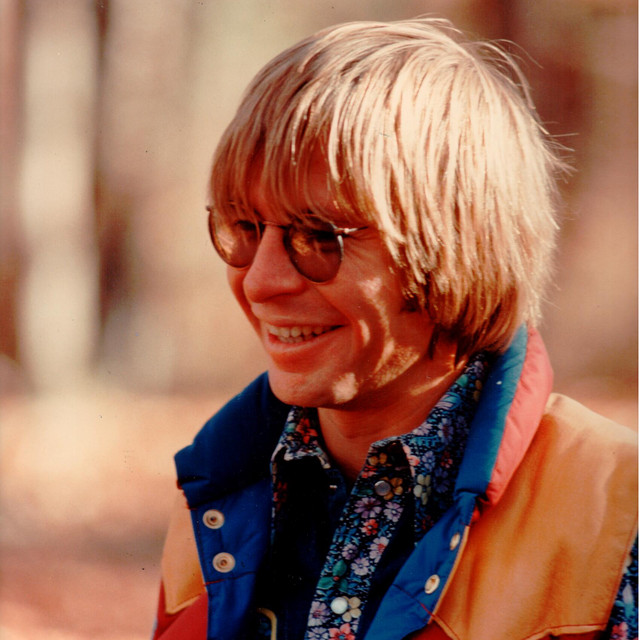
John Denver
Folk
Folk Rock
Country Pop
4
/5
Yusuf / Cat Stevens
Folk Rock
Folk
Folk Pop
4
/5
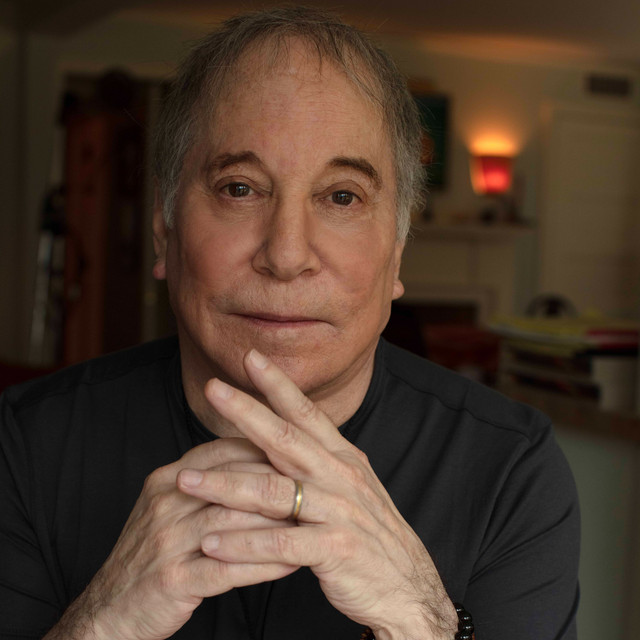
Paul Simon
Folk
Rock
Pop
4
/5
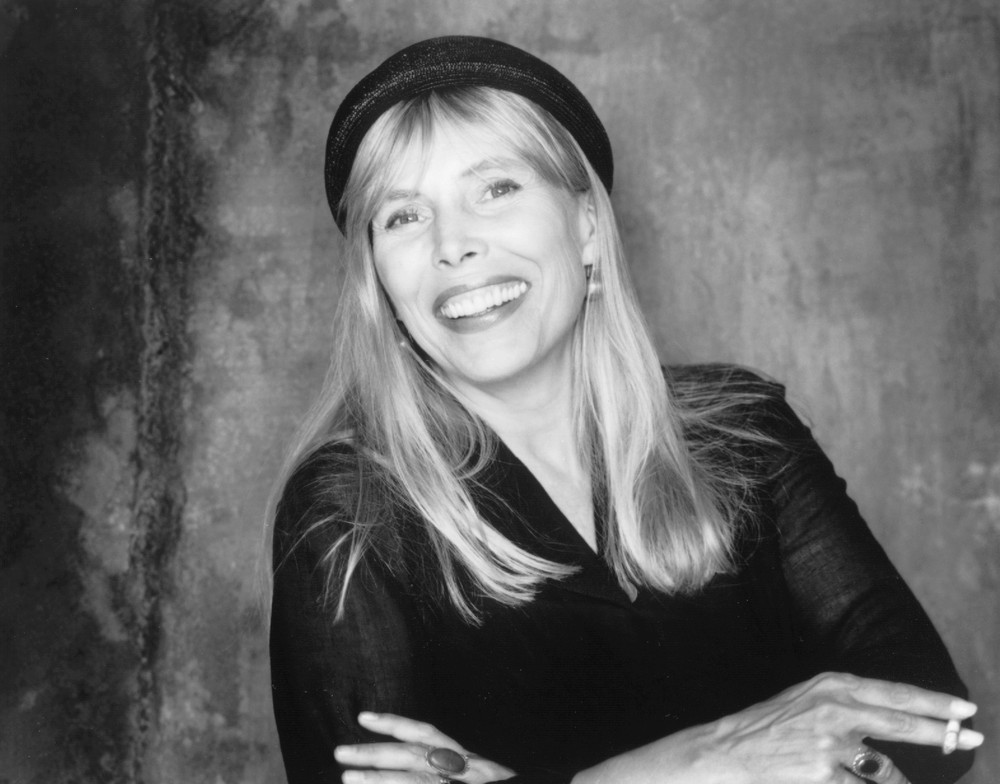
Joni Mitchell
Folk
Folk Rock
Laurel Canyon Scene
3
/5
Joan Baez
Folk
Folk Rock
Greenwich Village Scene
Download our mobile app
Get the Melodigging app and start digging for new genres on the go
Download on the App Store
Get it on Google Play
© 2026 Melodigging
Give feedback
Legal
Melodding was created as a tribute to
Every Noise at Once
, which inspired us to help curious minds keep digging into music's ever-evolving genres.