Genres
Artists
Albums
Make Music
Sign in
Sign in
Artists
Exotica
Artists
Exotica
Gérard Kremer
2 albums
Listen
1
/5
Genres
Phleng Phuea Chiwit
Phleng phuea chiwit, literally "songs for life," is a Thai folk-rock and protest-music tradition that blends Western singer-songwriter and rock idioms with Thai folk forms. It emerged around student and workers' movements in the 1970s and became a vehicle for social critique, storytelling, and cultural pride. Musically, it combines acoustic guitars and band-based rock arrangements with Thai instruments and melodic contours drawn from luk thung, luk krung, and mor lam. Lyrically, it is narrative and topical, addressing rural hardship, labor rights, democracy, and everyday struggles, often with poetic language and memorable choruses meant for communal singing.
Discover
Listen
Exotica
Exotica is a mid‑century style of mood music that blends jazz harmony, easy‑listening orchestration, and a collage of global percussion and timbral signifiers meant to evoke imaginary tropical, Polynesian, Asian, African, and Latin locales. Characterized by vibraphone and marimba leads, lush strings, woodwinds, wordless vocals, bird calls, gongs, and abundant reverberation, it creates a cinematic “armchair travel” experience. Rather than documenting specific traditions, exotica assembles stylized sound cues—Afro‑Cuban grooves, Polynesian drum patterns, pentatonic and whole‑tone colors—into atmospheric mini‑dramas. The genre flourished alongside postwar tiki culture and hi‑fi/stereo demonstrations, prioritizing vivid spatial staging and evocative orchestration over virtuoso soloing.
Discover
Listen
Traditional Music
Traditional music is an umbrella term used in the mid–20th century by folklorists and ethnomusicologists to denote community-rooted, orally transmitted repertoires tied to social ritual, work, celebration, and storytelling. Unlike commercial pop or art-music traditions, traditional music is typically learned by ear, varies regionally, and evolves slowly through communal participation. It often features modal melodies, cyclic rhythms, heterophony or unison singing, and indigenous instruments whose timbres are integral to local identity. Lyrics tend to preserve language, history, and collective memory. While the musical practices themselves can be ancient, the phrase “traditional music” emerged to replace earlier, narrower or colonial framings like “folk” or “ethnic” music, foregrounding continuity, locality, and living practice rather than exoticism.
Discover
Listen
Moroccan Chaabi
Moroccan chaabi is Morocco’s modern popular music, a lively, community-centered style that blends Andalusi melodic heritage, sung poetry (malhun), rural aita vocal traditions, Amazigh rhythmic sensibilities, and Gnawa grooves. It is the soundtrack of weddings and street celebrations, prized for its danceable pulse, catchy refrains, and call-and-response singing. Typically led by violin (kamanja) and oud with a strong hand-percussion core (bendir, taarija, darbuka), chaabi arrangements ride buoyant 6/8 and 2/4 feels. Lyrics move between romance, satire, and social commentary, delivered with ornamented vocals and spontaneous audience interaction.
Discover
Listen
Gamelan Gong Kebyar
Gamelan gong kebyar is a modern Balinese gamelan ensemble and repertory whose name kebyar (“to flare up, to burst open”) captures its hallmark aesthetic: sudden flashes of sound, dazzling virtuosity, and extreme dynamic contrasts. It features tightly interlocking figurations (kotekan), explosive cue accents (angsel), rapid tempo shifts, and a brilliant, shimmering sonority created by paired bronze instruments tuned with intentional beating (ombak). Typical instrumentation includes bronze metallophones (gangsa: kantilan, pemade, and the leading ugal), the reyong (a row of small knobbed gongs) and/or trompong, large gongs (gong ageng, kempur, kemong), time-keeping kajar, ceng-ceng cymbals, kendang lanang/wadon drum pair, and color from suling bamboo flutes. Tuning and melody draw on five-tone Balinese modal subsets (e.g., selisir, tembung, sunaren, pengenter, baro) derived from pelog, articulated within cyclical gong punctuation. The style accompanies iconic 20th‑century dances (such as Kebyar Duduk and Teruna Jaya), temple festivals, and concert presentations, and has become the default platform for contemporary Balinese composition (kreasi baru).
Discover
Listen
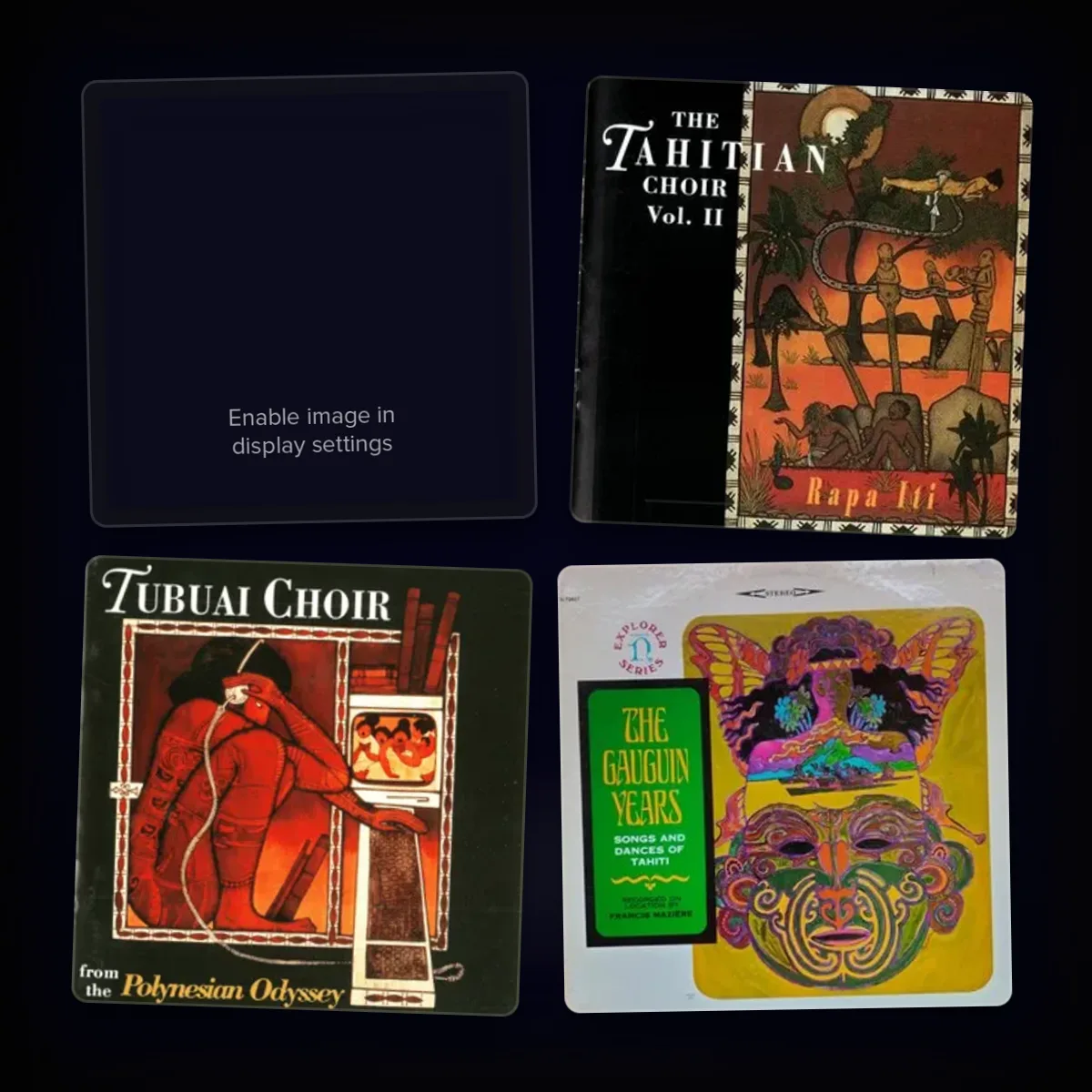
Tahitian Music
Tahitian music refers to the traditional and contemporary musical practices of the Tahitian people in the Society Islands of French Polynesia. Before European contact, music was inseparable from dance and public ceremony, centering on the heiva cycle of festivals in which chant, drumming, and dance accompanied celebrations, prayer, and rites of passage. Core elements include antiphonal and responsorial chant, powerful interlocking drum ensembles (toʼere slit drums, pahu and faʼatete drums), conch shell (pu), and the nose flute (vivo). Dance genres such as the men’s ʼoteʼa and the couple’s ʼupaʼupa are emblematic, with music articulated through named rhythmic formulas (pehe) that coordinate ensembles and choreographies. Following the 19th‑century arrival of missionaries, Tahitians incorporated Christian hymnody—giving rise to distinctive multi‑part choral styles (e.g., himene tarava)—while retaining vigorous indigenous drumming and dance. Modern Tahitian music ranges from ceremonial ensembles and choral traditions to popular hybrids that feature the local Tahitian ʻukulele, guitars, and global pop/reggae influences.
Discover
Listen
Gnawa
Gnawa is a spiritual, trance-based music of Morocco associated with the Gnawa brotherhoods, a community with roots in sub‑Saharan Africa and Sufi Islam. It centers on a deep, percussive bass lute called the guembri (also known as sintir or hajhuj), the bright metallic clatter of iron castanets (qraqeb/krakebs), unison handclaps, and call‑and‑response vocals. Performances often unfold in an all‑night ritual called a lila (derdeba), where cyclical 6/8 grooves and repetitive chants invite communal participation and induce a trance state. The repertoire invokes saints and ancestral spirits (mluk), moving through color-coded suites and intensifying rhythmic layers. While firmly rooted in West African rhythmic sensibilities, Gnawa also absorbs Maghrebi and Sufi aesthetics, producing a sound that is both devotional and intensely groove‑driven.
Discover
Listen
Show all 7 genres
Albums
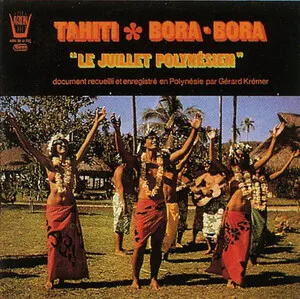
Tahiti - Bora Bora: Le Juillet Polynésien
Gérard Krémer
Tahitian Music
Bali - Les Célèbres Gamelans
Gérard Krémer
Gamelan Gong Kebyar
Similar artists
1
/5
Taifa Issawiya
Gnawa
Moroccan Chaabi
Moroccan Pop
1
/5
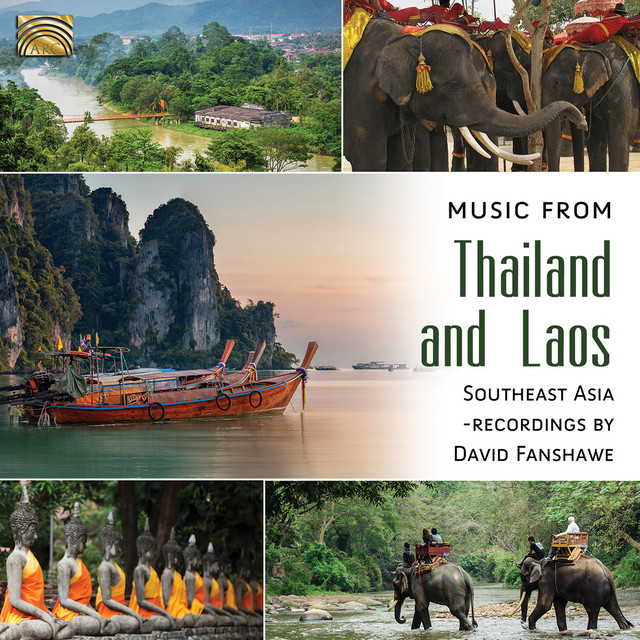
David Fanshawe
Exotica
Luk Thung
Phleng Phuea Chiwit
1
/5
Local Traditional Artists
Celtic
Exotica
Luk Thung
1
/5
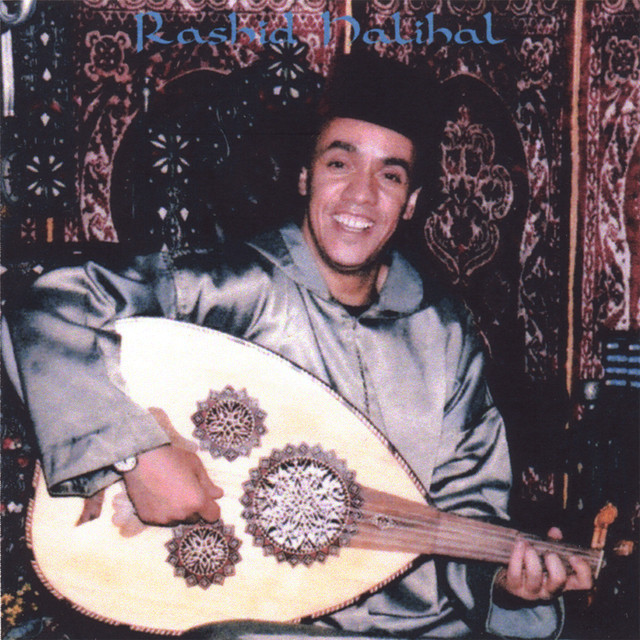
Rachid Halihal
Gnawa
Moroccan Chaabi
Moroccan Pop
3
/5
Cheb Mami
Reggae Maghreb
Raï
Pop Raï
3
/5
Cheb Hasni
Algerian Chaabi
Kabyle
Gnawa
3
/5
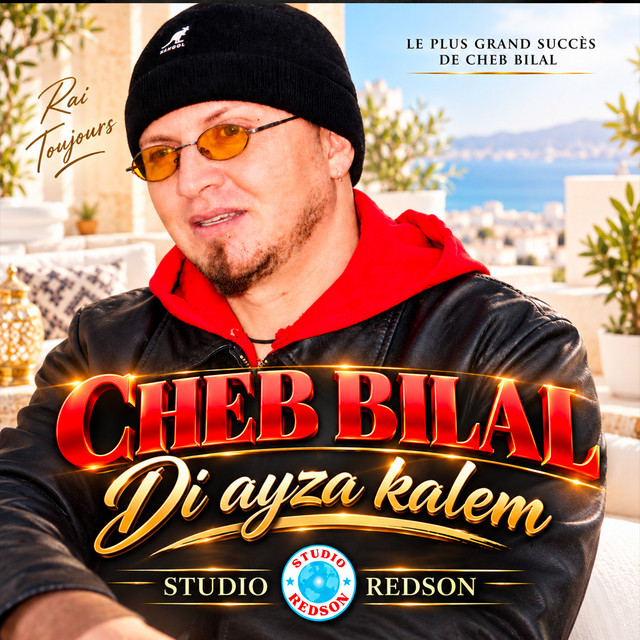
Cheb Bilal
Gnawa
Moroccan Chaabi
Moroccan Pop
3
/5
Mounim Slimani
Moroccan Chaabi
Moroccan Pop
Moroccan Rap
3
/5
Daoudi
Gnawa
Moroccan Chaabi
Moroccan Pop
3
/5
Dj Youcef
Basshall
Gnawa
Kizomba
Download our mobile app
Get the Melodigging app and start digging for new genres on the go
Download on the App Store
Get it on Google Play
© 2026 Melodigging
Give feedback
Legal
Melodding was created as a tribute to
Every Noise at Once
, which inspired us to help curious minds keep digging into music's ever-evolving genres.