Genres
Artists
Albums
Make Music
Sign in
Sign in
Artists
Basshall
Artists
Basshall
Dj Youcef
Listen
3
/5
Genres
Aggressive Phonk
Aggressive phonk is a modern, hard‑hitting offshoot of phonk that pushes speed, distortion, and tension to the forefront. It retains the genre’s signature 808 cowbell leads and Memphis rap aesthetics, but emphasizes clipping bass, saturated drums, and driving tempos suited for high‑energy contexts like drifting videos and gym edits. Compared with classic or lo‑fi phonk, it is brighter in the high end, heavier in the low end, and more relentless in rhythm. Producers favor short, repetitive motifs, minor‑key harmony, and punchy drops that translate well to social media and streaming platforms.
Discover
Listen
Basshall
Basshall is a club-focused fusion of modern dancehall riddims with the sound design and drops of bass-heavy EDM. It keeps the dembow-derived, off‑beat swing of Jamaican dancehall while layering sub‑driven 808s, aggressive synths, and festival‑ready builds and drops borrowed from trap, electro house, and UK bass. Typical tempos sit around 95–110 BPM (or 130–140 BPM with a halftime feel). Vocals often draw on Jamaican patois toasting or catchy pop hooks, and arrangements alternate between groove-led verses and explosive, sound‑system drops. Emerging from European (especially Dutch) club culture and the global‑bass scene, Basshall spreads dancehall’s energy into big‑room contexts without losing its Caribbean rhythmic DNA.
Discover
Listen
Musica Portuguesa Contemporanea
Música portuguesa contemporânea refers to the wave of Portuguese-made popular and art-leaning music that has flourished in the 2010s and 2020s. It blends the poetic sensibility and timbral colors of fado and folk with modern pop writing, indie craft, hip hop flows, and electronic production. Across this umbrella you’ll hear Portuguese-language lyrics shaped by saudade and everyday storytelling, acoustic textures (nylon-string and Portuguese guitar), and grooves informed by Lusophone urban dance (kizomba/batida) alongside chart-ready pop and indie aesthetics. The result is a scene that feels unmistakably Portuguese yet cosmopolitan, often minimalist and intimate in tone, but equally capable of sleek, dance-oriented production.
Discover
Listen
Motivation
Motivation is a functional, cross-genre style designed to inspire action, confidence, and perseverance. It blends modern pop and EDM energy with cinematic/orchestral builds and post-rock textures to create an uplifting, triumphant arc. Arrangements typically move from a sparse, contemplative opening (piano, pads, delayed guitars) into steadily layered drums, rhythmic ostinatos, and wide, anthemic choruses. Major keys, bright synths, claps, stomps, and chantable hooks are common, while harmonic progressions favor familiar, optimistic cycles (e.g., I–V–vi–IV) that signal resolve and forward motion. Originally tied to production and library music for promos, sports, tech launches, and YouTube storytelling, Motivation has become a recognizable aesthetic across advertising, fitness culture, and personal development media.
Discover
Listen
Electro Latino
Electro latino (often stylized as electrolatino) is a club-oriented fusion that blends the four-on-the-floor energy of European EDM and electro house with Spanish/Latin pop songwriting and Caribbean rhythmic accents. It typically features bright supersaw or pluck synth leads, sidechained pads, and festival-style drops, combined with Latin percussion (congas, güira, timbales) and chantable Spanish hooks. Lyrical themes favor summer romance, parties, and coastal imagery, mirroring the genre’s warm, feel-good sonic identity. The style crystallized in Spain in the early 2010s and rapidly spread across European and Latin markets through high-rotation radio singles and compilation series, normalizing Spanish-language vocals and Latin rhythms on mainstream EDM platforms.
Discover
Listen
Lo Star
Lo star is a streaming-era umbrella tag used to group under-the-radar, low-profile artists who sit on the fringes of indie, alternative, DIY pop, and related scenes. Rather than denoting a single, tightly defined musical vocabulary, it marks a discovery space of self-produced or small-label projects with modest audiences, genre-fluid aesthetics, and a distinctly DIY approach to recording and release. Expect intimate vocals, inexpensive or home-studio production, hybrid acoustic/electronic textures, and songwriting that favors personal storytelling and immediacy over polish. Because it functions as a curatorial category for emerging or niche acts, the sonic palette spans indie rock and folk-pop to bedroom pop and lo-fi electronic, unified by scale, ethos, and distribution more than by strict musical rules.
Discover
Listen
Pop Urbaine
Pop urbaine is a French mainstream pop style that blends contemporary R&B, hip hop, Afrobeats, dancehall, zouk, raï, and reggaeton with chart‑friendly songwriting. It emphasizes melodic hooks, mid‑tempo grooves, and sleek vocal production (often with Auto‑Tune) while foregrounding everyday, romantic, and nightlife themes in colloquial French. Rhythmically it favors syncopated Afro‑Caribbean patterns, sparse but bouncy 808 drums, and light guitar or synth plucks, creating a buoyant, danceable feel without the aggressiveness of club music. Vocals typically alternate between sung refrains and rap‑influenced verses, with catchy refrains designed for streaming and social media virality. The genre became a defining sound of French popular culture in the late 2010s, driven by a new generation of Francophone artists with diasporic roots who globalized French pop while keeping its language and local slang at the center.
Discover
Listen
Moroccan Pop
Moroccan pop is contemporary, radio‑friendly music from Morocco that blends North African rhythms and modes with global pop craft. It draws on chaabi street grooves, gnawa bass patterns, and Andalusian ornamentation while embracing glossy production, catchy toplines, and dance‑floor energy. Sung primarily in Moroccan Arabic (Darija), it often weaves in French, Standard Arabic, Amazigh (Tamazight), and occasional English phrases. The sound palette ranges from darbuka, bendir, and qraqeb to modern drum machines, synths, and Auto‑Tune, yielding sleek hooks that sit comfortably between Arab pop, French pop, R&B, hip hop, EDM, and, more recently, reggaeton and Afro‑leaning rhythms.
Discover
Listen
Kizomba
Kizomba is a smooth, romantic dance-music style that originated in Angola, blending the melodic sensibilities of local semba with the lush, slow-tempo grooves of Caribbean zouk. Typically set in 4/4 time around 86–100 BPM, it emphasizes a deep, round sub‑bass, sparse drum programming, and gently syncopated percussion that encourages close, flowing partner movement. Arrangements favor silky synth pads, clean electric guitar arpeggios or comping, and R&B-influenced vocals in Portuguese and other Angolan or Cape Verdean languages. Lyrical themes gravitate to love, intimacy, nostalgia, and urban life. Over time, kizomba diversified into substyles (such as the even sparser, bass-forward tarraxinha) and spread through the Lusophone diaspora, especially in Portugal, before becoming a global social-dance phenomenon.
Discover
Listen
Moroccan Chaabi
Moroccan chaabi is Morocco’s modern popular music, a lively, community-centered style that blends Andalusi melodic heritage, sung poetry (malhun), rural aita vocal traditions, Amazigh rhythmic sensibilities, and Gnawa grooves. It is the soundtrack of weddings and street celebrations, prized for its danceable pulse, catchy refrains, and call-and-response singing. Typically led by violin (kamanja) and oud with a strong hand-percussion core (bendir, taarija, darbuka), chaabi arrangements ride buoyant 6/8 and 2/4 feels. Lyrics move between romance, satire, and social commentary, delivered with ornamented vocals and spontaneous audience interaction.
Discover
Listen
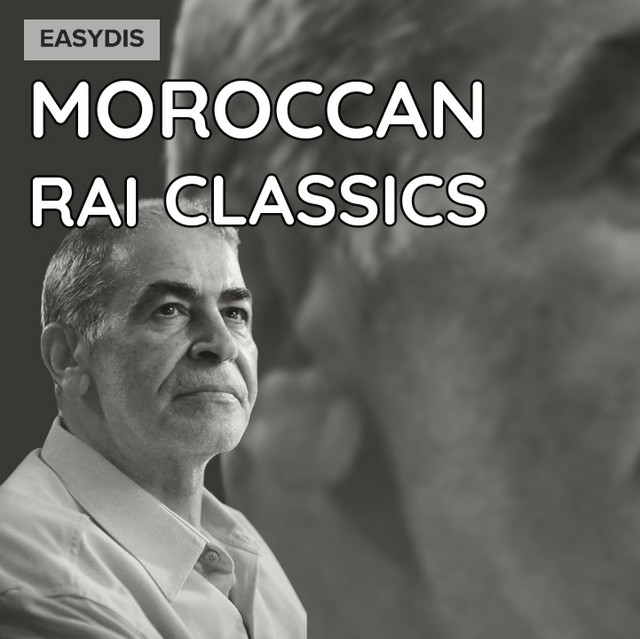
Raï
Raï is a popular music genre from the port city of Oran (Wahran), Algeria, whose name comes from the colloquial Arabic word for "opinion" or "point of view." It began as a raw, vernacular form of urban song led by cheikhas (female singer-performers) accompanied by gasba flute and guellal drum, addressing everyday life, love, alcohol, social hypocrisy, and desire with unusual frankness. Across the 1970s and 1980s, raï electrified: acoustic ensembles and Bedoui/chaabi-rooted melodies merged with electric guitar, synthesizers, drum machines, and global dance grooves (funk, disco, reggae, and pop). This produced the internationally famous “pop raï” sound—at once danceable and emotionally direct—carried by stars such as Khaled, Cheb Mami, Cheb Hasni, and Cheikha Rimitti. Today, raï remains a living tradition and a flexible pop form, equally at home with traditional gasba/guellal timbres and glossy electronic production, while its lyrics continue to alternate between hedonistic celebration and aching nostalgia for home and lost love.
Discover
Listen
Gnawa
Gnawa is a spiritual, trance-based music of Morocco associated with the Gnawa brotherhoods, a community with roots in sub‑Saharan Africa and Sufi Islam. It centers on a deep, percussive bass lute called the guembri (also known as sintir or hajhuj), the bright metallic clatter of iron castanets (qraqeb/krakebs), unison handclaps, and call‑and‑response vocals. Performances often unfold in an all‑night ritual called a lila (derdeba), where cyclical 6/8 grooves and repetitive chants invite communal participation and induce a trance state. The repertoire invokes saints and ancestral spirits (mluk), moving through color-coded suites and intensifying rhythmic layers. While firmly rooted in West African rhythmic sensibilities, Gnawa also absorbs Maghrebi and Sufi aesthetics, producing a sound that is both devotional and intensely groove‑driven.
Discover
Listen
Show all 12 genres
Similar artists
3
/5
Cheb Mami
Reggae Maghreb
Raï
Pop Raï
3
/5
Cheb Hasni
Algerian Chaabi
Kabyle
Gnawa
3
/5
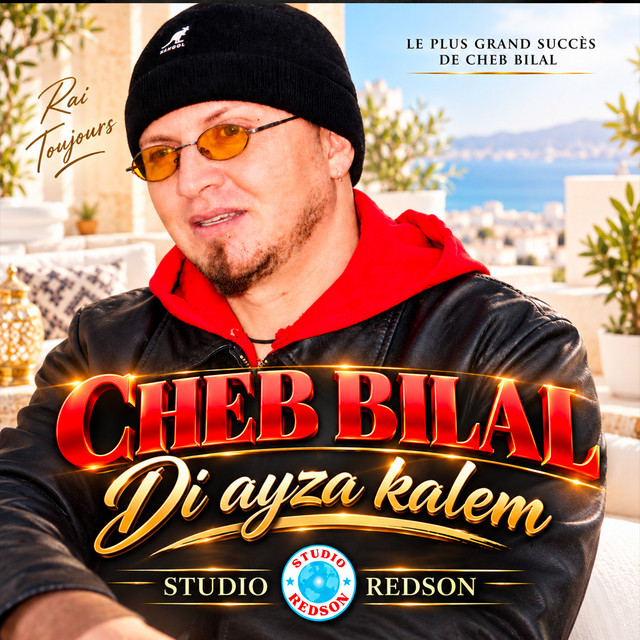
Cheb Bilal
Gnawa
Moroccan Chaabi
Moroccan Pop
3
/5
Mounim Slimani
Moroccan Chaabi
Moroccan Pop
Moroccan Rap
3
/5
Daoudi
Gnawa
Moroccan Chaabi
Moroccan Pop
3
/5
CHAAMA
Gnawa
Khaleeji
Moroccan Chaabi
3
/5
Eljoee
Gnawa
Khaleeji
Moroccan Chaabi
3
/5
Zina Daoudia
Gnawa
Moroccan Chaabi
Egyptian Pop
3
/5
Mimoun el oujdi
Gnawa
Moroccan Chaabi
Moroccan Pop
3
/5
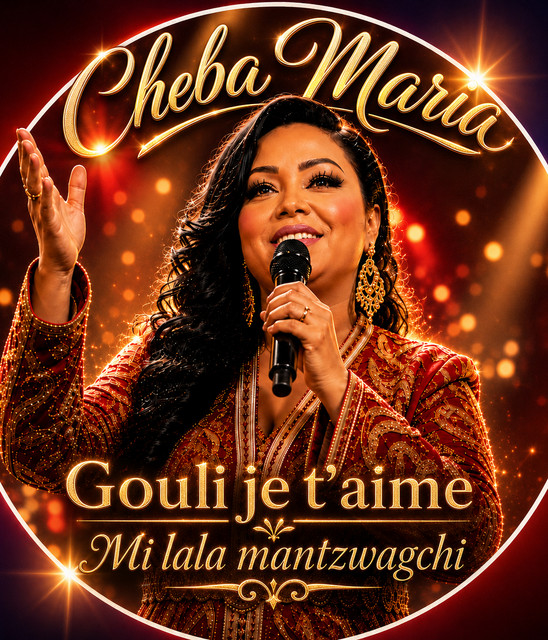
Cheba Maria
Deep Rai
Gnawa
Moroccan Chaabi
Download our mobile app
Get the Melodigging app and start digging for new genres on the go
Download on the App Store
Get it on Google Play
© 2026 Melodigging
Give feedback
Legal
Melodding was created as a tribute to
Every Noise at Once
, which inspired us to help curious minds keep digging into music's ever-evolving genres.