Genres
Artists
Albums
Make Music
Sign in
Sign in
Artists
Gnawa
Artists
Gnawa
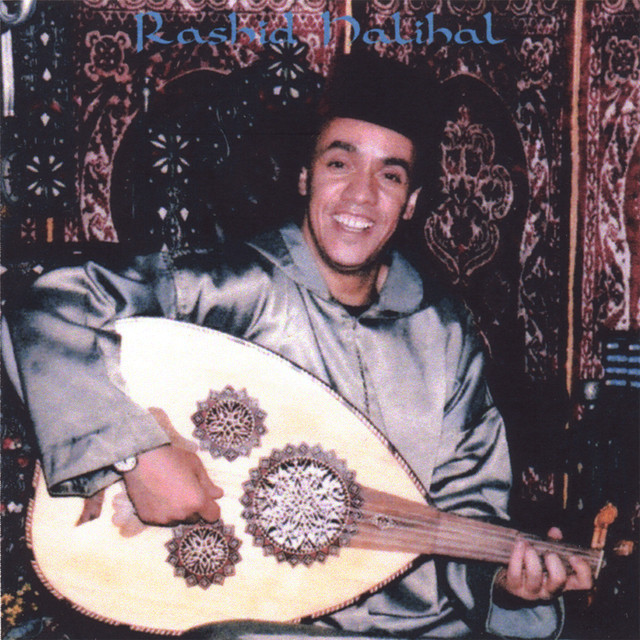
Rachid Halihal
Listen
1
/5
Genres
Moroccan Pop
Moroccan pop is contemporary, radio‑friendly music from Morocco that blends North African rhythms and modes with global pop craft. It draws on chaabi street grooves, gnawa bass patterns, and Andalusian ornamentation while embracing glossy production, catchy toplines, and dance‑floor energy. Sung primarily in Moroccan Arabic (Darija), it often weaves in French, Standard Arabic, Amazigh (Tamazight), and occasional English phrases. The sound palette ranges from darbuka, bendir, and qraqeb to modern drum machines, synths, and Auto‑Tune, yielding sleek hooks that sit comfortably between Arab pop, French pop, R&B, hip hop, EDM, and, more recently, reggaeton and Afro‑leaning rhythms.
Discover
Listen
Traditional Music
Traditional music is an umbrella term used in the mid–20th century by folklorists and ethnomusicologists to denote community-rooted, orally transmitted repertoires tied to social ritual, work, celebration, and storytelling. Unlike commercial pop or art-music traditions, traditional music is typically learned by ear, varies regionally, and evolves slowly through communal participation. It often features modal melodies, cyclic rhythms, heterophony or unison singing, and indigenous instruments whose timbres are integral to local identity. Lyrics tend to preserve language, history, and collective memory. While the musical practices themselves can be ancient, the phrase “traditional music” emerged to replace earlier, narrower or colonial framings like “folk” or “ethnic” music, foregrounding continuity, locality, and living practice rather than exoticism.
Discover
Listen
Moroccan Chaabi
Moroccan chaabi is Morocco’s modern popular music, a lively, community-centered style that blends Andalusi melodic heritage, sung poetry (malhun), rural aita vocal traditions, Amazigh rhythmic sensibilities, and Gnawa grooves. It is the soundtrack of weddings and street celebrations, prized for its danceable pulse, catchy refrains, and call-and-response singing. Typically led by violin (kamanja) and oud with a strong hand-percussion core (bendir, taarija, darbuka), chaabi arrangements ride buoyant 6/8 and 2/4 feels. Lyrics move between romance, satire, and social commentary, delivered with ornamented vocals and spontaneous audience interaction.
Discover
Listen
Gnawa
Gnawa is a spiritual, trance-based music of Morocco associated with the Gnawa brotherhoods, a community with roots in sub‑Saharan Africa and Sufi Islam. It centers on a deep, percussive bass lute called the guembri (also known as sintir or hajhuj), the bright metallic clatter of iron castanets (qraqeb/krakebs), unison handclaps, and call‑and‑response vocals. Performances often unfold in an all‑night ritual called a lila (derdeba), where cyclical 6/8 grooves and repetitive chants invite communal participation and induce a trance state. The repertoire invokes saints and ancestral spirits (mluk), moving through color-coded suites and intensifying rhythmic layers. While firmly rooted in West African rhythmic sensibilities, Gnawa also absorbs Maghrebi and Sufi aesthetics, producing a sound that is both devotional and intensely groove‑driven.
Discover
Listen
Similar artists
1
/5
Taifa Issawiya
Gnawa
Moroccan Chaabi
Moroccan Pop
3
/5
Cheb Mami
Reggae Maghreb
Raï
Pop Raï
3
/5
Cheb Hasni
Algerian Chaabi
Kabyle
Gnawa
3
/5
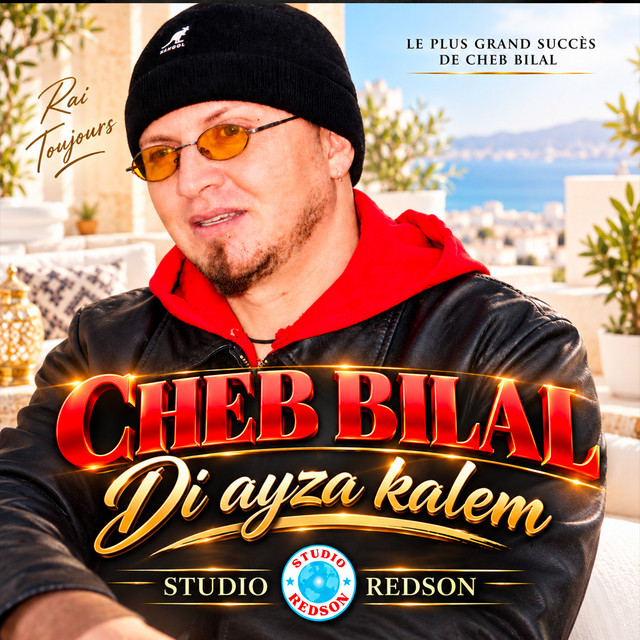
Cheb Bilal
Gnawa
Moroccan Chaabi
Moroccan Pop
3
/5
Mounim Slimani
Moroccan Chaabi
Moroccan Pop
Moroccan Rap
3
/5
Daoudi
Gnawa
Moroccan Chaabi
Moroccan Pop
3
/5
Dj Youcef
Basshall
Gnawa
Kizomba
3
/5
CHAAMA
Gnawa
Khaleeji
Moroccan Chaabi
3
/5
Eljoee
Gnawa
Khaleeji
Moroccan Chaabi
3
/5
Zina Daoudia
Gnawa
Moroccan Chaabi
Egyptian Pop
Download our mobile app
Get the Melodigging app and start digging for new genres on the go
Download on the App Store
Get it on Google Play
© 2026 Melodigging
Give feedback
Legal
Melodding was created as a tribute to
Every Noise at Once
, which inspired us to help curious minds keep digging into music's ever-evolving genres.