Genres
Artists
Albums
Make Music
Sign in
Sign in
Artists
Chamber Music
Artists
Chamber Music
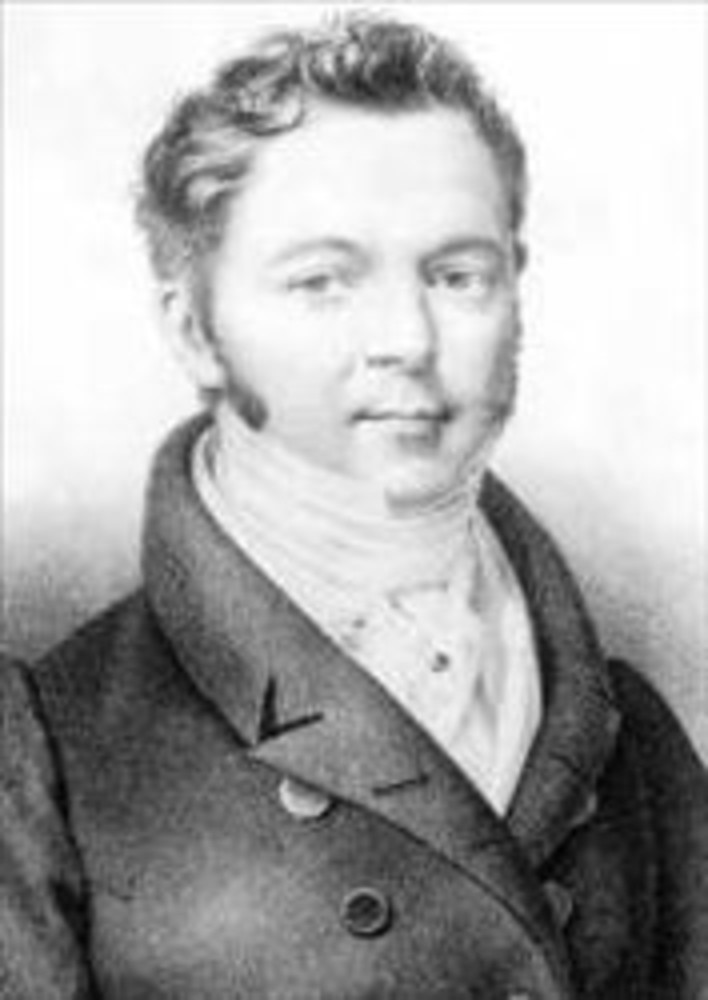
George Onslow
2013–2018
·
2 albums
Listen
1
/5
Genres
Early Romantic Era
The Early Romantic era in Western art music marks the first decades of the 19th century when composers began to push beyond Classical restraint toward heightened personal expression, vivid musical storytelling, and new harmonic color. Characteristic features include singing, memorable melodies; richer harmonic palettes with modal mixture, chromatic inflection, and bold mediant shifts; flexible forms that privilege expressive arc over strict symmetry; and expanding orchestral colors, especially in winds and brass. New poetic, picturesque, or literary ideas often shape musical form (especially in songs and overtures), and virtuosity rises to the foreground in solo piano and violin music. Genres such as the Lied, character piece for piano, and Romantic opera take definitive shape in this period, while symphony and concerto adopt a more dramatic, narrative impulse.
Discover
Listen
Romantic Classical
Romantic classical (Romantic-era) music is the 19th‑century phase of Western art music in which expression, individuality, and imagination came to the fore. Composers expanded the orchestra, embraced chromatic harmony and bold modulations, and favored long‑breathed, emotive melodies. Aligned with the wider Romantic movement in literature and the arts, it prized the subjective—love, nature, the supernatural, nationalism, and the sublime—often through programmatic narratives. New and transformed genres (the symphonic poem, grand opera, the art song/Lied, concert overtures) coexisted with reimagined Classical forms (symphony, sonata, concerto) that grew in scale and harmonic daring. From ca. 1800 through the early 20th century, Romantic music stretched from Beethoven’s heroic style and Schubert’s lyricism to Wagner’s leitmotivic dramas and Tchaikovsky’s symphonic ballet-infused language, culminating in late-Romantic gigantism and post-Romantic continuations.
Discover
Listen
String Quintet
The string quintet is a chamber-music genre written for five bowed string instruments. Its most common instrumentations are either two violins, two violas, and cello (the "Mozart" configuration) or two violins, viola, and two cellos (the "Boccherini/Schubert" configuration). Less common are variants that add double bass to a string quartet, or other historic mixtures. Musically, string quintets extend the quartet’s contrapuntal clarity and conversational balance with an extra middle or low voice, enabling thicker harmony, broader registral span, and richer color. Composers typically adopt four-movement classical forms (fast–slow–minuet/scherzo–fast), but the quintet’s added sonority invites expansive slow movements, rustic or dance-like inner movements, and highly symphonic finales.
Discover
Listen
Classical Period
The Classical period in Western art music (c. 1750–1820) is defined by clarity of form, balance of phrase, and transparent textures. Composers favored singable melodies, symmetrical four- and eight-bar phrases, and functional harmony that modulates to closely related keys. Hallmark forms such as the symphony, string quartet, sonata, and classical concerto were standardized, often using sonata form, theme-and-variations, minuet and trio, and rondo designs. Orchestras expanded beyond strings to include standardized pairs of woodwinds and horns, with trumpets and timpani for ceremonial weight, while the fortepiano gradually replaced the harpsichord. The style pivoted away from the dense counterpoint of the late Baroque toward a more galant, conversational musical rhetoric. It culminated in the Viennese masters—Haydn, Mozart, and the early Beethoven—whose works crystallized the era’s ideals and prepared the way for Romanticism.
Discover
Listen
Chamber Music
Chamber music is a tradition of composed music for small ensembles—typically one player per part—intended for intimate spaces such as courts, salons, and private rooms rather than large public halls. Its aesthetic emphasizes clarity of texture, conversational interplay among parts, and balance without a conductor. Hallmark formations include the string quartet, piano trio, wind quintet, string quintet, and various mixed ensembles. Multi‑movement cycles (often in sonata form) and finely wrought counterpoint are common, ranging from Baroque trio sonatas to Classical string quartets and modern works with expanded timbres and techniques. Because of its scale and transparency, chamber music has long been a proving ground for compositional craft and ensemble musicianship, shaping the core of Western art music from the Baroque through the present.
Discover
Listen
Classical
Classical music is the notated art-music tradition of Europe and its global descendants, characterized by durable forms, carefully codified harmony and counterpoint, and a literate score-based practice. The term “classical” can refer broadly to the entire Western art-music lineage from the Medieval era to today, not just the Classical period (c. 1750s–1820s). It privileges long-form structures (such as symphonies, sonatas, concertos, masses, and operas), functional or modal harmony, thematic development, and timbral nuance across ensembles ranging from solo instruments to full orchestras and choirs. Across centuries, the style evolved from chant and modal polyphony to tonal harmony, and later to post-tonal idioms, while maintaining a shared emphasis on written notation, performance practice, and craft.
Discover
Listen
Albums
2018
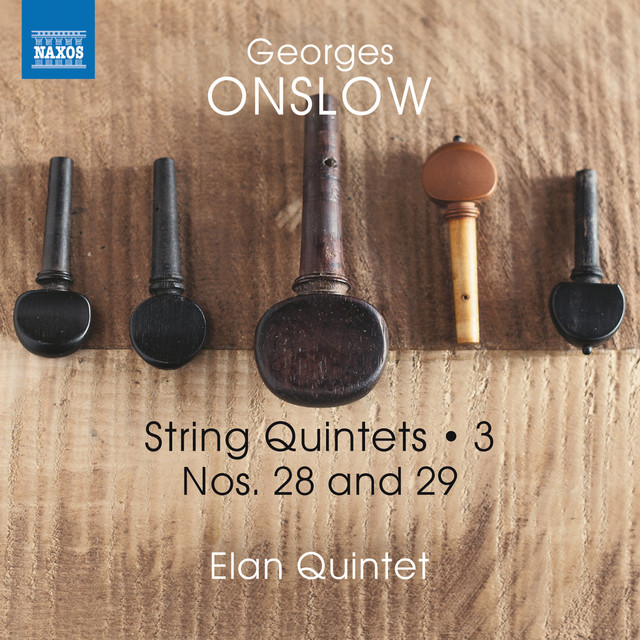
Onslow: String Quintets, Vol. 3 – Nos. 28 & 29
George Onslow, Lelia Iancovici, Julia Chu-Ying Hu, Salvador Bolón, Matt Baker
String Quintet
2013
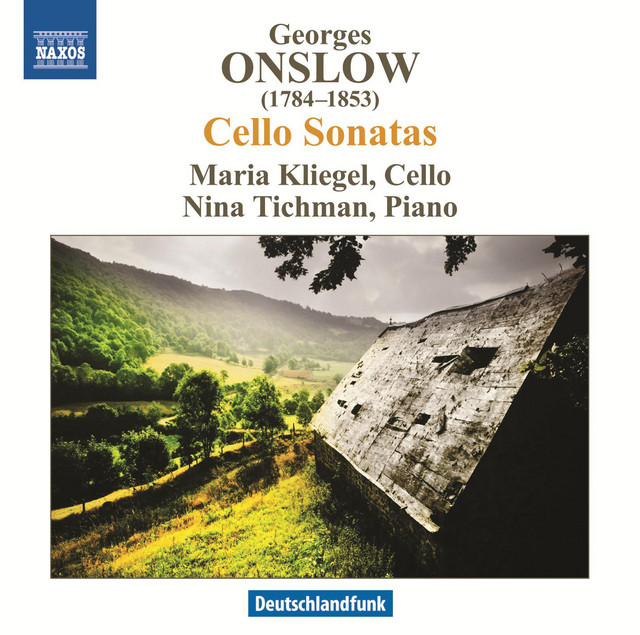
Onslow: Cello Sonatas
George Onslow, Maria Kliegel
Early Romantic Era
Similar artists
4
/5
Wolfgang Amadeus Mozart
Classical
Requiem
Classical Period
4
/5
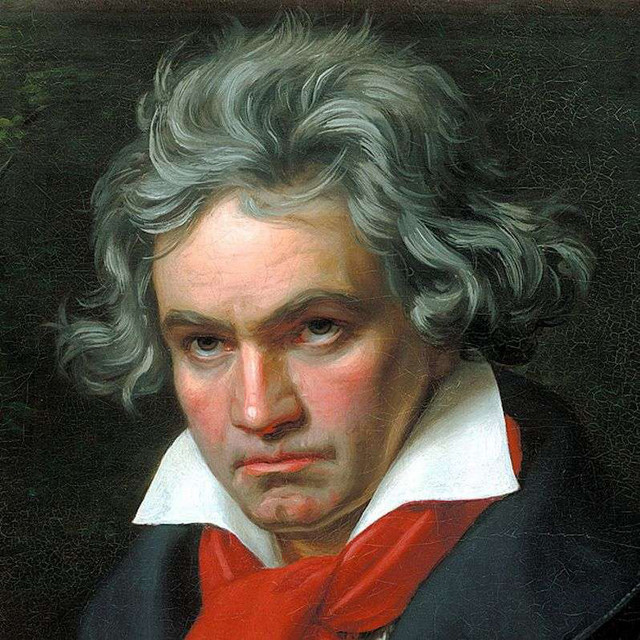
Ludwig van Beethoven
Classical
Classical Period
Romantic Classical
4
/5
Academy of St. Martin in the Fields
Classical
Classical Performance
Baroque
4
/5
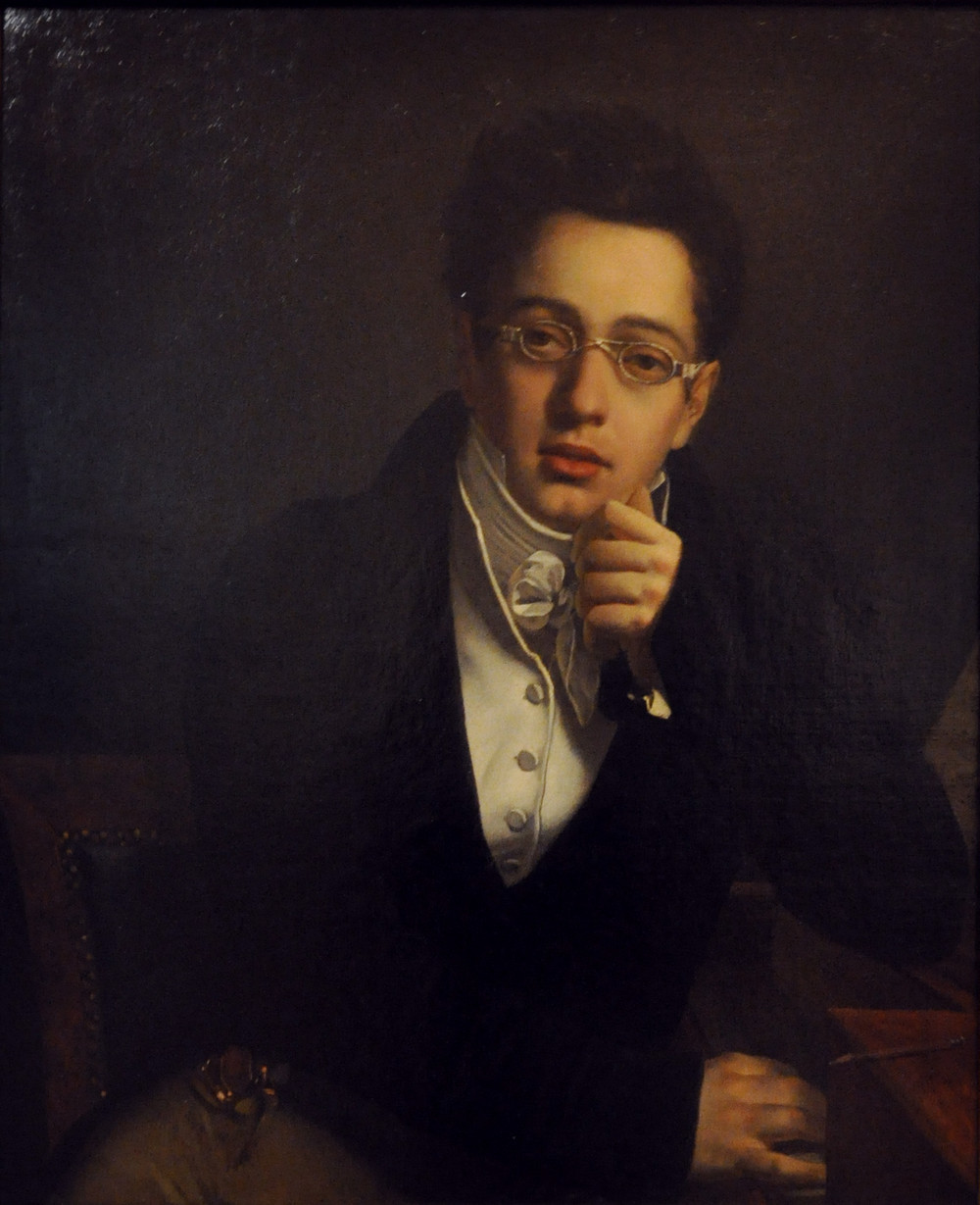
Franz Schubert
Impromptu
Lied
Art Song
4
/5
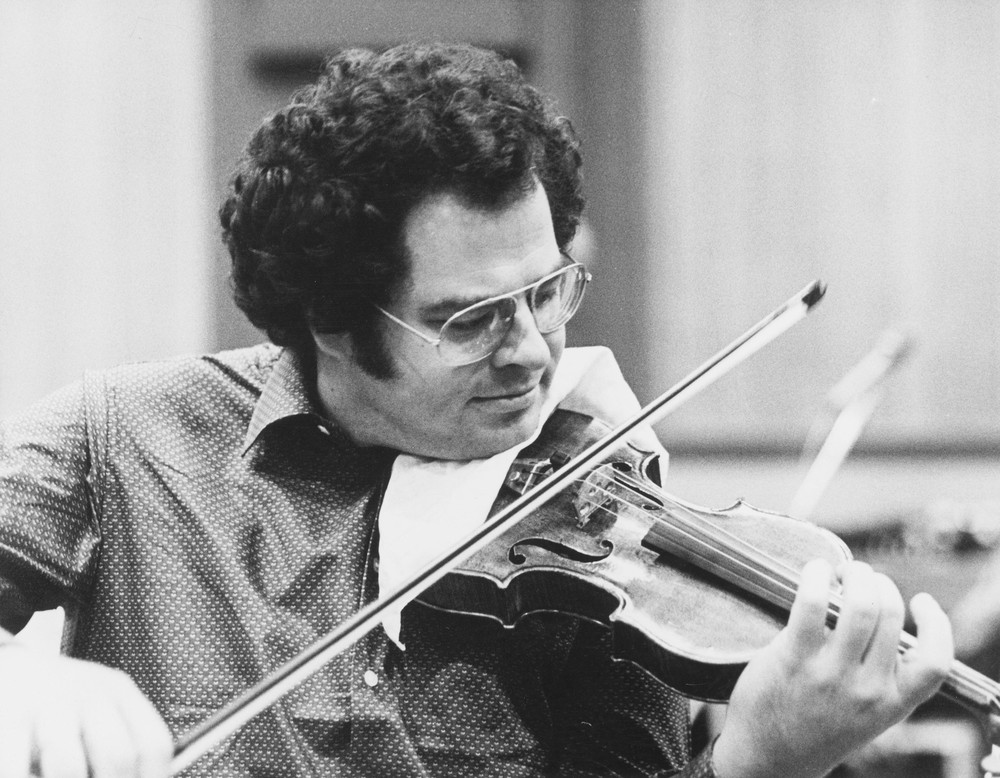
Itzhak Perlman
Chamber Music
Classical
Concerto
4
/5
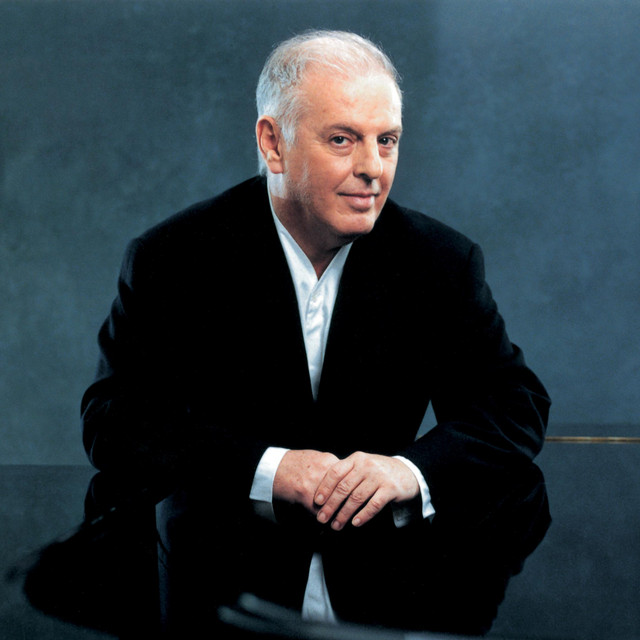
Daniel Barenboim
Impressionism
Classical
Chamber Music
3
/5
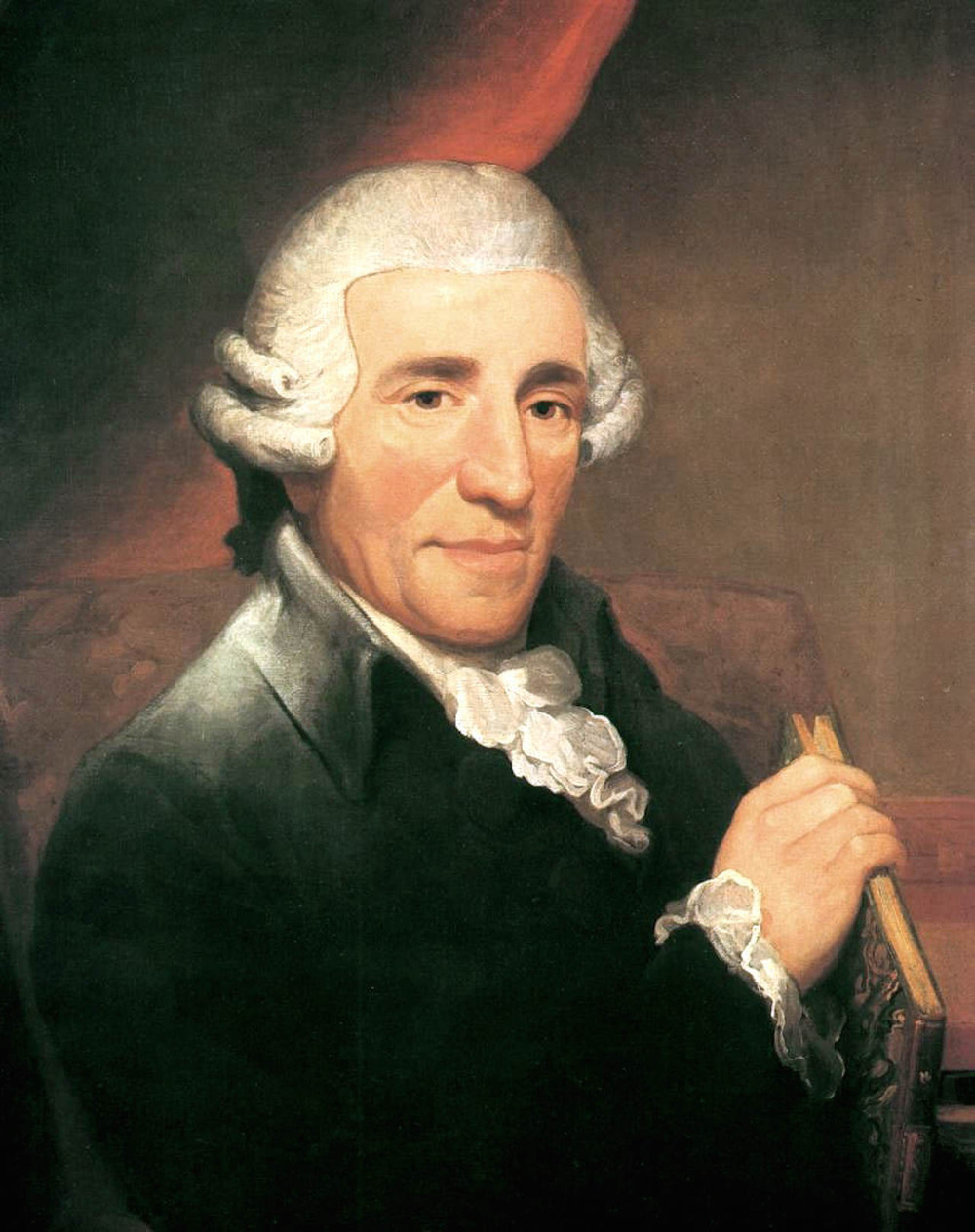
Joseph Haydn
Classical
Opera Semiseria
Classical Period
3
/5
Scottish Chamber Orchestra
Classical
Chamber Music
Opera
2
/5
Johann Nepomuk Hummel
Chamber Music
Classical
Classical Period
2
/5
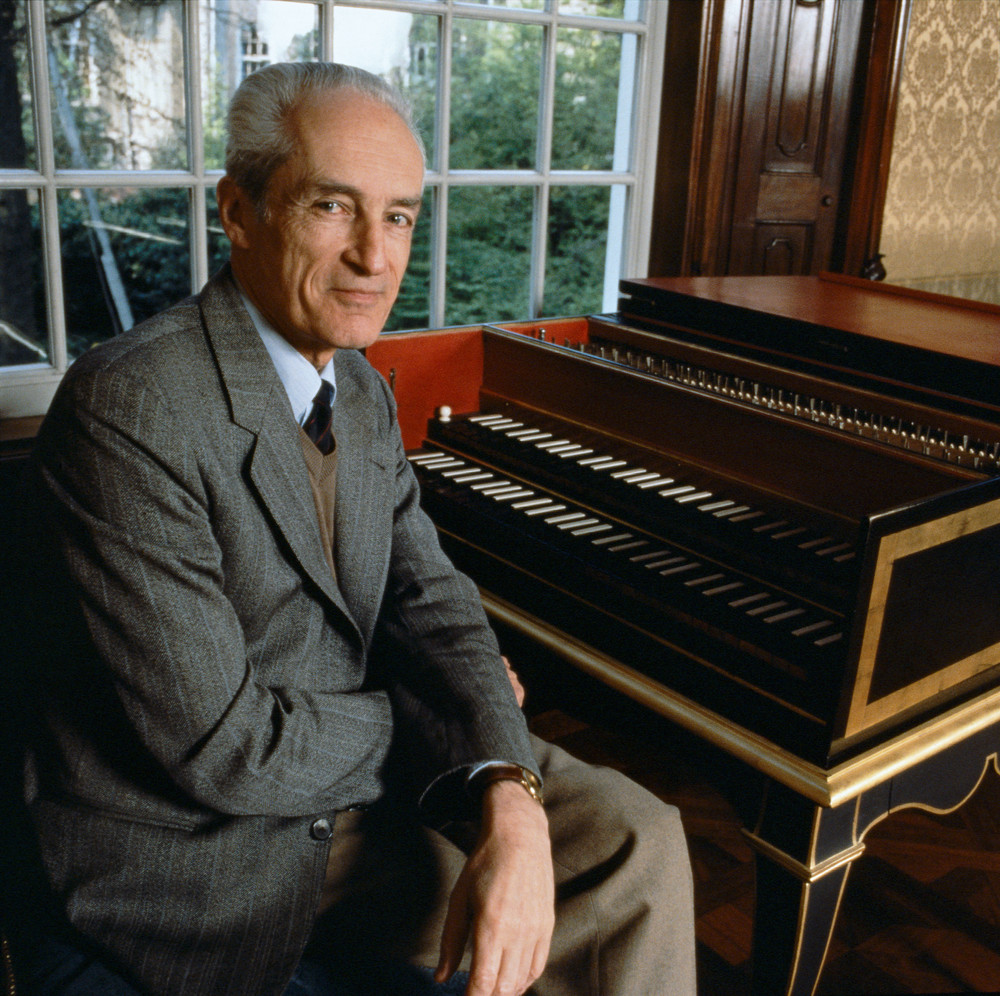
Gustav Leonhardt
Baroque
Classical
Renaissance
Download our mobile app
Get the Melodigging app and start digging for new genres on the go
Download on the App Store
Get it on Google Play
© 2026 Melodigging
Give feedback
Legal
Melodding was created as a tribute to
Every Noise at Once
, which inspired us to help curious minds keep digging into music's ever-evolving genres.