Genres
Artists
Albums
Make Music
Sign in
Sign in
Artists
Progressive Rock
Artists
Progressive Rock
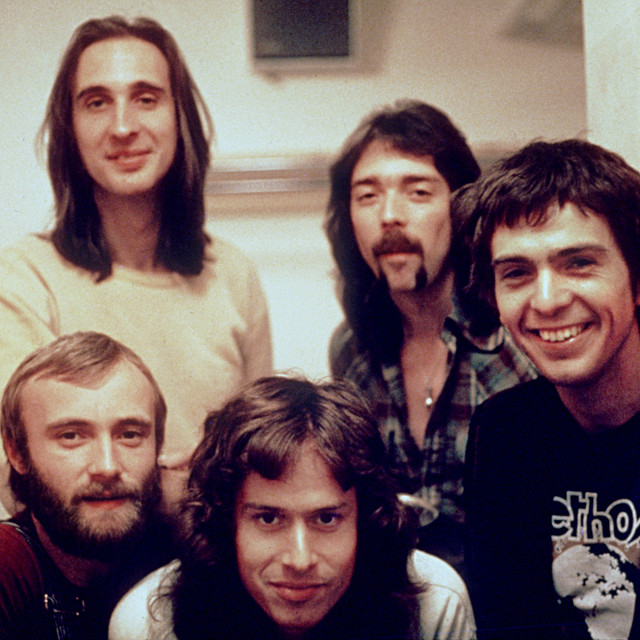
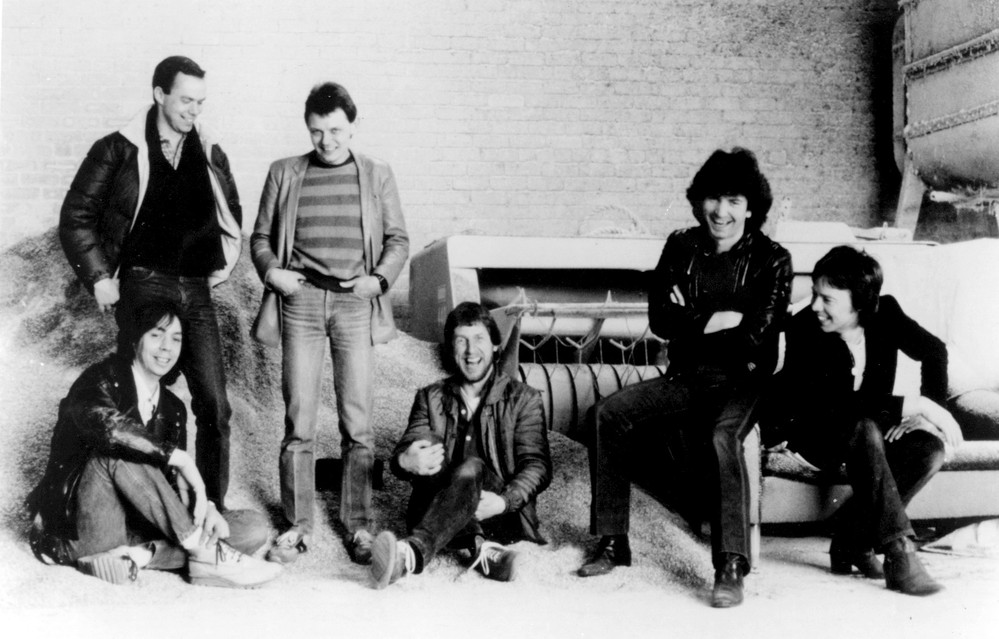
Genesis
1971–2025
·
7 albums
Listen
4
/5
Genres
Chill Pop
Chill pop is a contemporary pop micro‑genre that blends radio‑friendly songwriting with the mellow textures of chillout and lo‑fi aesthetics. It favors soft vocals, smooth synths, clean guitar plucks, understated bass, and relaxed, mid‑tempo grooves. Instead of big, bombastic hooks, chill pop tends toward intimate, conversational melodies and minimal, airy arrangements. Production often borrows from bedroom pop and alternative R&B—subtle trap hi‑hats, warm saturation, roomy reverbs, and gentle side‑chain compression—to create a breezy, pastel sound palette well suited to playlists and late‑night listening. Lyrically, chill pop is introspective and relatable: romance, longing, gentle optimism, and coming‑of‑age themes delivered in a plain‑spoken, whisper‑close tone. The result sits between indie pop’s understated cool and mainstream pop’s catchy structures, optimized for the streaming era’s mood‑driven consumption.
Discover
Listen
Indie Shoegaze
Indie shoegaze is a modern fusion of indie rock songcraft with the texture-heavy aesthetics of classic shoegaze. It keeps the haze: washed-out guitars drenched in reverb and delay, breathy or buried vocals, and a strong emphasis on atmosphere. Unlike the denser, sometimes overwhelming walls of sound in late-’80s/early-’90s shoegaze, indie shoegaze tends to prize clearer hooks, jangly patterns, and compact song forms. The result is a gauzy, melodic sound that feels intimate and contemporary while still dreamily saturated.
Discover
Listen
The Wave
The Wave is a loosely defined cluster of American post-hardcore/emo bands that surged in the early 2010s as emo-pop’s mainstream moment faded. The name was a tongue‑in‑cheek scene tag that stuck in press coverage, but it points to a real overlap in sound, ethos, and touring networks. Musically, The Wave fuses the urgency of 1990s post‑hardcore and screamo with confessional, literate lyric writing associated with emo. Expect shouted or half‑sung/half‑spoken vocals, dynamic quiet‑loud builds, intricate but driving drums, and guitar textures that shift between glassy clean arpeggios and overdriven, emotive climaxes. The songs often emphasize catharsis, narrative detail, and community-minded DIY presentation.
Discover
Listen
Classify
Classify is a streaming-era microgenre that blends light classical technique with contemporary pop repertoire, typically presented as unobtrusive instrumental covers. It prioritizes soft dynamics, gentle tempos, and intimate recording to create a calm, elegant backdrop suitable for studying, working, or events. Most arrangements are for solo piano, string quartet, cello/piano duos, or small chamber ensembles. Harmonies remain diatonic and consonant, melodies are clearly voiced, and textures favor arpeggios, ostinati, and sustained legato lines. The overall aesthetic borrows from modern classical and new age moods while retaining the familiarity of pop song forms.
Discover
Listen
Soundclown
Soundclown is an internet-born remix and mashup style that thrives on comedic juxtaposition, bait‑and‑switch reveals, and hyper-referential sample collage. It blends pop hits, game and cartoon music, ad jingles, meme sounds, and viral speech into quick-cut audio gags. The genre developed across YouTube and SoundCloud, favoring shock humor, nostalgia, and absurdity over traditional song form. Hallmarks include sudden key/tempo whiplash, exaggerated pitch-shifts, ear‑rending “earrape” peaks, and punchline drops that transform a familiar source into something hilariously incongruent. Because it is fundamentally platform-native, soundclown is as much a memetic editing culture as a musical style. Its tracks often function like sonic shitposts: fast, punchy, and built for instant recognition and shareability.
Discover
Listen
Channel Pop
Channel pop is a digital-era strain of mainstream pop shaped by video and creator platforms—especially YouTube and later TikTok and Instagram—where artists build audiences through frequent uploads on their own “channels.” Musically it favors intimate, highly polished but close-mic’d vocals, acoustic guitar or piano-led arrangements, restrained beats, and succinct, playlist-friendly structures. Many releases are cover-first (reimagining recent chart hits) with a steady flow of glossy singles, session-style performances, and creator collaborations that gradually blend into original material. Titles, artwork, and release cadence are optimized for search and recommendation algorithms, yielding a sound that is simultaneously personal and platform-aware.
Discover
Listen
New Isolationism
New isolationism is a contemporary strain of isolationist ambient and post-industrial minimalism that emerged in the 2010s, particularly around Scandinavian experimental labels and studios. It foregrounds intimate, close-mic’d sound, negative space, and a quiet-but-present noise floor; its pieces feel both internal and architectural, like rooms built from reverb tails, tape hiss, and soft electronics. Sonically, the style blends glacial drones, fragile chamber timbres (strings, organ, piano), lo‑fi electronics, and field recordings into stark, slow-evolving tableaux. Melodic information is sparse—often only a few tones or gestures—while rhythm is either absent or reduced to distant pulses, heartbeats, or mechanical cycles. Vocals, when they appear, are murmured, diaristic, or abstracted by pitch and time manipulation. Aesthetically, new isolationism is post‑internet and diaristic: it captures solitude, memory, and dislocation with a palette that feels personal yet estranged, drawing as much from contemporary gallery sound practice as from classic dark ambient.
Discover
Listen
New Romantic
New Romantic is a British music and fashion movement that crystallized in the early 1980s, pairing sleek, synth-driven new wave/pop with the theatrical flair of glam and art pop. It emphasized lavish, emotive songwriting, danceable rhythms, and a highly stylized visual identity. Sonically, New Romantic records favor analog synthesizers, drum machines, bright chorus-laden guitars, and polished studio production. Lyrically and visually, the movement celebrated escapism, romance, and glamour, often through androgynous, avant-garde fashion that emerged from London club culture (notably the Blitz Club).
Discover
Listen
Symphonic Prog
Symphonic prog (symphonic progressive rock) is a strand of progressive rock that adopts the scope, structure, and tonal palettes of Western classical music while retaining a rock band’s instrumentation and power. It is characterized by long, multi‑movement suites; recurring leitmotifs; dramatic dynamic shifts; and richly layered keyboard textures (Mellotron, Hammond organ, Minimoog). Arrangements often imitate orchestral writing through counterpoint, thematic development, and sectional contrast, with guitars and keyboards sharing lead roles much like orchestral sections. Lyrics tend toward literary, mythic, or philosophical themes, and the overall presentation emphasizes grandeur and narrative arc. The sound balances warmth and precision: crisp rhythm sections underpin harmonically sophisticated progressions, while symphonic voicings and choir‑like pads create an expansive, epic atmosphere.
Discover
Listen
Soft Rock
Soft rock is a mellow, melody-forward strain of rock and pop that favors smooth vocals, polished production, and restrained dynamics over distortion and aggression. Built on acoustic and clean electric guitars, piano or electric piano (Rhodes), light rhythm sections, and lush backing vocals or strings, the style centers on memorable hooks and sentimental themes. Its lyrics often explore love, heartbreak, nostalgia, and introspection, delivered with warmth and clarity. Tempos are moderate, grooves are unobtrusive, and harmonies are diatonic with tasteful color (maj7, add9) and occasional key changes. Commercially, soft rock flourished on AM radio and adult contemporary playlists in the 1970s and early 1980s, shaping the sound of radio-friendly ballads and influencing later styles like yacht rock and modern adult contemporary.
Discover
Listen
Album Rock
Album rock (often associated with the album‑oriented rock, or AOR, FM radio format) refers to rock music created and programmed with the album as the primary artistic unit rather than individual hit singles. Emerging on U.S. FM radio in the early 1970s, it spotlighted deeper album cuts, long-form tracks, and cohesive sequencing, drawing heavily from progressive, psychedelic, art, hard, blues, and folk rock. Musically, album rock favors full-band arrangements, extended solos, dynamic contrasts, and high-fidelity production intended for immersive, start-to-finish listening. While overlapping with “arena rock” and later “classic rock,” album rock is best understood as an album-centered approach and a radio culture that shaped how rock acts wrote, produced, and presented their music.
Discover
Listen
Mellow Gold
Mellow gold is a retro-tag used to describe the smooth, radio-friendly soft rock and singer‑songwriter pop that flourished in the 1970s and early 1980s. Characterized by warm analog production, gently strummed acoustic guitars, soft electric pianos (Rhodes/Wurlitzer), silky vocal harmonies, and unobtrusive rhythm sections, it favors mid‑tempo grooves, plush major‑7th chords, and emotionally reflective, often romantic lyrics. The term is widely used in digital curation (playlists, recommendation systems) to group the laid‑back, “AM radio” side of classic rock and pop—music that feels cozy, nostalgic, and effortlessly melodic.
Discover
Listen
Progressive Rock
Progressive rock is a rock subgenre that expands the genre’s formal, harmonic, and conceptual boundaries. It favors long-form compositions, intricate arrangements, and virtuosic musicianship, often drawing on Western classical, jazz, folk, and psychedelic idioms. Typical hallmarks include multi-part suites, shifting time signatures, extended instrumental passages, recurring motifs, and concept albums that present unified themes or narratives. The sound palette commonly features electric guitar, bass, and drums alongside an array of keyboards (Hammond organ, Mellotron, Moog/ARP synthesizers, piano), woodwinds or brass, and occasional orchestral additions. Lyrics often explore science fiction, mythology, philosophy, social commentary, and introspective themes.
Discover
Listen
Art Rock
Art rock is a branch of rock music that treats the studio and the album as spaces for artistic experimentation, emphasizing conceptual ideas, ambitious arrangements, and cross-pollination with modernist and avant-garde traditions. It typically favors extended song forms, thematic or conceptual unity, and non-standard instrumentation (strings, woodwinds, synthesizers) alongside rock’s core band setup. Lyrically, it leans toward literary, surreal, or philosophical subjects and often adopts theatrical presentation. Where mainstream rock centers on immediacy and hooks, art rock embraces risk: unusual time signatures, timbral exploration, complex harmony, tape and electronic manipulation, and interludes that draw from classical, jazz, minimalism, and experimental music.
Discover
Listen
Symphonic Rock
Symphonic rock is a style of rock that integrates orchestral instrumentation, classical forms, and large‑scale arrangements into the core sound of a rock band. Typical timbres include strings, brass, woodwinds, choir, mellotron, Hammond organ, piano, and analog synthesizers supporting guitars, bass, and drums. The genre emphasizes grand, cinematic dynamics, thematic development, and harmonic richness drawn from Western classical music, while retaining the energy and songcraft of rock. It often overlaps with progressive rock, but places a particular focus on lush orchestration, romantic melodicism, and overtly symphonic textures—ranging from studio overdubs and mellotron layers to fully scored collaborations with symphony orchestras.
Discover
Listen
Pop Rock
Pop rock blends the hook-focused immediacy of pop with the instrumentation and drive of rock. It prioritizes catchy melodies, concise song structures, and polished production while retaining guitars, bass, and drums as core elements. Typical pop rock tracks use verse–pre-chorus–chorus forms, strong vocal harmonies, and memorable riffs. The sound ranges from jangly and bright to mildly overdriven and arena-ready, aiming for radio-friendly appeal without abandoning rock’s rhythmic punch.
Discover
Listen
Rock Opera
Rock opera is a narrative-driven form of rock music in which a sequence of songs tells a coherent story, often through distinct characters, recurring leitmotifs, and theatrical arcs. Unlike a loose concept album, a rock opera typically emphasizes plot, character development, and musical continuity, borrowing structural ideas from opera (overtures, reprises, arias/solos, and dramatic climaxes) while retaining the instrumentation, rhythms, and sonic vocabulary of rock. Works can exist as studio albums, staged productions, or films, and may range from guitar-centered ensembles to fully orchestrated scores with choirs and narration. The form emerged in the late 1960s with UK pioneers and grew alongside progressive and symphonic rock in the 1970s.
Discover
Listen
Progressive Pop
Progressive pop is a fusion of pop music’s immediacy and hooks with the structural ambition, harmonic richness, and conceptual scope associated with progressive rock and art rock. It favors memorable choruses and radio-friendly melodies while incorporating expanded song forms, key changes, non-diatonic harmony, occasional odd meters, orchestral timbres, and studio experimentation. The result is music that feels accessible on the surface yet reveals layered arrangements, narrative or conceptual lyrics, and sophisticated production choices on closer listening.
Discover
Listen
Rock
Rock is a broad family of popular music centered on amplified instruments, a strong backbeat, and song forms that foreground riffs, choruses, and anthemic hooks. Emerging from mid‑20th‑century American styles like rhythm & blues, country, and gospel-inflected rock and roll, rock quickly expanded in scope—absorbing folk, blues, and psychedelic ideas—while shaping global youth culture. Core sonic markers include electric guitar (often overdriven), electric bass, drum kit emphasizing beats 2 and 4, and emotive lead vocals. Rock songs commonly use verse–chorus structures, blues-derived harmony, and memorable melodic motifs, ranging from intimate ballads to high‑energy, stadium‑sized performances.
Discover
Listen
Show all 19 genres
Albums
2025
1
/5
The Lamb Lies Down on Broadway
Genesis
Rock Opera
Progressive Rock
Art Rock
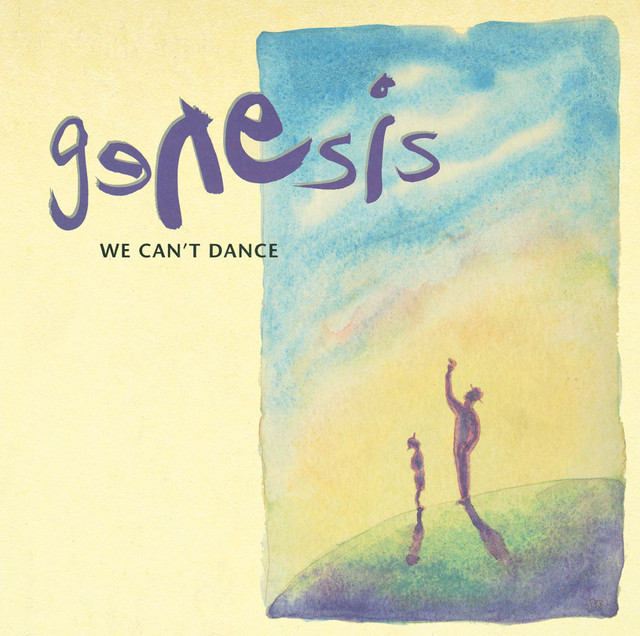
1991
4
/5
We Can't Dance
Genesis
Symphonic Rock
Progressive Rock
Pop Rock
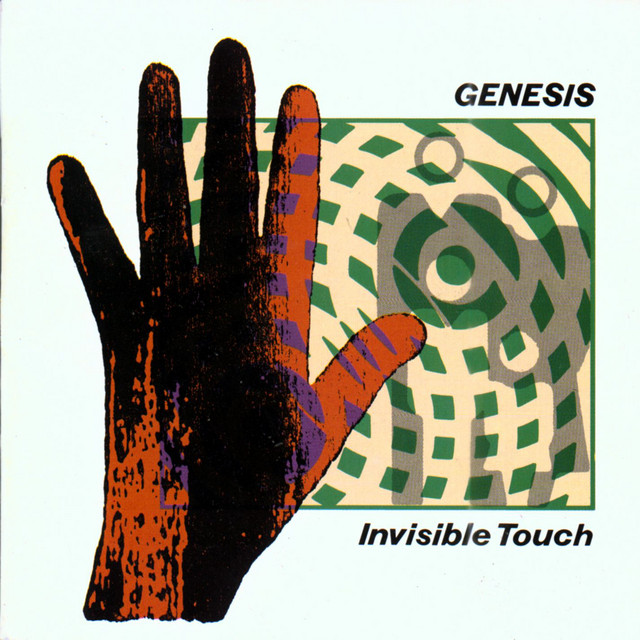
1986
4
/5
Invisible Touch
Genesis
Symphonic Rock
Progressive Rock
New Romantic
1973
4
/5
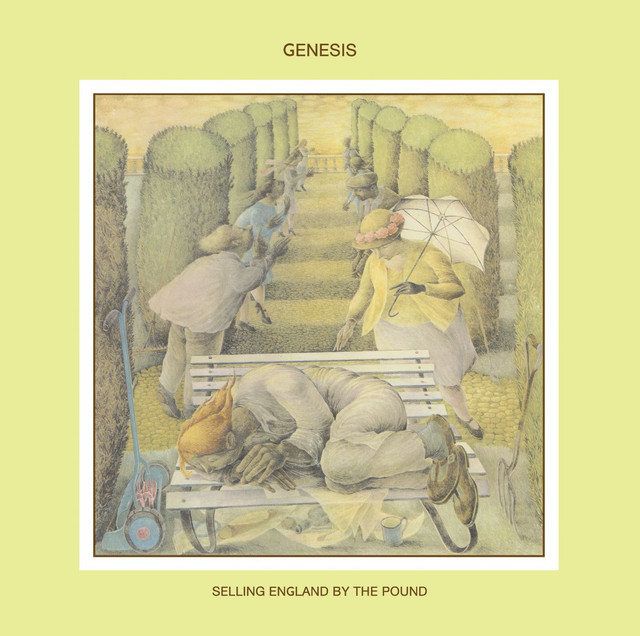
Selling England by the Pound
Genesis
Progressive Rock
Symphonic Rock
Art Rock
1973
1
/5
Selling England by the Pound
Genesis
Symphonic Prog
Art Rock
Progressive Rock
1972
1
/5
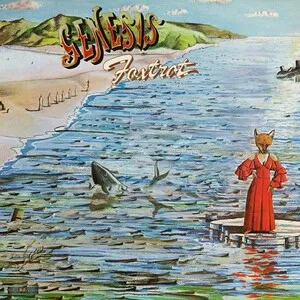
Foxtrot
Genesis
Symphonic Prog
Progressive Rock
1971
1
/5
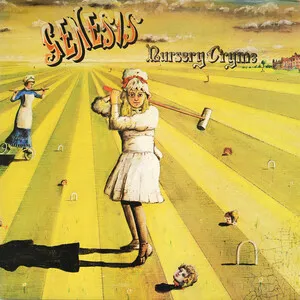
Nursery Cryme
Genesis
Symphonic Prog
Similar artists
5
/5
Pink Floyd
Art Rock
Progressive Rock
Rock
4
/5
Supertramp
Progressive Rock
Art Rock
Glam Rock
4
/5
King Crimson
Art Rock
Jazz Rock
Progressive Rock
4
/5
Yes
Progressive Rock
Art Rock
Rock
4
/5
Electric Light Orchestra
Art Rock
Rock
Symphonic Rock
4
/5
The Alan Parsons Project
Progressive Rock
Symphonic Rock
Art Rock
3
/5
Mystery
Progressive Rock
Deep Progressive Rock
Rock
3
/5
Jethro Tull
Progressive Rock
Classic Rock
Rock
3
/5
Camel
Progressive Rock
Art Rock
Krautrock
4
/5
The Moody Blues
Baroque Pop
Progressive Rock
Art Rock
Download our mobile app
Get the Melodigging app and start digging for new genres on the go
Download on the App Store
Get it on Google Play
© 2026 Melodigging
Give feedback
Legal
Melodding was created as a tribute to
Every Noise at Once
, which inspired us to help curious minds keep digging into music's ever-evolving genres.