Genres
Make Music
Artists
Albums
Challenges
Sign in
Sign in
Albums
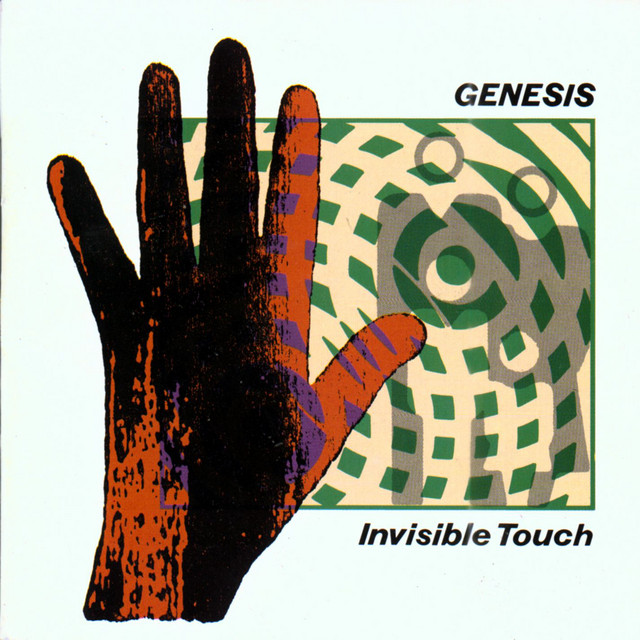
By Genesis
Albums
By Genesis
Invisible Touch
June 9, 1986
Listen
4
/5
Genres
New Romantic
New Romantic is a British music and fashion movement that crystallized in the early 1980s, pairing sleek, synth-driven new wave/pop with the theatrical flair of glam and art pop. It emphasized lavish, emotive songwriting, danceable rhythms, and a highly stylized visual identity. Sonically, New Romantic records favor analog synthesizers, drum machines, bright chorus-laden guitars, and polished studio production. Lyrically and visually, the movement celebrated escapism, romance, and glamour, often through androgynous, avant-garde fashion that emerged from London club culture (notably the Blitz Club).
Discover
Listen
Mellow Gold
Mellow gold is a retro-tag used to describe the smooth, radio-friendly soft rock and singer‑songwriter pop that flourished in the 1970s and early 1980s. Characterized by warm analog production, gently strummed acoustic guitars, soft electric pianos (Rhodes/Wurlitzer), silky vocal harmonies, and unobtrusive rhythm sections, it favors mid‑tempo grooves, plush major‑7th chords, and emotionally reflective, often romantic lyrics. The term is widely used in digital curation (playlists, recommendation systems) to group the laid‑back, “AM radio” side of classic rock and pop—music that feels cozy, nostalgic, and effortlessly melodic.
Discover
Listen
Album Rock
Album rock (often associated with the album‑oriented rock, or AOR, FM radio format) refers to rock music created and programmed with the album as the primary artistic unit rather than individual hit singles. Emerging on U.S. FM radio in the early 1970s, it spotlighted deeper album cuts, long-form tracks, and cohesive sequencing, drawing heavily from progressive, psychedelic, art, hard, blues, and folk rock. Musically, album rock favors full-band arrangements, extended solos, dynamic contrasts, and high-fidelity production intended for immersive, start-to-finish listening. While overlapping with “arena rock” and later “classic rock,” album rock is best understood as an album-centered approach and a radio culture that shaped how rock acts wrote, produced, and presented their music.
Discover
Listen
Soft Rock
Soft rock is a mellow, melody-forward strain of rock and pop that favors smooth vocals, polished production, and restrained dynamics over distortion and aggression. Built on acoustic and clean electric guitars, piano or electric piano (Rhodes), light rhythm sections, and lush backing vocals or strings, the style centers on memorable hooks and sentimental themes. Its lyrics often explore love, heartbreak, nostalgia, and introspection, delivered with warmth and clarity. Tempos are moderate, grooves are unobtrusive, and harmonies are diatonic with tasteful color (maj7, add9) and occasional key changes. Commercially, soft rock flourished on AM radio and adult contemporary playlists in the 1970s and early 1980s, shaping the sound of radio-friendly ballads and influencing later styles like yacht rock and modern adult contemporary.
Discover
Listen
Symphonic Rock
Symphonic rock is a style of rock that integrates orchestral instrumentation, classical forms, and large‑scale arrangements into the core sound of a rock band. Typical timbres include strings, brass, woodwinds, choir, mellotron, Hammond organ, piano, and analog synthesizers supporting guitars, bass, and drums. The genre emphasizes grand, cinematic dynamics, thematic development, and harmonic richness drawn from Western classical music, while retaining the energy and songcraft of rock. It often overlaps with progressive rock, but places a particular focus on lush orchestration, romantic melodicism, and overtly symphonic textures—ranging from studio overdubs and mellotron layers to fully scored collaborations with symphony orchestras.
Discover
Listen
Progressive Rock
Progressive rock is a rock subgenre that expands the genre’s formal, harmonic, and conceptual boundaries. It favors long-form compositions, intricate arrangements, and virtuosic musicianship, often drawing on Western classical, jazz, folk, and psychedelic idioms. Typical hallmarks include multi-part suites, shifting time signatures, extended instrumental passages, recurring motifs, and concept albums that present unified themes or narratives. The sound palette commonly features electric guitar, bass, and drums alongside an array of keyboards (Hammond organ, Mellotron, Moog/ARP synthesizers, piano), woodwinds or brass, and occasional orchestral additions. Lyrics often explore science fiction, mythology, philosophy, social commentary, and introspective themes.
Discover
Listen
Art Rock
Art rock is a branch of rock music that treats the studio and the album as spaces for artistic experimentation, emphasizing conceptual ideas, ambitious arrangements, and cross-pollination with modernist and avant-garde traditions. It typically favors extended song forms, thematic or conceptual unity, and non-standard instrumentation (strings, woodwinds, synthesizers) alongside rock’s core band setup. Lyrically, it leans toward literary, surreal, or philosophical subjects and often adopts theatrical presentation. Where mainstream rock centers on immediacy and hooks, art rock embraces risk: unusual time signatures, timbral exploration, complex harmony, tape and electronic manipulation, and interludes that draw from classical, jazz, minimalism, and experimental music.
Discover
Listen
Pop Rock
Pop rock blends the hook-focused immediacy of pop with the instrumentation and drive of rock. It prioritizes catchy melodies, concise song structures, and polished production while retaining guitars, bass, and drums as core elements. Typical pop rock tracks use verse–pre-chorus–chorus forms, strong vocal harmonies, and memorable riffs. The sound ranges from jangly and bright to mildly overdriven and arena-ready, aiming for radio-friendly appeal without abandoning rock’s rhythmic punch.
Discover
Listen
Rock
Rock is a broad family of popular music centered on amplified instruments, a strong backbeat, and song forms that foreground riffs, choruses, and anthemic hooks. Emerging from mid‑20th‑century American styles like rhythm & blues, country, and gospel-inflected rock and roll, rock quickly expanded in scope—absorbing folk, blues, and psychedelic ideas—while shaping global youth culture. Core sonic markers include electric guitar (often overdriven), electric bass, drum kit emphasizing beats 2 and 4, and emotive lead vocals. Rock songs commonly use verse–chorus structures, blues-derived harmony, and memorable melodic motifs, ranging from intimate ballads to high‑energy, stadium‑sized performances.
Discover
Listen
Similar albums
1979
Discovery
Electric Light Orchestra
1979
The Wall
Pink Floyd
1973
The Dark Side of the Moon
Pink Floyd
1975
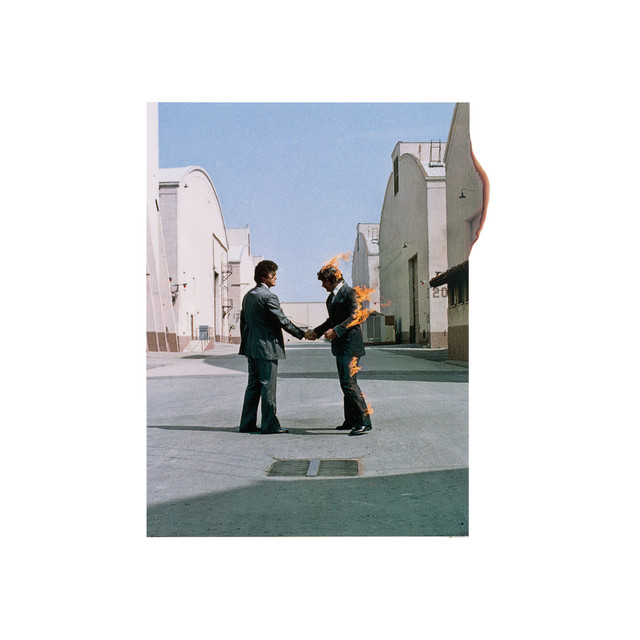
Wish You Were Here
Pink Floyd
1982
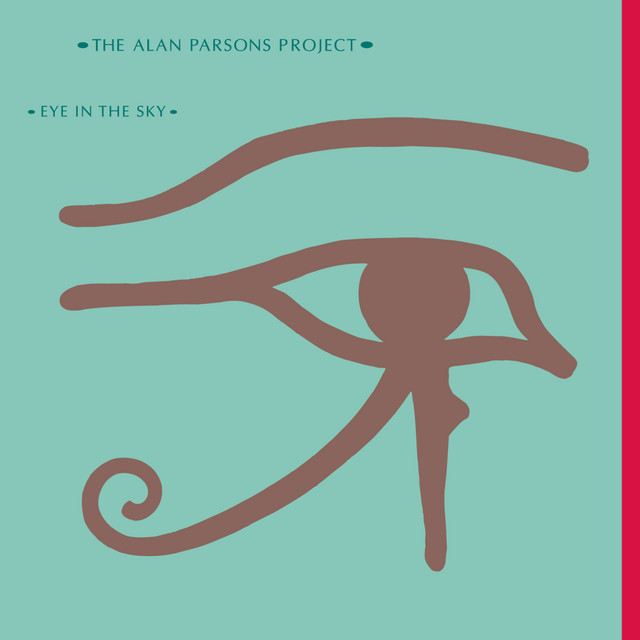
Eye In The Sky
The Alan Parsons Project
1994
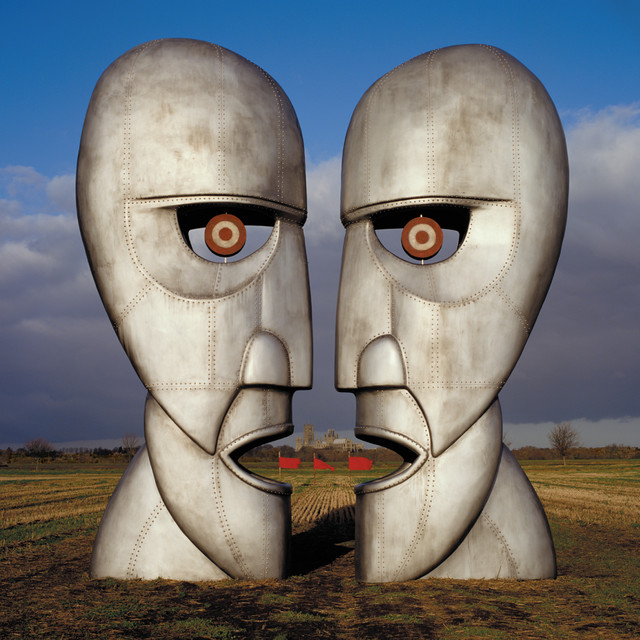
The Division Bell
Pink Floyd
1991
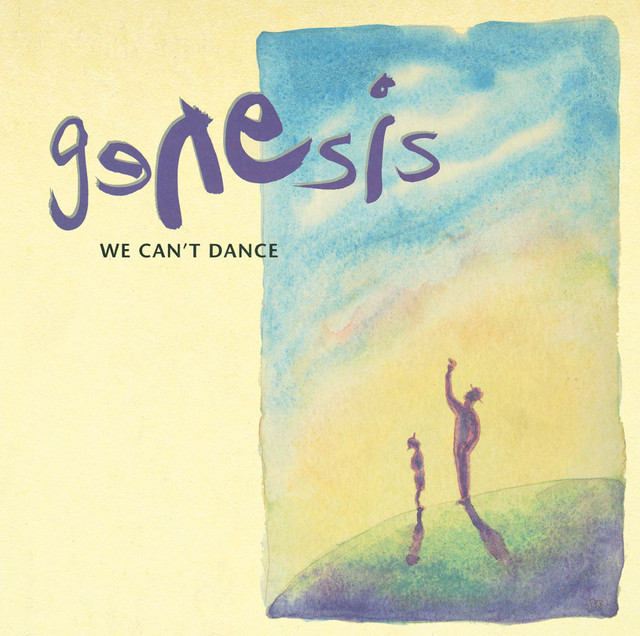
We Can't Dance
Genesis
1971
Meddle
Pink Floyd
1977
Animals
Pink Floyd
1978
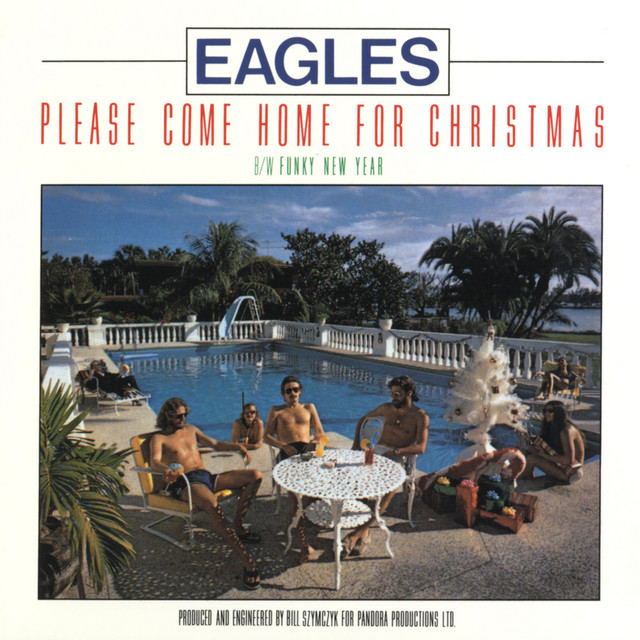
Please Come Home for Christmas / Funky New Year (2013 Remaster)
Eagles
Download our mobile app
Get the Melodigging app and start digging for new genres on the go
Download on the App Store
Get it on Google Play
© 2026 Melodigging
Give feedback
Legal
Melodding was created as a tribute to
Every Noise at Once
, which inspired us to help curious minds keep digging into music's ever-evolving genres.