Genres
Artists
Albums
Make Music
Sign in
Sign in
Artists
Progressive Rock
Artists
Progressive Rock
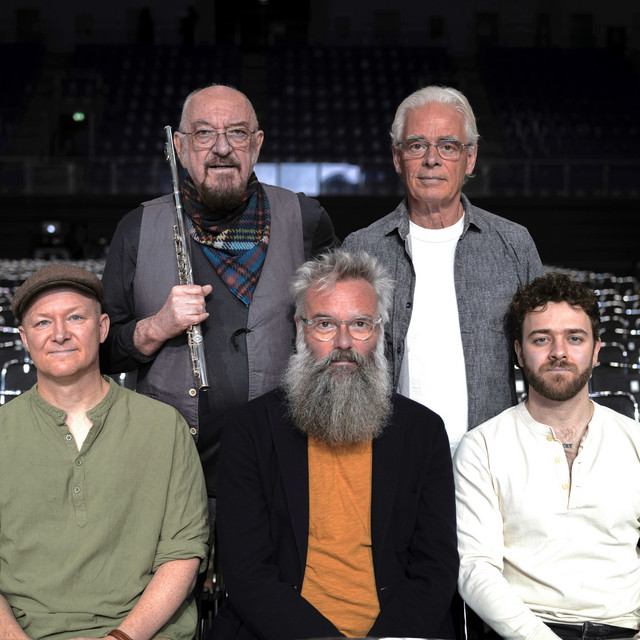
Mystery
2010–2023
·
6 albums
Listen
3
/5
Genres
Deep Progressive Rock
Deep progressive rock is a modern, immersive branch of progressive rock that emphasizes depth of atmosphere, emotive songwriting, and sculpted low‑end alongside the genre’s trademark complexity. It blends long-form compositions, dynamic contrasts, and odd meters with rich sound design, ambient textures, and cinematic mixing. Compared with classic prog, it is typically darker, warmer, and more introspective, placing equal weight on harmony and groove. Expect patient builds, post-rock‑like crescendos, detailed layers of guitars and keyboards, and vocals that favor expressive, contemporary timbres over theatrical delivery. The result is music that feels expansive and contemplative while retaining the intellectual rigor of prog.
Discover
Listen
Neo-Progressive Rock
Neo-progressive rock (often shortened to neo-prog) is a revivalist wave of progressive rock that emerged in the early 1980s in the United Kingdom. It blends the grand, symphonic ambitions of 1970s prog with more concise song forms, strong hooks, and glossy 1980s production aesthetics. The style is characterized by emotive vocals, lyrical guitar leads, and prominent, textural keyboards (synth pads, string ensembles, Mellotron emulations). Songs often feature dynamic shifts, recurring thematic motifs, and extended instrumental passages, yet remain accessible through memorable choruses and streamlined structures. Compared with classic prog, neo-prog tends to emphasize atmosphere and melody over virtuosity for its own sake, focusing on dramatic storytelling, introspective themes, and cinematic arrangements that build toward cathartic, epic climaxes.
Discover
Listen
Progressive Metal
Progressive metal blends the ambition and extended song forms of progressive rock with the heaviness, timbre, and energy of heavy metal. It is characterized by complex arrangements, frequent time‑signature changes, virtuosic instrumental passages, thematic or concept‑driven albums, and a wide dynamic range from delicate, atmospheric sections to aggressive, high‑gain climaxes. Harmonically it draws on modal interchange, chromatic voice‑leading, and jazz‑fusion colors, while rhythmically it favors polymeters, polyrhythms, and metric modulation. Keyboards and layered production often add orchestral or cinematic scope.
Discover
Listen
Aor
AOR (often read as Album-Oriented Rock and, in stylistic terms, Adult-Oriented Rock) is a polished, melody-forward strain of rock geared for FM radio and arena stages. It pairs sleek production with anthemic choruses, soaring vocals, and a balance of guitar crunch and prominent keyboards, aiming for broad appeal without sacrificing musicianship. In practice, AOR sits between hard rock and soft rock: tight rhythm sections, glossy multi-tracked harmonies, clean-to-overdriven guitar leads, and radio-friendly structures. Its repertoire spans driving uptempo anthems and emotive power ballads, with frequent key changes for climactic final choruses, meticulously layered arrangements, and lyrical themes of romance, resilience, and escape.
Discover
Listen
Progressive Rock
Progressive rock is a rock subgenre that expands the genre’s formal, harmonic, and conceptual boundaries. It favors long-form compositions, intricate arrangements, and virtuosic musicianship, often drawing on Western classical, jazz, folk, and psychedelic idioms. Typical hallmarks include multi-part suites, shifting time signatures, extended instrumental passages, recurring motifs, and concept albums that present unified themes or narratives. The sound palette commonly features electric guitar, bass, and drums alongside an array of keyboards (Hammond organ, Mellotron, Moog/ARP synthesizers, piano), woodwinds or brass, and occasional orchestral additions. Lyrics often explore science fiction, mythology, philosophy, social commentary, and introspective themes.
Discover
Listen
Symphonic Rock
Symphonic rock is a style of rock that integrates orchestral instrumentation, classical forms, and large‑scale arrangements into the core sound of a rock band. Typical timbres include strings, brass, woodwinds, choir, mellotron, Hammond organ, piano, and analog synthesizers supporting guitars, bass, and drums. The genre emphasizes grand, cinematic dynamics, thematic development, and harmonic richness drawn from Western classical music, while retaining the energy and songcraft of rock. It often overlaps with progressive rock, but places a particular focus on lush orchestration, romantic melodicism, and overtly symphonic textures—ranging from studio overdubs and mellotron layers to fully scored collaborations with symphony orchestras.
Discover
Listen
Hard Rock
Hard rock is a loud, riff-driven style of rock music built around heavily amplified electric guitars, a powerful rhythm section, and assertive vocals. Songs typically center on memorable, blues-based guitar riffs, strong backbeats, and energetic, often shouted or belted choruses. The genre emphasizes power, groove, and visceral impact over intricate harmony or extended improvisation. Distortion, power chords, pentatonic melodies, and call‑and‑response between vocals and guitar are core traits, while lyrical themes often explore rebellion, lust, swagger, escape, and cathartic release.
Discover
Listen
Art Rock
Art rock is a branch of rock music that treats the studio and the album as spaces for artistic experimentation, emphasizing conceptual ideas, ambitious arrangements, and cross-pollination with modernist and avant-garde traditions. It typically favors extended song forms, thematic or conceptual unity, and non-standard instrumentation (strings, woodwinds, synthesizers) alongside rock’s core band setup. Lyrically, it leans toward literary, surreal, or philosophical subjects and often adopts theatrical presentation. Where mainstream rock centers on immediacy and hooks, art rock embraces risk: unusual time signatures, timbral exploration, complex harmony, tape and electronic manipulation, and interludes that draw from classical, jazz, minimalism, and experimental music.
Discover
Listen
Rock
Rock is a broad family of popular music centered on amplified instruments, a strong backbeat, and song forms that foreground riffs, choruses, and anthemic hooks. Emerging from mid‑20th‑century American styles like rhythm & blues, country, and gospel-inflected rock and roll, rock quickly expanded in scope—absorbing folk, blues, and psychedelic ideas—while shaping global youth culture. Core sonic markers include electric guitar (often overdriven), electric bass, drum kit emphasizing beats 2 and 4, and emotive lead vocals. Rock songs commonly use verse–chorus structures, blues-derived harmony, and memorable melodic motifs, ranging from intimate ballads to high‑energy, stadium‑sized performances.
Discover
Listen
Show all 9 genres
Albums
2023
2
/5
Redemption
Mystery
Neo-Progressive Rock
Deep Progressive Rock
Rock
2018
3
/5
Theatre of the Mind (2018 Edition)
Mystery
Deep Progressive Rock
Progressive Rock
Rock
2018
3
/5
Lies and Butterflies
Mystery
Deep Progressive Rock
Progressive Rock
Rock
2015
3
/5
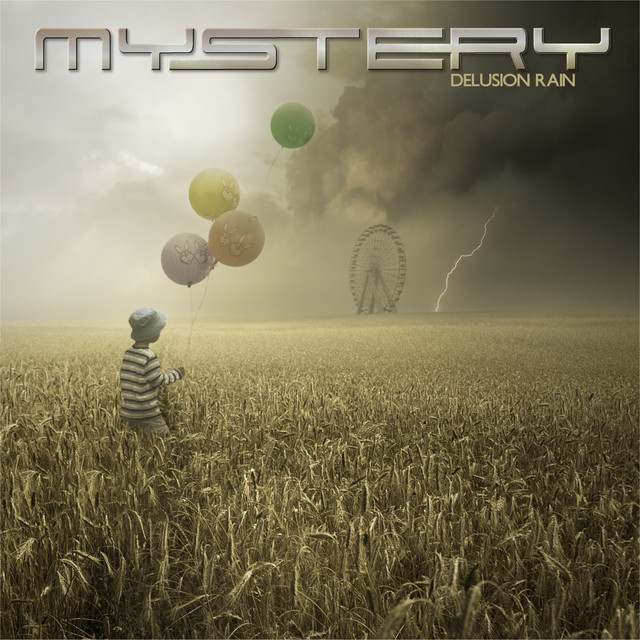
Delusion Rain
Mystery
Deep Progressive Rock
Progressive Rock
Rock
2012
2
/5
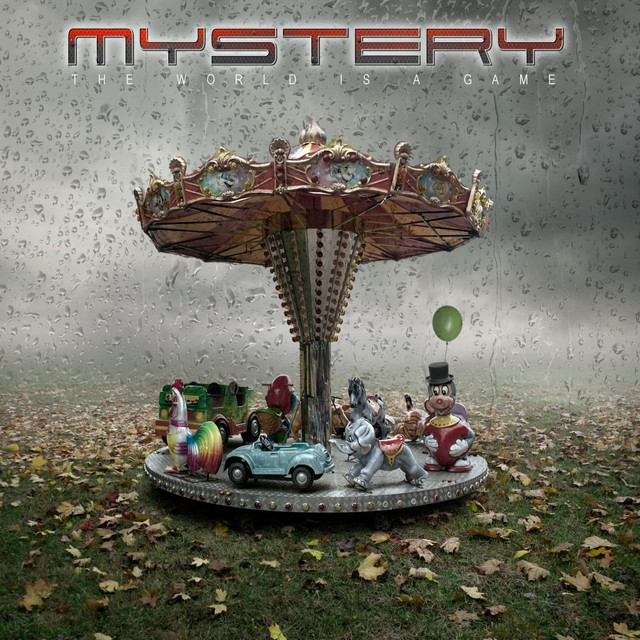
The World Is a Game
Mystery
Neo-Progressive Rock
Deep Progressive Rock
Progressive Rock
2010
3
/5
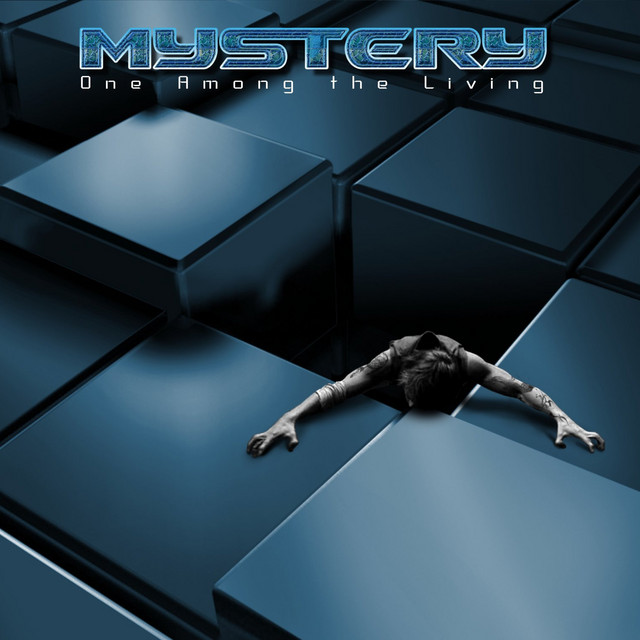
One Among the Living
Mystery
Deep Progressive Rock
Hard Rock
Progressive Rock
Similar artists
3
/5
Jethro Tull
Progressive Rock
Classic Rock
Rock
3
/5
Vulkan
Progressive Rock
Deep Progressive Rock
Progressive Metal
5
/5
Pink Floyd
Art Rock
Progressive Rock
Rock
4
/5
Genesis
Progressive Rock
Art Rock
Symphonic Rock
4
/5
Rush
Progressive Rock
Hard Rock
Rock
4
/5
King Crimson
Art Rock
Jazz Rock
Progressive Rock
4
/5
Supertramp
Progressive Rock
Art Rock
Glam Rock
4
/5
Polyphia
Instrumental Rock
Progressive Metal
Math Rock
3
/5
Anathema
Progressive Doom
Progressive Rock
Alternative Rock
4
/5
Yes
Progressive Rock
Art Rock
Rock
Download our mobile app
Get the Melodigging app and start digging for new genres on the go
Download on the App Store
Get it on Google Play
© 2026 Melodigging
Give feedback
Legal
Melodding was created as a tribute to
Every Noise at Once
, which inspired us to help curious minds keep digging into music's ever-evolving genres.