Genres
Artists
Albums
Make Music
Sign in
Sign in
Artists
Texas Blues
Artists
Texas Blues
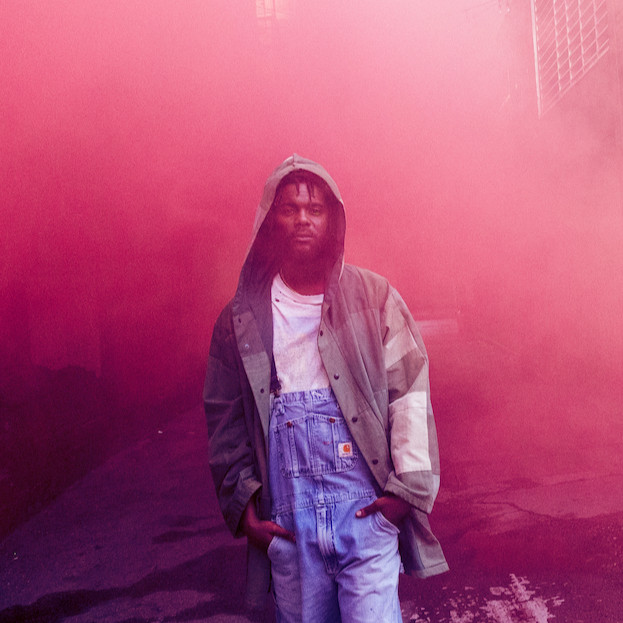
Gary Clark Jr.
2011–2024
·
12 albums
Listen
3
/5
Genres
Gaian Doom
Gaian doom is a doom-metal offshoot that fuses the genre’s glacial tempos and colossal low-end with eco-spiritual themes, nature soundscapes, and droning textures. It often foregrounds the relationship between humanity and the biosphere, evoking forests, mountains, oceans, and cycles of decay and renewal. Musically, it draws from drone and post-metal’s long-form crescendos, sludge’s weight, and dark ambient’s textural depth. Field recordings (wind, water, birds, rain) and acoustic timbres (hand percussion, bowed instruments, harmonium) are layered around downtuned riffs to create a ritual, earth-centric atmosphere. Lyrics tend to be mythopoetic, animist, or ecological, emphasizing Gaia as a living, interdependent system.
Discover
Listen
Northern Gothic
Northern gothic is a modern recontextualization of gothic sensibility rooted in the post‑industrial landscapes, politics, and culture of 21st‑century Northern England. It blends post‑punk austerity, industrial and dark ambient textures, hauntological memory work, and stark folk storytelling. The sound often evokes mills, moorland, sea ports, terraces, and cooling towers—spaces marked by deindustrialization—through tape patina, reverberant spaces, modular drones, and vernacular narratives. Compared with classic goth, it is less theatrical and more documentary or folkloric in tone, prioritizing regional specificity, minimalism, and social realism.
Discover
Listen
Bossbeat
Bossbeat is an internet‑born, high‑octane branch of EDM tailored to evoke the intensity of a video‑game “boss fight.” Producers fuse modern dubstep and trap sound design with melodic, leitmotif‑driven writing borrowed from video game music and film scoring, aiming for cinematic build‑ups and explosive, riff‑like drops. Characteristic features include minor‑key motifs, fast and syncopated percussion, halftime switch‑ups, aggressive bass design (growls, reeses, metallic FM), and hybrid orchestral layers (brass stabs, choirs, epic drums). The result is music that feels both dance‑floor ready and narratively dramatic—perfect for action montages, game content, and creator culture.
Discover
Listen
Ghetto Funk
Ghetto funk is a mid‑tempo, breakbeat-driven style that fuses classic funk, soul, and disco samples with modern bass music sound design. It typically sits around 100–112 BPM and pairs swinging drum breaks with chunky, wobbling basslines and hip‑hop style vocal chops. Emerging from the UK’s breaks and nu‑funk scenes, the genre celebrates crate‑digging aesthetics—horn stabs, guitar licks, talkbox hooks—while using contemporary production tools like aggressive saturation, multiband compression, and LFO‑modulated bass. The result is party‑ready, DJ‑friendly tracks that feel both retro and fresh: the attitude of hip hop, the groove of funk, and the weight of modern bass music.
Discover
Listen
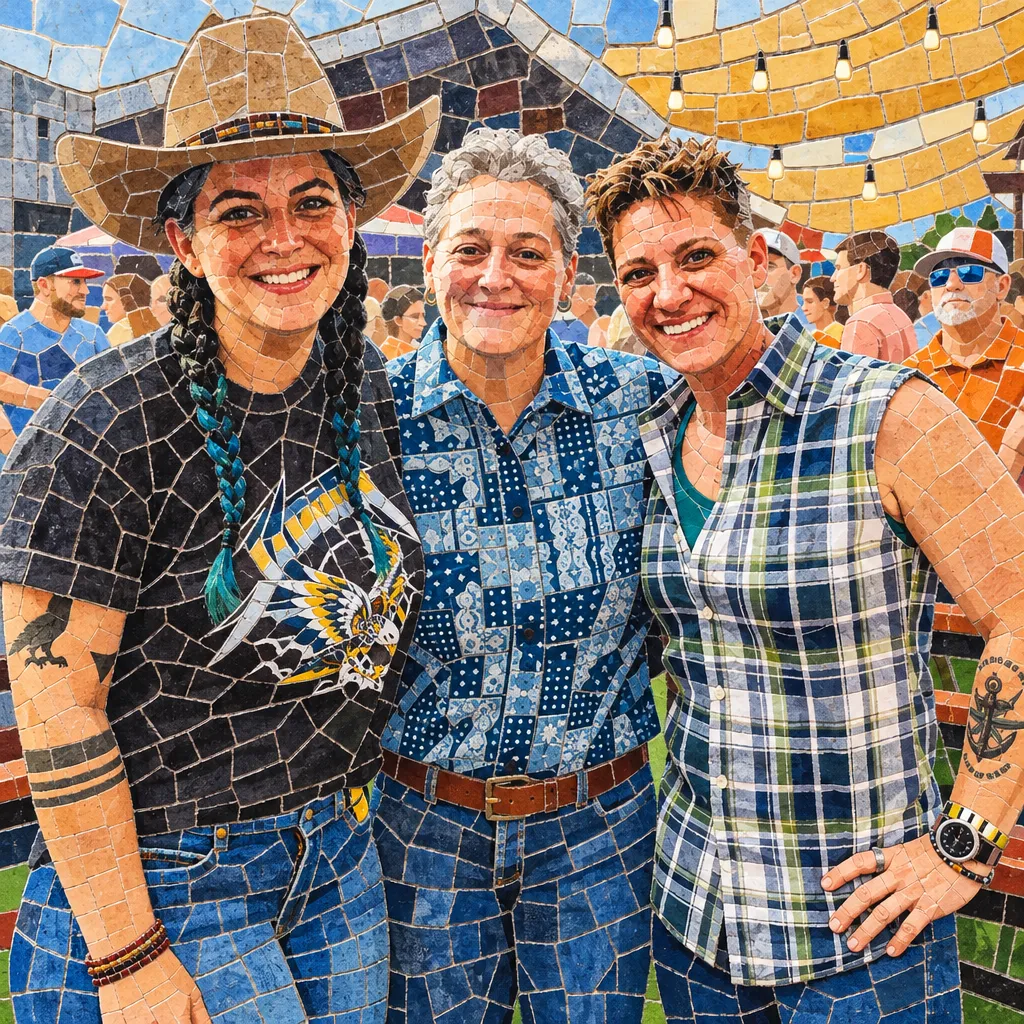
Queer Country
Queer country is a contemporary movement within country and Americana that centers LGBTQ+ voices, stories, and aesthetics while keeping strong ties to classic country songwriting, instrumentation, and vocal styles. Musically, it often draws from traditional country, outlaw country, honky-tonk, and folk-country, but its defining feature is lyrical perspective: songs about queer love, gender expression, chosen family, rural/working-class life, and the tension between tradition and belonging. Rather than being a single fixed sound, queer country is best understood as a scene and cultural re-framing of country music—one that challenges the genre’s historic heteronormativity while celebrating its narrative power and community roots.
Discover
Listen
Southern Americana
Southern Americana is a regional strain of Americana rooted in the musical vernacular of the U.S. South. It blends songwriting-first aesthetics with the organic textures of country, folk, and blues, and the swagger of Southern rock. Typical recordings feature warm, lived‑in tones: Telecasters and acoustic guitars alongside pedal steel, Hammond organ, fiddle, mandolin, and harmony vocals. Lyrically it is grounded in place—small towns, highways, kudzu, pine line horizons—and in the South’s complicated histories of faith, work, love, and loss. The groove ranges from back‑porch shuffles and waltzes to swampy, slow‑burn rhythms, keeping the focus on stories and melody rather than studio gloss.
Discover
Listen
Modern Blues
Modern blues is a contemporary evolution of traditional and electric blues that embraces current songwriting, studio techniques, and cross-genre collaboration. It preserves the core blues vocabulary—blue notes, call-and-response phrasing, and 12‑bar and minor‑blues forms—while integrating elements of rock, soul, funk, and even pop and hip hop production. Sonically, modern blues favors saturated but articulate electric guitar tones, prominent backbeat drums, thick bass, and tasteful keys or organ. Lyrically it updates classic themes of struggle, love, resilience, and place with present-day imagery and personal storytelling. The result is a style that feels rooted and authentic yet radio- and festival-ready.
Discover
Listen
Contemporary R&b
Contemporary R&B is a popular music genre that evolved from rhythm and blues and soul in the late 1970s, largely among African‑American musicians. It blends traditional R&B vocal stylings with elements of pop, funk, hip hop, and electronic music. The style is marked by soulful, passionate and often melismatic lead vocals; lush, smooth, frequently synthesized production; and a groove-first sensibility that can range from slow jams to club‑ready mid‑tempos. Since the 2010s, the incorporation of pop and electronic textures and production techniques has driven strands like electro‑R&B and helped expand the sound on global charts.
Discover
Listen
Blues Rock
Blues rock is a guitar-driven style that fuses the raw feeling and 12‑bar structures of the blues with the power, volume, and rhythmic punch of rock. It emphasizes riff-based songs, pentatonic and blues-scale soloing, call‑and‑response between voice and guitar, and an expressive, often gritty vocal delivery. Typical ensembles are power trios (guitar, bass, drums) or quartet formats adding second guitar, keyboards, or harmonica, and performances commonly feature extended improvisation. Sonically, it favors overdriven tube-amp tones, sustained bends, vibrato, and dynamic contrasts, moving from shuffles and boogies to straight‑eighth rock grooves.
Discover
Listen
Hard Rock
Hard rock is a loud, riff-driven style of rock music built around heavily amplified electric guitars, a powerful rhythm section, and assertive vocals. Songs typically center on memorable, blues-based guitar riffs, strong backbeats, and energetic, often shouted or belted choruses. The genre emphasizes power, groove, and visceral impact over intricate harmony or extended improvisation. Distortion, power chords, pentatonic melodies, and call‑and‑response between vocals and guitar are core traits, while lyrical themes often explore rebellion, lust, swagger, escape, and cathartic release.
Discover
Listen
Soul Blues
Soul blues is a hybrid of electric blues and Southern soul that foregrounds gospel-inflected vocals, horn-driven arrangements, and blues-based song forms. It typically features gritty, emotive singing over mid-tempo grooves, with Hammond organ, punchy horn stabs, and guitar fills weaving around I–IV–V progressions broadened by rich 7ths, 9ths, and 13ths. Lyrically, it focuses on love, heartbreak, resilience, and real-life struggles, delivered with the testifying fervor of the church and the storytelling directness of the blues.
Discover
Listen
Rock
Rock is a broad family of popular music centered on amplified instruments, a strong backbeat, and song forms that foreground riffs, choruses, and anthemic hooks. Emerging from mid‑20th‑century American styles like rhythm & blues, country, and gospel-inflected rock and roll, rock quickly expanded in scope—absorbing folk, blues, and psychedelic ideas—while shaping global youth culture. Core sonic markers include electric guitar (often overdriven), electric bass, drum kit emphasizing beats 2 and 4, and emotive lead vocals. Rock songs commonly use verse–chorus structures, blues-derived harmony, and memorable melodic motifs, ranging from intimate ballads to high‑energy, stadium‑sized performances.
Discover
Listen
Rock And Roll
Rock and roll is a high-energy, dance-oriented popular music style that emerged in the United States in the early-to-mid 1950s. It fuses the 12‑bar blues and boogie‑woogie with the backbeat and instrumentation of rhythm & blues, the twang and storytelling of country, and the fervor of gospel. Its hallmark sound centers on a strong backbeat (accented on beats 2 and 4), driving rhythm sections, electric guitar riffs, prominent piano or saxophone leads, and catchy, chorus-forward songwriting. Typical harmonies revolve around I–IV–V progressions, often in 12-bar form, with swung or shuffle feels and punchy turnarounds. Culturally, rock and roll catalyzed a youth movement linked to dancing, teen identity, and social change. It bridged racial audiences by popularizing Black American musical traditions for mainstream listeners, and it laid the foundation for subsequent rock styles and much of modern pop.
Discover
Listen
Soul
Soul is a genre of popular music that blends the spiritual fervor and vocal techniques of African‑American gospel with the grooves and song forms of rhythm & blues and the harmonic palette of jazz and blues. It is defined by impassioned, melismatic lead vocals; call‑and‑response with backing singers; handclaps and a strong backbeat; syncopated bass lines; and memorable horn or string riffs. Typical instrumentation includes drum kit, electric bass, electric guitar, piano or Hammond organ, horns (trumpet, saxophone, trombone), and sometimes orchestral strings. Lyrically, soul ranges from love and heartbreak to pride, social commentary, and spiritual yearning. Regionally distinct scenes—such as Detroit’s Motown, Memphis/Stax, Muscle Shoals, Chicago, New Orleans, and Philadelphia—shaped different flavors of soul, while the style’s emotional directness and rhythmic drive made it a cornerstone of later funk, disco, contemporary R&B, and hip hop.
Discover
Listen
Electric Blues
Electric blues is a postwar evolution of the blues that centers on amplified instruments and a compact, urban band sound. It emerged when rural blues musicians brought their music to industrial cities and adopted electric guitar, amplified harmonica, bass, drums, and piano to cut through noisy clubs. Musically, electric blues relies on 12‑bar and 8‑bar forms, dominant‑7th harmony, and a swung shuffle or boogie groove. Guitarists use string bends, wide vibrato, double‑stops, turnarounds, and call‑and‑response with vocals and harmonica. Amplified harmonica (often through a bullet mic and small tube amp) acts like a lead horn, trading riffs with the guitar. The sound is thick, gritty, and vocal, with tube‑amp breakup, subtle reverb, and sometimes tremolo. Lyrically, themes cover migration, love and betrayal, work and hardship, and the pulse of city life. Regionally, Chicago became the emblem of the style, but strong variants also blossomed in Memphis, Detroit, and Texas.
Discover
Listen
Texas Blues
Texas blues is a regional style of American blues that began with acoustic, itinerant singer–guitarists in the 1920s and evolved into a distinctive electric, guitar-forward sound by the 1940s and 1950s. It blends the storytelling and open-road feel of country blues with jazz-influenced harmony, swing rhythms, and boogie-woogie drive. Melodic single-note lines, fluid bends, and crisp, rhythmic shuffles are hallmarks, whether played solo on acoustic guitar (early era) or through cranked tube amps with a Stratocaster bite (later era). Across decades—from Blind Lemon Jefferson to T-Bone Walker, Lightnin’ Hopkins, and Stevie Ray Vaughan—the style has stayed rooted in I–IV–V blues forms while embracing a strong groove, spacious phrasing, major–minor pentatonic mixtures, and a confident, expressive guitar voice.
Discover
Listen
Blues
Blues is an African American musical tradition defined by expressive "blue notes," call-and-response phrasing, and a characteristic use of dominant-seventh harmony in cyclical song forms (most famously the 12‑bar blues). It is as much a feeling as a form, conveying sorrow, resilience, humor, and hard-won joy. Musically, blues commonly employs the I–IV–V progression, swung or shuffled rhythms, and the AAB lyric stanza. Melodies lean on the minor/major third ambiguity and the flattened fifth and seventh degrees. Core instruments include voice, guitar (acoustic or electric), harmonica, piano, bass, and drums, with slide guitar, bends, and vocal melismas as signature techniques. Over time the blues has diversified into regional and stylistic currents—Delta and Piedmont country blues, urban Chicago and Texas blues, West Coast jump and boogie-woogie—while profoundly shaping jazz, rhythm & blues, rock and roll, soul, funk, and much of modern popular music.
Discover
Listen
Show all 17 genres
Albums
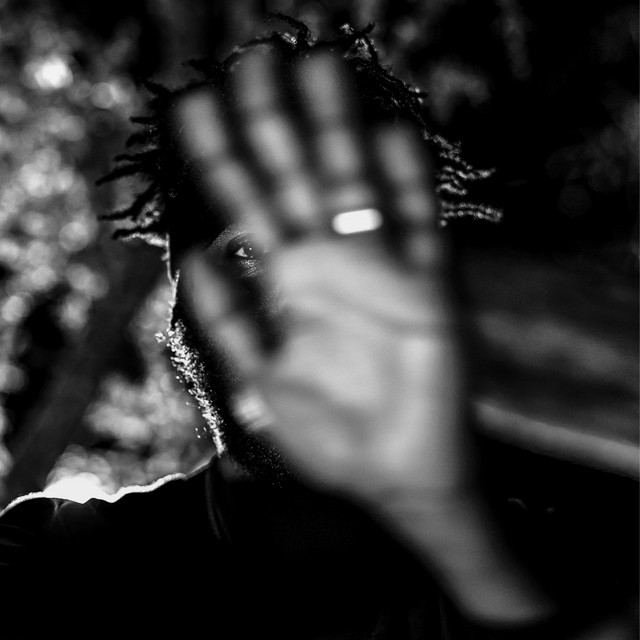
2024
2
/5
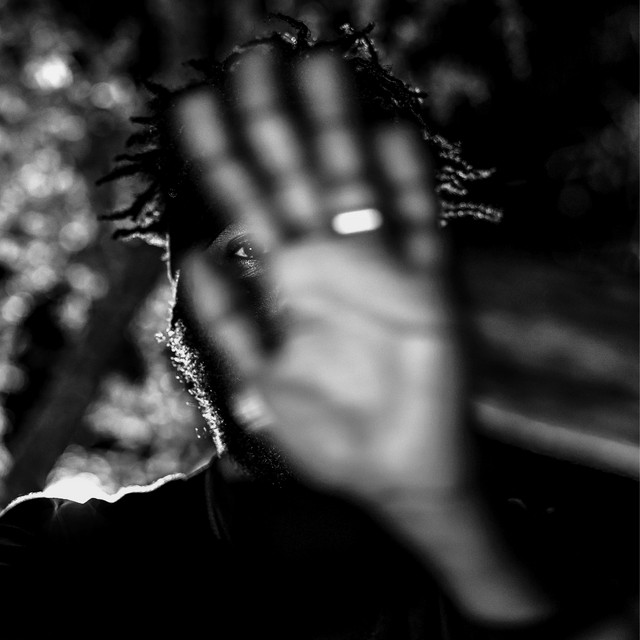
JPEG RAW
Gary Clark Jr.
Texas Blues
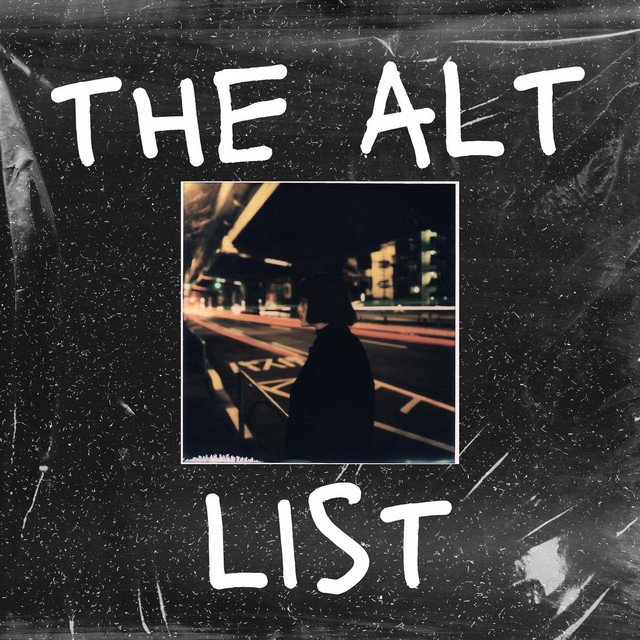
2024
1
/5
The Alt List
Gary Clark Jr.
Texas Blues
2024
1
/5
Habits
Gary Clark Jr.
Texas Blues
Electric Blues
2022
1
/5
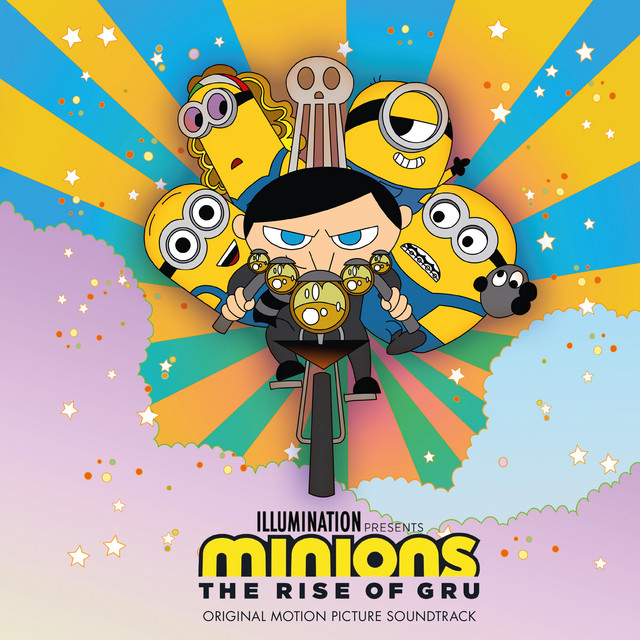
Vehicle (From 'Minions: The Rise of Gru' Soundtrack)
Gary Clark Jr.
Texas Blues
2019
3
/5
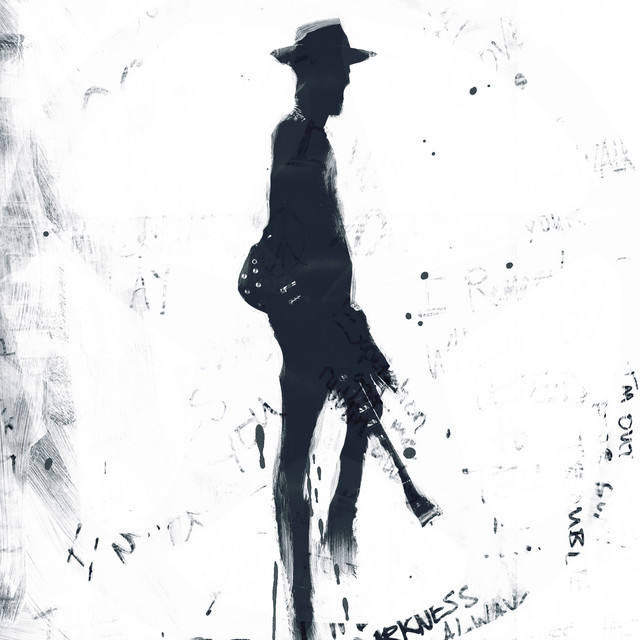
This Land
Gary Clark Jr.
Texas Blues
Blues
Rock
2019
2
/5
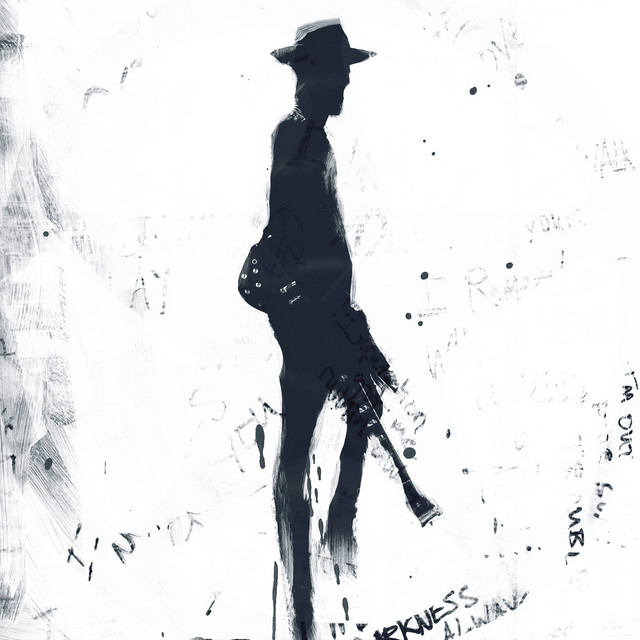
This Land
Gary Clark Jr.
Texas Blues
Rock
2016
2
/5
Take Me Down
Gary Clark Jr.
Texas Blues
Electric Blues
2015
3
/5
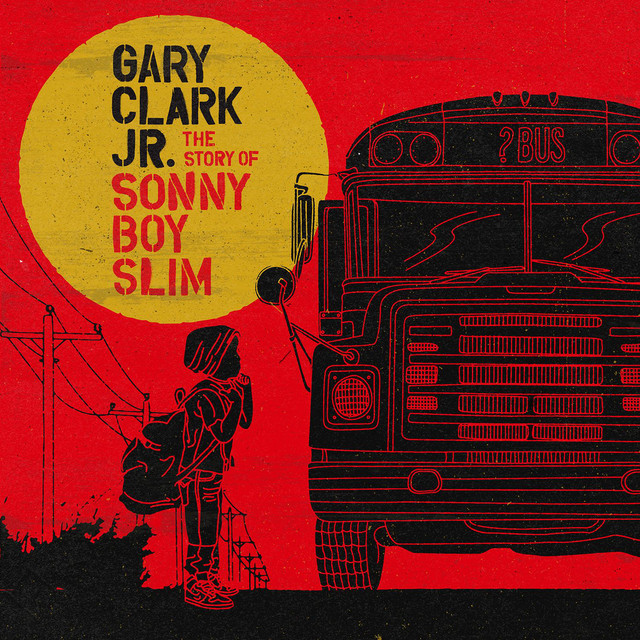
The Story of Sonny Boy Slim
Gary Clark Jr.
Texas Blues
2014
3
/5
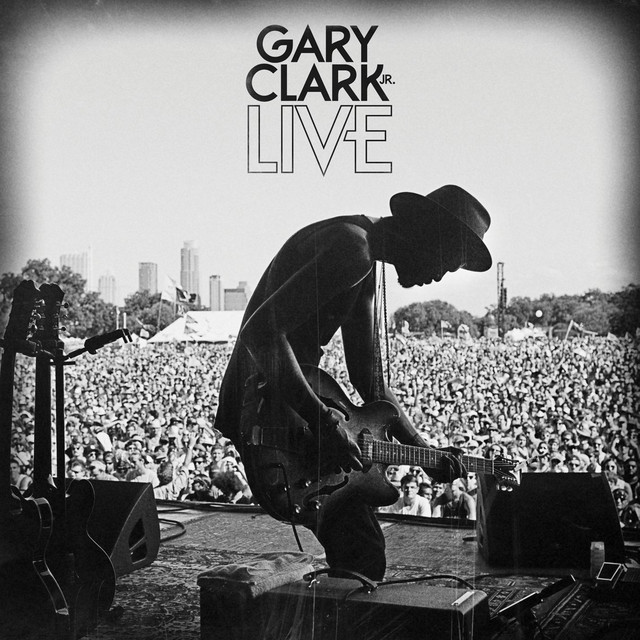
Gary Clark Jr. Live
Gary Clark Jr.
Texas Blues
2012
3
/5
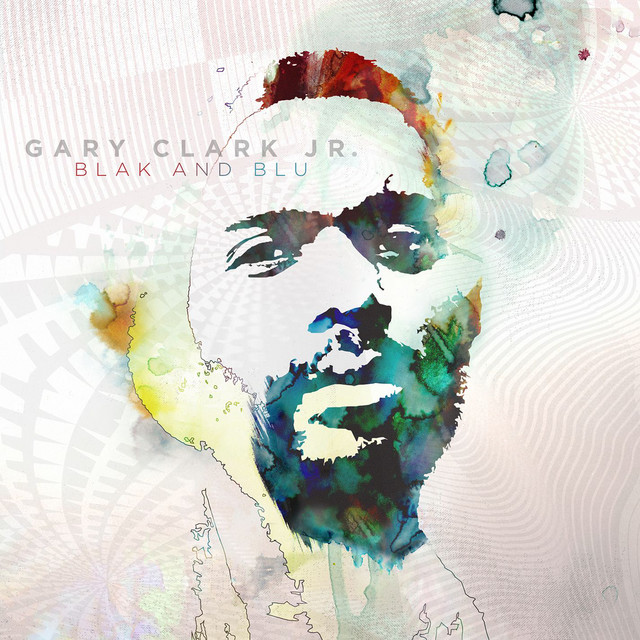
Blak and Blu (Deluxe Edition)
Gary Clark Jr.
Texas Blues
Blues
Hard Rock
2011
3
/5
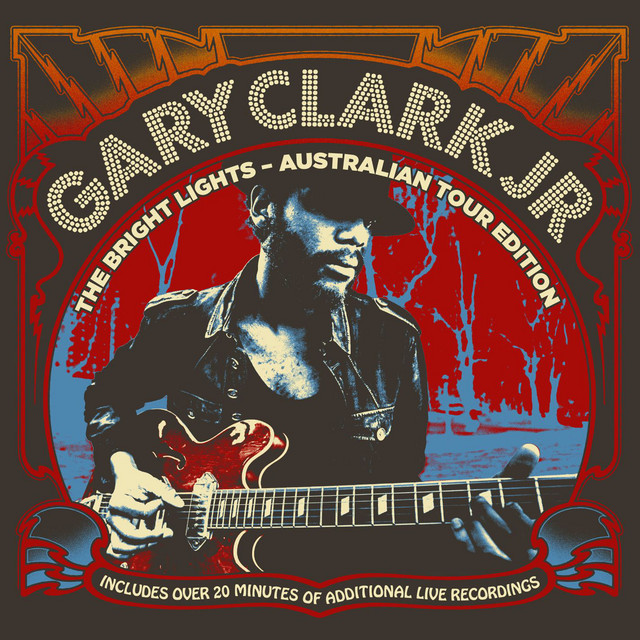
The Bright Lights
Gary Clark Jr.
Texas Blues
2011
3
/5
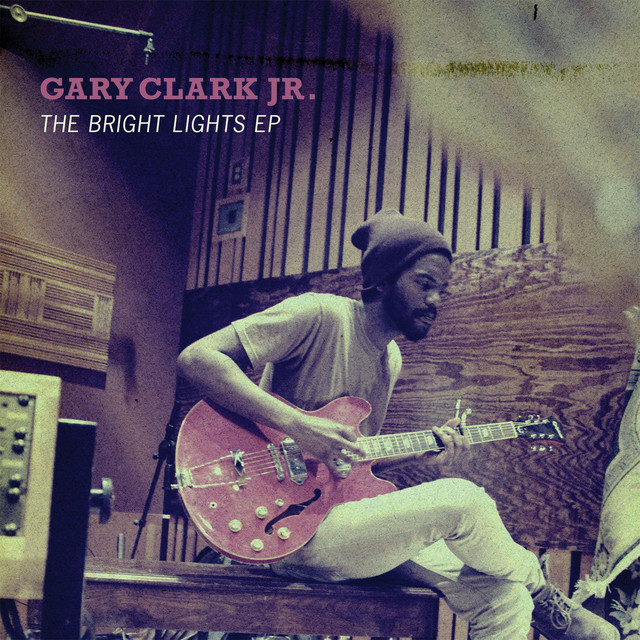
The Bright Lights EP
Gary Clark Jr.
Texas Blues
Blues
Blues Rock
Similar artists
4
/5
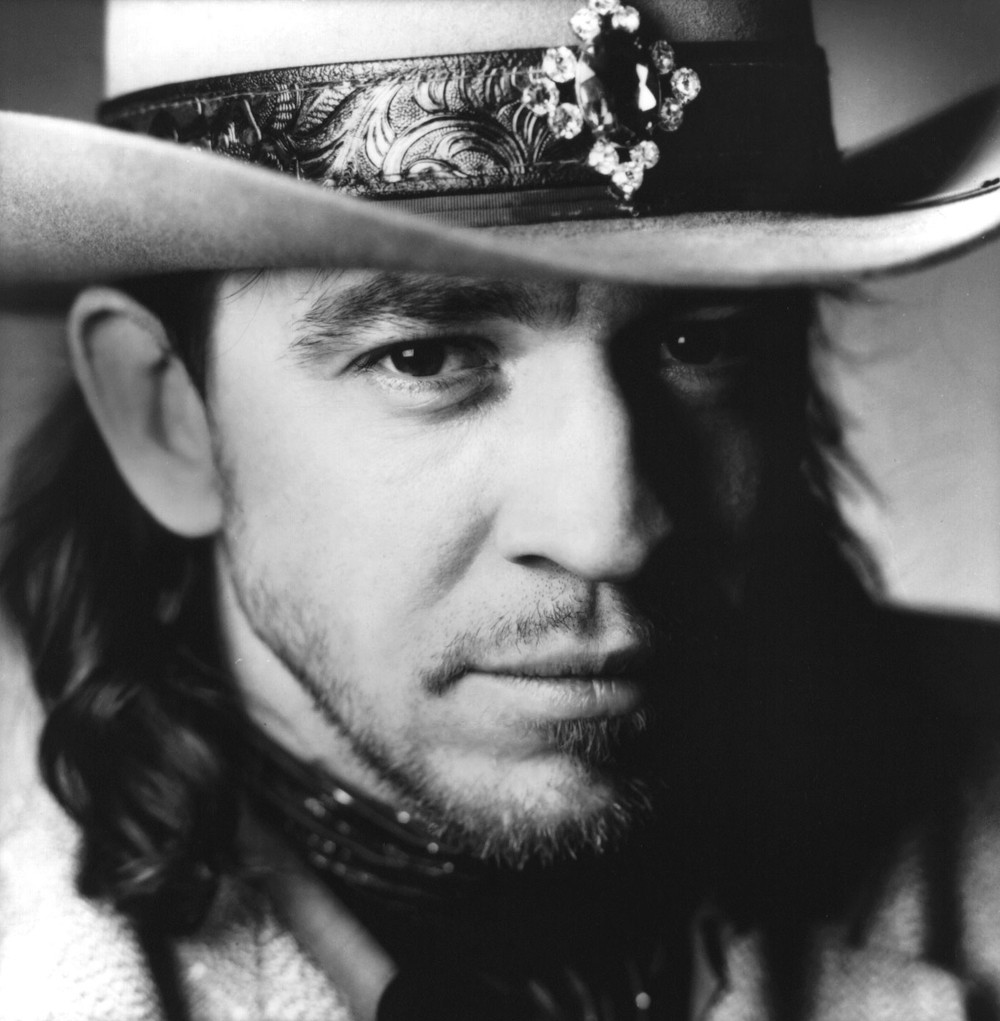
Stevie Ray Vaughan
Blues Rock
Texas Blues
Blues
3
/5
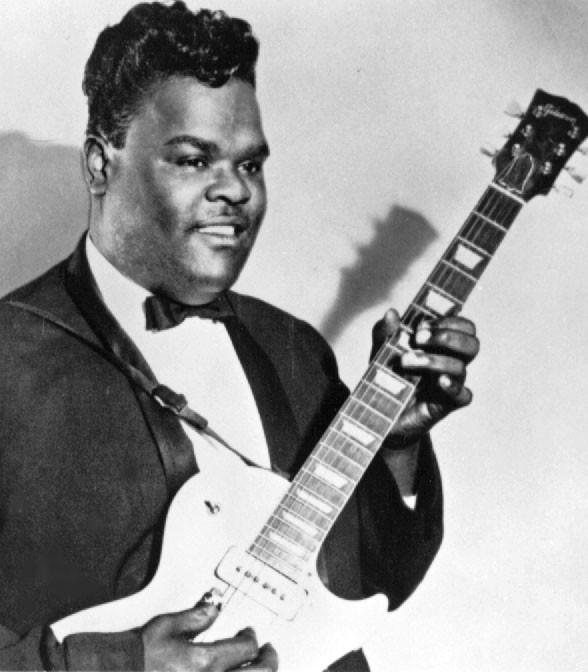
Freddie King
Blues
Texas Blues
Electric Texas Blues
1
/5
Various Artists
Afro-Funk
Alternative Rock
Ambient
3
/5
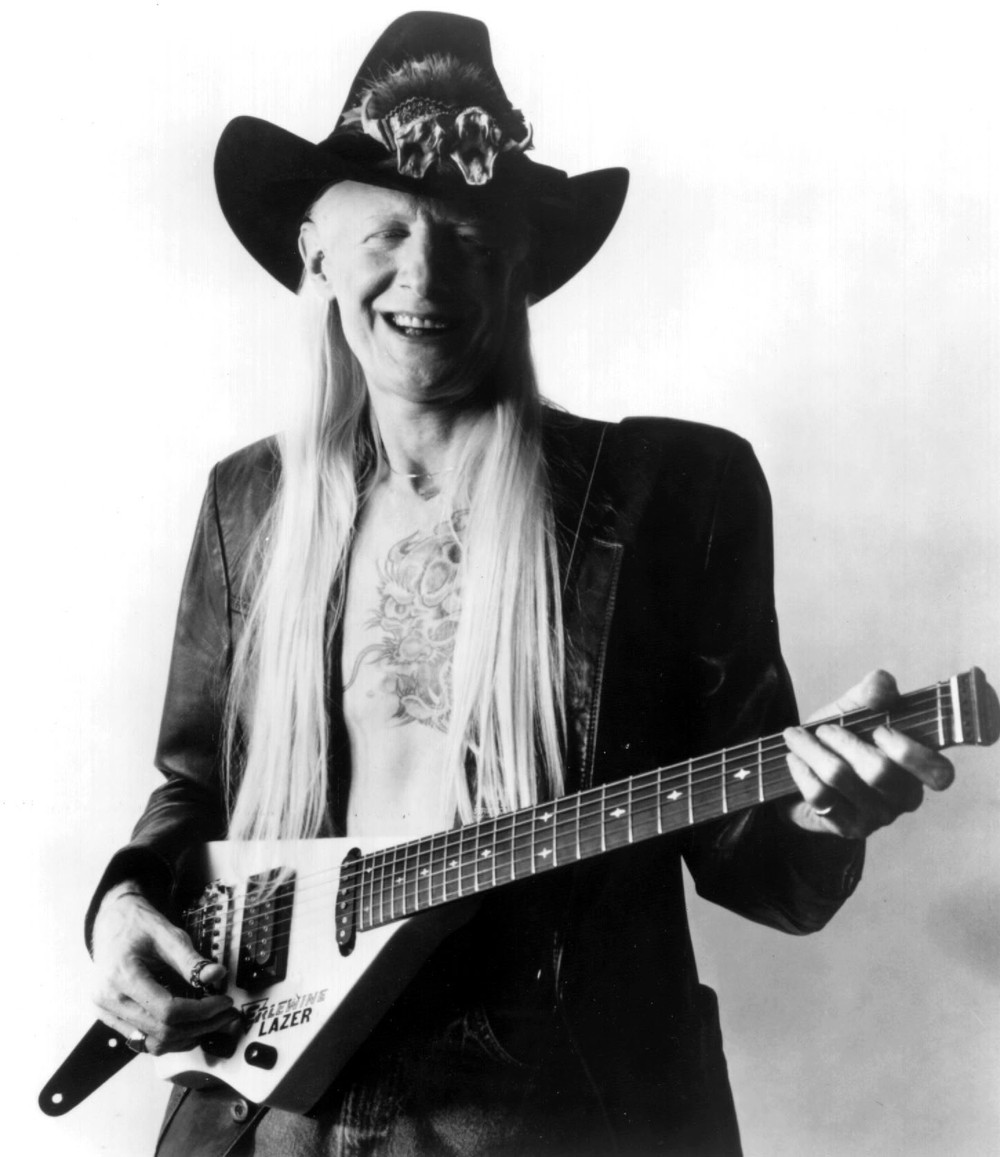
Johnny Winter
Blues
Blues Rock
Electric Texas Blues
3
/5
Buddy Guy
Blues
Chicago Blues
Electric Blues
3
/5
The Fabulous Thunderbirds
Blues
Blues Rock
Electric Texas Blues
4
/5
Eric Clapton
Electric Blues
Blues
Blues Rock
3
/5
John Lee Hooker
Delta Blues
Blues
Country Blues
3
/5
Tony Joe White
Louisiana Blues
Swamp Blues
Swamp Rock
3
/5
Muddy Waters
Blues
Chicago Blues
Electric Blues
Download our mobile app
Get the Melodigging app and start digging for new genres on the go
Download on the App Store
Get it on Google Play
© 2026 Melodigging
Give feedback
Legal
Melodding was created as a tribute to
Every Noise at Once
, which inspired us to help curious minds keep digging into music's ever-evolving genres.