Genres
Artists
Albums
Make Music
Sign in
Sign in
Artists
Post-Punk
Artists
Post-Punk
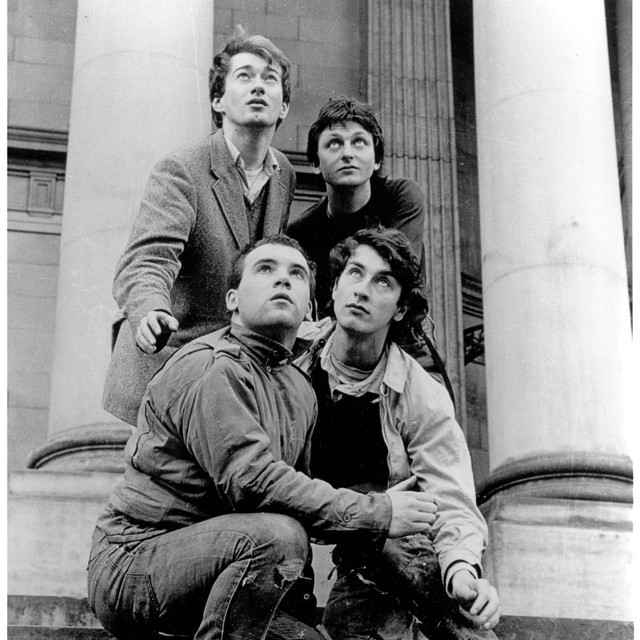
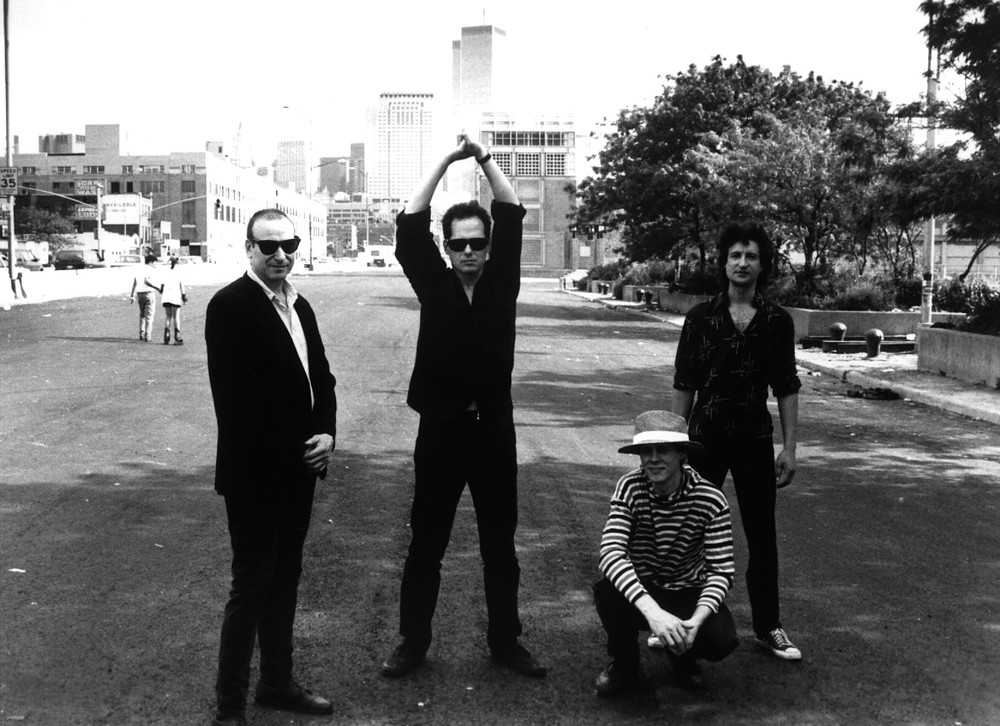
Gang Of Four
1979
·
2 albums
Listen
3
/5
Genres
Modern Indie Folk
Modern indie folk is a 2010s-era evolution of indie folk that blends intimate, acoustic songwriting with contemporary production aesthetics. It keeps the core of folk—storytelling, fingerpicked guitars, and close-miked vocals—but expands the palette with ambient textures, chamber-style strings, subtle electronics, cinematic reverb, and spacious, headphone-first mixes. The result is a sound that feels both handcrafted and atmospheric: confessional lyrics carried by hushed deliveries, layered harmonies, and warm analog or tape-like saturation, often moving between 4/4 and swaying 6/8/12/8 meters. At its center are themes of memory, nature, relationships, and quiet self-reckoning, expressed through vivid imagery and minimalist arrangements that bloom into emotive crescendos.
Discover
Listen
Classify
Classify is a streaming-era microgenre that blends light classical technique with contemporary pop repertoire, typically presented as unobtrusive instrumental covers. It prioritizes soft dynamics, gentle tempos, and intimate recording to create a calm, elegant backdrop suitable for studying, working, or events. Most arrangements are for solo piano, string quartet, cello/piano duos, or small chamber ensembles. Harmonies remain diatonic and consonant, melodies are clearly voiced, and textures favor arpeggios, ostinati, and sustained legato lines. The overall aesthetic borrows from modern classical and new age moods while retaining the familiarity of pop song forms.
Discover
Listen
J-Division
J-division is a contemporary Japanese media‑mix pop and hip‑hop scene centered on “2.5D” idol projects and voice‑actor (seiyu) character units. Songs are typically credited to fictional characters and performed by their voice actors, fusing glossy J‑pop with EDM drops, trap‑influenced beats, and anison (anime song) theatricality. The “division” idea reflects franchise formats that pit city‑ or team‑based units against one another in story‑driven releases, live events, and stage productions. The sound ranges from bright, dance‑floor J‑pop to cypher‑style rap tracks, often featuring tightly choreographed hooks, stacked harmonies, dramatic key changes, and narrative lyrics that extend a franchise’s worldbuilding.
Discover
Listen
Modern Goth
Modern goth is a contemporary evolution of the original goth and darkwave aesthetics, blending post-punk basslines, reverb-drenched guitars, and analog synth textures with current production practices. It favors minor-key harmonies, baritone or breathy vocals, and skeletal drum-machine patterns that evoke a cinematic, nocturnal mood. Compared with 1980s forebears, modern goth leans more heavily on synthesizers, EBM-adjacent grooves, and minimalist arrangements, often shaped by DIY, modular, and bedroom-production workflows. The result is a sound that is dancefloor-friendly yet introspective, simultaneously cold, romantic, and starkly modern.
Discover
Listen
Egg Punk
Egg punk is a lo‑fi, synth‑laced, jittery offshoot of punk that embraces awkwardness, absurdist humor, and devolved futurism. It tends to favor short, tightly wound songs driven by springy bass, trebly guitars, cheap drum machines, and buzzing monosynths, with nasal or deadpan vocals. The sound references first‑wave new wave and Devo‑style art punk as much as it does budget garage punk, swapping macho toughness for geeky, rubbery energy. Releases are typically DIY—4‑track or cassette‑recorded—and circulate through small labels, Bandcamp, and tape trades.
Discover
Listen
Connecticut Indie
Connecticut indie is a regional strain of U.S. indie rock that blends the heartfelt directness of emo-revival with the fuzzy guitars, DIY ethics, and adventurous textures of New England’s underground. Rooted in college-town and small-city scenes (Middletown, New Haven, Willimantic, Hartford), the sound swings between twinkly, lyrically confessional indie and louder, shoegaze- or noise-tinged guitar rock. You’ll hear gang-vocal catharsis, transparent production that favors live-room energy, and occasional orchestral or synth flourishes that reflect the area’s art-school and experimental leanings. While it is geographically defined, the micro-scene’s bands networked nationally through house shows, small labels, and online communities, making Connecticut indie both locally grounded and widely connected.
Discover
Listen
Seapunk
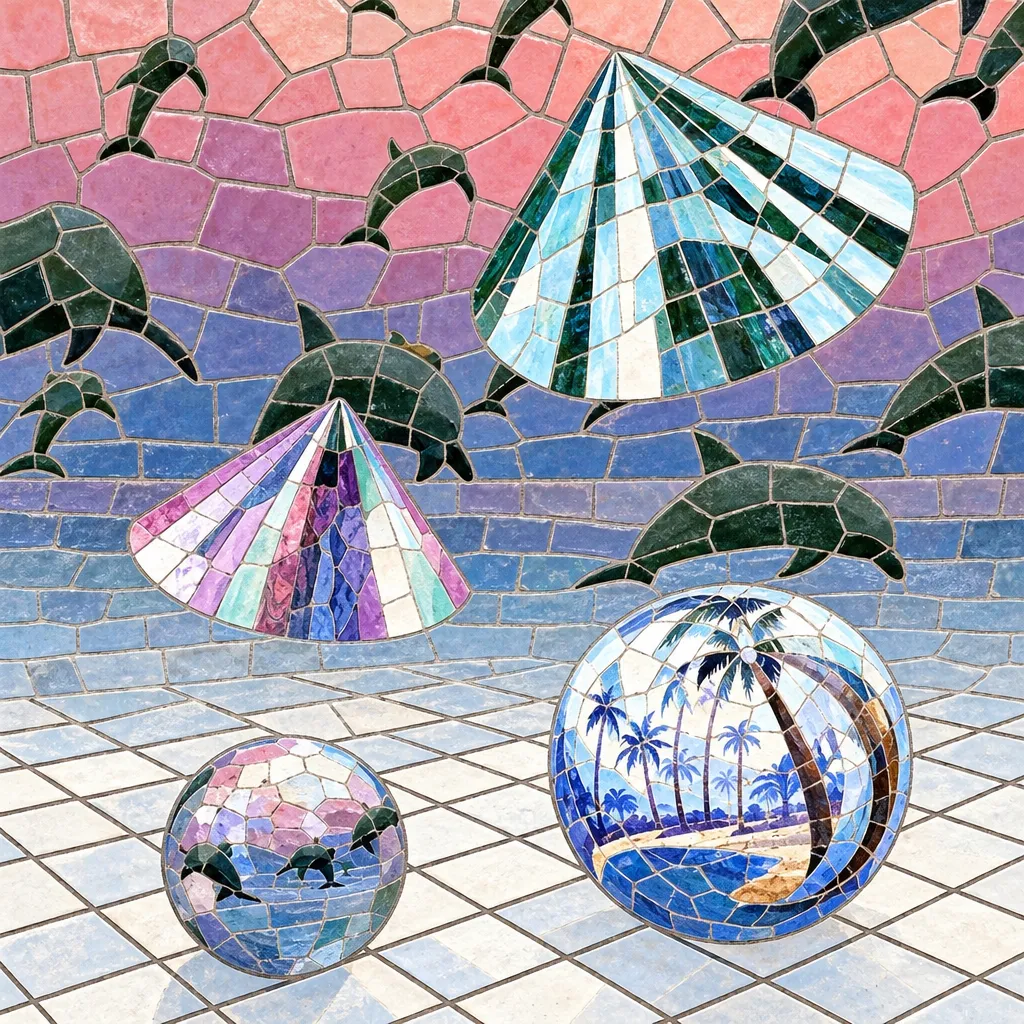
Seapunk is an early-2010s internet-born microgenre and multimedia aesthetic that fuses retro-rave sonics with Y2K-era, ocean-themed visuals. Its sound blends 1990s house and trance riffs, chopped-and-screwed and vaporwave-adjacent sampling, splashy 808/909 drums, and glossy, “watery” synth textures. The visual world is as important as the music: turquoise/teal palettes, 3D chrome dolphins, coral gradients, pixel seas, and GIF-era net art. Together, these define a playful, nostalgic, and cyber-aquatic identity that celebrates both rave euphoria and web-native DIY culture.
Discover
Listen
Alternative Dance
Alternative dance blends the textures and songwriting of alternative rock and post‑punk with club‑oriented rhythms and production. Born in the UK at the cusp of the late 1980s “Second Summer of Love,” it embraced house/acid house grooves, sequenced bass lines, and sampling while keeping indie sensibilities, guitars, and song structures. The result is music that works on a dancefloor but still reads like an alternative single. Typical hallmarks include four‑on‑the‑floor or breakbeat drums, jangly or funky guitars, prominent bass (often synth), euphoric pads, and hook‑forward vocals. Landmark albums like New Order’s Technique and Primal Scream’s Screamadelica helped define its palette and ethos.
Discover
Listen
Post-Punk
Post-punk is a broadly experimental strain of rock that emerged in the late 1970s as artists sought to push beyond the speed, simplicity, and orthodoxy of first-wave punk. It typically features angular, bass-forward grooves; jagged or minimal guitar lines; stark, spacious production; and an openness to dub, funk, electronic, and avant-garde ideas. Lyrics often examine alienation, urban decay, politics, and the inner life with artful or abstract delivery. A studio-as-instrument approach, emphasis on rhythm section interplay, and an appetite for non-rock textures (tape effects, drum machines, found sound, synths) distinguish the style. The result can be danceable yet tense, cerebral yet visceral, and emotionally restrained yet intensely expressive.
Discover
Listen
Punk
Punk is a fast, abrasive, and minimalist form of rock music built around short songs, stripped-down instrumentation, and confrontational, anti-establishment lyrics. It emphasizes DIY ethics, raw energy, and immediacy over virtuosity, often featuring distorted guitars, shouted or sneered vocals, and simple, catchy melodies. Typical songs run 1–3 minutes, sit around 140–200 BPM, use power chords and basic progressions (often I–IV–V), and favor live, unpolished production. Beyond sound, punk is a cultural movement encompassing zines, independent labels, political activism, and a fashion vocabulary of ripped clothes, leather, and safety pins.
Discover
Listen
Dance-Punk
Dance-punk is a fusion of punk’s abrasive energy and attitude with the groove-forward rhythms of funk and disco. It favors tight, four-on-the-floor drum patterns, rubbery and syncopated bass lines, choppy, scratchy rhythm guitars, and percussion accents like cowbell and handclaps. Vocals are often shouted, talk-sung, or delivered with sardonic cool, and lyrics tend to be ironic, urban, and socially observant. A first wave emerged in the late 1970s and early 1980s alongside post-punk and no wave scenes (especially in New York and the UK), while a high-profile revival in the early 2000s (centered around DFA Records) brought analog synths, minimalist production, and indie-club sensibilities back to the fore.
Discover
Listen
Art Punk
Art punk is a strand of punk that embraces avant-garde methods, conceptual framing, and experimental songcraft while retaining punk’s immediacy and economy. It favors angular guitars, nonstandard song structures, and an art-school sensibility that treats the band as both a musical and visual project. Drawing on proto‑punk, art rock, and the downtown gallery/club scenes, art punk often features dissonance, spoken or affectless vocals, minimal or motorik grooves, and lyrics that are ironic, cerebral, or politically critical. The result is music that is fierce yet meticulously designed, marrying punk energy to avant-garde curiosity.
Discover
Listen
New Wave
New wave is a broad, pop-oriented umbrella for styles that emerged in the mid-to-late 1970s as a sleeker, more melodic outgrowth of punk culture. Initially, the term varied by region: in the United States it was first used by critics and labels (famously Sire Records’ “Don’t Call It Punk” campaign in 1977) to rebrand punk-associated artists with more radio-friendly aesthetics; in the United Kingdom it encompassed a wider constellation of fresh, stylish post-punk-era sounds. Over time, “new wave” became a catch‑all for hooky guitar pop, synth-driven songs, danceable rhythms, and modernist production sensibilities. Sonically, it blends tight, upbeat rhythms (often disco- and reggae-informed), clean chorus/flanger guitars, prominent synthesizers, and concise, hook-led songwriting. Its visual identity—sharp suits, futurist imagery, and fashion-forward presentation—was integral, aligning with the rise of music television and emphasizing art-school wit, irony, and modern urban themes.
Discover
Listen
Funk Rock
Funk rock is a hybrid style that fuses the syncopated grooves, percussive rhythm guitar, and deep pocket of funk with the distorted riffs, power, and song forms of rock. Typical tracks feature tight, 16th‑note rhythmic interplay between bass, drums, and rhythm guitar, while lead guitars and vocals deliver rock’s edge and attitude. The harmony often stays close to dominant 7th (Mixolydian) colors and blues vocabulary, keeping the groove front and center. The style ranges from psychedelic and P‑Funk‑inflected experiments of the late 1960s and 1970s to the punchy alternative and crossover sounds of the 1980s and 1990s, and it continues to inform dance‑oriented rock and genre‑blending bands today.
Discover
Listen
Proto-Punk
Proto-punk is a catch-all term for the raw, stripped-down rock that immediately preceded and inspired punk rock. It favors abrasive guitar tones, primitive drumming, short song forms, shouted or deadpan vocals, and lyrics steeped in alienation, anti-establishment anger, and street-level realism. Emerging from 1960s garage rock, avant-leaning art rock, and hard-edged rhythm & blues, proto-punk connected the chaos of early rock and roll with the urgency of the 1970s punk explosion. Its sound ranges from the Detroit ferocity of The Stooges and MC5 to the arty minimalism and noise experiments of The Velvet Underground.
Discover
Listen
Show all 15 genres
Albums
1979
3
/5
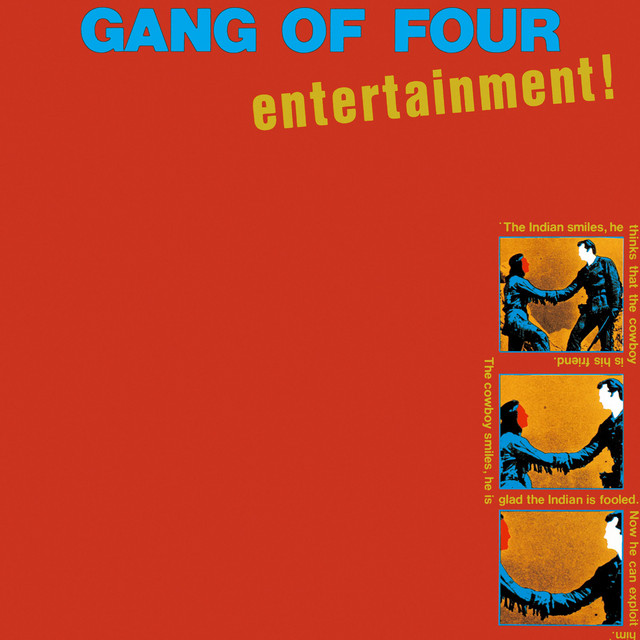
Entertainment!
Gang Of Four
Art Punk
Dance-Punk
Post-Punk
1979
1
/5
Entertainment!
Gang of Four
Dance-Punk
Post-Punk
Punk
Similar artists
1
/5
Various Artists
Afro-Funk
Alternative Rock
Ambient
4
/5
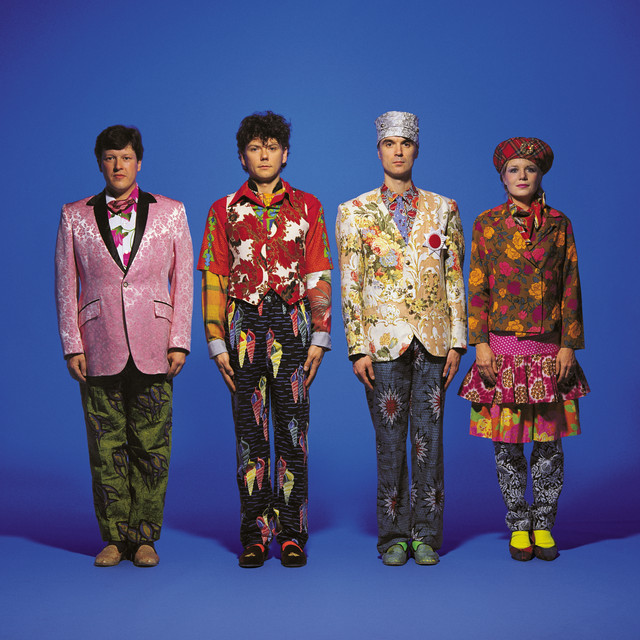
Talking Heads
Art Punk
New Wave
Post-Punk
3
/5
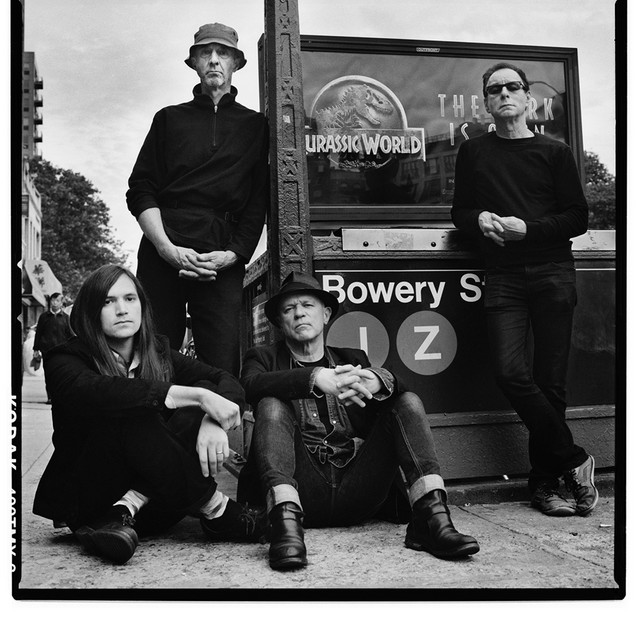
Wire
Art Punk
Post-Punk
Punk
3
/5
Viagra Boys
Post-Punk
Egg Punk
Rock
3
/5
The Fall
Post-Punk
New Wave
Rock
2
/5
The Slits
Post-Punk
Experimental Rock
No Wave
3
/5
IDLES
Noise Rock
Post-Punk
Crank Wave
3
/5
Television
Post-Punk
Art Rock
New Wave
3
/5
Minutemen
Hardcore Punk
No Wave
Post-Hardcore
3
/5
The Garden
Art Punk
Digital Horror
Experimental Rock
Download our mobile app
Get the Melodigging app and start digging for new genres on the go
Download on the App Store
Get it on Google Play
© 2026 Melodigging
Give feedback
Legal
Melodding was created as a tribute to
Every Noise at Once
, which inspired us to help curious minds keep digging into music's ever-evolving genres.