Genres
Artists
Albums
Make Music
Sign in
Sign in
Artists
Indo Jazz
Artists
Indo Jazz
Ganavya
2024–2025
·
3 albums
Listen
2
/5
Genres
Tamil Indie
Tamil indie is a contemporary independent music movement centered on Tamil-language songwriting outside the Kollywood film ecosystem. It blends global indie aesthetics—bedroom pop intimacy, indie rock guitars, dream-pop atmospherics, and electronic textures—with South Indian melodic sensibilities and Tamil lyrical poetics. Artists often draw on Carnatic ragas, folk grooves from Tamil Nadu, and urban gaana cadences, while embracing DIY production and digital-first release strategies. The scene is transnational, with hubs in Chennai and diasporic communities (Sri Lanka, Singapore, Malaysia), and thrives on YouTube, streaming platforms, and boutique labels/platforms that champion non-film Tamil music.
Discover
Listen
Indo Jazz
Indo jazz is a cross-cultural fusion that blends the melodic and rhythmic frameworks of Indian classical music with the improvisational language, ensemble formats, and harmonic vocabulary of jazz. Pioneered in mid-1960s London by the Indo‑Jazz Fusions projects of saxophonist Joe Harriott and composer‑violinist John Mayer, the style typically marries raga-based melodies, drone textures, and tala time cycles with jazz head–solo–head forms, modal harmony, and interactive improvisation. The palette often includes saxophone, piano, double bass, and drum set alongside tabla, sitar or violin, bansuri, and tanpura. The result is music that can be serene and meditative yet rhythmically intricate, moving fluidly between swing and straight feels while respecting the raga’s pitch set and ornamentation (meend, gamak, and microtonal inflections).
Discover
Listen
Spiritual Jazz
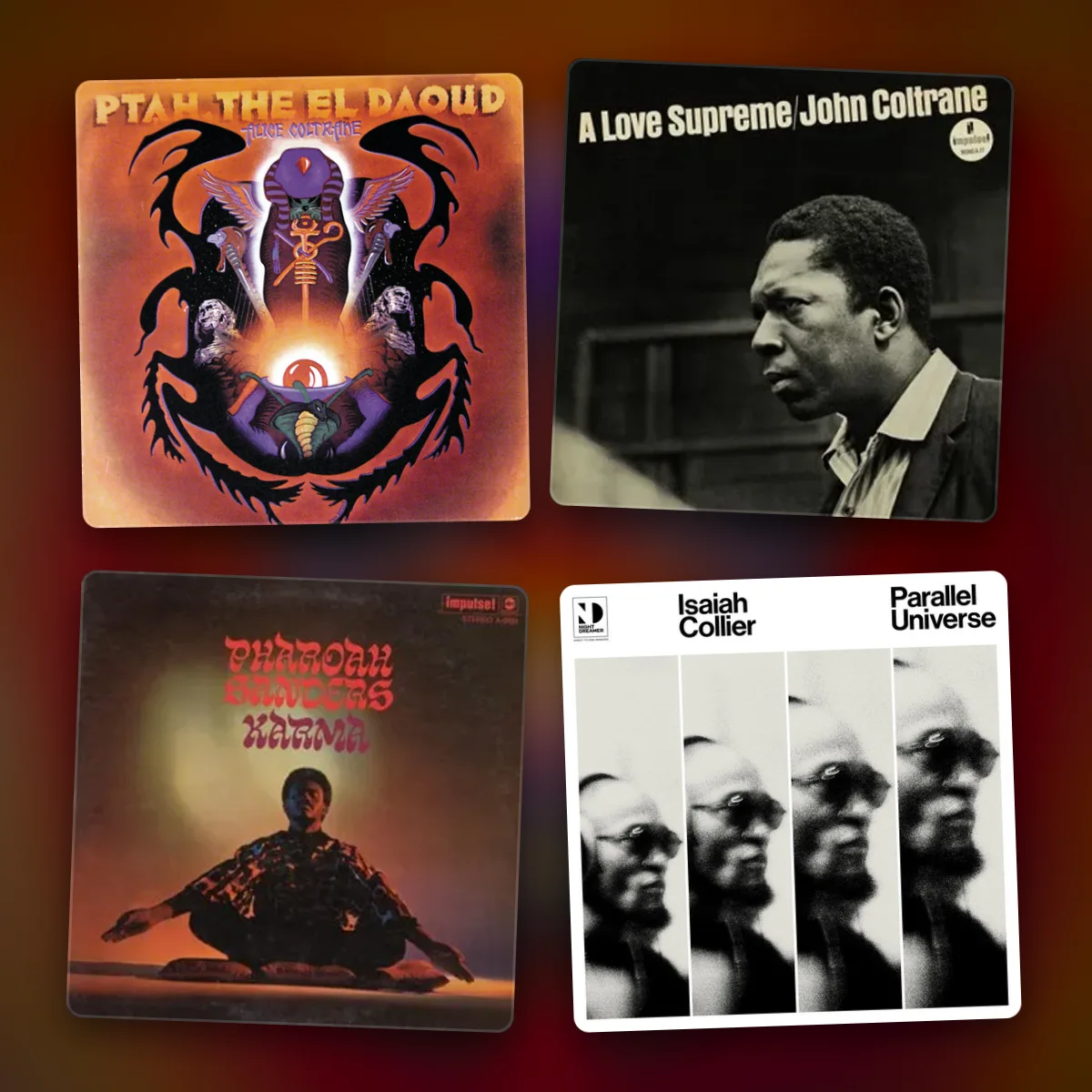
Spiritual jazz is a strand of modern jazz that seeks transcendence through sound, blending free improvisation, modal frameworks, and non‑Western musical concepts to evoke the sacred, the cosmic, and the ecstatic. It often features long, open forms; drones and pedal points; polyrhythmic percussion; and timbres associated with ritual or meditation (harp, flutes, bells, tanpura). Melodic language leans toward modes and scales from African, Middle Eastern, and South Asian traditions alongside blues inflection. The mood can shift from contemplative prayer to cathartic release, and vocal elements may include chants, mantras, spoken word, or invocations aligned with spiritual or philosophical themes.
Discover
Listen
Experimental
Experimental music is an umbrella term for practices that prioritize exploration, process, and discovery over adherence to established genre norms. It embraces new sound sources, nonstandard tuning systems, indeterminacy and chance operations, graphic and open-form scores, extended techniques, and technology-led sound design (tape, electronics, computers, and live processing). Rather than a single style, it is a methodology and ethos: testing hypotheses about sound, structure, and performance, often blurring boundaries between composition, improvisation, sound art, and performance art. Listeners can expect unfamiliar timbres, unusual forms, and an emphasis on how music is made as much as the resulting sound.
Discover
Listen
Jazz
Jazz is an improvisation-centered music tradition that emerged from African American communities in the early 20th century. It blends blues feeling, ragtime syncopation, European harmonic practice, and brass band instrumentation into a flexible, conversational art. Defining features include swing rhythm (a triplet-based pulse), call-and-response phrasing, blue notes, and extended harmonies built on 7ths, 9ths, 11ths, and 13ths. Jazz is as much a way of making music—spontaneous interaction, variation, and personal sound—as it is a set of forms and tunes. Across its history, jazz has continually hybridized, from New Orleans ensembles and big-band swing to bebop, cool and hard bop, modal and free jazz, fusion, and contemporary cross-genre experiments. Its influence permeates global popular and art music.
Discover
Listen
Carnatic Classical
Carnatic classical (Karnāṭaka saṅgīta) is the South Indian tradition of art music, centered in the Dravidian cultural regions of Andhra Pradesh, Karnataka, Kerala, Tamil Nadu, and Telangana. It is a raga–tala system: melody is organized by rāga (a melodic framework with characteristic phrases and ornamentation called gamaka) and rhythm is organized by tāla (cyclic meters with intricate subdivisions). The repertoire is strongly devotional, with the vast majority of canonical compositions (kritis/keerthanas and varnams) in Telugu and Sanskrit, alongside important works in Tamil and Kannada. Performance is voice-led (even in instrumental music), with a kutcheri (concert) format that balances composed items and improvisation: ālāpana (unmetered raga exploration), niraval (melodic–lyric expansion), kalpana swaras (solfège improvisation), and the climactic rāgam–tānam–pallavi. Core timbres include tambura (drone), violin or veena for melody, and mridangam, ghatam, kanjira, and morsing for percussion. Compared to North India’s Hindustani music, Carnatic music retained a more continuous temple and bhakti (devotional) lineage and less Persian/Islamicate influence, yielding dense gamaka, brisk development, and highly codified rhythmic arithmetic.
Discover
Listen
Albums
2025
2
/5
Nilam
Ganavya
Carnatic Classical
Experimental
Jazz
2024
2
/5
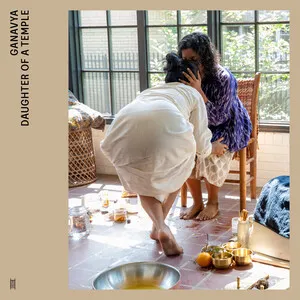
Daughter of a Temple
Ganavya
Indo Jazz
2024
2
/5
Like the Sky I've Been Too Quiet
Ganavya
Indo Jazz
Similar artists
3
/5
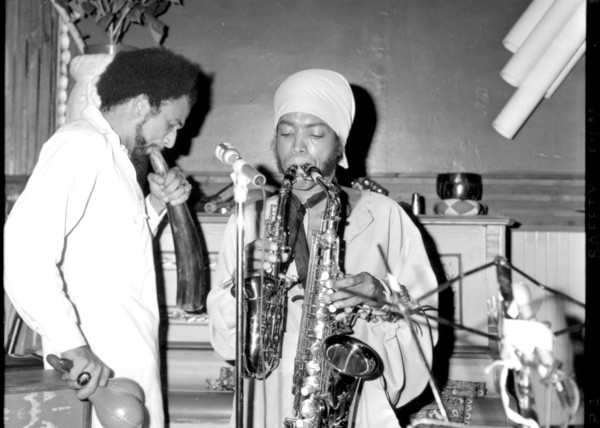
Alice Coltrane
Jazz
Free Jazz
Spiritual Jazz
1
/5
Various Artists
Afro-Funk
Alternative Rock
Ambient
2
/5
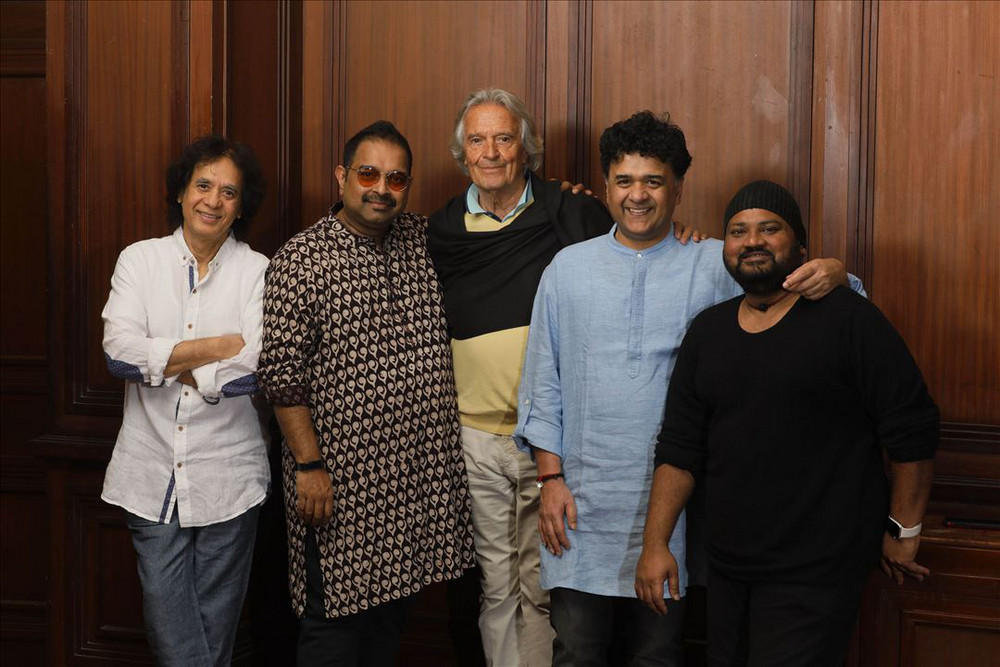
Shakti
Jazz Fusion
Indo Jazz
Asian Music
3
/5
John McLaughlin
Flamenco
Jazz
Jazz Fusion
3
/5
Jan Garbarek
Jazz
Jazz Fusion
Medieval Classical Music
2
/5
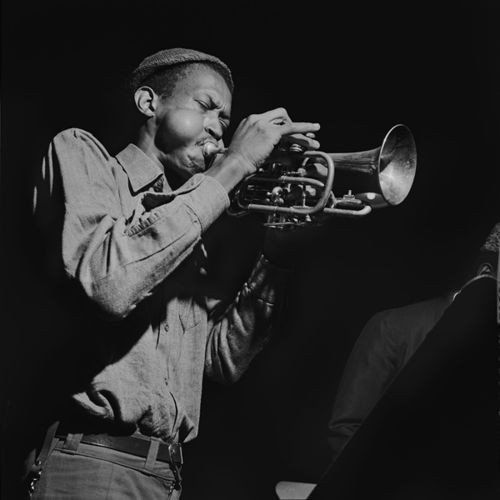
Don Cherry
Free Jazz
Jazz
Avant-Garde
2
/5
Angel Bat Dawid
Spiritual Jazz
Jazz
Avant-Garde Jazz
1
/5
The Pyramids
Free Jazz
Afro-Jazz
Jazz
2
/5
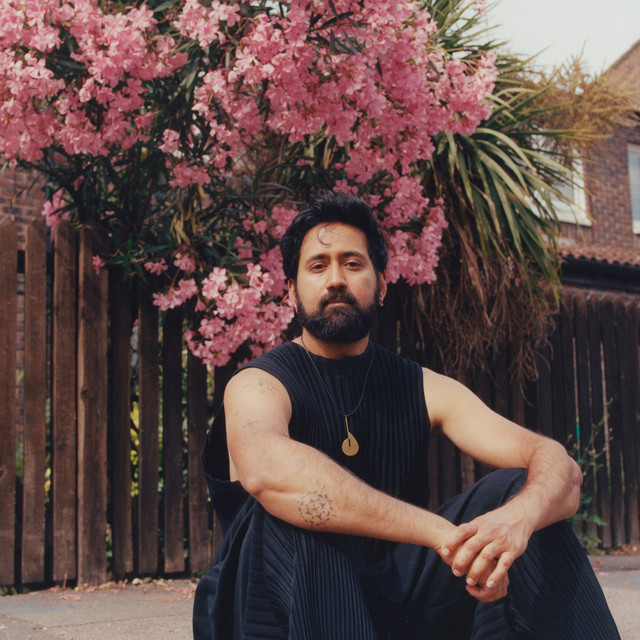
Sarathy Korwar
Indo Jazz
New London Jazz
Jazz
2
/5
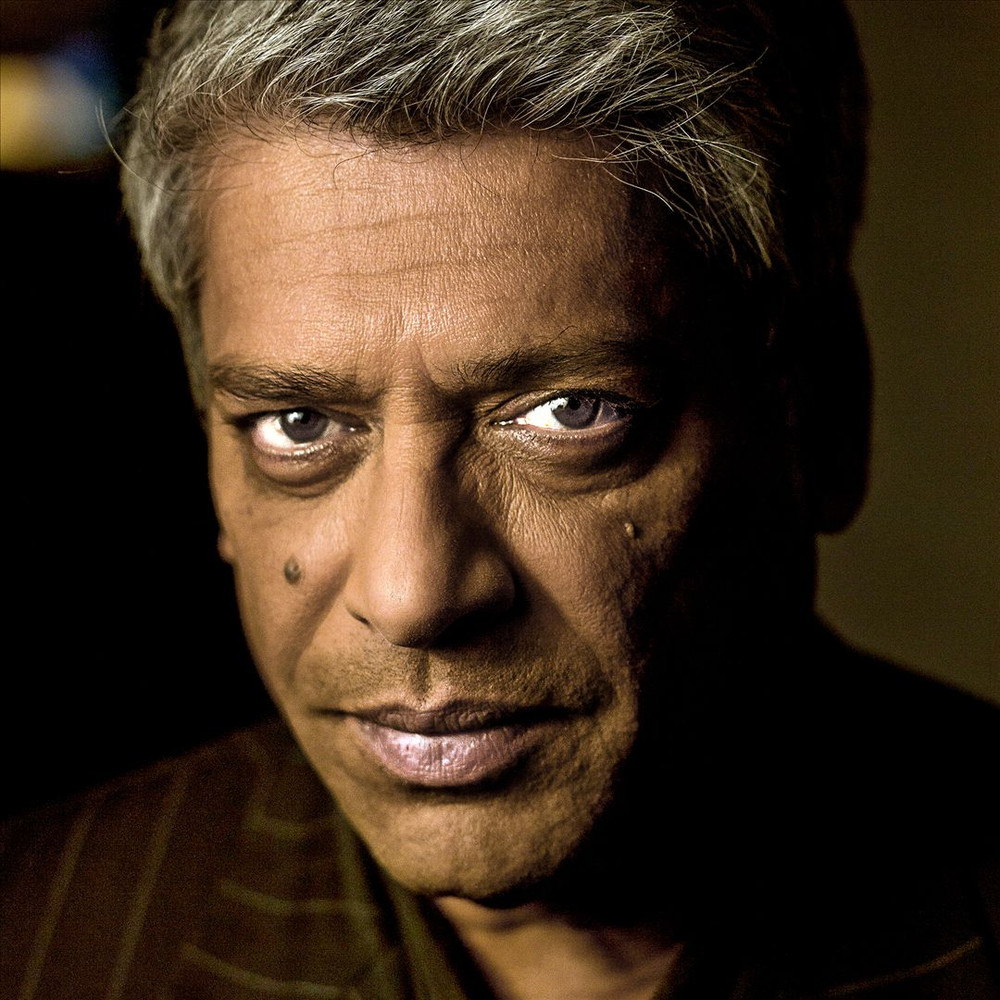
Trilok Gurtu
Free Jazz
Indian Pop
Indo Jazz
Download our mobile app
Get the Melodigging app and start digging for new genres on the go
Download on the App Store
Get it on Google Play
© 2026 Melodigging
Give feedback
Legal
Melodding was created as a tribute to
Every Noise at Once
, which inspired us to help curious minds keep digging into music's ever-evolving genres.