Your digging level
Description
Carnatic classical (Karnāṭaka saṅgīta) is the South Indian tradition of art music, centered in the Dravidian cultural regions of Andhra Pradesh, Karnataka, Kerala, Tamil Nadu, and Telangana.
It is a raga–tala system: melody is organized by rāga (a melodic framework with characteristic phrases and ornamentation called gamaka) and rhythm is organized by tāla (cyclic meters with intricate subdivisions). The repertoire is strongly devotional, with the vast majority of canonical compositions (kritis/keerthanas and varnams) in Telugu and Sanskrit, alongside important works in Tamil and Kannada.
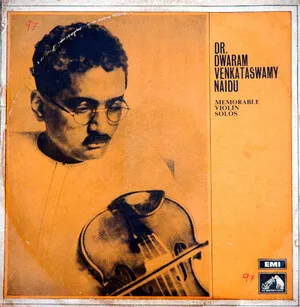
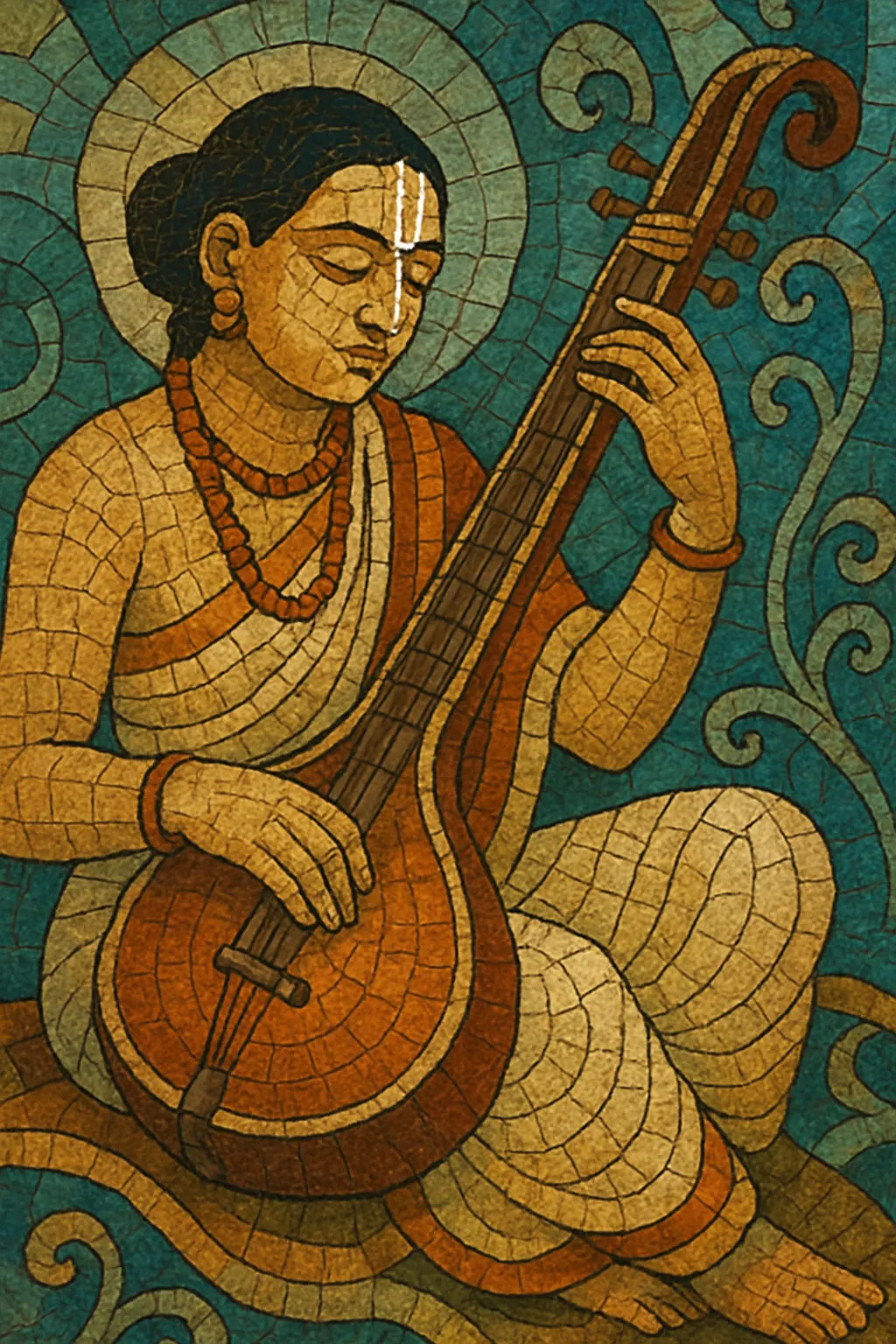
Performance is voice-led (even in instrumental music), with a kutcheri (concert) format that balances composed items and improvisation: ālāpana (unmetered raga exploration), niraval (melodic–lyric expansion), kalpana swaras (solfège improvisation), and the climactic rāgam–tānam–pallavi. Core timbres include tambura (drone), violin or veena for melody, and mridangam, ghatam, kanjira, and morsing for percussion.
Compared to North India’s Hindustani music, Carnatic music retained a more continuous temple and bhakti (devotional) lineage and less Persian/Islamicate influence, yielding dense gamaka, brisk development, and highly codified rhythmic arithmetic.
History
Carnatic music crystallized from pan‑Indic classical practices and South Indian temple/royal court lineages between the 16th and 18th centuries. It inherited ancient rāga–tāla theory, Vedic and liturgical chant lineages, and Dravidian court–temple performance cultures, while preserving a devotional bhakti orientation.
The modern canon was defined by the "Carnatic Trinity": Tyāgarāja (1767–1847), Muthusvāmi Dīkṣitar (1775–1835), and Śyāma Śāstri (1762–1827). Their kritis in Telugu and Sanskrit, along with varnams and pedagogical exercises (sarali, janta, alankara), standardized repertoire, rāga grammar, and compositional forms that still anchor concerts and pedagogy.
Transmission flourished via the gurukula (master–disciple) model. Ariyakudi Rāmānujā Iyengar popularized the modern kutcheri sequence (varnam → kritis with niraval/kalpana swaras → rāgam–tānam–pallavi → lighter pieces/tillana → mangalam). The Madras Music Academy (est. 1928) codified scholarship, annual conferences, and December "Season" festivals.
Recording, radio (All India Radio), and diaspora sabhas spread Carnatic music globally. Innovators such as M. S. Subbulakshmi, Semmangudi, D. K. Pattammal, and Lalgudi Jayaraman expanded reach and technique; percussion greats (Palghat Mani Iyer, Palghat R. Raghu, Umayalpuram Sivaraman) pushed rhythmic frontiers. Today, Carnatic music thrives both within its core South Indian states and an international diaspora, influencing Tamil film music, Indo‑jazz, and raga‑based world fusion while maintaining its devotional, raga–tala core.