Genres
Artists
Albums
Make Music
Sign in
Sign in
Artists
Jazz
Artists
Jazz
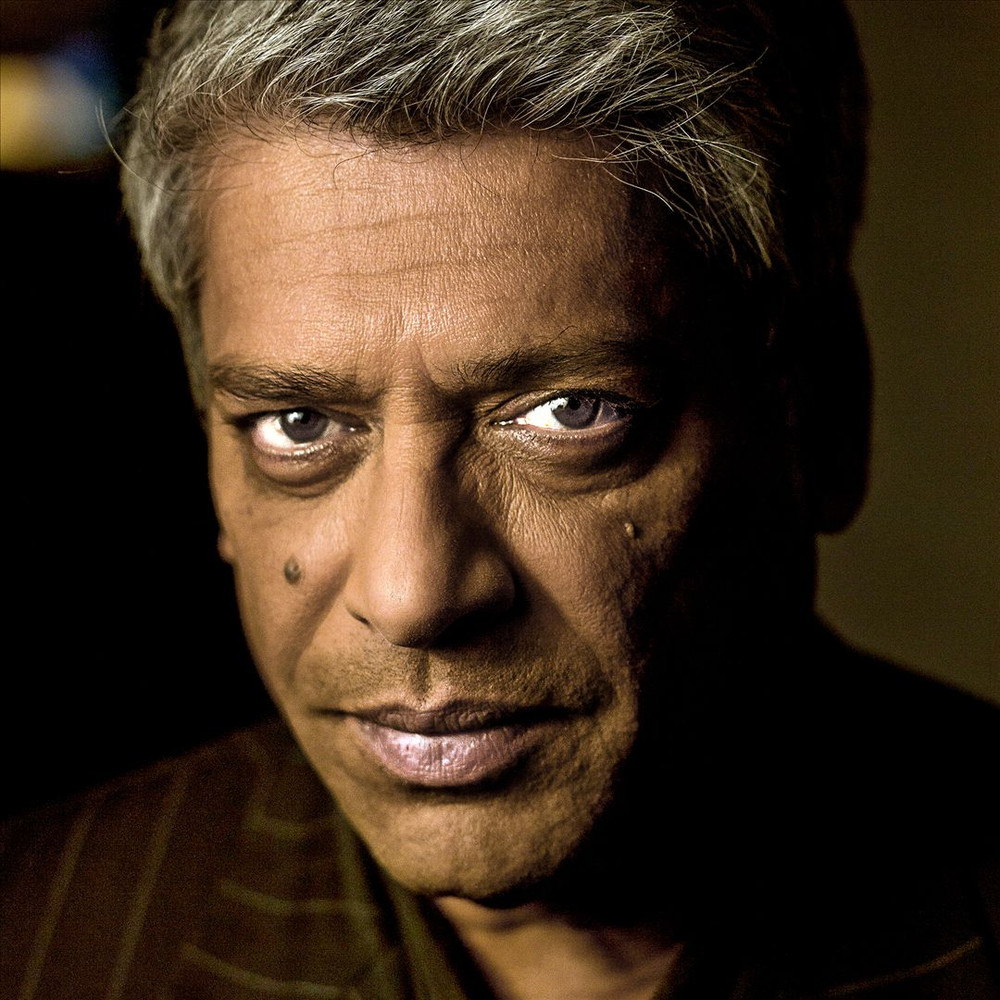
Trilok Gurtu
1987–2001
·
4 albums
Listen
2
/5
Genres
Desi
Desi is a contemporary umbrella term for South Asian–rooted popular music made both in the subcontinent and across its global diaspora. It blends Hindi, Punjabi, Urdu (and other regional) lyrics with Western pop, hip hop, R&B, and EDM production, while retaining melodic sensibilities from filmi/bollywood and classical/folk traditions. The sound ranges from romantic, hook-forward ballads to high-energy dance tracks driven by dhol- and tumbi-influenced rhythms. It is less a single formula than a shared aesthetic: flexible code-switching (Hinglish, Punjabi-English), raga-tinged melodies, and club-ready beats that connect Bollywood lineage, Punjabi bhangra, and global urban music.
Discover
Listen
Indian Pop
Indian pop (often called Indi-pop or I-pop) is pop music created in India outside of film soundtracks. It adapts Western pop and rock songcraft—catchy choruses, verse–chorus forms, synths, drum machines—to South Asian melodic and rhythmic sensibilities, drawing on Hindustani and Carnatic ornamentation, regional folk grooves, and urban club production. While closely linked to Bollywood, Tollywood, Kollywood and the UK’s Asian Underground scenes, its defining trait is independence from cinema: artists release singles and albums marketed on TV, radio, and—today—streaming/video platforms. Lyrics are usually in Hindi, Urdu, or Bengali (often mixing Hinglish), but Punjabi, Tamil, and other Indian languages appear too, reflecting a pan‑Desi pop ecosystem spanning India, Pakistan, and Bangladesh.
Discover
Listen
Crossover Jazz
Crossover jazz is a pop-leaning branch of jazz designed to reach listeners beyond the traditional jazz audience. It blends melodic hooks, radio-friendly song structures, and polished production with jazz harmony and concise improvisation. Typical timbres include lead saxophone or clean electric guitar supported by Fender Rhodes or other electric pianos, warm synthesizers, and a tight rhythm section rooted in funk, R&B, and soft rock. Compared with jazz fusion it is more melody-first and chart-oriented, and compared with later smooth jazz it often carries a more assertive groove and clearer ties to mainstream jazz phrasing. String sections, background vocals, and meticulous studio sheen are common, emphasizing accessibility while still showcasing tasteful solos and sophisticated chord colors.
Discover
Listen
World Fusion
World fusion is a broad, exploratory approach that blends musical traditions from different cultures with contemporary forms such as jazz, rock, ambient, and electronic music. Rather than being tied to a single folk lineage, it privileges hybrid instrumentation, modal and rhythmic vocabularies from around the globe, and collaborative performance practices. Compared with the more pop-oriented worldbeat, world fusion tends to be more improvisational, texture-driven, and studio- or ensemble-focused. It commonly juxtaposes instruments like oud, kora, sitar, tabla, duduk, and frame drums with electric guitar, synthesizers, and jazz rhythm sections, often emphasizing modal harmony, drones, polyrhythms, and odd meters.
Discover
Listen
Indo Jazz
Indo jazz is a cross-cultural fusion that blends the melodic and rhythmic frameworks of Indian classical music with the improvisational language, ensemble formats, and harmonic vocabulary of jazz. Pioneered in mid-1960s London by the Indo‑Jazz Fusions projects of saxophonist Joe Harriott and composer‑violinist John Mayer, the style typically marries raga-based melodies, drone textures, and tala time cycles with jazz head–solo–head forms, modal harmony, and interactive improvisation. The palette often includes saxophone, piano, double bass, and drum set alongside tabla, sitar or violin, bansuri, and tanpura. The result is music that can be serene and meditative yet rhythmically intricate, moving fluidly between swing and straight feels while respecting the raga’s pitch set and ornamentation (meend, gamak, and microtonal inflections).
Discover
Listen
Jazz Fusion
Jazz fusion (often simply called "fusion") blends the improvisational language and harmonic richness of jazz with the amplified instruments, grooves, and song forms of rock, funk, and R&B. It typically features electric guitars, electric bass or fretless bass, Rhodes electric piano, clavinet, analog and digital synthesizers, and a drum kit playing backbeat- and syncopation-heavy patterns. Hallmarks include extended chords and modal harmony, complex and shifting meters, brisk unison lines, virtuosic improvisation, and a production aesthetic that embraces effects processing and studio craft. The style ranges from fiery, aggressive workouts to polished, atmospheric textures, often within the same piece. Emerging in the late 1960s and flourishing through the 1970s, jazz fusion became a bridge between jazz audiences and rock/funk listeners, shaping later styles such as jazz-funk, smooth jazz, nu jazz, and parts of progressive and technical rock/metal.
Discover
Listen
Free Jazz
Free jazz is a radical branch of jazz that rejects fixed chord progressions, strict meter, and conventional song forms in favor of collective improvisation, textural exploration, and spontaneous interaction. Musicians prioritize timbre, dynamics, and gesture as much as pitch and harmony, often using extended techniques (multiphonics, overblowing, prepared piano) and unconventional sounds. While rooted in the blues and earlier jazz vocabularies, free jazz frees improvisers from pre-set harmonic cycles, allowing lines to unfold over tonal centers, shifting modes, drones, or complete atonality. Rhythm sections may float without a steady pulse, or drive with layered polyrhythms and “energy playing.” The result ranges from contemplative soundscapes to cathartic, high-intensity eruptions. Culturally, the genre intersected with the civil rights era and broader avant-garde movements, emphasizing autonomy, community, and new possibilities for musical expression.
Discover
Listen
Jazz
Jazz is an improvisation-centered music tradition that emerged from African American communities in the early 20th century. It blends blues feeling, ragtime syncopation, European harmonic practice, and brass band instrumentation into a flexible, conversational art. Defining features include swing rhythm (a triplet-based pulse), call-and-response phrasing, blue notes, and extended harmonies built on 7ths, 9ths, 11ths, and 13ths. Jazz is as much a way of making music—spontaneous interaction, variation, and personal sound—as it is a set of forms and tunes. Across its history, jazz has continually hybridized, from New Orleans ensembles and big-band swing to bebop, cool and hard bop, modal and free jazz, fusion, and contemporary cross-genre experiments. Its influence permeates global popular and art music.
Discover
Listen
Show all 8 genres
Albums
2001
1
/5
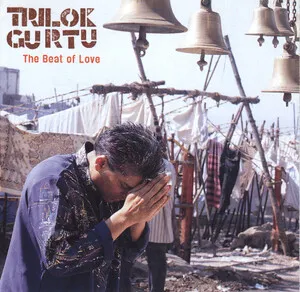
The Beat of Love
Trilok Gurtu
Indian Pop
1997
1
/5
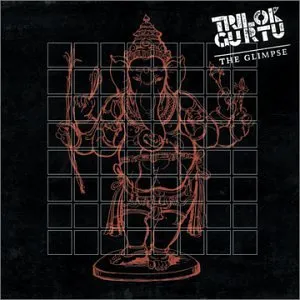
The Glimpse
Trilok Gurtu
Indo Jazz
1987
1
/5
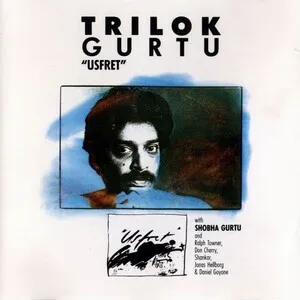
Usfret
Trilok Gurtu
Indo Jazz
Jazz
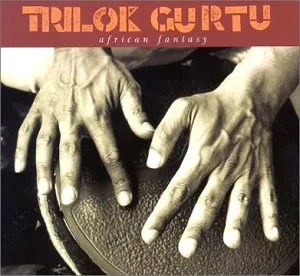
African Fantasy
Trilok Gurtu
Indian Pop
Similar artists
3
/5
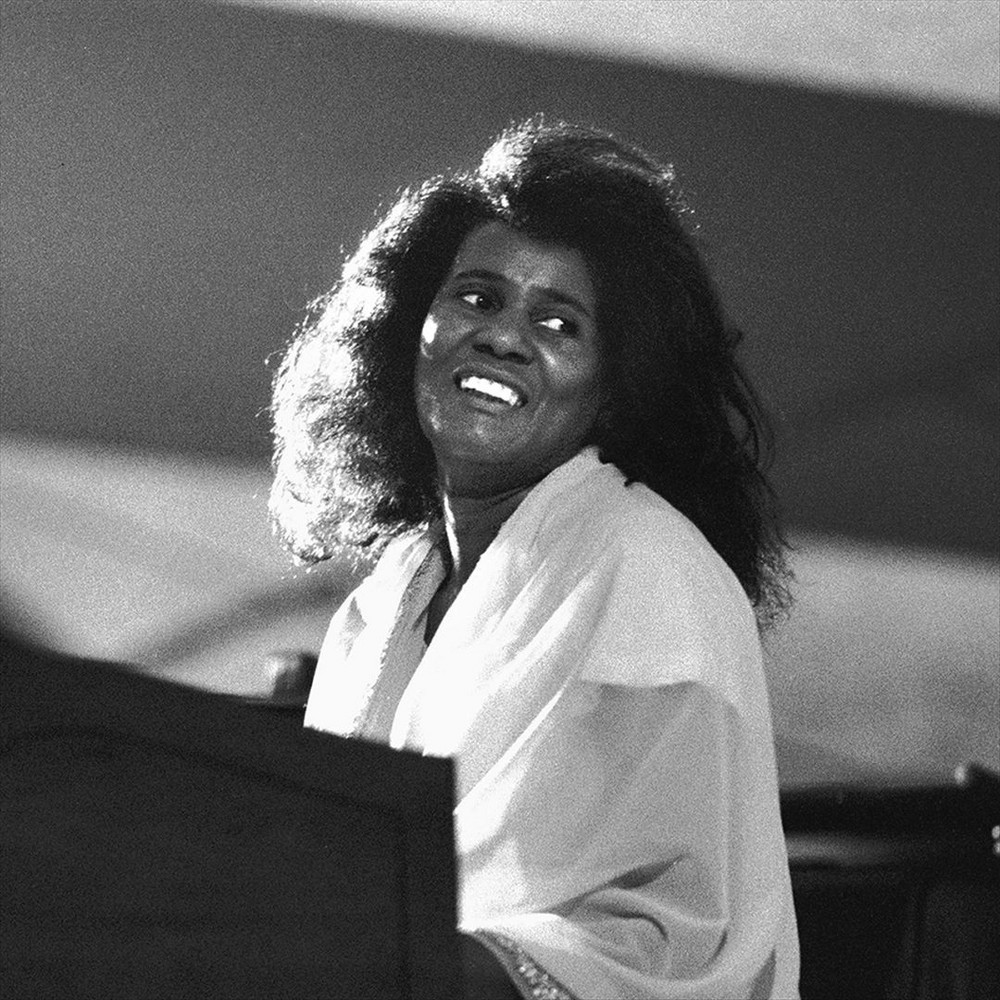
Alice Coltrane
Jazz
Free Jazz
Spiritual Jazz
1
/5
Various Artists
Afro-Funk
Alternative Rock
Ambient
4
/5
Miles Davis
Jazz
Jazz Fusion
Hard Bop
3
/5
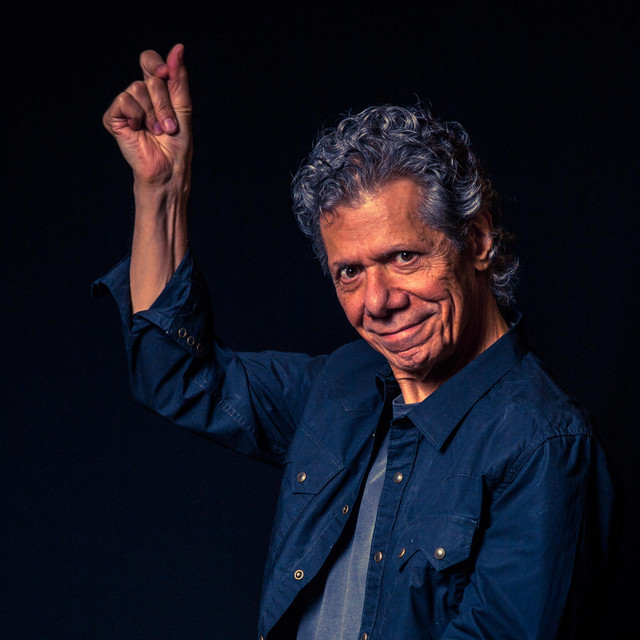
Chick Corea
Ecm Style Jazz
Jazz Fusion
Free Jazz
3
/5
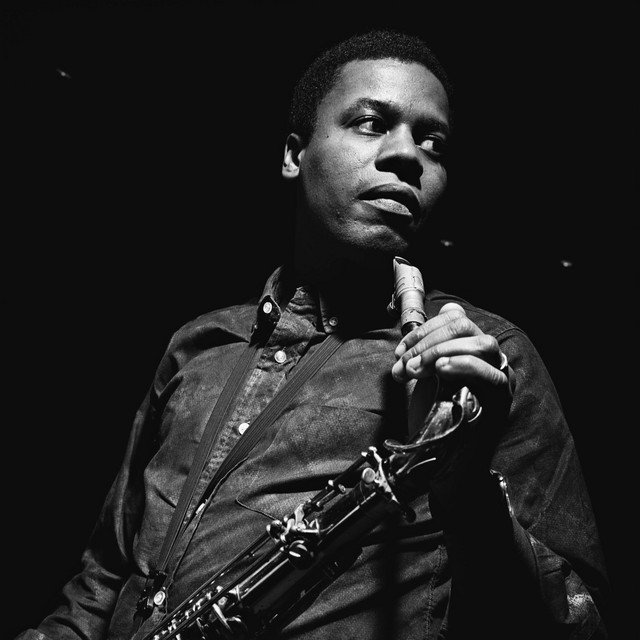
Wayne Shorter
Hard Bop
Jazz
Bebop
3
/5
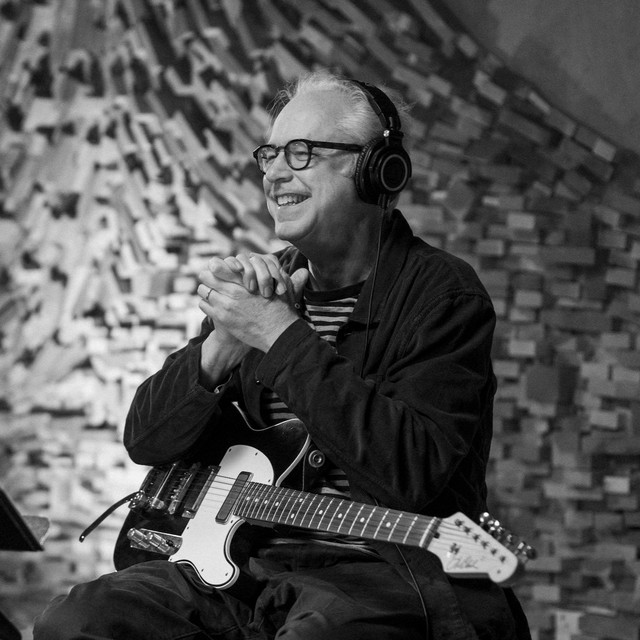
Bill Frisell
Jazz
Free Jazz
Jazz Fusion
3
/5
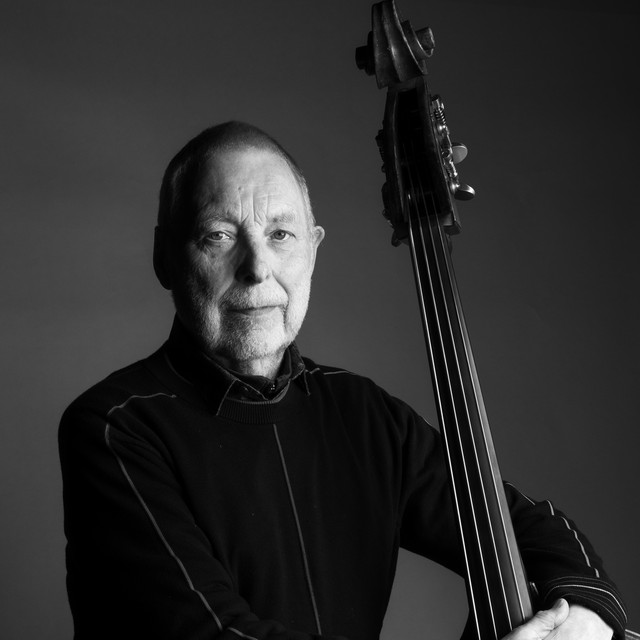
Dave Holland
Jazz
Free Jazz
Jazz Fusion
3
/5
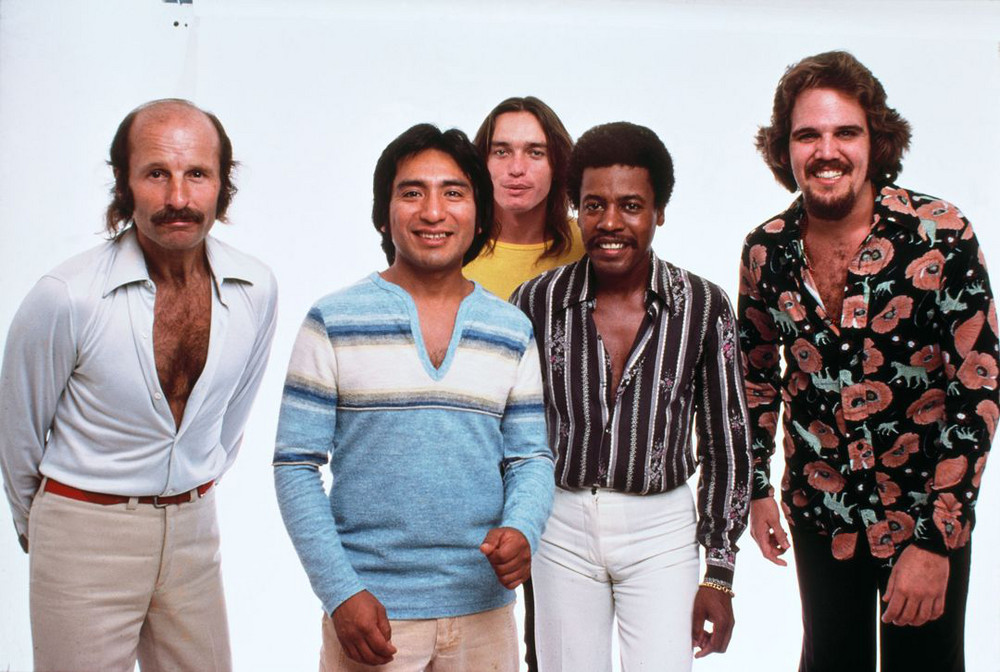
Weather Report
Free Jazz
Jazz
Jazz Fusion
3
/5
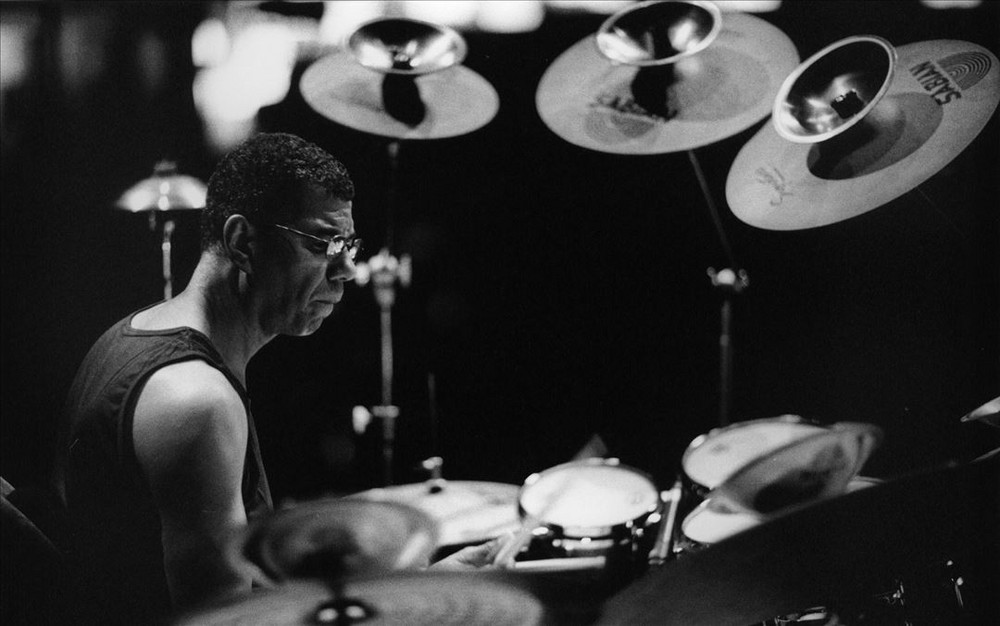
Jack DeJohnette
Jazz
Ecm Style Jazz
Free Jazz
3
/5
Sun Ra
Jazz
Afrofuturism
Experimental Big Band
Download our mobile app
Get the Melodigging app and start digging for new genres on the go
Download on the App Store
Get it on Google Play
© 2026 Melodigging
Give feedback
Legal
Melodding was created as a tribute to
Every Noise at Once
, which inspired us to help curious minds keep digging into music's ever-evolving genres.