Genres
Artists
Albums
Make Music
Sign in
Sign in
Artists
Choral
Artists
Choral
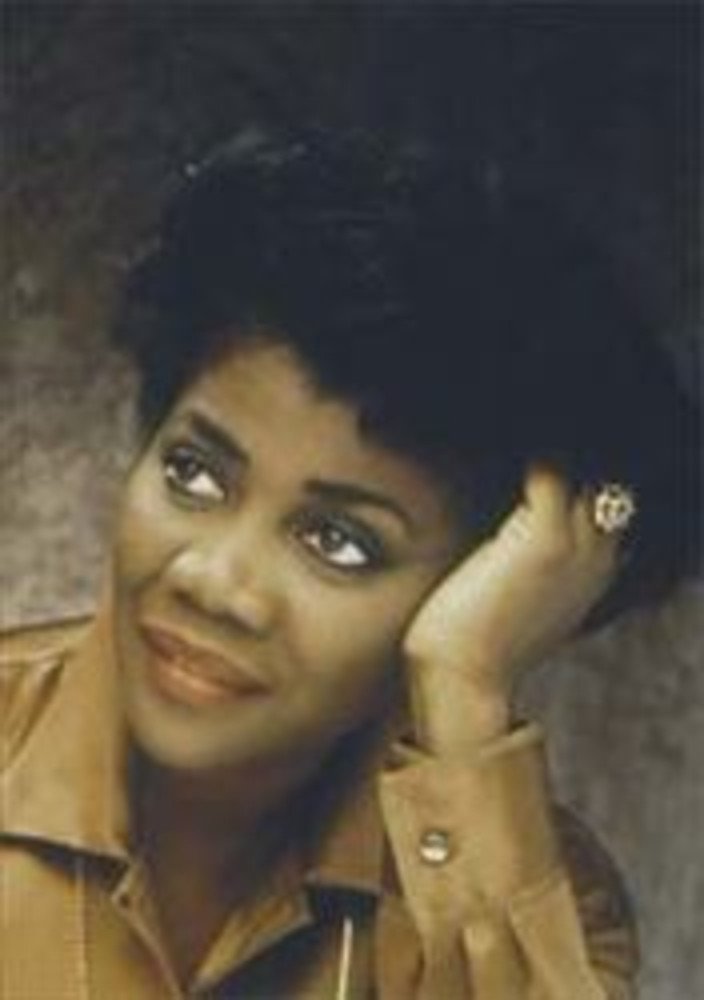
Florence Quivar
1976
·
1 album
Listen
2
/5
Genres
Classical Bass
Classical bass is the tradition of double bass performance and composition within Western classical music. It centers on the double bass as a solo, chamber, and orchestral instrument, highlighting its deep timbre, wide range, and expressive capabilities. Repertoire spans concertos, sonatas, character pieces, orchestral excerpts, and chamber works in which the bass either anchors harmony or emerges as a lyrical, virtuosic voice. The style relies on bow (arco) technique—détaché, legato, spiccato, staccato, and martelé—alongside pizzicato, natural and artificial harmonics, and advanced thumb-position playing. Players use orchestral tuning (E–A–D–G) and often solo tuning (F♯–B–E–A) with transposition. Both French and German bow holds are common. Notation crosses bass, tenor, and treble clefs to accommodate range, and writing idiomatically respects string crossings, shifting, and the instrument’s resonance.
Discover
Listen
Classical Mezzo-Soprano
Classical mezzo-soprano is a repertoire-centered category within Western classical music written for the mezzo-soprano voice—typically ranging roughly from G3/A3 to B5/C6, with a warm, darker timbre and a central tessitura lower than that of the soprano. It encompasses operatic arias (including trouser roles and dramatic character parts), oratorio and sacred solos (e.g., alto/mezzo lines), and art songs (Lieder, mélodie, canzone) that favor a rich middle register, expressive legato, and nuanced text delivery. Across the 19th and 20th centuries, composers standardized voice types (Fächer) in opera houses, and the mezzo-soprano emerged distinctly between soprano and contralto, prized for flexibility (from agile coloratura to dramatic declamation) and a characterful, burnished sound. Today, the tag “classical mezzo-soprano” covers historical and contemporary recordings of operas, oratorios, and song cycles featuring mezzo-soprano soloists, plus concert works written with that specific tessitura in mind.
Discover
Listen
Opera
Opera is a large-scale theatrical genre that combines music, drama, and visual spectacle, in which the story is primarily conveyed through singing accompanied by an orchestra. It unites solo voices, ensembles, and chorus with staging, costumes, and often dance to create a total artwork. Emerging in late Renaissance Italy and flourishing in the Baroque era, opera developed signature forms such as recitative (speech-like singing that advances the plot) and aria (lyrical numbers that explore character and emotion). Over the centuries it evolved diverse national styles—Italian bel canto, French grand opéra, German music drama—while continually experimenting with orchestration, harmony, narrative structure, and stagecraft.
Discover
Listen
Choral
Choral refers to music written for and performed by a choir—an ensemble of voices organized into sections such as soprano, alto, tenor, and bass (SATB), or same-voice groupings (SSA, TTBB). It encompasses both sacred and secular repertoire and may be sung a cappella or with accompaniment by organ, piano, or full orchestra. Stylistically, choral music ranges from chant-like monophony to intricate polyphony and rich homophonic textures. Texts are drawn from liturgy, scripture, poetry, and vernacular sources, and are set in many languages. Performance contexts include church services, concert halls, and community events, making choral one of the most socially embedded and widely practiced forms of ensemble music. Across history, choral music has served as a laboratory for vocal counterpoint, word painting, and text-driven form, while functioning as a cultural bridge among religious rites, national traditions, and contemporary concert practice.
Discover
Listen
Albums
1976
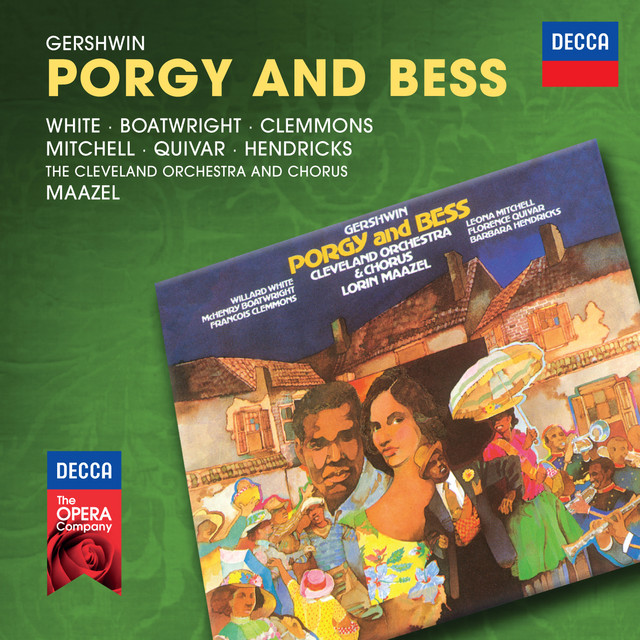
Gershwin: Porgy & Bess
George Gershwin, Willard White, McHenry Boatwright, Francois Clemmons, Leona Mi…
Classical Bass
Classical Mezzo-Soprano
Similar artists
4
/5
Wolfgang Amadeus Mozart
Classical
Requiem
Classical Period
4
/5
Berliner Philharmoniker
Classical
Symphony
Romantic Classical
4
/5
Herbert von Karajan
Classical
Symphonic Poem
Symphony
4
/5
Wiener Philharmoniker
Classical
Romantic Classical
Romanticism
4
/5
Giuseppe Verdi
Classical Baritone
Classical Mezzo-Soprano
Requiem
3
/5
Sir Georg Solti
Classical
Romantic Classical
Romanticism
3
/5
René Jacobs
Classical
Baroque
Opera
4
/5
Gustav Mahler
Choral Symphony
Orchestral Song
Classical
4
/5
Philharmonia Orchestra
Classical
Opera
Historic Orchestral Performance
4
/5
George Frideric Handel
Classical
Opera Seria
Classical Countertenor
Download our mobile app
Get the Melodigging app and start digging for new genres on the go
Download on the App Store
Get it on Google Play
© 2026 Melodigging
Give feedback
Legal
Melodding was created as a tribute to
Every Noise at Once
, which inspired us to help curious minds keep digging into music's ever-evolving genres.