Genres
Artists
Albums
Make Music
Sign in
Sign in
Artists
Gypsy Jazz
Artists
Gypsy Jazz
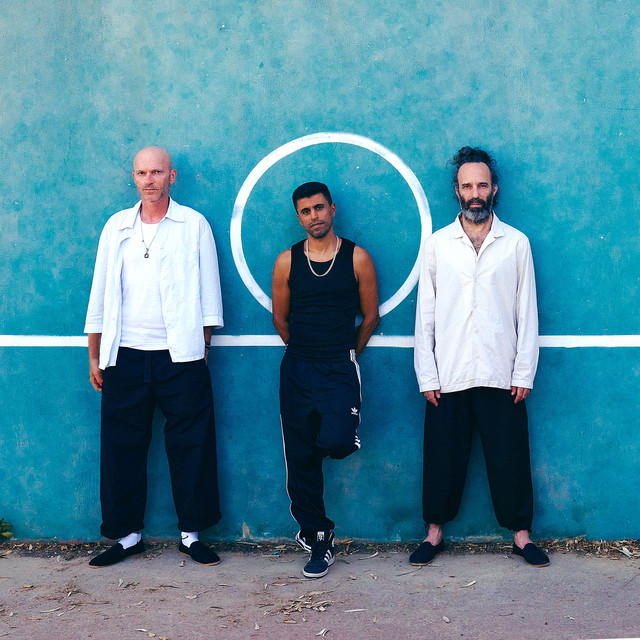
Fishtank Ensemble
2005–2010
·
3 albums
Listen
1
/5
Genres
Gypsy Jazz
Gypsy jazz (often called jazz manouche) is an acoustic, string-driven style of swing developed by Romani musicians in Paris in the 1930s, most famously by guitarist Django Reinhardt and violinist Stéphane Grappelli with the Quintette du Hot Club de France. Its signature sound pairs percussive rhythm-guitar strumming (la pompe) with virtuosic single-note lines, violin leads, and a walking double bass, typically without drums or horns. Harmonically, it blends American swing-era jazz changes with European influences such as musette waltzes and classical voice-leading, yielding rich dominant chords, diminished passing harmony, and chromatic approach lines. The result is a bright, agile, and highly danceable style that can be both exuberant and lyrical.
Discover
Listen
Folk
Folk is a song-centered acoustic tradition rooted in community storytelling, everyday life, and social history. It emphasizes clear melodies, simple harmonies, and lyrics that foreground narrative, protest, and personal testimony. As a modern recorded genre, folk coalesced in the early-to-mid 20th century in the United States out of older ballad, work song, and rural dance traditions. It typically features acoustic instruments (guitar, banjo, fiddle, mandolin, harmonica), strophic song forms, and participatory singing (choruses, call-and-response).
Discover
Listen
Swing
Swing is a jazz style centered on a buoyant, danceable groove created by a walking bass, four-to-the-bar rhythm guitar, a backbeat emphasis on 2 and 4, and a lilted “swung” eighth-note feel. Typically performed by big bands (saxes, trumpets, trombones, and a rhythm section) as well as small combos, it balances written arrangements with improvised solos. Hallmarks include call-and-response between horn sections, riff-based melodies, shout choruses that build intensity near the end of an arrangement, and rich sectional voicings grounded in blues language and ii–V–I harmonic motion. Tempos range from medium to brisk, serving social dances like the Lindy Hop and Jitterbug. Swing’s expressive phrasing, dance-floor focus, and sophisticated arranging made it the dominant popular music of the late 1930s and early 1940s.
Discover
Listen
Jazz
Jazz is an improvisation-centered music tradition that emerged from African American communities in the early 20th century. It blends blues feeling, ragtime syncopation, European harmonic practice, and brass band instrumentation into a flexible, conversational art. Defining features include swing rhythm (a triplet-based pulse), call-and-response phrasing, blue notes, and extended harmonies built on 7ths, 9ths, 11ths, and 13ths. Jazz is as much a way of making music—spontaneous interaction, variation, and personal sound—as it is a set of forms and tunes. Across its history, jazz has continually hybridized, from New Orleans ensembles and big-band swing to bebop, cool and hard bop, modal and free jazz, fusion, and contemporary cross-genre experiments. Its influence permeates global popular and art music.
Discover
Listen
Flamenco
Flamenco is a highly expressive musical and dance tradition from Andalusia that combines cante (song), toque (guitar), baile (dance), palmas (handclaps), and jaleo (shouts of encouragement). It is characterized by intricate rhythmic cycles called compás, intense vocal melismas with ornamental micro-inflections, and guitar techniques such as rasgueado, picado, alzapúa, golpe, and tremolo. Harmonically it often centers on the Phrygian mode and the Andalusian cadence (iv–III–II–I), creating a dramatic tension that complements the emotional depth of the lyrics, which frequently explore themes of love, loss, pride, and fate. Flamenco is organized into palos (forms) such as soleá, bulería, alegrías, seguiriyas, tientos/tangos, fandangos, tarantas, and rumba, each defined by its compás, mood, and traditional melodic/harmonic vocabulary.
Discover
Listen
Romani Folk Music
Romani folk music is the diverse, diasporic musical tradition of the Romani people, whose ancestors migrated from the Indian subcontinent into the Middle East and Europe during the late medieval period. Carrying core melodic and rhythmic ideas with them, Romani musicians absorbed and reinterpreted local styles, creating a family of related yet regionally distinct musics across Central, Eastern, Southern, and Western Europe. Common features include ornate, highly expressive melodies with melismas and slides; flexible tempo practices (rubato introductions leading into faster dance sections); and modal colors such as harmonic minor and the Phrygian dominant (often called "Gypsy" or freygish in European discourse). Instrumentation varies by region—fiddles and cimbalom in the Carpathian basin; clarinet, accordion, and cimbalom in Romania and Hungary; brass bands in the Balkans; and guitar-based ensembles among Iberian Gitanos. Dance repertoires (e.g., csárdás, hora, kolo, čoček) and the Romani language often feature, alongside local tongues.
Discover
Listen
Albums
2010
1
/5
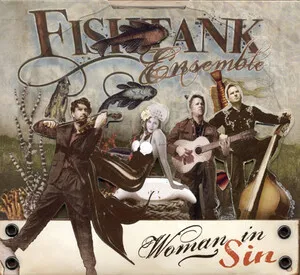
Woman in Sin
Fishtank Ensemble
Gypsy Jazz
Flamenco
Folk
2008
1
/5
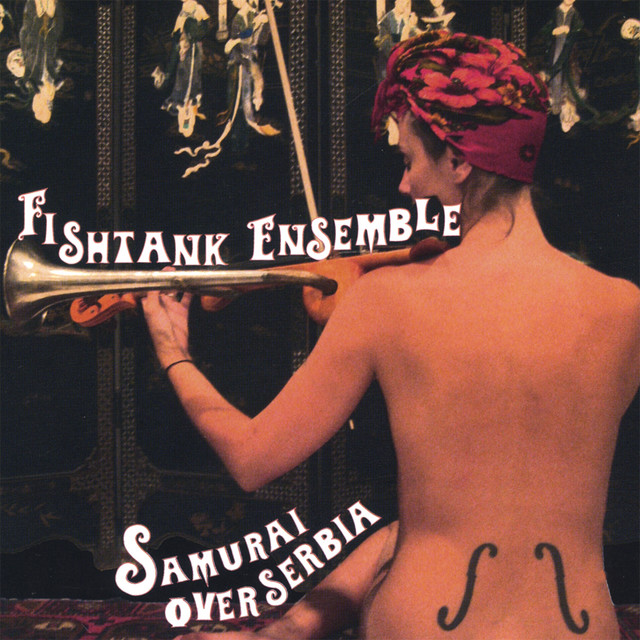
Samurai Over Serbia
Fishtank Ensemble
Romani Folk Music
Swing
2005
1
/5
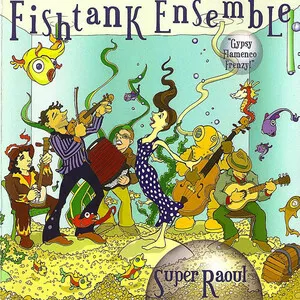
Super Raoul
Fishtank Ensemble
Romani Folk Music
Gypsy Jazz
Similar artists
2
/5
Saban Bajramovic
Balkan Brass Band
Folk
Gypsy Jazz
1
/5
Various Artists
Afro-Funk
Alternative Rock
Ambient
2
/5
The Klezmatics
Klezmer
Ashkenazi Music
Balkan Brass Band
2
/5
Kočani Orkestar
Balkan Brass Band
Romani Folk Music
Balkan Folk Music
4
/5
Sezen Aksu
Turkish Pop
Oyun Havasi
Pop
3
/5
Toumani Diabaté
Griot
Mande Music
World
2
/5
Le Trio Joubran
Arabic Jazz
Arabic Folk Music
Gnawa
2
/5
Balkan Beat Box
Gypsy Fusion
Balkan Brass Band
Gypsy Punk
2
/5
17 Hippies
Klezmer
Folk
Gypsy Jazz
4
/5
Monsieur Periné
Gypsy Jazz
Latin Folk
Colombian Pop
Download our mobile app
Get the Melodigging app and start digging for new genres on the go
Download on the App Store
Get it on Google Play
© 2026 Melodigging
Give feedback
Legal
Melodding was created as a tribute to
Every Noise at Once
, which inspired us to help curious minds keep digging into music's ever-evolving genres.