Genres
Artists
Albums
Make Music
Sign in
Sign in
Artists
Classical
Artists
Classical
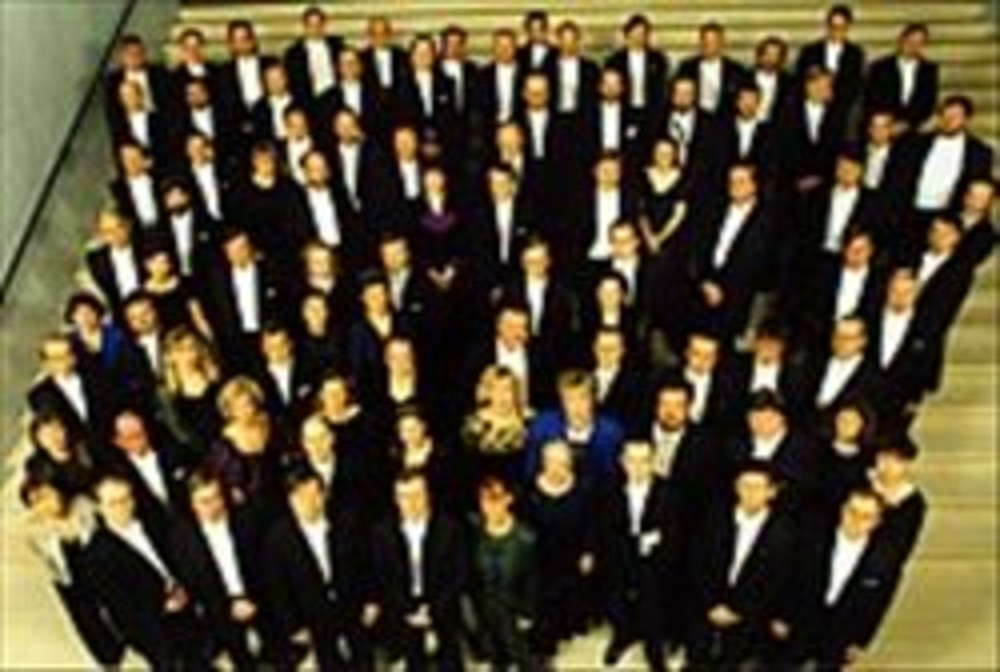
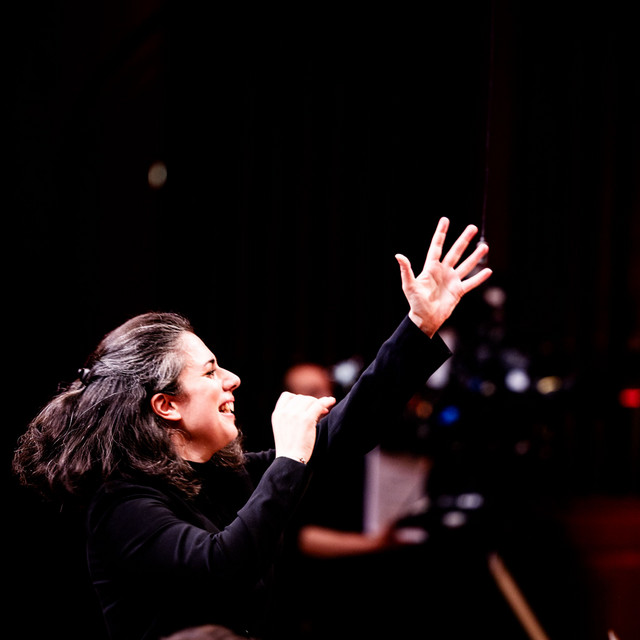
Finnish Radio Symphony Orchestra
1989–2023
·
2 albums
Listen
2
/5
Genres
Writing
Writing is a functional, streaming-era microgenre designed to support reading and writing by providing an unobtrusive sonic backdrop. It favors gentle dynamics, sparse textures, and a stable emotional temperature that reduces distraction while maintaining a subtle sense of flow. The sound palette commonly blends modern classical elements (felt piano, light strings), ambient pads and drones, soft post-rock guitars with long reverb tails, and understated downtempo or lo-fi rhythms. Tempos are typically slow to moderate (often 60–90 BPM) or pulse-free, with simple, repetitive motifs and gradual evolution rather than dramatic contrasts. Harmonically, it leans on consonant, slowly changing chords, modal centers, and extended triads for warmth, avoiding sharp dissonance or sudden modulations. Vocals, when present at all, are wordless; most tracks are instrumental to preserve focus.
Discover
Listen
Contemporary Classical
Contemporary classical is the broad field of Western art music created after World War II. It embraces an array of aesthetics—from serialism and indeterminacy to minimalism, spectralism, electroacoustic practices, and post‑tonal lyricism—while retaining a concern for notated composition and timbral innovation. Unlike the unified styles of earlier eras, contemporary classical is pluralistic. Composers freely mix acoustic and electronic sound, expand instrumental techniques, adopt non‑Western tuning and rhythm, and explore new forms, from process-based structures to open and graphic scores. The result is a music that can be rigorously complex or radically simple, technologically experimental or intimately acoustic, yet consistently focused on extending how musical time, timbre, and form can be shaped.
Discover
Listen
Nordic Orchestra
Nordic orchestra refers to the symphonic and orchestral tradition emerging from the Nordic countries (Denmark, Finland, Iceland, Norway, and Sweden), characterized by a distinct 'Nordic tone'. This style is renowned for its evocative soundscapes that often reflect the region's dramatic natural landscapes—vast forests, rugged mountains, and light-filled summer nights. Musically, it combines the structural depth of Central European classical traditions with the modal melodies, drone basses, and rhythmic vitality of local folk music. The genre encompasses the National Romanticism of the 19th century, which sought to define national identities, as well as the stark, organic modernism of the 20th century.
Discover
Listen
Classical Harp
Classical harp refers to the Western art‑music repertoire and performance practice for the concert harp, especially the single‑ and double‑action pedal harp used from the late Baroque and Classical eras through Romanticism to the present. It foregrounds idiomatic arpeggiation, glissandi, harmonics, and refined pedaling that enable chromatic harmony and orchestral color. The genre spans solo works, concertos, chamber music, and orchestral writing, and is closely associated with the Parisian harp schools of the 19th–20th centuries, whose pedagogy shaped modern technique and repertoire.
Discover
Listen
Concerto
A concerto is a large-scale composition that sets one or more solo instruments in dynamic dialogue with an orchestra. Its core idea is contrast—between soloist and tutti—and the dramatic negotiation of power, color, and thematic responsibility. While Baroque concertos often relied on ritornello form, the Classical era standardized a three-movement plan (fast–slow–fast) with sonata principles in the opening movement. The Romantic period emphasized virtuosity and expressive foregrounding of the soloist, and the 20th–21st centuries broadened the palette with new instruments, harmonies, and formats. Across eras, the concerto remains a showcase for instrumental character, technical brilliance, and the art of orchestral conversation.
Discover
Listen
Orchestral
Orchestral music refers to compositions written for an orchestra—a large ensemble typically built around a string section (violins, violas, cellos, double basses), complemented by woodwinds, brass, percussion, and often harp, keyboard, or other auxiliary instruments. A conductor coordinates the ensemble, shaping balance, phrasing, and expression. The style emphasizes coloristic timbre combinations, dynamic range from the softest pianissimo to explosive tuttis, and textures that can shift seamlessly between transparent chamber-like writing and monumental masses of sound. Orchestral writing underpins concert genres such as symphonies, overtures, and tone poems, as well as opera, ballet, and modern film and game scores. While orchestral writing evolved across centuries, its core craft centers on melody, counterpoint, harmony, register, and orchestration—the art of assigning musical ideas to instruments to achieve clarity, contrast, and narrative impact.
Discover
Listen
Classical
Classical music is the notated art-music tradition of Europe and its global descendants, characterized by durable forms, carefully codified harmony and counterpoint, and a literate score-based practice. The term “classical” can refer broadly to the entire Western art-music lineage from the Medieval era to today, not just the Classical period (c. 1750s–1820s). It privileges long-form structures (such as symphonies, sonatas, concertos, masses, and operas), functional or modal harmony, thematic development, and timbral nuance across ensembles ranging from solo instruments to full orchestras and choirs. Across centuries, the style evolved from chant and modal polyphony to tonal harmony, and later to post-tonal idioms, while maintaining a shared emphasis on written notation, performance practice, and craft.
Discover
Listen
Show all 7 genres
Albums
2023
Lotta Wennäkoski: Sigla
Lotta Wennäkoski, Sivan Magen, Finnish Radio Symphony Orchestra, Nicholas Collon
Classical Harp
1989
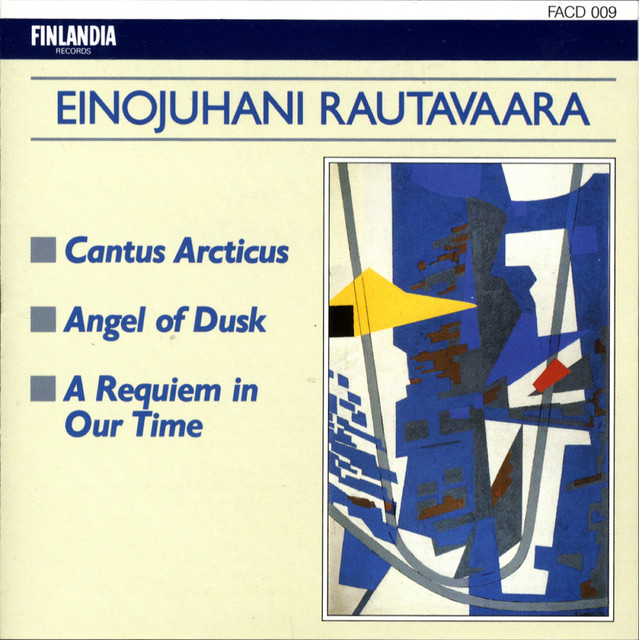
Rautavaara : Cantus Arcticus, Angel Of Dusk, A Requiem In Our Time
Einojuhani Rautavaara, Rautavaara : Cantus Arcticus, Angel Of Dusk, A Requiem I…
Nordic Orchestra
Similar artists
3
/5
BBC Symphony Orchestra
Classical
Concerto
Contemporary Classical
3
/5
Deutsches Symphonie-Orchester Berlin
Classical
Opera
Concerto
3
/5
Orchestre Philharmonique de Radio France
Classical
Concerto
Contemporary Classical
3
/5
Warsaw Philharmonic Orchestra
Classical
Classical Piano
Concerto
2
/5
Ulster Orchestra
Classical
Minimalism
Concerto
4
/5
Johann Sebastian Bach
Baroque
Classical
Baroque Suite
3
/5
Antoni Wit
Classical
Requiem
Orkiestra Symfoniczna
3
/5
Pierre Boulez
Classical
Expressionism
Impressionism
3
/5
BBC Philharmonic
Classical
Concerto
Contemporary Classical
2
/5
WDR Sinfonieorchester Köln
Classical
Electroacoustic
Musique Concrète
Download our mobile app
Get the Melodigging app and start digging for new genres on the go
Download on the App Store
Get it on Google Play
© 2026 Melodigging
Give feedback
Legal
Melodding was created as a tribute to
Every Noise at Once
, which inspired us to help curious minds keep digging into music's ever-evolving genres.