Genres
Artists
Albums
Make Music
Sign in
Sign in
Artists
Classical
Artists
Classical
Ulster Orchestra
1988–2000
·
2 albums
Listen
2
/5
Genres
Minimalism
Minimalism is a style of Western art music that emerged in the United States during the 1960s, characterized by the use of very limited musical materials, steady pulse, and extensive repetition. Composers often build pieces from short cells or motifs that are repeated and slowly transformed through additive or subtractive processes, phase shifting, and gradual changes in harmony, texture, or register. Harmony is typically consonant (often modal or diatonic), though just intonation and extended drones are also common. The result is music that foregrounds process, clarity, audibility of structure, and a hypnotic sense of stasis and flow. Typical ensembles include keyboards, mallet percussion, strings, winds, voices, and electronics or tape. Minimalism influenced a wide array of later styles, from ambient and new age to post-minimalism and minimal techno.
Discover
Listen
English Pastoral School
The English Pastoral School is an early 20th‑century current in British classical music that evokes the landscapes, folk traditions, and choral heritage of England. Its sound is lyrical, modal, and often deliberately diatonic, favoring transparent textures and long, singing lines over dense chromaticism. Composers in this movement frequently drew on English folk songs and hymnody, and rediscovered techniques from Tudor and Renaissance polyphony. Orchestration tends to feature warm strings, solo woodwinds (especially oboe and cor anglais), horn choirs, and harp, with choral and organ writing closely allied to Anglican liturgy. The mood ranges from serenely bucolic to elegiac, reflecting both an idealized countryside and the losses of the First World War.
Discover
Listen
Orchestral
Orchestral music refers to compositions written for an orchestra—a large ensemble typically built around a string section (violins, violas, cellos, double basses), complemented by woodwinds, brass, percussion, and often harp, keyboard, or other auxiliary instruments. A conductor coordinates the ensemble, shaping balance, phrasing, and expression. The style emphasizes coloristic timbre combinations, dynamic range from the softest pianissimo to explosive tuttis, and textures that can shift seamlessly between transparent chamber-like writing and monumental masses of sound. Orchestral writing underpins concert genres such as symphonies, overtures, and tone poems, as well as opera, ballet, and modern film and game scores. While orchestral writing evolved across centuries, its core craft centers on melody, counterpoint, harmony, register, and orchestration—the art of assigning musical ideas to instruments to achieve clarity, contrast, and narrative impact.
Discover
Listen
Classical
Classical music is the notated art-music tradition of Europe and its global descendants, characterized by durable forms, carefully codified harmony and counterpoint, and a literate score-based practice. The term “classical” can refer broadly to the entire Western art-music lineage from the Medieval era to today, not just the Classical period (c. 1750s–1820s). It privileges long-form structures (such as symphonies, sonatas, concertos, masses, and operas), functional or modal harmony, thematic development, and timbral nuance across ensembles ranging from solo instruments to full orchestras and choirs. Across centuries, the style evolved from chant and modal polyphony to tonal harmony, and later to post-tonal idioms, while maintaining a shared emphasis on written notation, performance practice, and craft.
Discover
Listen
Japanese Classical
Japanese classical refers to the courtly, religious, theatrical, and chamber traditions that crystallized in Japan from the Nara and Heian periods onward. It encompasses Gagaku (imperial court music), Shinto ritual music (kagura), Buddhist chant (shōmyō), Noh and Kabuki repertories (e.g., nagauta, jōruri), and chamber music for koto, shamisen, and shakuhachi (sankyoku). The style emphasizes modal color (ryō and ritsu modes, along with later in/yo pentatonic variants), the dramatic architecture of jo–ha–kyū (slow introduction, development, swift conclusion), and the aesthetic of ma (meaningful silence/space). Textures are often heterophonic or layered, timbres are cultivated for breathy, reedy, and bell-like colors (e.g., shō, hichiriki, ryūteki), and rhythm can range from free-flowing chant to stately ceremonial cycles. The result is a contemplative yet ceremonially powerful sound world distinct from Western common-practice tonality.
Discover
Listen
Albums
2000
1
/5
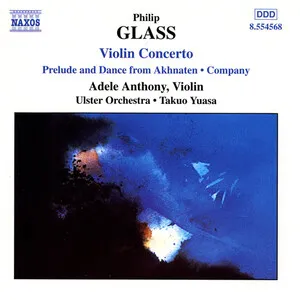
Violin Concerto; Prelude and Dance From Akhnaten; Company
Philip Glass
Minimalism
Classical
1988
1
/5
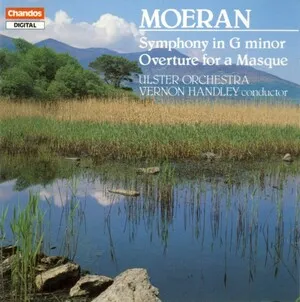
Symphony in G Minor; Overture for a Masque
Ernest John Moeran / Ulster Orchestra / Vernon Handley
English Pastoral School
Similar artists
1
/5
Various Artists
Afro-Funk
Alternative Rock
Ambient
3
/5
San Francisco Symphony
Classical
Minimalism
Pet Calming
2
/5
Edo de Waart
Classical
Minimalism
Opera
2
/5
Dawn Upshaw
Classical
Minimalism
Opera
2
/5
Ensemble Modern
Minimalism
Avant-Garde
Classical
4
/5
London Symphony Orchestra
Classical
Ballet
Concerto
4
/5
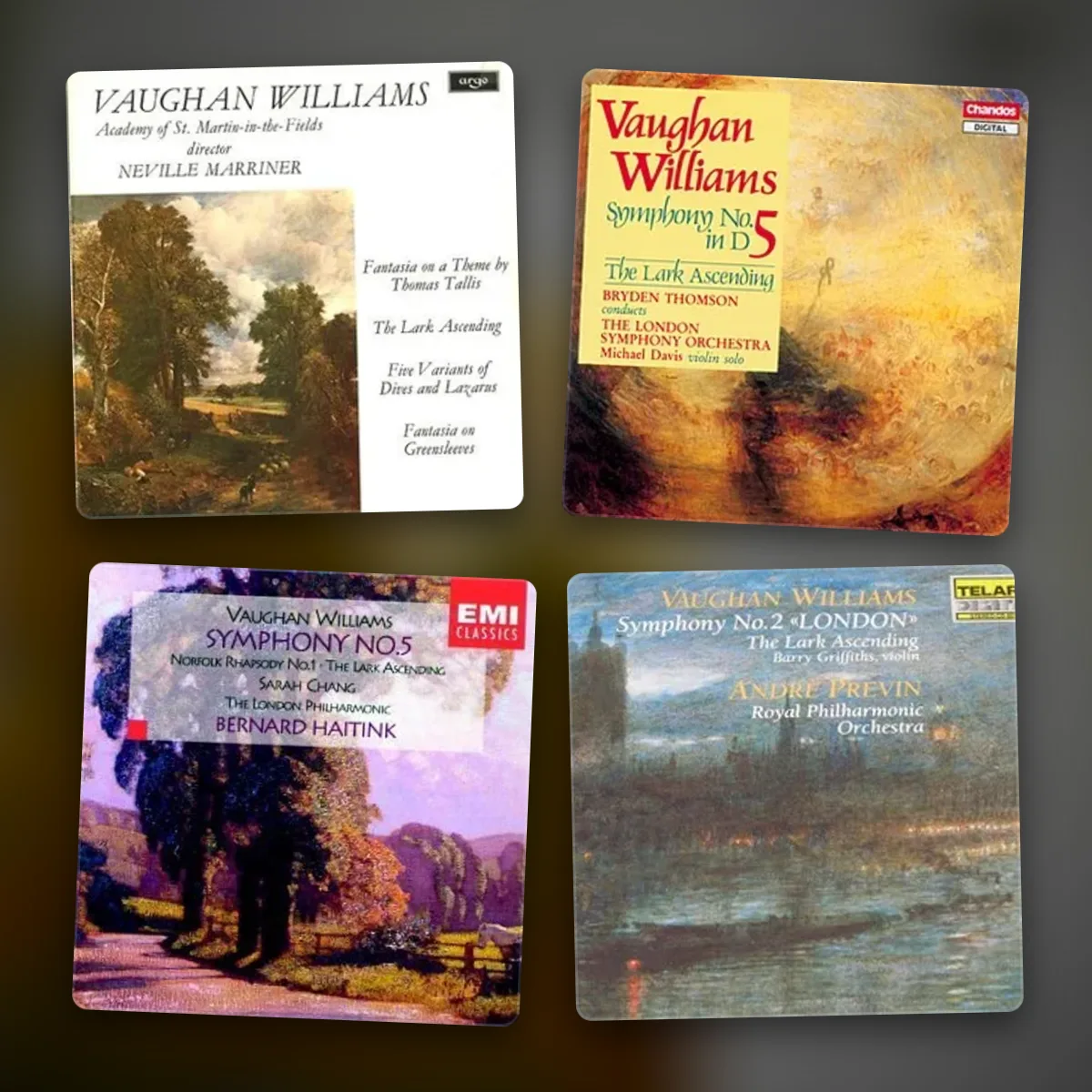
Academy of St. Martin in the Fields
Classical
Classical Performance
Baroque
4
/5
Sir Neville Marriner
Classical
Baroque
Classical Performance
4
/5
André Previn
Orchestral Performance
Classical
Deep Soundtrack
3
/5
Gustav Holst
Symphonic Poem
Classical
English Pastoral School
Download our mobile app
Get the Melodigging app and start digging for new genres on the go
Download on the App Store
Get it on Google Play
© 2026 Melodigging
Give feedback
Legal
Melodding was created as a tribute to
Every Noise at Once
, which inspired us to help curious minds keep digging into music's ever-evolving genres.