Genres
Artists
Albums
Make Music
Sign in
Sign in
Artists
Japanese Vgm
Artists
Japanese Vgm
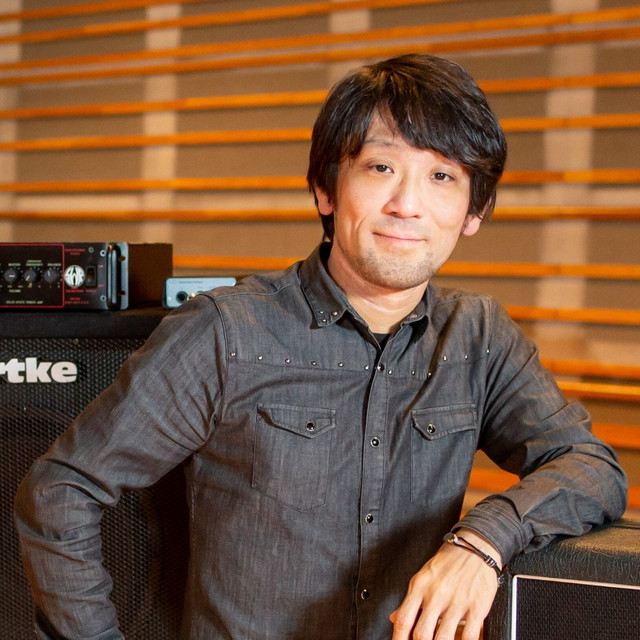
Falcom Sound Team jdk
1987
·
1 album
Listen
3
/5
Genres
Vapor Pop
Vapor pop is a glossy, internet-native strain of alternative pop that blends vaporwave’s hazy nostalgia with contemporary synth-pop and dream-pop songwriting. It favors soft-focus textures, clean but slightly detuned synths, breathy vocals, and gently pulsing beats that evoke late‑night drives, neon cityscapes, and digital romance. Where vaporwave deconstructs and slows down archival media, vapor pop translates that vaporous, retro-futurist palette into concise, hook-forward songs. The result is sleek and melancholic yet accessible: pop structures and earworm choruses wrapped in gauzy ambience, 80s/90s timbral references, and modern streaming-era minimalism.
Discover
Listen
Lo-Fi Vgm
Lo‑fi VGM (lo‑fi video game music) is a crossover style that blends the relaxed, tape‑warmed aesthetics of lo‑fi hip hop with melodies and atmospheres from classic and contemporary video game scores. Producers typically re‑harmonize or gently reharmonize well‑known themes, slow the tempos into the 60–90 BPM range, add vinyl crackle, tape hiss, dusty drums, soft keys/guitar, and cozy ambience, and retain the nostalgic contours of the original cues. The result is music suited for studying, streaming, or unwinding, while evoking game‑world nostalgia. Netlabels and collectives—most visibly GameChops and Curaga Records—helped codify the sound with licensed, album‑length reinterpretations of major franchises.
Discover
Listen
Japanese Vgm
Japanese VGM (video game music) refers to music created for Japanese video games, spanning arcade cabinets, home consoles, handhelds, PCs, and modern platforms. It is melody-forward, loop-friendly, and highly thematic, often built on short motifs and clear leitmotifs for characters, locations, and events. Early sound palettes centered on PSG and FM synthesis; later generations added PCM sampling, CD audio, and full orchestral/hybrid production. Stylistically it blends electronic programming with influences from classical orchestration, jazz fusion, kayōkyoku/J‑Pop hooks, and progressive rock, while sometimes coloring harmony or melody with Japanese scales. Its catchy writing, memorable hooks, and tight arrangements have made it globally influential well beyond games.
Discover
Listen
Fm Synthesis
FM synthesis is a sound-design–driven electronic style built around frequency modulation techniques, where one oscillator (the modulator) alters the frequency of another (the carrier) to create complex, evolving spectra. The result is famously bright, glassy, and metallic timbres—bell tones, electric pianos, plucks, basses, and inharmonic percussion—that are difficult to achieve with subtractive or wavetable methods. As a musical aesthetic, FM synthesis coalesced around the Yamaha DX series (especially the DX7, 1983) and later 4‑operator units like the TX81Z, spreading through 1980s pop, city pop, new age, jazz fusion, and game music. Its signature presets (e.g., "E. PIANO 1", "Lately Bass") defined the sonic palette of mid‑80s to early‑90s recordings, while FM chips in consoles and arcades shaped the sound of an entire era of video games. Today, FM remains a distinct compositional palette: crystalline highs, punchy transient detail, and harmonically rich but precise tones that can feel both futuristic and nostalgic.
Discover
Listen
Soundtrack
Soundtrack is music created to accompany and enhance visual media such as film, television, and video games. It includes original scores (instrumental or vocal music composed specifically for the picture) and, at times, curated compilations of pre-existing songs. Stylistically, soundtrack is a meta-genre that can encompass orchestral symphonic writing, jazz, electronic and synth-driven textures, choral forces, popular song, and experimental sound design. Its defining trait is functional storytelling: themes, motifs, harmony, rhythm, and timbre are shaped by narrative needs, character psychology, pacing, and editing. Common features include leitmotifs for characters or ideas, modular cues that can be edited to picture, dynamic orchestration for dramatic range, and production approaches that sit well under dialogue and sound effects. Because it must synchronize to picture, soundtrack often uses clear dramatic arcs, tempo maps, and hit points.
Discover
Listen
Albums
1987
1
/5
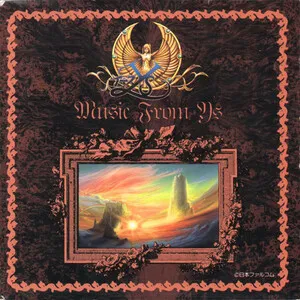
Music From Ys
Nihon Falcom
Fm Synthesis
Similar artists
4
/5
アトラスサウンドチーム
Soundtrack
Isekai
Japanese Vgm
4
/5
ATLUS GAME MUSIC
Isekai
Japanese Vgm
Regalia
4
/5
SEGA SOUND TEAM
Soundtrack
Gamecore
Gaming Edm
4
/5
Nobuo Uematsu
Soundtrack
Classical
Deep Soundtrack
4
/5
祖堅 正慶
Isekai
Japanese Vgm
Regalia
4
/5
Yoko Shimomura
Chiptune
Digital Horror
Isekai
4
/5
Capcom Sound Team
Japanese Vgm
Modern Jungle
Shib
4
/5
Bandai Namco Game Music
Doomshop Phonk
Gaming Edm
Isekai
3
/5
Masafumi Takada
Digital Horror
Japanese Vgm
Soundtrack
3
/5
SIE Sound Team
Japanese Vgm
Soundtrack
Psybass
Download our mobile app
Get the Melodigging app and start digging for new genres on the go
Download on the App Store
Get it on Google Play
© 2026 Melodigging
Give feedback
Legal
Melodding was created as a tribute to
Every Noise at Once
, which inspired us to help curious minds keep digging into music's ever-evolving genres.