Genres
Artists
Albums
Make Music
Sign in
Sign in
Artists
American 21st Century Classical
Artists
American 21st Century Classical
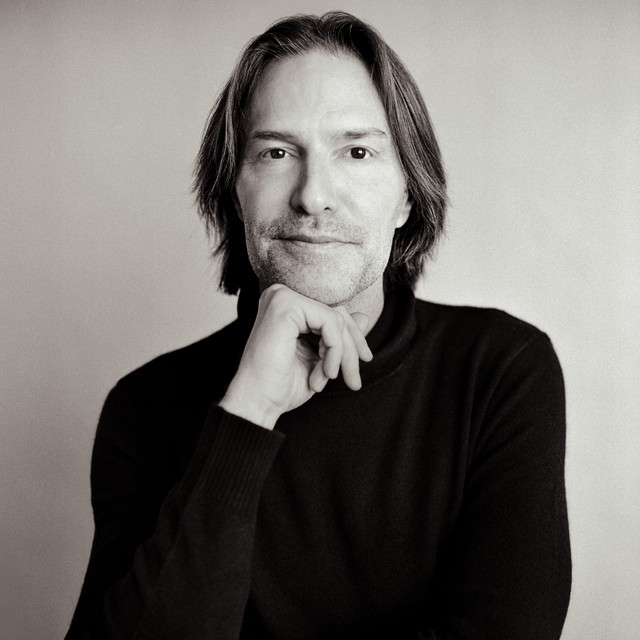
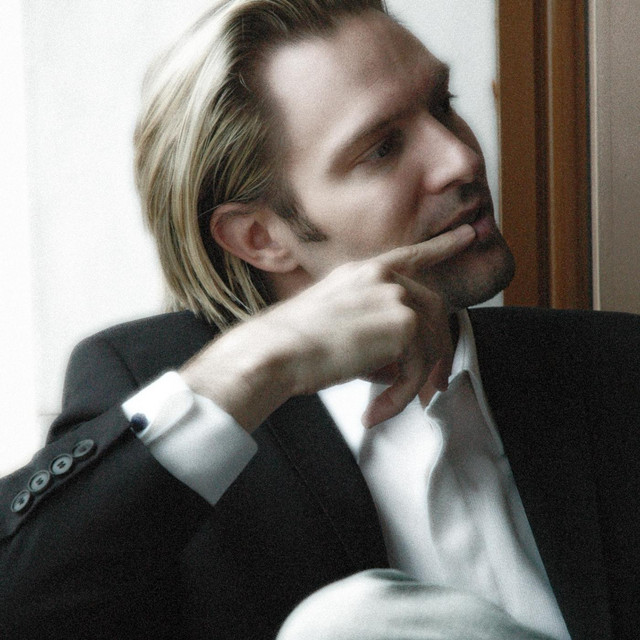
Eric Whitacre
2008–2018
·
4 albums
Listen
3
/5
Genres
Pet Calming
Pet calming is a functional micro‑genre designed to reduce stress and arousal in companion animals—primarily dogs and cats—during triggering situations such as owner absence, fireworks, vet visits, thunderstorms, or travel. Musically it favors very slow tempos, sparse arrangements, soft timbres (piano, pads, gentle strings, warm guitars), long sustains, smooth envelopes, and stable, consonant harmonies. Dynamics are kept narrow and transients are tamed to avoid startle responses. Many releases add gentle environmental ambiences (rain, ocean, rustling leaves) or unobtrusive pink/white‑noise beds to mask external sounds. Structures are highly repetitive with gradual variation so the soundscape feels predictable and safe. While aimed at non‑human listeners, the genre is informed by animal‑behavior findings (e.g., predictable low‑arousal sound reduces stress) and by human relaxation idioms (ambient, new age, lullaby). It is commonly delivered as long‑form, streaming‑friendly content that owners can loop for hours.
Discover
Listen
American 21st Century Classical
American 21st century classical refers to the body of concert music written by U.S.-based composers since the year 2000. It synthesizes the long arc of the Western classical tradition with post‑minimalism, spectral and timbral thinking, electroacoustic techniques, and porous boundaries with jazz, indie, and electronic scenes. This repertoire is marked by stylistic plurality: one can find post‑tonal rigor next to radiant consonance, pulse‑driven post‑minimalist grooves alongside static soundscapes, and acoustic virtuosity integrated with live electronics. It is also characterized by performer‑composer collaboration, flexible instrumentation (from DIY chamber setups to revitalized orchestras), and a renewed attention to place, ecology, and social themes in programmatic narratives.
Discover
Listen
Contemporary Classical
Contemporary classical is the broad field of Western art music created after World War II. It embraces an array of aesthetics—from serialism and indeterminacy to minimalism, spectralism, electroacoustic practices, and post‑tonal lyricism—while retaining a concern for notated composition and timbral innovation. Unlike the unified styles of earlier eras, contemporary classical is pluralistic. Composers freely mix acoustic and electronic sound, expand instrumental techniques, adopt non‑Western tuning and rhythm, and explore new forms, from process-based structures to open and graphic scores. The result is a music that can be rigorously complex or radically simple, technologically experimental or intimately acoustic, yet consistently focused on extending how musical time, timbre, and form can be shaped.
Discover
Listen
Classical
Classical music is the notated art-music tradition of Europe and its global descendants, characterized by durable forms, carefully codified harmony and counterpoint, and a literate score-based practice. The term “classical” can refer broadly to the entire Western art-music lineage from the Medieval era to today, not just the Classical period (c. 1750s–1820s). It privileges long-form structures (such as symphonies, sonatas, concertos, masses, and operas), functional or modal harmony, thematic development, and timbral nuance across ensembles ranging from solo instruments to full orchestras and choirs. Across centuries, the style evolved from chant and modal polyphony to tonal harmony, and later to post-tonal idioms, while maintaining a shared emphasis on written notation, performance practice, and craft.
Discover
Listen
Choral
Choral refers to music written for and performed by a choir—an ensemble of voices organized into sections such as soprano, alto, tenor, and bass (SATB), or same-voice groupings (SSA, TTBB). It encompasses both sacred and secular repertoire and may be sung a cappella or with accompaniment by organ, piano, or full orchestra. Stylistically, choral music ranges from chant-like monophony to intricate polyphony and rich homophonic textures. Texts are drawn from liturgy, scripture, poetry, and vernacular sources, and are set in many languages. Performance contexts include church services, concert halls, and community events, making choral one of the most socially embedded and widely practiced forms of ensemble music. Across history, choral music has served as a laboratory for vocal counterpoint, word painting, and text-driven form, while functioning as a cultural bridge among religious rites, national traditions, and contemporary concert practice.
Discover
Listen
Albums
2018
2
/5
i carry your heart
Eric Whitacre
American 21st Century Classical
2010
1
/5
Sleep My Child
Eric Whitacre
American 21st Century Classical
2009
2
/5
Byu Choirs and Eric Whitacre 2
Eric Whitacre
American 21st Century Classical
2008
1
/5
Eric Whitacre Conducts: Live from Tokyo!
Eric Whitacre
American 21st Century Classical
Similar artists
3
/5
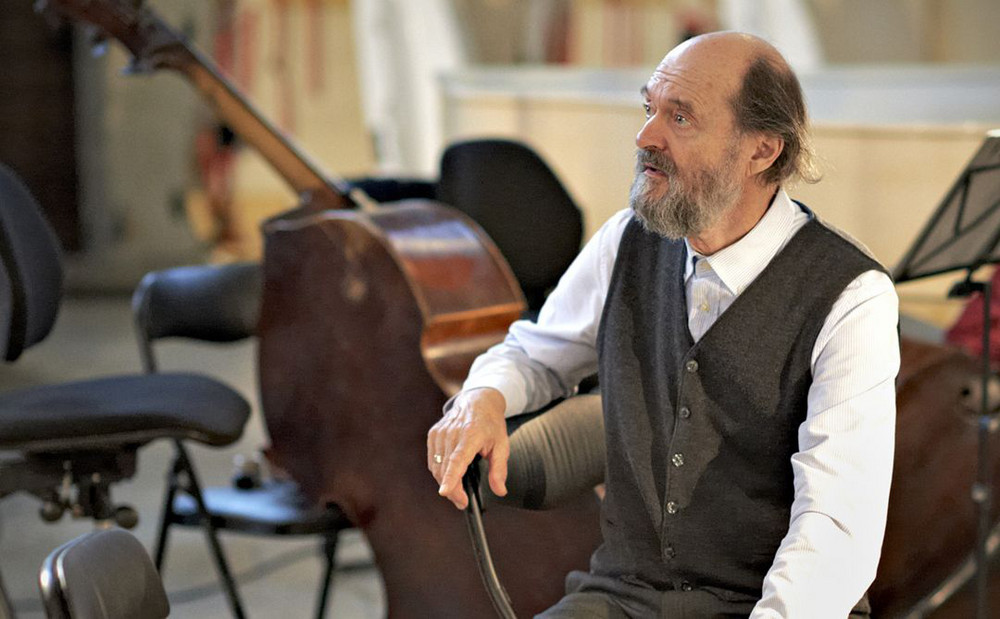
Arvo Pärt
Minimalism
Classical
Holy Minimalism
2
/5
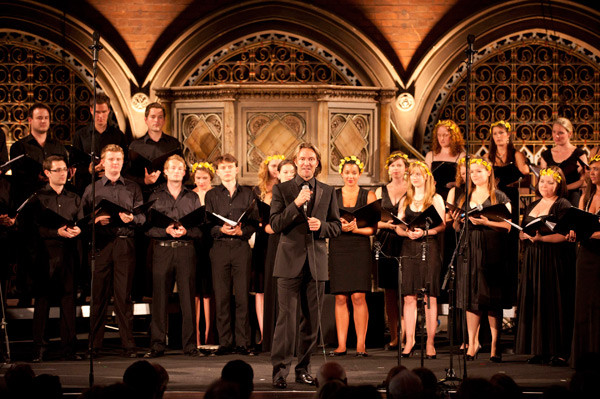
Eric Whitacre Singers
Choral
Pet Calming
American 21st Century Classical
1
/5
Various Artists
Afro-Funk
Alternative Rock
Ambient
4
/5
Johann Sebastian Bach
Baroque
Classical
Baroque Suite
4
/5
Wolfgang Amadeus Mozart
Classical
Requiem
Classical Period
4
/5
Berliner Philharmoniker
Classical
Romantic Classical
Romanticism
4
/5
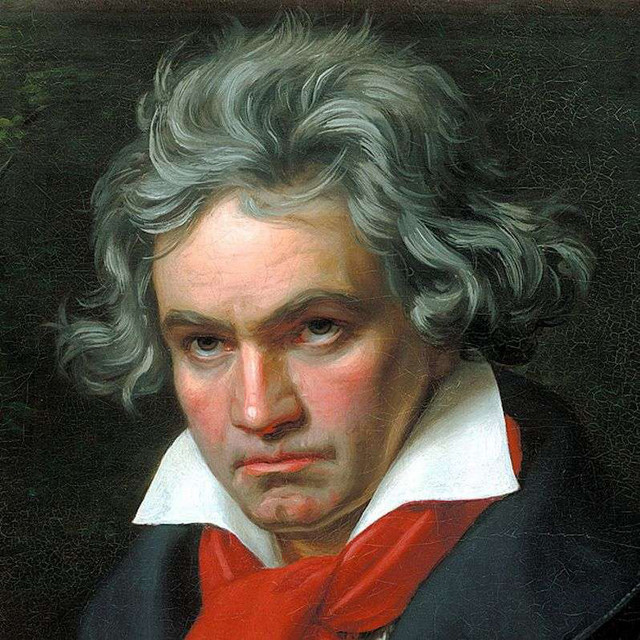
Ludwig van Beethoven
Classical
Classical Period
Romantic Classical
4
/5
Herbert von Karajan
Classical
Symphonic Poem
Symphony
4
/5
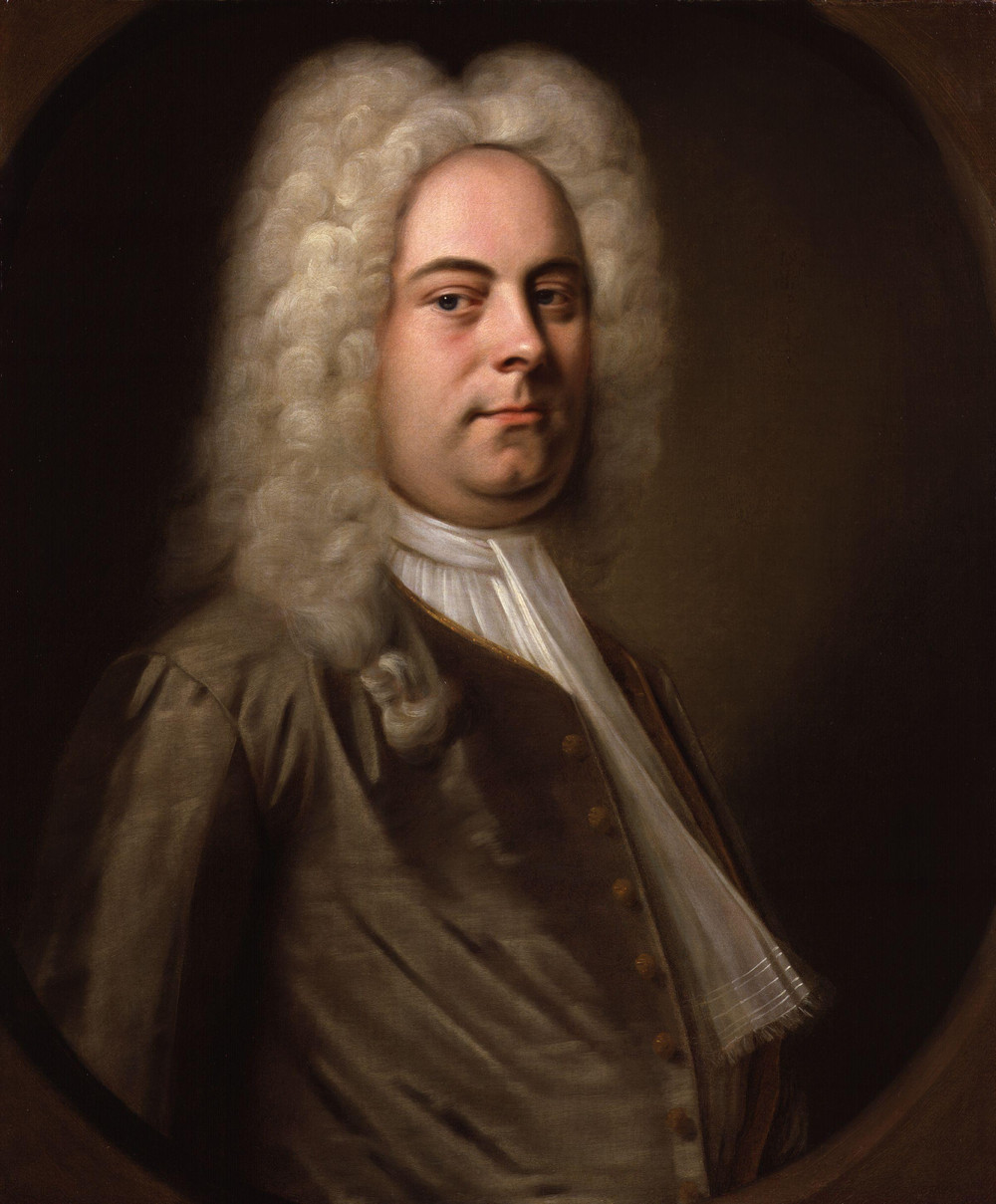
George Frideric Handel
Classical
Opera Seria
Baroque
4
/5
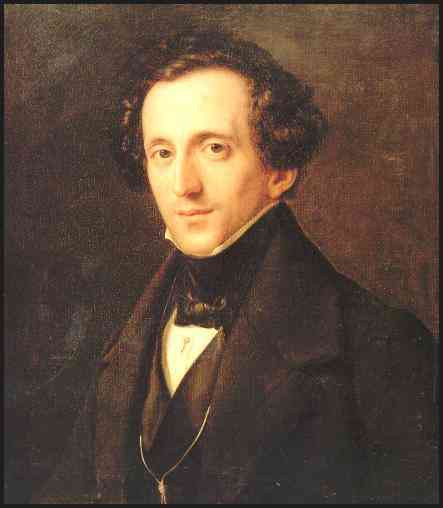
Felix Mendelssohn
Chamber Music
Choral
Classical
Download our mobile app
Get the Melodigging app and start digging for new genres on the go
Download on the App Store
Get it on Google Play
© 2026 Melodigging
Give feedback
Legal
Melodding was created as a tribute to
Every Noise at Once
, which inspired us to help curious minds keep digging into music's ever-evolving genres.