Genres
Artists
Albums
Make Music
Sign in
Sign in
Artists
Beats
Artists
Beats
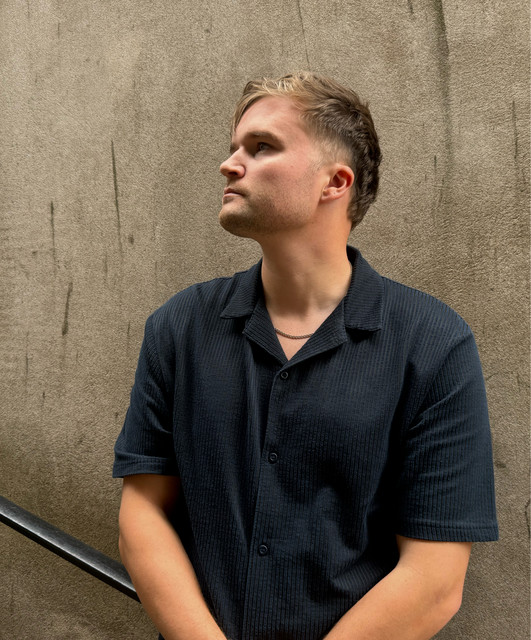
Elijah Who
Listen
3
/5
Genres
Lo-Fi Product
Lo-fi product is a micro–genre of lo-fi hip hop tailored for "product" use-cases: background beds for ads, explainer videos, tutorials, livestreams, apps, and UX/product demos. It keeps the warm vinyl patina, jazzy chords, and relaxed drums of lo-fi hip hop, but avoids attention-grabbing elements (vocals, intrusive melodies, dramatic drops) to remain non-distracting and fully licensable. Tracks are usually short, loopable, and delivered in multiple cutdowns (60/30/15 seconds, stings, loop stems) for commercial editorial and production work. Compared to artist-first lo-fi, lo-fi product is more neutral in mood, sparser in arrangement, cleaner in rights (no uncleared samples), and mastered for consistent, unobtrusive playback in mixed media contexts.
Discover
Listen
Dark Plugg
Dark plugg is a moody, minimalist offshoot of the plugg/pluggnb branch of trap that emphasizes ominous pads, minor-key motifs, and sparse, bouncy drum programming. It keeps the signature plugg swing—skittering hi‑hat triplets, clap on beat three, and rubbery 808 glides—but replaces the sunny or dreamy palette with cold bells, choirs, and horror‑tinged textures. The result is a floating, nocturnal feel that leaves lots of negative space for vocals, often paired with deadpan deliveries, whispered ad‑libs, and introspective or nihilistic themes. Producers favor short, loopable melodies (two to four bars), subtle detuning, and lush reverb/delay tails that blur around tightly side‑chained low end. Tempos commonly sit between 130–150 BPM, preserving plugg’s bounce while deepening the atmosphere.
Discover
Listen
Beats
Beats is a loose, producer-driven category for rhythm-forward instrumentals built around hip‑hop drum patterns without necessarily being rap songs or featuring vocals. It functions as an umbrella for stock, "type," and backing tracks used by rappers, singers, streamers, and content creators, spanning boom‑bap swing to trap hi‑hat grids and R&B‑leaning grooves. On streaming platforms it often appears as standalone instrumentals packaged by tempo, mood, or artist style (e.g., “trap type beat,” “R&B instrumental,” “club beat”), prioritizing portability and utility over artist identity. While rooted in hip‑hop production aesthetics—kicks, snares, 808s, chopped samples—Beats blends downtempo, electronic, and contemporary R&B sensibilities, aiming for clarity, loopability, and immediate vibe.
Discover
Listen
Chillhop
Chillhop is a mellow, sample-driven offshoot of instrumental hip hop that emphasizes laid‑back grooves, jazzy harmony, and warm, nostalgic textures. Producers favor boom‑bap-inspired drums, soft sidechain swells, tape hiss, and vinyl crackle to evoke a relaxed, intimate mood. Typically sitting around 70–92 BPM, tracks use loop‑based structures, Rhodes or piano chords with extended harmonies, and sparse melodic motifs on guitar, vibraphone, saxophone, or synths. The result is music designed for focus and calm—commonly associated with “beats to relax/study to”—that blends the rhythmic DNA of hip hop with the smoothness of downtempo and jazz.
Discover
Listen
Focus Beats
Focus beats is an instrumental, low-distraction branch of beat-driven chill music made to support concentration, studying, and deep work. It typically features mellow drum grooves at moderate-to-slow tempos (often 70–90 BPM or 80–100 BPM double-time), soft-textured samples or synth pads, gentle chord voicings borrowed from jazz and soul, and clean, unobtrusive arrangements with very little (or no) vocal content. The production favors warm saturation, tape or vinyl aesthetics, and carefully controlled dynamics to avoid harsh transients that might break concentration. While closely related to lo‑fi hip hop and downtempo, focus beats is more utilitarian by design: it reduces arrangement density, melodic foregrounding, and frequency clutter so the music sits comfortably in the background, promoting a steady cognitive flow.
Discover
Listen
Lo-Fi Beats
Lo-fi beats is a mellow, largely instrumental microgenre that blends hip hop drum programming with jazzy harmony and a deliberately "imperfect" sonic patina. Typical tracks feature gently swung drums, warm Rhodes or piano chords, soft bass, and textures like vinyl crackle, tape hiss, and room noise. Songs are loop-based, short, and unobtrusive—designed for background listening while studying, working, or relaxing. The tempo usually sits around 60–90 BPM, the frequency spectrum is softened with low‑pass filtering, and the overall mix is intentionally understated. The result is a cozy, nostalgic atmosphere that prioritizes mood over virtuosic display.
Discover
Listen
Lo-Fi Chill
Lo-fi chill is a mellow, downtempo, sample‑driven microgenre that blends the relaxed pace of chillout and downtempo with the dusty textures of lo‑fi recording aesthetics and hip‑hop beatmaking. Typically instrumental, it features swung drum grooves, vinyl crackle, gentle jazz harmonies, tape or cassette saturation, and short loop‑based arrangements designed for background listening, study, or relaxation. The emphasis is on warmth, imperfection, and mood over virtuosity, with subdued melodies, soft bass lines, and minimal dynamic contrasts creating a calming, introspective atmosphere.
Discover
Listen
Lo-Fi Jazzhop
Lo‑fi jazzhop is a mellow, beat‑driven style that blends the relaxed swing and harmony of jazz with the loop‑based production of instrumental hip hop. It favors intimate textures—vinyl crackle, tape hiss, saturated drums—and simple, hypnotic chord cycles colored by extended jazz voicings. Typically sitting around 70–90 BPM, tracks emphasize groove and mood over virtuosic solos, using Rhodes or piano, upright or electric bass, brushed or lightly compressed drums, and occasional guitar, horns, or vibraphone. Production choices (soft compression, saturation, gentle filtering, sidechain breathing) create a warm, nostalgic patina designed for studying, working, or late‑night listening. While rooted in 1990s jazz‑inflected hip hop, lo‑fi jazzhop crystallized online during the mid‑to‑late 2010s through 24/7 streams and playlist culture. It has since evolved from sample‑centric loops to an increasingly royalty‑clean, performance‑based approach that preserves the genre’s tranquil, cozy atmosphere.
Discover
Listen
Lo-Fi Study
Lo-fi study is a mellow, instrumental branch of lo-fi hip hop optimized for focus, reading, and coursework. It blends soft, dusty drum grooves with jazzy chords, simple looping melodies, and warm tape-style saturation to create a calm, non-intrusive atmosphere. Tracks usually center on 2–4 bar motifs, low-pass filtered samples or gentle keyboards (e.g., Rhodes, soft pianos), and lightly swung drum patterns around 60–95 BPM. Sonic artifacts like vinyl crackle, tape hiss, and room noise add a nostalgic, intimate texture, while minimal arrangement and limited dynamic shifts reduce distraction. The style’s visual and cultural identity—anime-inspired thumbnails, study desks, rainy cityscapes—grew alongside 24/7 livestreams and playlist culture, making it a defining sound of the online “study/relax” era.
Discover
Listen
Lo-Fi Hip Hop
Lo-fi hip hop is a mellow, sample-driven offshoot of hip hop that emphasizes warm, imperfect textures, simple loops, and relaxed grooves over virtuosic rapping or dense production. Producers often foreground tape hiss, vinyl crackle, and bit-depth artifacts to evoke a cozy, worn-in feeling that complements the genre’s minimal, repetitive structures. Built from boom-bap drum programming, jazzy chord progressions, and short melodic motifs, lo-fi hip hop typically functions as instrumental background music for reading, studying, or unwinding. Its aesthetics are closely tied to internet culture—especially 24/7 livestreams and anime-inspired visuals—making it one of the most recognizable “ambient hip hop” sounds of the streaming era.
Discover
Listen
Study Beats
Study beats is an internet-era microgenre of instrumental hip‑hop designed to facilitate concentration, reading, coding, and late‑night work. It blends mellow boom‑bap rhythms with warm, lo‑fi textures (vinyl crackle, tape hiss), soft side‑chained drums, and gentle jazz‑soul harmony. Tracks are typically short and loop‑based, avoid abrupt changes, and sit in a comfortable midrange so they remain present without becoming distracting. Aesthetically, the scene is closely tied to cozy imagery—rainy windows, desk lamps, notebooks, and anime‑inspired study rooms—mirroring the genre’s calm, reflective sound.
Discover
Listen
Kawaii Future Bass
Kawaii future bass is a Japanese-born microgenre that blends the sidechained, chord-heavy drops of future bass with the cheery melodies, cute sound design, and pop sensibilities of J-pop, anime music, and game-inspired chiptune. It typically features bright supersaw stacks, bell and mallet plucks, high-pitched vocal chops (often from Vocaloid or J-pop/utaite sources), and sugary melodies in major or Lydian modes. Drums follow a half-time trap groove with crisp snares on beat three, while heavy sidechain compression creates a buoyant, bouncy feel. The aesthetic emphasizes “kawaii” (cute) culture—pastel tones, playful samples, and whimsical ear-candy—resulting in upbeat, feel-good tracks that are as much about personality and texture as they are about harmony and rhythm.
Discover
Listen
No Beat
No beat is a Brazilian, producer‑driven tag and scene that grew around baile funk and adjacent regional party styles, where the beatmaker’s identity (often voiced as the tag “X no beat!”) is foregrounded. Musically it pulls from funk carioca’s Miami‑bass lineage, paredão/car‑sound‑system aesthetics, and newer dark, minimalist strands (e.g., bruxaria), yielding hard sub‑bass, sparse percussion at 130–150+ BPM, abrupt mutes, chopped/ported vocals, and crowd‑command call‑outs. In some regional pockets the groove leans into arrochadeira/brega influences and trap textures (“trapfunk”). Rather than meaning “without drums,” the label signals a producer‑centric baile funk approach that thrives in street parties and sound‑system culture and has fed into today’s global club and trap‑funk cross‑pollination.
Discover
Listen
Pov: Indie
"pov: indie" is a social-media-native microstyle built around short, cinematic indie-pop/indie-rock snippets designed to accompany a first-person (POV) narrative. Instead of being defined by a single new musical technique, it is defined by context: the music is chosen or written to feel like the soundtrack to a specific moment (a crush, a late-night walk, moving to a new city, seasonal nostalgia). Sonically it typically uses bright but soft guitars or synths, intimate vocals, simple memorable hooks, and production that reads clearly on phone speakers. The emotional tone is often wistful, tender, and “coming-of-age,” with lyrics that can be understood quickly in a 10–30 second clip.
Discover
Listen
Ambient Lo-Fi
Ambient lo-fi blends the spacious, texture-driven soundscapes of ambient music with the intimate, imperfect aesthetics of lo‑fi recording and production. Expect soft pads, tape hiss, vinyl crackle, gentle guitar swells, field recordings, muted pianos, and unobtrusive, often beatless or barely-there rhythms. Harmonic movement is slow and consonant, with modal or drone foundations and lots of reverb, flutter, and saturation to convey warmth and closeness. It thrives as background-friendly music for reading, studying, sleeping, or decompression, prioritizing atmosphere and tactile sound design over hooks or complex form.
Discover
Listen
Lo-Fi Emo
Lo-fi emo is a DIY offshoot of the emo tradition that blends emotionally direct songwriting with the intimate aesthetics of home recording. It favors tape- or laptop-recorded sounds, audible room noise and hiss, simple guitar figures, and hushed, conversational vocals. Musically it often draws on twinkly Midwest-emo guitar voicings or sparse acoustic strums, minimal drum programming or lightly mic’d kits, and gentle reverb or chorus for a soft, dreamy patina. Lyrics are introspective and confessional—journals set to music—highlighting vulnerability, loneliness, nostalgia, and fleeting moments of connection. The genre flourished on Bandcamp, Tumblr, and SoundCloud, where micro-labels and peer-to-peer communities enabled rapid sharing of demos, splits, and cassette runs. Its low barrier to entry and personal tone made it a recognizable aesthetic across the 2010s and into the streaming era.
Discover
Listen
Chillwave
Chillwave is a late-2000s microgenre of electronic pop characterized by hazy, retro-tinged synthesizers, lo‑fi textures, understated drum machines, and heavily processed, dreamlike vocals. Its sound evokes sun-faded nostalgia, often referencing 1980s synth-pop and soft rock atmospheres filtered through cassette hiss, chorus, and reverb. Built by bedroom producers during the blog era, chillwave prizes mood over virtuosity: gentle major-seventh harmonies, loop-friendly motifs, and sidechain‑pumped pads create a warm, gauzy drift. Visual and conceptual aesthetics—VHS artifacts, pastel palettes, palm trees, and memories of an endless summer—are integral to its identity.
Discover
Listen
Downtempo
Downtempo is a mellow, groove-oriented branch of electronic music characterized by slower tempos, plush textures, and a focus on atmosphere over dancefloor intensity. Typical tempos range from about 60–110 BPM, with swung or laid-back rhythms, dub-informed basslines, and warm, jazz-tinged harmonies. Stylistically, it blends the spaciousness of ambient, the head-nodding rhythms of hip hop and breakbeat, and the cosmopolitan smoothness of lounge and acid jazz. Producers often use sampled drums, Rhodes or Wurlitzer electric pianos, guitar licks with delay, and field recordings to create intimate, cinematic soundscapes. The mood spans from soulful and romantic to introspective and dusk-lit, making it a staple of after-hours listening, cafes, and relaxed club back rooms.
Discover
Listen
Lo-Fi
Lo-fi is a music aesthetic and genre defined by an embrace of audible imperfections—tape hiss, clipping, room noise, distorted transients, and uneven performance—that would be treated as errors in high-fidelity recording. Emerging from the DIY ethos of American indie and punk scenes, lo-fi turns budget constraints and home-recording limitations into a signature sound. Songs are often intimate, direct, and unvarnished, prioritizing immediacy and personality over polish. Typical lo-fi recordings use 4-track cassette or similarly modest setups, simple chord progressions, and understated vocals, spanning rock, folk, pop, and experimental approaches while retaining a homemade warmth and nostalgic patina.
Discover
Listen
Show all 19 genres
Similar artists
4
/5
softy
Lo-Fi Study
Anime Lo-Fi
Chillhop
4
/5
Mondo Loops
Lo-Fi Sleep
Lo-Fi Study
Chillhop
4
/5
Casiio
Anime Lo-Fi
Chillhop
Lo-Fi
4
/5
Phlocalyst
Jazz Beats
Lo-Fi Study
Anime Lo-Fi
3
/5
Sleepermane
Chillhop
Focus Beats
Lo-Fi
3
/5
No Spirit
Chillhop
Latin Afrobeat
Lo-Fi
3
/5
Dontcry
Lo-Fi Study
Chillhop
Focus Beats
3
/5
Living Room
Chillhop
Lo-Fi
Lo-Fi Beats
3
/5
amies
Chillhop
Lo-Fi
Lo-Fi Beats
3
/5
Bcalm
Focus Beats
Lo-Fi Study
Chillhop
Download our mobile app
Get the Melodigging app and start digging for new genres on the go
Download on the App Store
Get it on Google Play
© 2026 Melodigging
Give feedback
Legal
Melodding was created as a tribute to
Every Noise at Once
, which inspired us to help curious minds keep digging into music's ever-evolving genres.