Genres
Artists
Albums
Make Music
Sign in
Sign in
Artists
Trap Boricua
Artists
Trap Boricua
Eladio Carrion
2020–2026
·
15 albums
Listen
5
/5
Genres
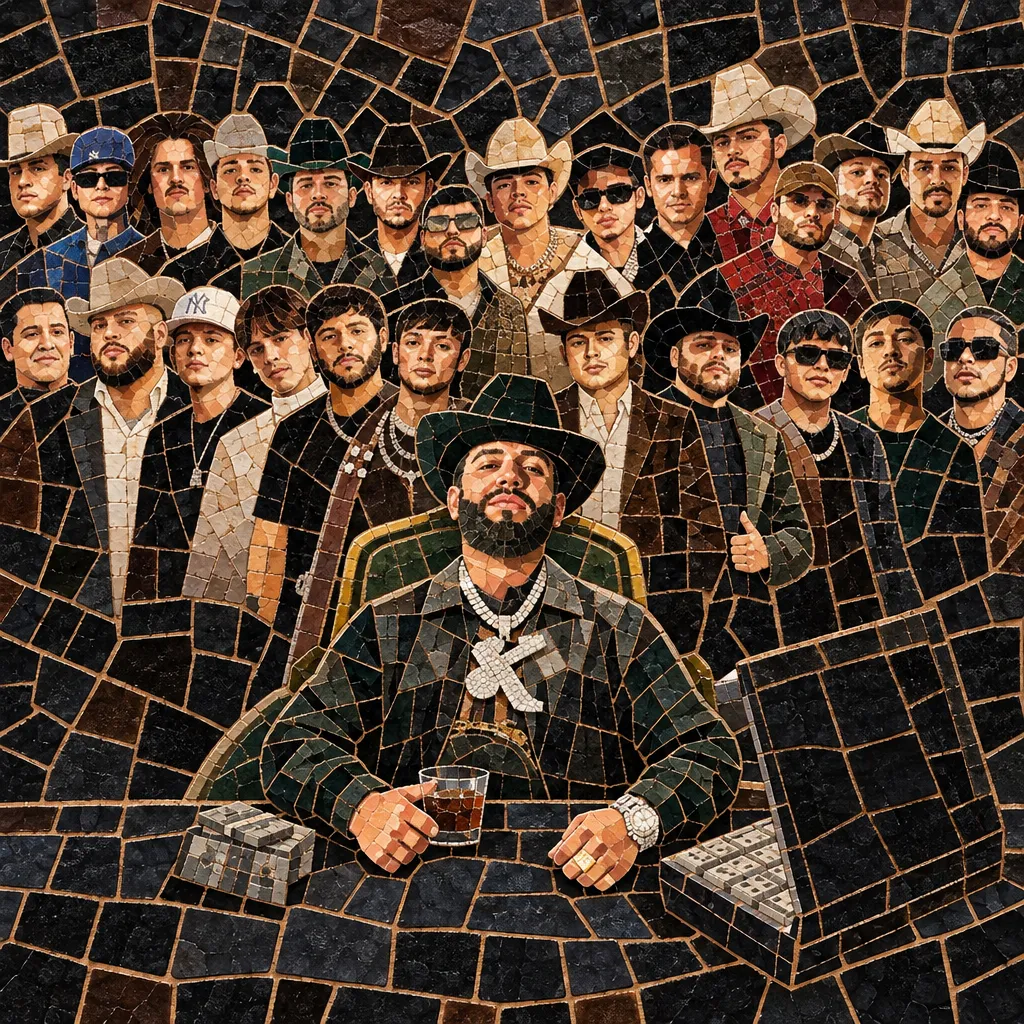
Corridos Bélicos
Corridos bélicos are a contemporary, hard-hitting branch of the Mexican corrido that foregrounds militaristic imagery, aggressive bravado, and street-informed swagger. The sound keeps the acoustic backbone of regional mexicano—sierreño trios, norteño/banda textures—while adopting the lyrical posture, ad‑libs, and urgency of trap and hip hop. Typical arrangements feature requinto and harmony guitars, tololoche or electric bass, snare-driven grooves, and sometimes tuba for low-end punch. Melodies skew minor or modal, with rapid ornamental runs, call‑and‑response riffs, and terse, talk‑sung vocal cadences. Thematically, songs chronicle power, risk, and status symbols, often coded in “bélico” (war-like) aesthetics—tactical gear, convoys, radios—delivered with taut, forward momentum.
Discover
Listen
Dembow Belico
Dembow bélico is a recent crossover of the Dominican dembow rhythm with the lyrical aesthetics and sonic signifiers of Mexico’s corridos bélicos and broader regional mexicano. It keeps dembow’s relentless, syncopated, club-ready percussion, but injects “bélico” (warlike) storytelling, slang, and iconography drawn from the corridos world. Producers typically fuse fast dembow drums, sirens, and chopped vocal shots with Mexican regional elements like tuba stabs, sierreño/12‑string guitar riffs, and banda-style brass hits. The result is a high-energy, gritty, and party-oriented sound that also carries the bravado and conflict-laced narratives characteristic of corridos bélicos.
Discover
Listen
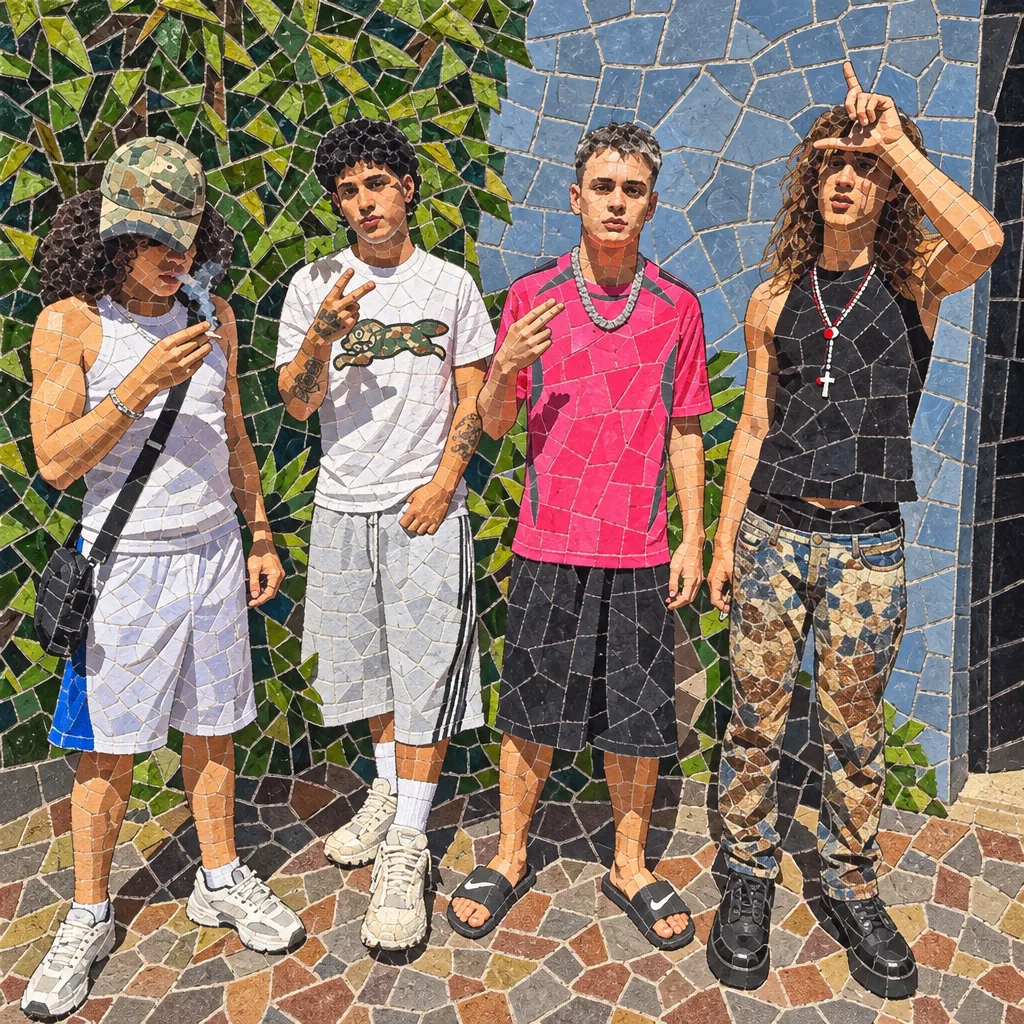
Trap Boricua
Trap boricua is the Puerto Rican strain of Latin trap: a Spanish-language take on Southern U.S. trap aesthetics fused with the island’s reggaetón DNA and hip‑hop tradition. It is characterized by halftime 4/4 grooves (typically 65–75 BPM, or 130–150 BPM counted double‑time), heavy 808 sub-bass with slides, skittering 1/16 hi‑hats and triplet rolls, crisp claps/snares on the halftime backbeat, and atmospheric pads or minor‑key synth motifs. Vocals often mix melodic Auto‑Tuned hooks with gritty rap verses, switching between rapid‑fire syllables and laid‑back flows. Lyrically, artists blend barrio storytelling, bravado (fronteo), luxury and street codes with Puerto Rican slang, while also opening space for romance, introspection, and social commentary. The sound frequently hybrids with reggaetón (dembow cadences), R&B, and drill, making it both club‑ready and mood‑driven.
Discover
Listen
Trap Triste
Trap triste (Spanish for “sad trap”) is a Spanish‑language offshoot of trap that emphasizes melancholic, introspective songwriting over minimalist, atmospheric beats. It blends minor‑key piano or guitar loops, airy pads, and reverb‑soaked textures with modern trap drum programming—808 slides, sparse kicks, and fast hi‑hat rolls. Vocals are typically sung‑rap with heavy Auto‑Tune, drawing on the emotive cadences of emo rap and the hazy feel of cloud rap while retaining Latin trap’s rhythmic backbone. Lyrically, it centers on heartbreak, loneliness, late‑night reflection, and personal vulnerability, often using straightforward, diary‑like phrasing that connects quickly with listeners on streaming platforms and social media.
Discover
Listen
Trap Latino
Trap latino (Latin trap) is a Spanish-language offshoot of Southern U.S. trap that fuses the dark, bass-heavy aesthetics of trap with the rhythmic DNA and songwriting sensibilities of the Latin urbano spectrum (reggaeton, dembow, Latin hip hop). Beats typically sit around 70–75 BPM (or 140–150 BPM double-time), driven by sliding 808 bass lines, skittering hi-hat rolls, and crisp snares/claps. Vocals range from gritty rap to heavily Auto-Tuned, melodic hooks, often delivered in Spanish or Spanglish. Lyrical themes oscillate between street realism, romance, hedonism, and introspection, with production palettes favoring minor keys, eerie pads, bell/pluck motifs, and space that lets low-end energy shine. Born in Puerto Rico mid-2010s, the style quickly crossed into the broader Latin urbano market and global pop, reshaping the sound of contemporary Latin music and catalyzing crossovers with regional Mexican, pop, and reggaeton scenes.
Discover
Listen
Argentine Trap
Argentine trap is the Southern Cone’s spin on Latin trap and contemporary hip hop, forged by a generation raised on freestyle battles, YouTube, and low‑cost bedroom production. It blends the half‑time bounce of trap (heavy 808s, rattling hi‑hats, gliding bass) with Rioplatense Spanish, lunfardo slang, melodic Auto‑Tune hooks, and pop‑ready refrains. Compared with Puerto Rican and U.S. Latin trap, the Argentine branch often pivots between braggadocio and introspective, romantic, or melancholic storytelling, and it freely cross‑pollinates with reggaeton and pop to reach massive mainstream audiences.
Discover
Listen
Pop Reggaeton
Pop reggaeton is a mainstream-friendly fusion of reggaeton’s dembow rhythm with pop songwriting, melody, and production polish. It keeps the genre’s signature off‑beat snare pattern and half‑time swing while foregrounding catchy toplines, bright synths, and clean, radio-ready mixes. Tempos typically sit around 85–100 BPM (or 170–200 BPM felt in halftime), with warm 808 subs, syncopated percussion, and hook‑centric choruses. Vocals—often in Spanish or Spanglish—lean toward memorable, romantic, or aspirational themes. Compared with classic reggaeton, pop reggaeton softens timbres, smooths cadences, and uses pop structures (verse–pre‑chorus–chorus–bridge) for broad crossover appeal.
Discover
Listen
Mambo Chileno
Mambo chileno is a Chilean club-oriented strain of urbano that emerged in the early 2010s. It marries the reggaeton/dembow drum engine with bright, synthetic hooks, chantable "mambo" shout‑outs (mambo as slang for a party), and playful rap verses. Tracks are typically upbeat and dance‑driven, with MCs rapping about parties, dancing, friendships, and urban nightlife while short sung choruses provide the earworm. Production leans on punchy dembow rhythms, brassy or synth stabs, crowd-response coros, and DJ-friendly intros/outros designed for seamless mixing.
Discover
Listen
Movimiento Alterado
Movimiento alterado is a contemporary offshoot of the Mexican corrido tradition that foregrounds hyper-violent, adrenaline-charged storytelling and hard-hitting, brass- or guitar-led arrangements. It is closely tied to the "corridos alterados" wave, in which first‑person narratives, military jargon, and explicit depictions of cartel life are delivered with swaggering vocals and propulsive rhythms. Musically, the style draws on banda sinaloense and norteño/sierreño instrumentations: blasting tambora and tarola (snare), tuba bass lines, and tight trumpet/trombone/clarinet riffs on the banda side; or rapid 12‑string guitar (requinto), accordion, and bass/tuba on the sierreño/norteño side. Harmonies are typically bright and functional (I–IV–V), while the feel is often polka‑like two‑step. Production emphasizes loud, saturated brass and percussion, catchy unison riffs, and breakneck fills that amplify the lyrical bravado. Culturally, movimiento alterado was propelled by labels and promoters who packaged and marketed the sound and image—dark attire, tactical aesthetics, and viral videos—toward Mexican and Mexican‑American audiences, especially across Sinaloa, Sonora, and the Los Angeles diaspora.
Discover
Listen
Classify
Classify is a streaming-era microgenre that blends light classical technique with contemporary pop repertoire, typically presented as unobtrusive instrumental covers. It prioritizes soft dynamics, gentle tempos, and intimate recording to create a calm, elegant backdrop suitable for studying, working, or events. Most arrangements are for solo piano, string quartet, cello/piano duos, or small chamber ensembles. Harmonies remain diatonic and consonant, melodies are clearly voiced, and textures favor arpeggios, ostinati, and sustained legato lines. The overall aesthetic borrows from modern classical and new age moods while retaining the familiarity of pop song forms.
Discover
Listen
Latin Afrobeats
Latin Afrobeats is a hybrid of West African Afrobeats and Latin urban pop in which Spanish (and sometimes Portuguese) lyrics ride syncopated, polyrhythmic grooves. It marries Afrobeats’ swung shakers, off‑beat hi‑hats, guitar licks, and buoyant bass with dembow and dancehall drum patterns common to reggaeton and Latin pop. The result is a bright, dance‑forward style with catchy toplines, call‑and‑response hooks, and concise song forms tailored to streaming. Production tends to be minimal yet percussive, with Afro‑percussion (shekere, conga/bongo colors), plucked guitars or synth plucks, and warm sub‑bass supporting melodies that often draw on pentatonic or natural minor scales. Themes revolve around romance, partying, and feel‑good celebration, making the music equally at home in clubs and playlists.
Discover
Listen
Musica Urbana Oaxaquena
Musica urbana oaxaqueña (Oaxacan urban music) is a contemporary, grassroots blend of Latin urban styles—reggaeton, Latin trap, dancehall and hip‑hop—with regional sounds and languages from the state of Oaxaca, Mexico. It often mixes Spanish with Indigenous languages such as Zapotec, Mixtec, Mixe, Mazatec, and Triqui, foregrounding local identity alongside global club aesthetics. Production typically marries dembow or halftime trap drums with timbres and melodic turns inspired by Oaxacan brass band traditions (bandas de viento), chilena costeña (6/8–3/4 hemiola swing), son istmeño motifs, and cumbia keyboards or guitars. Lyrically, it ranges from party and romance to migration, pride, and community narratives tied to fiestas patronales, tequio (communal work), and Oaxacan diasporic life.
Discover
Listen
Trap Cristiano
Trap cristiano (Spanish-language Christian trap) blends the sound design and rhythmic vocabulary of trap with explicitly Christian, biblically rooted, and testimony‑driven lyrics. It is characterized by 808-heavy low end, skittering hi-hats, half‑time grooves, and moody minor‑key pads, while centering themes such as faith, redemption, worship, and social conscience. The style grew out of long‑standing Hispanic Christian hip hop and reggaetón ministries and adapted the aesthetics of the mid‑2010s Latin trap boom to serve church, youth, and urban outreach contexts across Puerto Rico, the Dominican Republic, and the wider Latin diaspora.
Discover
Listen
Chilean Trap
Chilean trap is the Chilean iteration of Spanish-language trap that fuses the dark, half‑time bounce of U.S. trap with reggaeton’s urbano sensibility and local slang, cadences, and storytelling. It is characterized by 808-heavy, minor-key instrumentals, rapid hi-hat programming, and Auto-Tuned melodies that alternate with gritty rap verses. Lyrically, it moves between street realism and late-night romance, often coded with chilenismos and references to Santiago’s barrios. While rooted in trap, the scene frequently cross-pollinates with dembow/reggaeton rhythms, R&B-inflected hooks, and occasional drill-esque textures, creating a flexible urbano palette that spans club anthems and moody, introspective cuts.
Discover
Listen
La Pop
LA pop is a contemporary pop micro-scene centered on Los Angeles, defined by glossy, radio-ready production, hook-heavy toplining, and a tight ecosystem of songwriters, producers, and artist-development teams. It blends mainstream pop with electropop sheen, R&B smoothness, and a light touch of hip‑hop rhythms, all optimized for streaming, radio, and sync. The style emphasizes ultra-melodic choruses, crisp midtempo grooves, bright synths or guitar loops, and highly crafted vocal production (doubles, harmonies, tuned ad‑libs). Lyrically, it favors confessional storytelling about relationships, self‑image, and the LA dream—intimate in tone but cinematic in scale.
Discover
Listen
Trapfunk
Trapfunk is a Brazilian hybrid that fuses the drum programming, 808 bass, and hi‑hat articulations of trap with the syncopated tamborzão grooves, vocal cadences, and party‑ready attitude of funk carioca (baile funk). Tracks typically balance sparse, hard‑hitting trap frameworks with driving Brazilian funk percussion at 130–150 BPM, sliding 808s, and vocal deliveries that alternate between melodic hooks and rapid-fire chants. Lyrically, it draws on the street storytelling, ostentation, and party culture of the baile while adopting the darker textures and sound design of contemporary trap. The result is a club-optimized, bass-forward style that feels equally at home in the baile, on streaming playlists, and across social platforms, linking Brazil’s local funk scenes to global trap aesthetics.
Discover
Listen
Trap
Trap is a subgenre of hip hop that emerged from the Southern United States, defined by half-time grooves, ominous minor-key melodies, and the heavy use of 808 sub-bass. The style is characterized by rapid, syncopated hi-hat rolls, crisp rimshot/clap on the backbeat, and cinematic textures that convey tension and grit. Lyrically, it centers on street economies, survival, ambition, and introspection, with ad-libs used as percussive punctuation. Production is typically minimal but hard-hitting: layered 808s, sparse piano or bell motifs, dark pads, and occasional orchestral or choir samples. Vocals range from gravelly, staccato deliveries to melodic, Auto-Tuned flows, often using triplet cadences.
Discover
Listen
Urbano Latino
Urbano latino is an umbrella term for contemporary Spanish‑language urban music that fuses reggaeton, Latin trap, hip hop, R&B, and Caribbean dancehall/dembow aesthetics. It prioritizes rhythm-heavy production built from the dembow pattern, booming 808s, syncopated hi‑hats, and sleek synth textures, often paired with melodic hooks, Auto‑Tuned vocals, and call‑and‑response choruses. While rooted in Puerto Rican and Panamanian innovations of the 1990s, the genre became a global pop force in the 2000s and 2010s, driven by streaming platforms and cross‑border collaborations. Lyrical themes typically center on romance, nightlife, swagger, empowerment, and street perspective, frequently delivered in Spanish or Spanglish. The result is a dance‑forward, hook‑rich style that comfortably crosses between club, radio, and festival stages.
Discover
Listen
Reggaeton
Reggaeton is a contemporary urban dance music that blends the dembow rhythm of Jamaican dancehall with hip hop’s MC culture and Caribbean–Latin melodic sensibilities. Its hallmark is the propulsive, syncopated “dembow” drum pattern, typically around 85–100 BPM (often felt in half-time), which powers energetic verses and catchy, sung hooks. Lyrically, reggaeton is most often in Spanish or Spanglish and centers on dance, nightlife, flirtation, romance, and street life, with a performance style that alternates between rapped bars and melodic chorus lines. Production emphasizes tight, punchy drums, rolling 808 sub-bass, percussive plucks or stabs, and bright, hook-forward toplines—crafted for the club and tailored for crowd participation and perreo.
Discover
Listen
Pop Rap
Pop rap blends the rhythmic vocal delivery and beat-centric production of hip hop with the catchy hooks, polished structures, and radio-friendly sensibilities of pop music. It typically features melodic choruses (often sung), accessible themes, and mid-tempo grooves designed for mass appeal. Production prioritizes clean, bright sonics, simple harmonic progressions, and memorable top-line melodies, while verses keep to clear, punchy flows that are easy for broad audiences to follow. Because it sits between two commercial powerhouses—pop and hip hop—pop rap has frequently served as a gateway for mainstream listeners to explore rap, while giving hip hop artists a framework to cross over to pop charts.
Discover
Listen
Hip Hop
Hip hop is a cultural and musical movement that emerged from Black, Latino, and Caribbean communities, centering around rapping (MCing), DJing/turntablism, sampling-based production, and rhythmic speech over beats. It prioritizes groove, wordplay, and storytelling, often reflecting the social realities of urban life. Musically, hip hop is built on drum-centric rhythms (from breakbeats to 808 patterns), looped samples, and bass-forward mixes. Lyrically, it ranges from party anthems and braggadocio to political commentary and intricate poetic forms, with flow, cadence, and rhyme density as core expressive tools. Beyond music, hip hop encompasses a broader culture, historically intertwined with graffiti, b-boying/b-girling (breakdance), fashion, and street entrepreneurship, making it both an art form and a global social language.
Discover
Listen
Latin
Latin (as a genre label) is a broad umbrella used by the recording industry to categorize popular music rooted in Latin America, the Caribbean, and the Iberian world, often characterized by syncopated Afro-diasporic rhythms, dance-forward grooves, and lyrics primarily in Spanish or Portuguese. As a marketplace category that took shape in the mid-20th century United States, it gathers diverse traditions—Afro-Cuban, Brazilian, Mexican, and Caribbean styles—into a shared space. In practice, "Latin" spans everything from big-band mambo and bolero ballads to contemporary pop, rock, hip hop, and dance fusions produced by artists of Latin American heritage.
Discover
Listen
Corridos Adictivos
Corridos adictivos is a name found on Every Noise at Once, a map of genres identified by Spotify, and in the playlist “The Sound of Corridos Adictivos”; little has been written about it. The music tends to be fast, lively and assertive, with a bouncy pulse and Spanish-language singing. Strummed acoustic guitars and accordion are prominent, often supported by a booming tuba or sousaphone bass line. Some arrangements add trumpets, trombones and clarinets, while others use electric or acoustic bass. Drums can give the music extra drive with snare hits, rolls and cymbal crashes; some arrangements rely on strumming and bass for their rhythmic momentum instead. A common rhythm is a waltz-like oom-pah-pah, with a low bass note followed by guitar strums; a brisk polka-like beat also appears. Voices are often strong and slightly nasal, with a second singer joining the lead in close harmony. Between vocal phrases, accordion and other melodic instruments play quick runs and harmonized fills. The production is generally bright and direct, with vocals up front and some room sound or reverb. The music sits especially close to corrido, the narrative ballad tradition, and some of its artists are also associated with the guitar-led norteño style sierreño. Titles such as “Mi Historial / El 090,” “Siglas del Cartel” and “La Vida del Narco” suggest stories about named figures, coded identities and the drug trade. Releases in the playlist span 2014 to 2024.
Discover
Listen
Electro Corridos
Electro corridos is a name that appears in Spotify’s genre labels on artists, and little is written about it. The music ranges from beat-driven hip-hop to acoustic songs with a quick, waltz-like sway. Many tracks have a steady, mid-tempo bounce, with programmed kicks, crisp snares, ticking or rolling hi-hats, deep bass and synthesizer melodies. Others move faster, with offbeat acoustic guitar strums and bass carrying the pulse instead of drums. Some combine acoustic strings with electronic beats. Spanish-language voices are prominent, moving between rhythmic rapping or chanting and more projected, emotive singing. Backing harmonies, doubled vocals and ad-libs add depth; some voices have a nasal or raspy edge, while some use audible pitch correction. The production is generally clean and modern, placing the voice upfront. Beat-led tracks often favor strong low end and punchy drums, while acoustic arrangements give the strings room to ring. Its artists are also associated with corrido, guitar-led sierreño, corrido tumbado and Mexican hip hop. Those connections help explain both the narrative-song tradition and the rhythmic vocal delivery, although the electronic drums and sub-bass in some tracks contrast with the acoustic arrangements in others. Titles such as “Tu Boda” and “YO NO TE OLVIDO” suggest romance and remembrance, while “King of Watches” suggests a flashier side. The tracks and albums listed span 2018 to 2026.
Discover
Listen
Show all 24 genres
Albums
2026
CORSA
Eladio Carrion
Trap Boricua
Trap Triste
2026
3
/5
Buenos Días
Eladio Carrion
Trap Boricua
2025
1
/5
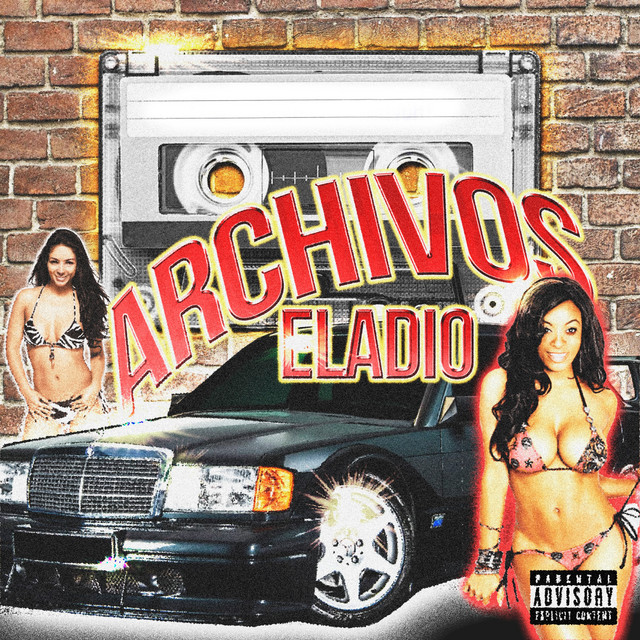
Archivos Eladio Vol. 3
Eladio Carrion
Trap Triste
Trap Boricua
2025
3
/5
4AM EN IBIZA
Eladio Carrion
Trap Triste
Trap Boricua
2025
4
/5
DON KBRN
Eladio Carrion
Trap Latino
Trap Triste
Trap Boricua
2025
3
/5
H.I.M.
Eladio Carrion
Trap Triste
Trap Boricua
2024
4
/5
Sol María
Eladio Carrión
Trap Latino
Trap Boricua
2023
4
/5
3MEN2 KBRN
Eladio Carrión
Trap Latino
Trap Triste
Trap Boricua
2022
4
/5
SEN2 KBRN, VOL. 2
Eladio Carrión
Trap Triste
Trap Boricua
2022
3
/5
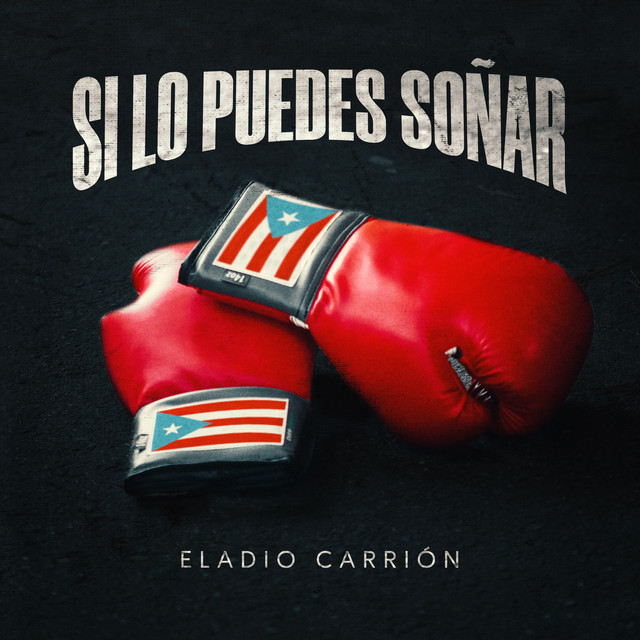
Si Lo Puedes Soñar
Eladio Carrion
Trap Boricua
2022
3
/5
Que Cojones
Eladio Carrion
Trap Triste
Trap Boricua
2021
4
/5
Sauce Boyz 2
Eladio Carrión
Trap Triste
Trap Boricua
Pop Rap
2021
SEN2 KBRN, VOL. 1
Eladio Carrión
Trap Latino
2021
Monarca
Eladio Carrión
Trap Latino
2020
Sauce Boyz
Eladio Carrión
Trap Latino
Pop Rap
Similar artists
5
/5
Brytiago
Trap Boricua
Chilean Trap
Trap Triste
4
/5
Ele A El Dominio
Trap Boricua
Trap
Trap Latino
5
/5
Alvaro Diaz
Trap Boricua
Latin Rap
Pop Rap
5
/5
Bryant Myers
Dembow
Trap
Reggaeton
5
/5
Bad Bunny
Latin
Reggaeton
Trap Latino
5
/5
Myke Towers
Reggaeton
Trap Latino
Urbano Latino
5
/5
Noriel
Trap Latino
Trap Boricua
Argentine Trap
4
/5
KHEA
Trap Triste
Argentine Trap
Trap
5
/5
Young Miko
Trap Latino
Trap Boricua
Neoperreo
5
/5
Ñengo Flow
Trap Boricua
Chilean Trap
Neoperreo
Download our mobile app
Get the Melodigging app and start digging for new genres on the go
Download on the App Store
Get it on Google Play
© 2026 Melodigging
Give feedback
Legal
Melodding was created as a tribute to
Every Noise at Once
, which inspired us to help curious minds keep digging into music's ever-evolving genres.