Your digging level
Description
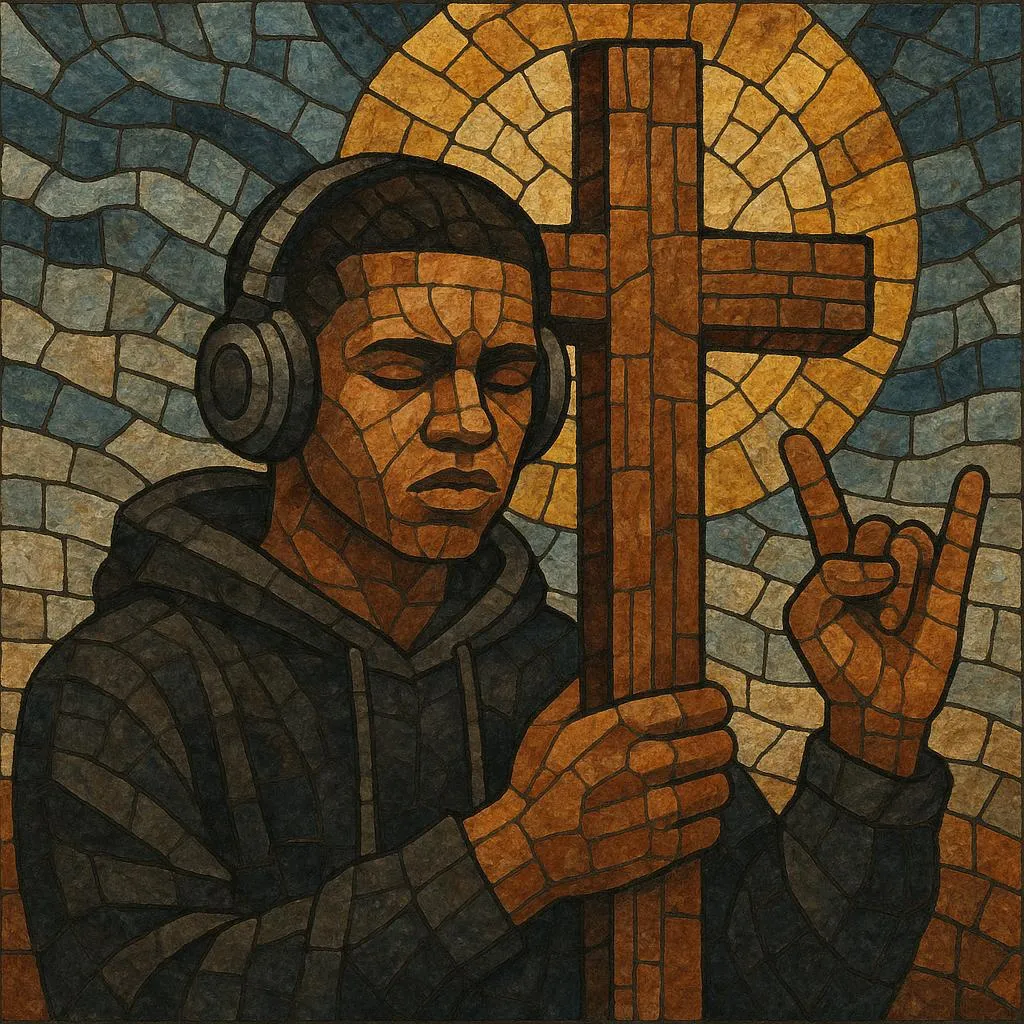
Trap cristiano (Spanish-language Christian trap) blends the sound design and rhythmic vocabulary of trap with explicitly Christian, biblically rooted, and testimony‑driven lyrics.
It is characterized by 808-heavy low end, skittering hi-hats, half‑time grooves, and moody minor‑key pads, while centering themes such as faith, redemption, worship, and social conscience. The style grew out of long‑standing Hispanic Christian hip hop and reggaetón ministries and adapted the aesthetics of the mid‑2010s Latin trap boom to serve church, youth, and urban outreach contexts across Puerto Rico, the Dominican Republic, and the wider Latin diaspora.
History
Christian urban music in Spanish had already flourished through Christian hip hop and "reggaetón cristiano" (notably in Puerto Rico and the Dominican Republic). Artists and ministries built networks of youth events, church concerts, and independent labels, establishing a lyrical focus on testimony, scripture, and social issues within contemporary urban forms.
As Latin trap surged in the mainstream circa 2015–2016, Spanish‑speaking Christian rappers and producers adopted its sonic markers—808 subs, rolling triplet hi‑hats, half‑time bounce, and atmospheric synths—while keeping overtly faith‑centered content. Puerto Rico’s leadership in Latin trap and the Dominican Republic’s vibrant Christian rap community created a fast cross‑pollination, moving the Christian scene decisively into trap’s sound design.
Collaborative singles, cyphers, and remixes helped codify the style. Established Christian MCs and younger artists alike released trap cuts that circulated widely on YouTube, Spotify, and social media, often supported by video testimonies and church‑based live sessions. The scene spread throughout Latin America (Mexico, Colombia, Chile), the U.S. Latino diaspora, and Spain, with regional slang and accents enriching its palette.
Trap cristiano diversified into worship‑adjacent songs, drill/trap hybrids, and pop‑trap crossovers. Production values rose (side‑chain sculpted 808s, cinematic pads, cleaner vocal chains), while lyrical aims remained pastoral and evangelistic. The style now functions both as youth‑culture outreach and as an artistic lane within contemporary Christian music in Spanish.