Your digging level
Description
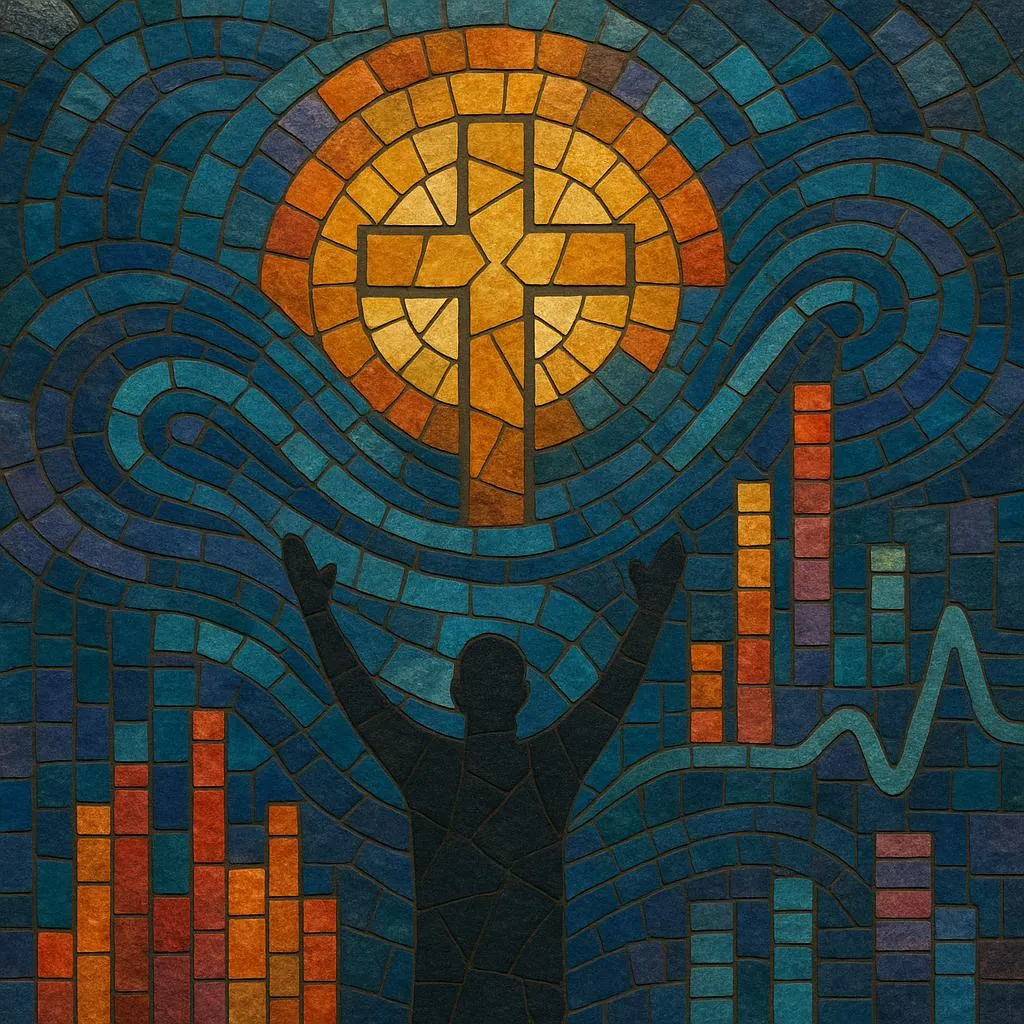
Electronica cristiana is the Spanish-language branch of Christian electronic music that blends contemporary EDM and electropop production with explicitly faith-centered, Christ-focused lyrics.
Stylistically it spans festival-ready progressive-house anthems, glossy electropop, synthwave-tinged worship, and future-bass ballads. Hooks and builds are crafted for congregational sing‑along or youth‑event energy, while messages revolve around praise, testimony, hope, and discipleship.
The scene is transnational across the Hispanic world, with producers and worship collectives in the U.S., Mexico, the Dominican Republic, Colombia, and beyond adopting modern sound design (side‑chained pads, bright supersaws, 808s) to reach church and non‑church spaces—youth conferences, Christian festivals, camps, and digital platforms.
History
Christian pop and contemporary worship modernized rapidly in the 2000s, absorbing electronic textures from mainstream electronic and dance-pop. Hispanic ministries and bilingual artists working in the United States began releasing Spanish versions and original tracks that used synths, drum machines, and four‑on‑the‑floor beats while retaining unambiguously Christian themes. This laid the groundwork for what Spanish-speaking audiences began calling "electronica cristiana."
The global EDM boom (progressive house, big-room, future bass) catalyzed a wave of Spanish-language Christian releases with festival-grade production and worship-ready toplines. Digital distribution, affordable DAWs, and a growing network of youth movements, camps, and church conferences helped the style flourish across Latin America (Mexico, the Dominican Republic, Colombia, Chile, Argentina) and Spanish-speaking churches in the U.S. Cross-pollination with urbano cristiano (reggaetón, trap) created hybrid tracks that alternated four-on-the-floor drops with halftime or dembow rhythms while keeping gospel-centered lyrics.
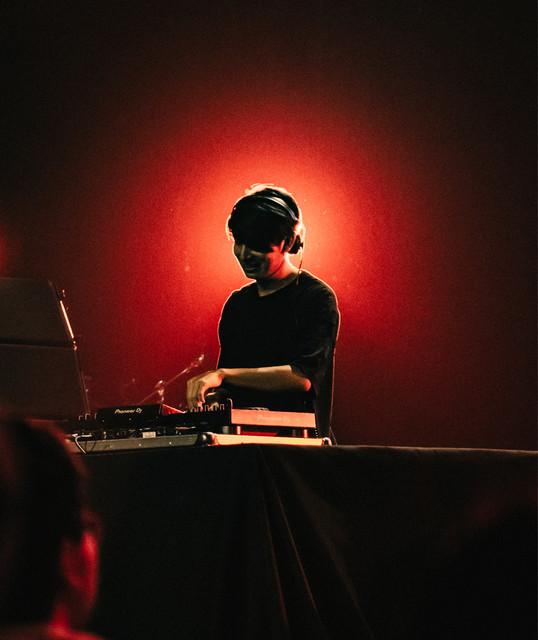
Electronica cristiana now functions both as a studio-first producer culture and as a live worship format where DJs and bands integrate pads, stems, and lighting into congregational settings. The style coexists with Christian reggaetón and pop, often sharing artists, collaborators, and remixers. Its production values mirror mainstream EDM while its lyrical content emphasizes praise, identity in Christ, social hope, and testimony.