Genres
Artists
Albums
Make Music
Sign in
Sign in
Artists
Brass Band
Artists
Brass Band
Edward Gregson
Listen
1
/5
Genres
Spoken Word
Spoken word is a performance-centered genre where text—poems, monologues, stories, or manifestos—is delivered aloud with musicality in voice rather than through singing. It may be entirely a cappella or accompanied by sparse instrumentation (often jazz combos, ambient textures, or minimal electronics) that frames the cadence and rhetoric of the performer. The emphasis is on language: prosody, pacing, imagery, and argument. Pieces often explore personal narratives, social critique, and political themes, drawing on techniques such as internal rhyme, alliteration, and repetition. While recordings exist, the tradition is fundamentally live, prioritizing immediacy, audience engagement, and oratorical presence.
Discover
Listen
Contemporary Classical
Contemporary classical is the broad field of Western art music created after World War II. It embraces an array of aesthetics—from serialism and indeterminacy to minimalism, spectralism, electroacoustic practices, and post‑tonal lyricism—while retaining a concern for notated composition and timbral innovation. Unlike the unified styles of earlier eras, contemporary classical is pluralistic. Composers freely mix acoustic and electronic sound, expand instrumental techniques, adopt non‑Western tuning and rhythm, and explore new forms, from process-based structures to open and graphic scores. The result is a music that can be rigorously complex or radically simple, technologically experimental or intimately acoustic, yet consistently focused on extending how musical time, timbre, and form can be shaped.
Discover
Listen
Brass Band
Brass band refers to ensemble-driven music performed primarily by brass instruments and percussion, with a sound characterized by powerful, blended timbres, antiphonal choirs, and a strong emphasis on melody and counter-melody. In its most codified form (the British-style brass band), the ensemble uses cornets, flugelhorn, tenor horns, baritones, euphoniums, trombones, tubas, and percussion, all written in transposed parts to create a homogenous, organ-like sonority. Repertoire spans marches, hymn tune settings, operatic and orchestral transcriptions, original contest works, and light music. Globally, the term also encompasses regional traditions such as New Orleans parade/second-line bands (merging ragtime, early jazz, and funk), and Balkan Romani brass bands (fast dance meters and virtuosic ornamentation), showing the format’s adaptability across cultures and celebrations.
Discover
Listen
Choral Symphony
A choral symphony is a large-scale symphonic work that integrates chorus (and often vocal soloists) into the symphonic fabric, rather than treating the voices as an add-on or separate cantata-like appendix. Pioneered most famously by Beethoven’s Symphony No. 9 (1824), the genre fuses the instrumental architecture of the symphony with texted, choral expression drawn from sacred and secular traditions. Composers use the chorus to broaden timbral range, intensify climaxes, and articulate philosophical or narrative ideas that purely instrumental music cannot directly convey. Across the 19th and 20th centuries, choral symphonies ranged from liturgical meditations (Stravinsky’s Symphony of Psalms) to epic, humanistic statements (Mahler’s Symphonies Nos. 2 and 8; Vaughan Williams’s A Sea Symphony), and politically charged works (Shostakovich’s Symphony No. 13).
Discover
Listen
Classical
Classical music is the notated art-music tradition of Europe and its global descendants, characterized by durable forms, carefully codified harmony and counterpoint, and a literate score-based practice. The term “classical” can refer broadly to the entire Western art-music lineage from the Medieval era to today, not just the Classical period (c. 1750s–1820s). It privileges long-form structures (such as symphonies, sonatas, concertos, masses, and operas), functional or modal harmony, thematic development, and timbral nuance across ensembles ranging from solo instruments to full orchestras and choirs. Across centuries, the style evolved from chant and modal polyphony to tonal harmony, and later to post-tonal idioms, while maintaining a shared emphasis on written notation, performance practice, and craft.
Discover
Listen
Similar artists
1
/5
Various Artists
Soundtrack
Afro-Funk
Alternative Rock
3
/5
Antoni Wit
Classical
Requiem
Orkiestra Symfoniczna
3
/5
Igor Stravinsky
Ballet
Neoclassicism
Classical
3
/5
Royal Stockholm Philharmonic Orchestra
Classical
Contemporary Classical
Opera
2
/5
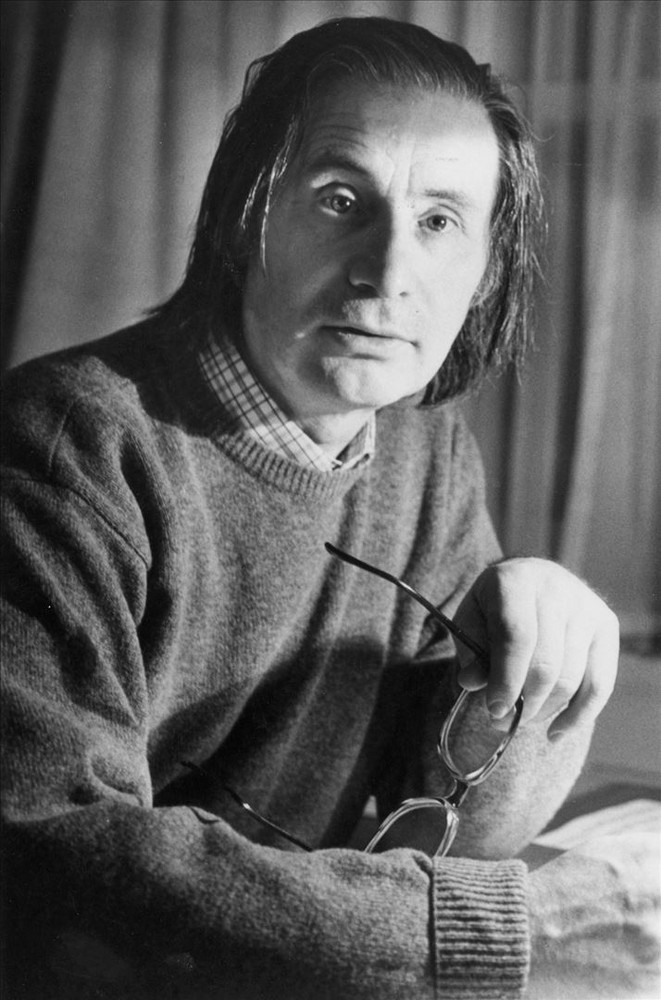
Alfred Schnittke
Classical
Choral Concerto
Chamber Music
2
/5
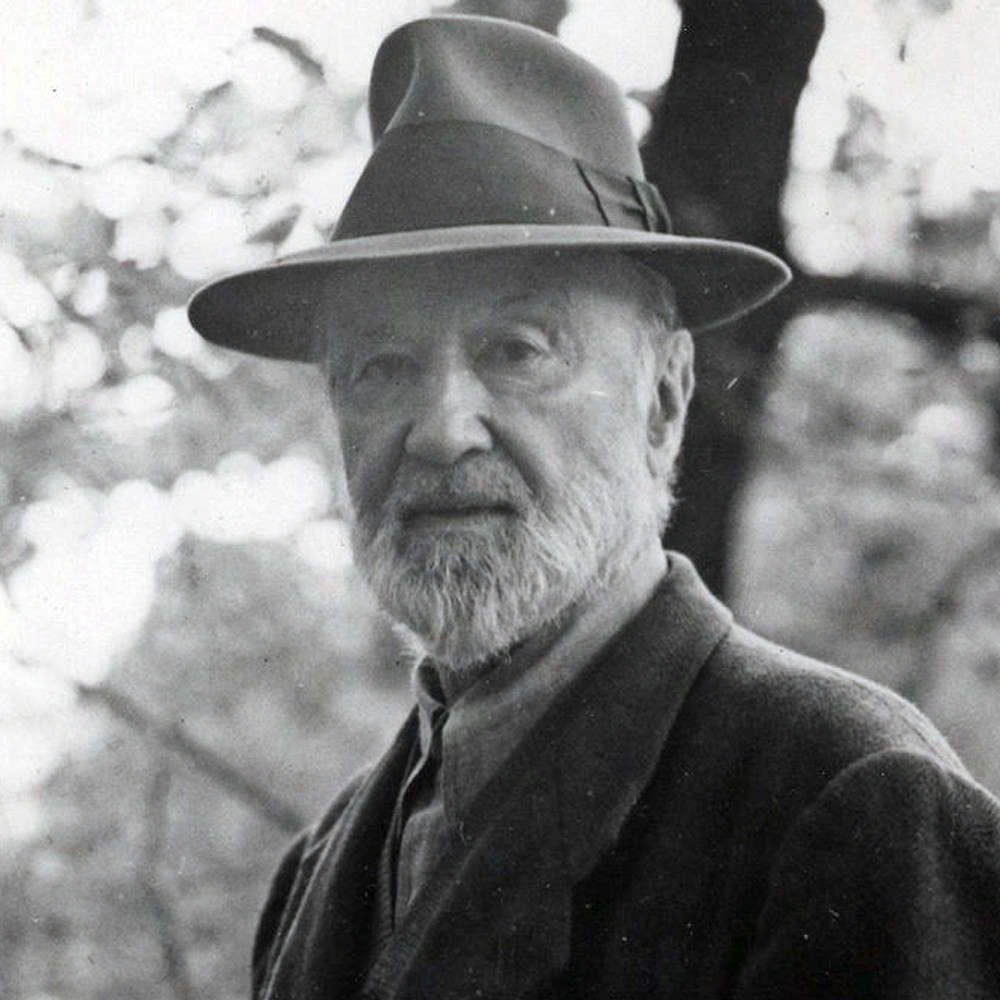
Charles Ives
Avant-Garde
Contemporary Classical
Choral Symphony
3
/5
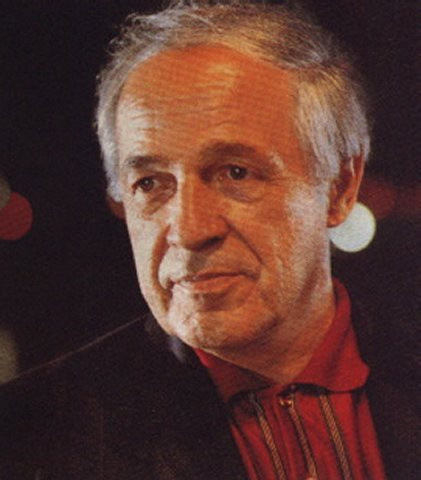
Pierre Boulez
Classical
Expressionism
Impressionism
3
/5
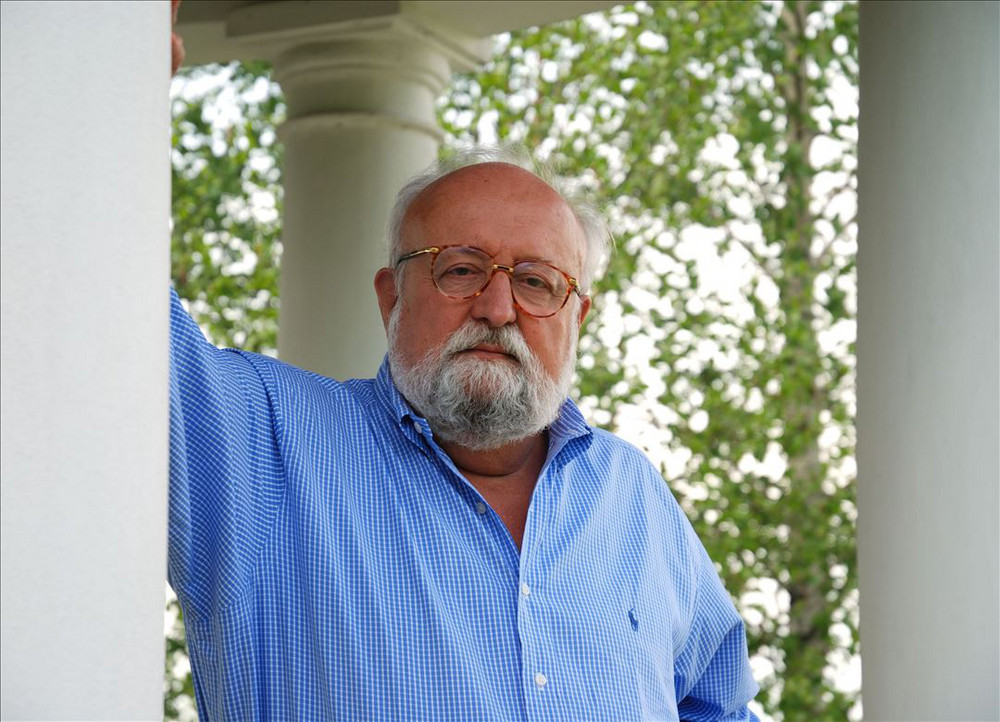
Krzysztof Penderecki
Sonorism
Classical
Requiem
2
/5
Leif Segerstam
Classical
Concerto
Nordic Orchestra
4
/5
Ludovico Einaudi
Classical
Contemporary Classical
Compositional Ambient
Download our mobile app
Get the Melodigging app and start digging for new genres on the go
Download on the App Store
Get it on Google Play
© 2026 Melodigging
Give feedback
Legal
Melodding was created as a tribute to
Every Noise at Once
, which inspired us to help curious minds keep digging into music's ever-evolving genres.