Genres
Artists
Albums
Make Music
Sign in
Sign in
Artists
Baroque
Artists
Baroque
Duo Imbesi Zangarà
Listen
Genres
Classical Crossover
Classical crossover blends elements of Western classical music with popular styles to create accessible, cinematic, and vocally forward repertoire. It typically keeps classical vocal technique or orchestral timbres while adopting pop song structures, contemporary production, and ear‑catching hooks. Arrangements often feature lush strings, piano, and choir, with dramatic dynamic arcs and key changes. Repertoire may include pop-influenced originals, classical themes with new lyrics, and reinterpretations of opera arias or film melodies, frequently sung in English, Italian, or Latin. The genre is designed for broad appeal without abandoning the polish and gravitas of classical performance, bridging concert hall aesthetics and mainstream listening contexts.
Discover
Listen
Contemporary Classical
Contemporary classical is the broad field of Western art music created after World War II. It embraces an array of aesthetics—from serialism and indeterminacy to minimalism, spectralism, electroacoustic practices, and post‑tonal lyricism—while retaining a concern for notated composition and timbral innovation. Unlike the unified styles of earlier eras, contemporary classical is pluralistic. Composers freely mix acoustic and electronic sound, expand instrumental techniques, adopt non‑Western tuning and rhythm, and explore new forms, from process-based structures to open and graphic scores. The result is a music that can be rigorously complex or radically simple, technologically experimental or intimately acoustic, yet consistently focused on extending how musical time, timbre, and form can be shaped.
Discover
Listen
Baroque
Baroque is a period and style of Western art music spanning roughly 1600–1750. It is characterized by the birth of functional tonality, the widespread use of basso continuo (figured bass), and a love of contrast—between soloist and ensemble, loud and soft, and different timbres. Hallmark genres and forms of the era include opera, cantata, oratorio, concerto (especially the concerto grosso), dance suite, sonata, and fugue. Textures range from expressive monody to intricate counterpoint, and melodies are richly ornamented with trills, mordents, and appoggiaturas. Baroque music flourished in churches, courts, and theaters across Europe, with regional styles (Italian, French, German, English) shaping distinctive approaches to rhythm, dance, harmony, and ornamentation.
Discover
Listen
Chamber Music
Chamber music is a tradition of composed music for small ensembles—typically one player per part—intended for intimate spaces such as courts, salons, and private rooms rather than large public halls. Its aesthetic emphasizes clarity of texture, conversational interplay among parts, and balance without a conductor. Hallmark formations include the string quartet, piano trio, wind quintet, string quintet, and various mixed ensembles. Multi‑movement cycles (often in sonata form) and finely wrought counterpoint are common, ranging from Baroque trio sonatas to Classical string quartets and modern works with expanded timbres and techniques. Because of its scale and transparency, chamber music has long been a proving ground for compositional craft and ensemble musicianship, shaping the core of Western art music from the Baroque through the present.
Discover
Listen
Classical
Classical music is the notated art-music tradition of Europe and its global descendants, characterized by durable forms, carefully codified harmony and counterpoint, and a literate score-based practice. The term “classical” can refer broadly to the entire Western art-music lineage from the Medieval era to today, not just the Classical period (c. 1750s–1820s). It privileges long-form structures (such as symphonies, sonatas, concertos, masses, and operas), functional or modal harmony, thematic development, and timbral nuance across ensembles ranging from solo instruments to full orchestras and choirs. Across centuries, the style evolved from chant and modal polyphony to tonal harmony, and later to post-tonal idioms, while maintaining a shared emphasis on written notation, performance practice, and craft.
Discover
Listen
Similar artists
4
/5
Ludovico Einaudi
Classical
Contemporary Classical
Compositional Ambient
4
/5
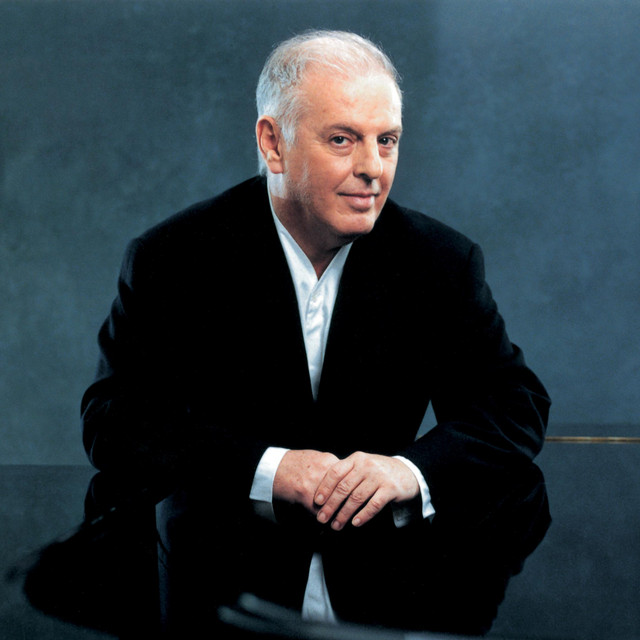
Daniel Barenboim
Impressionism
Classical
Chamber Music
3
/5
Jonny Greenwood
Classical
Classical Crossover
Electronic
Olivier Calmel
Cello
Chamber Music
Classical Crossover
4
/5
Johann Sebastian Bach
Baroque
Classical
Baroque Suite
4
/5
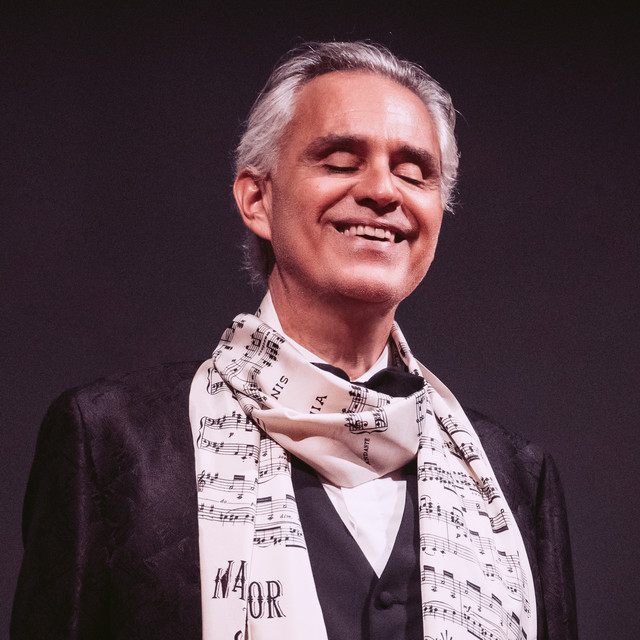
Andrea Bocelli
Opera
Classical
Pop
4
/5
Academy of St. Martin in the Fields
Baroque
Classical
Classical Performance
4
/5
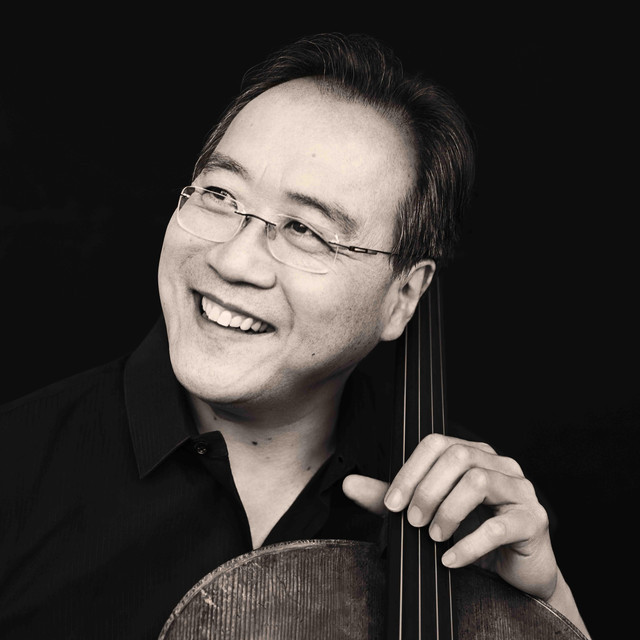
Yo-Yo Ma
Chamber Music
Classical
Classical Performance
4
/5
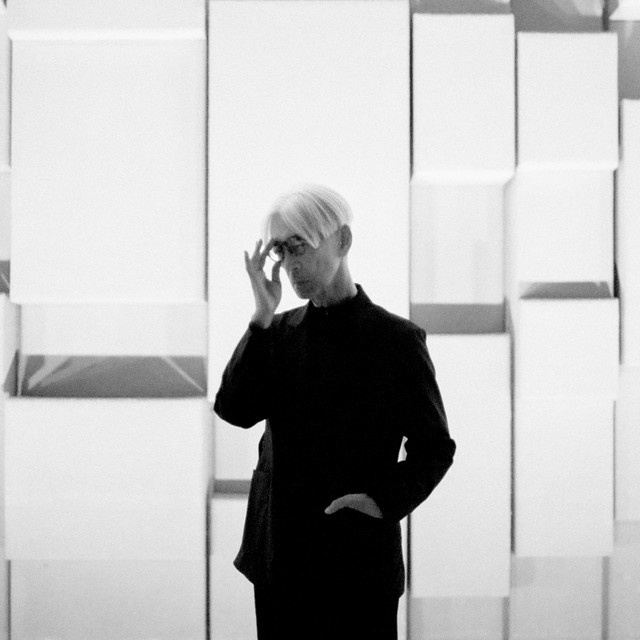
Ryuichi Sakamoto
Drone
Japanese Classical
Ambient
4
/5
English Chamber Orchestra
Baroque
Classical
Concerto
Download our mobile app
Get the Melodigging app and start digging for new genres on the go
Download on the App Store
Get it on Google Play
© 2026 Melodigging
Give feedback
Legal
Melodding was created as a tribute to
Every Noise at Once
, which inspired us to help curious minds keep digging into music's ever-evolving genres.