Genres
Artists
Albums
Make Music
Sign in
Sign in
Artists
Modern Hard Rock
Artists
Modern Hard Rock
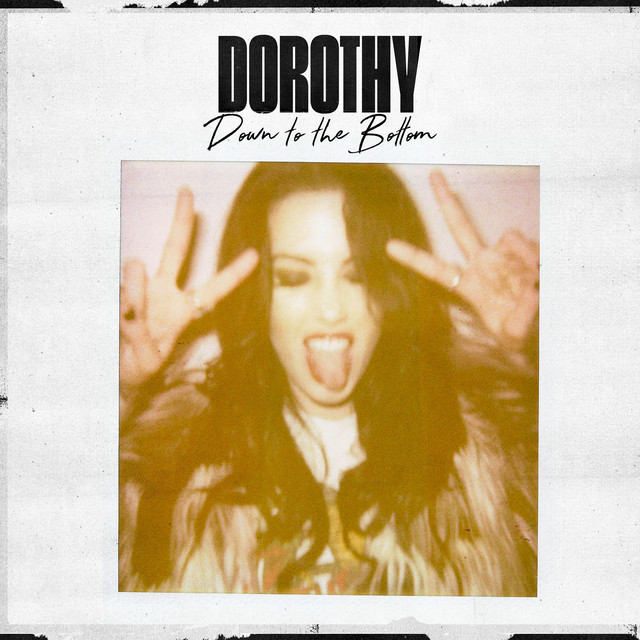
Dorothy
2017–2025
·
5 albums
Listen
3
/5
Genres
Dungeon Rap
Dungeon rap is a dark, internet-born microgenre that fuses the gloomy, medieval-fantasy atmospheres of dungeon synth with the rhythms, vocal cadences, and low‑end of underground trap and Memphis-influenced rap. Its sound is defined by lo-fi, reverb-soaked synth pads, organ or choir timbres, modal or minor-key melodies reminiscent of dungeon synth, and skeletal 808-driven drum patterns. Vocals (when present) are typically pitched-down, whispered, or deadpan, often dealing with occult, fantasy, and horror imagery. Producers frequently sample retro RPG soundtracks, black metal-adjacent ambient passages, or cassette-era dungeon synth, then anchor them with trunk-rattling subs and crispy hi-hat rolls. The genre coalesced online at the turn of the 2020s through Bandcamp/YouTube scenes and boutique labels, crystallizing a distinct aesthetic that feels equal parts crypt-ambient and street-level rap.
Discover
Listen
Northern Gothic
Northern gothic is a modern recontextualization of gothic sensibility rooted in the post‑industrial landscapes, politics, and culture of 21st‑century Northern England. It blends post‑punk austerity, industrial and dark ambient textures, hauntological memory work, and stark folk storytelling. The sound often evokes mills, moorland, sea ports, terraces, and cooling towers—spaces marked by deindustrialization—through tape patina, reverberant spaces, modular drones, and vernacular narratives. Compared with classic goth, it is less theatrical and more documentary or folkloric in tone, prioritizing regional specificity, minimalism, and social realism.
Discover
Listen
Jirai Kei
Jirai kei is a recent Japanese internet-born pop micro‑genre and aesthetic that blends cute, sugary sounds with darker, obsessive and self‑destructive themes. The term comes from a fashion/aesthetic scene associated with yamikawaii and menhera culture, and in music it describes songs that sound soft and adorable on the surface but conceal lyrics about toxic love, dependency, jealousy, and emotional volatility. Sonically, jirai kei draws from J‑pop and Vocaloid traditions (denpa/picopop brightness, catchy hooks) while adopting modern hyperpop gloss, trap/EDM percussion, and highly edited, youthful vocals. The contrast between childlike, pastel timbres and intense, confessional writing is central to the style, making it both immediately hooky and emotionally sharp—an audio embodiment of “cute but dangerous.”
Discover
Listen
Southern Americana
Southern Americana is a regional strain of Americana rooted in the musical vernacular of the U.S. South. It blends songwriting-first aesthetics with the organic textures of country, folk, and blues, and the swagger of Southern rock. Typical recordings feature warm, lived‑in tones: Telecasters and acoustic guitars alongside pedal steel, Hammond organ, fiddle, mandolin, and harmony vocals. Lyrically it is grounded in place—small towns, highways, kudzu, pine line horizons—and in the South’s complicated histories of faith, work, love, and loss. The groove ranges from back‑porch shuffles and waltzes to swampy, slow‑burn rhythms, keeping the focus on stories and melody rather than studio gloss.
Discover
Listen
Country Dawn
Country dawn is a mellow, contemporary strand of country that emphasizes soft dynamics, intimate vocals, and sunrise-ready moods. It blends modern country-pop writing with acoustic-first arrangements, light percussion, and warm, low-gloss production. The style favors reflective storytelling, tender romance, and everyday-life imagery over honky-tonk rowdiness. Expect smooth harmonies, piano and acoustic guitar leads, tasteful pedal steel or mandolin color, and choruses that lift gently rather than explode. It’s the sound of slow mornings, coffee on the porch, and long drives at first light.
Discover
Listen
Rebel Blues
Rebel blues is a modern, sync‑ready strain of blues‑rock built for maximum swagger and impact. It fuses raw Delta and electric blues riffing with arena‑scale rock production, stomp‑and‑clap percussion, and chantable hooks designed to energize crowds and cut through on broadcasts. Typical tracks feature overdriven or slide guitars playing muscular, pentatonic riffs; a heavy, four‑on‑the‑floor kick and toms; handclaps, foot stomps, and gang shouts; and gritty, chest‑voice vocals delivering concise, rebellious slogans. Arrangements emphasize big intros and risers, clear edit points, and climactic endings, making the style a staple of sports, trailers, promos, and action‑forward advertising.
Discover
Listen
Modern Goth
Modern goth is a contemporary evolution of the original goth and darkwave aesthetics, blending post-punk basslines, reverb-drenched guitars, and analog synth textures with current production practices. It favors minor-key harmonies, baritone or breathy vocals, and skeletal drum-machine patterns that evoke a cinematic, nocturnal mood. Compared with 1980s forebears, modern goth leans more heavily on synthesizers, EBM-adjacent grooves, and minimalist arrangements, often shaped by DIY, modular, and bedroom-production workflows. The result is a sound that is dancefloor-friendly yet introspective, simultaneously cold, romantic, and starkly modern.
Discover
Listen
Doble Paso
Doble paso is a high‑tempo reggaetón variant characterized by running the classic dembow groove at double speed, creating a frenetic, hard‑hitting feel aimed squarely at the dance floor. Compared with standard reggaetón drum patterns (typically around 90–100 BPM), doble paso accelerates the same rhythmic skeleton to roughly 120–140 BPM, often accompanying a club dance of the same name. Producers keep the core syncopation and low‑end punch of reggaetón while tightening hi‑hats, adding denser percussion fills, and favoring short, chant‑like hooks that match the breathless pace. The result is intense, perreo‑ready energy that bridges classic reggaetón, Dominican dembow’s urgency, and club‑forward editing trends.
Discover
Listen
Lilith
Lilith is a mood-driven, internet-native microgenre that blends dark, feminine alternative pop with elements of trip hop, dream pop, witch house, and ethereal wave. It favors breathy or intimate vocals drenched in reverb, slow to mid-tempo grooves, spectral pads, and cinematic, minor-key harmonies that evoke occult, gothic, or mythic imagery. The overall sound is bass-forward yet gauzy: sub-heavy 808s or dusty breakbeats sit under shimmering guitars, distant choirs, and textural synths. Lyrically, Lilith leans into vulnerability, power, hauntings, and desire—frequently framed through confessional writing and ritual or nocturnal symbolism. It’s less a scene tied to a single city than a streaming-era aesthetic, cohering through playlists and social media communities.
Discover
Listen
Nwocr
The New Wave of Classic Rock (NWOCR) is a revivalist musical movement that emerged primarily in the United Kingdom. It is characterized by a return to the sound, aesthetic, and ethos of classic rock, hard rock, and blues rock bands from the 1970s and 1980s. The genre emphasizes high-energy performances, riff-heavy songwriting, soaring vocals, and a 'meat and potatoes' approach to production that favors organic instrumentation over modern electronic elements. It is both a musical style and a grassroots community, driven by a desire to keep the spirit of traditional rock 'n' roll alive in the modern era.
Discover
Listen
Modern Hard Rock
Modern hard rock is a 2000s-onward evolution of classic hard rock that blends big, riff-driven guitars with radio-ready songwriting and glossy, high-impact production. It typically features down-tuned, high-gain rhythm guitars, punchy sample-reinforced drums, and anthemic choruses designed for stadiums and active-rock radio. Compared with 1970s–80s hard rock, it incorporates post-grunge dynamics (quiet verses, explosive hooks), alternative metal weight, and pop-rock concision. Lyrically it focuses on resilience, personal struggle, relationships, and empowerment, delivered by powerful, slightly gritty vocals.
Discover
Listen
Gothic Country
Gothic country (often called country noir or gothic Americana) blends traditional country and folk instrumentation with the brooding atmospheres, moral ambiguity, and literary imagery of Southern Gothic. It favors minor keys, slow to mid-tempos, and vivid storytelling about sin, redemption, murder, faith, and decay. Sonically, it sets banjo, fiddle, acoustic and tremolo-laden electric guitar, upright bass, pump organ/harmonium, and sparse percussion against dusky reverbs and droning pedals. Vocals tend to be intimate or preacherly, carrying ballad traditions into darker, hymn-like territories. The result is an eerie, pastoral sound that feels simultaneously old and haunted, rustic and cinematic.
Discover
Listen
Modern Blues Rock
Modern blues rock is a contemporary continuation of blues rock that keeps the core blues vocabulary (pentatonic riffs, call-and-response phrasing, expressive bends and vibrato) while adopting modern rock production, tighter low-end, and often a more radio-ready song structure. Compared to classic blues rock, it typically features bigger guitar tones (high-headroom amps or saturated gain stages), more consistent backbeat-driven grooves, and polished studio techniques such as layered guitars, controlled compression, and present vocals. The style ranges from rootsy, groove-based tracks with vintage influences to heavier, arena-sized songs that blend blues phrasing with modern hard-rock energy.
Discover
Listen
Southern Gothic
Southern gothic (as a music style) blends American roots idioms—country, folk, blues, gospel, and Southern rock—with the macabre, moral ambiguity, and decaying grandeur associated with the Southern Gothic literary tradition. Its sound is typically dark-hued and intimate: minor-key harmonies, modal drones, and slow-to-mid tempos underpin storytelling about sin and salvation, haunted landscapes, family secrets, and folk religion. Arrangements often feature acoustic guitar, banjo, fiddle, upright bass, pump organ or harmonium, lap/pedal steel, sparse percussion, and baritone or hushed vocals drenched in room reverb. Production tends toward earthy and atmospheric—tape-like saturation, creaking room ambience, and subtle field sounds (cicadas, church bells, train rumbles) that evoke the American South’s heat, humidity, and history.
Discover
Listen
Alternative Rock
Alternative rock is a broad umbrella for guitar-based rock that emerged from the independent and college-radio scenes as a counterpoint to mainstream, commercial rock. It blends the energy and ethos of punk with the textural and songwriting experiments of post-punk, new wave, jangle pop, and noise rock, often foregrounding introspective or socially aware lyrics. Across its many strains—from the melodic minimalism of college rock to the loud-quiet-loud dynamics of grunge and the artful experimentation of Radiohead-era modernism—alternative rock prioritizes authenticity, sonic individuality, and a do-it-yourself approach. Its sound ranges from chiming, chorus-laden clean guitars to abrasive distortion and feedback, supported by straightforward rock rhythms or off-kilter grooves, and production that can be either raw and live-sounding or polished yet unconventional.
Discover
Listen
Blues Rock
Blues rock is a guitar-driven style that fuses the raw feeling and 12‑bar structures of the blues with the power, volume, and rhythmic punch of rock. It emphasizes riff-based songs, pentatonic and blues-scale soloing, call‑and‑response between voice and guitar, and an expressive, often gritty vocal delivery. Typical ensembles are power trios (guitar, bass, drums) or quartet formats adding second guitar, keyboards, or harmonica, and performances commonly feature extended improvisation. Sonically, it favors overdriven tube-amp tones, sustained bends, vibrato, and dynamic contrasts, moving from shuffles and boogies to straight‑eighth rock grooves.
Discover
Listen
Hard Rock
Hard rock is a loud, riff-driven style of rock music built around heavily amplified electric guitars, a powerful rhythm section, and assertive vocals. Songs typically center on memorable, blues-based guitar riffs, strong backbeats, and energetic, often shouted or belted choruses. The genre emphasizes power, groove, and visceral impact over intricate harmony or extended improvisation. Distortion, power chords, pentatonic melodies, and call‑and‑response between vocals and guitar are core traits, while lyrical themes often explore rebellion, lust, swagger, escape, and cathartic release.
Discover
Listen
Rock
Rock is a broad family of popular music centered on amplified instruments, a strong backbeat, and song forms that foreground riffs, choruses, and anthemic hooks. Emerging from mid‑20th‑century American styles like rhythm & blues, country, and gospel-inflected rock and roll, rock quickly expanded in scope—absorbing folk, blues, and psychedelic ideas—while shaping global youth culture. Core sonic markers include electric guitar (often overdriven), electric bass, drum kit emphasizing beats 2 and 4, and emotive lead vocals. Rock songs commonly use verse–chorus structures, blues-derived harmony, and memorable melodic motifs, ranging from intimate ballads to high‑energy, stadium‑sized performances.
Discover
Listen
Rock And Roll
Rock and roll is a high-energy, dance-oriented popular music style that emerged in the United States in the early-to-mid 1950s. It fuses the 12‑bar blues and boogie‑woogie with the backbeat and instrumentation of rhythm & blues, the twang and storytelling of country, and the fervor of gospel. Its hallmark sound centers on a strong backbeat (accented on beats 2 and 4), driving rhythm sections, electric guitar riffs, prominent piano or saxophone leads, and catchy, chorus-forward songwriting. Typical harmonies revolve around I–IV–V progressions, often in 12-bar form, with swung or shuffle feels and punchy turnarounds. Culturally, rock and roll catalyzed a youth movement linked to dancing, teen identity, and social change. It bridged racial audiences by popularizing Black American musical traditions for mainstream listeners, and it laid the foundation for subsequent rock styles and much of modern pop.
Discover
Listen
Show all 19 genres
Albums
2025
2
/5
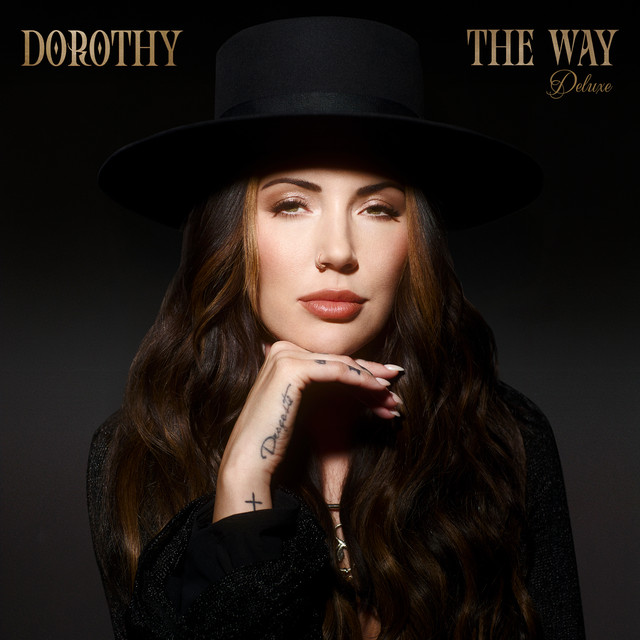
THE WAY (Deluxe)
Dorothy
Modern Hard Rock
2024
2
/5
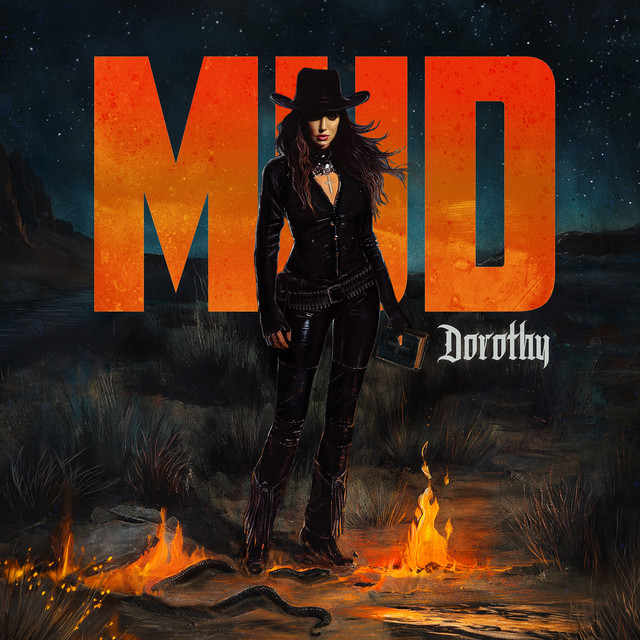
MUD
Dorothy
Modern Hard Rock
2022
2
/5
Rest In Peace
Dorothy
Modern Hard Rock
Rock
2021
2
/5
What's Coming To Me
Dorothy
Modern Hard Rock
2017
2
/5
Down To The Bottom
Dorothy
Modern Hard Rock
Similar artists
1
/5
Various Artists
Afro-Funk
Alternative Rock
Ambient
4
/5
Greta Van Fleet
Modern Hard Rock
Rock
Modern Blues Rock
4
/5
Royal Blood
Modern Blues Rock
Modern Hard Rock
Rock
3
/5
The Blue Stones
Modern Blues Rock
Blues Rock
Modern Hard Rock
3
/5
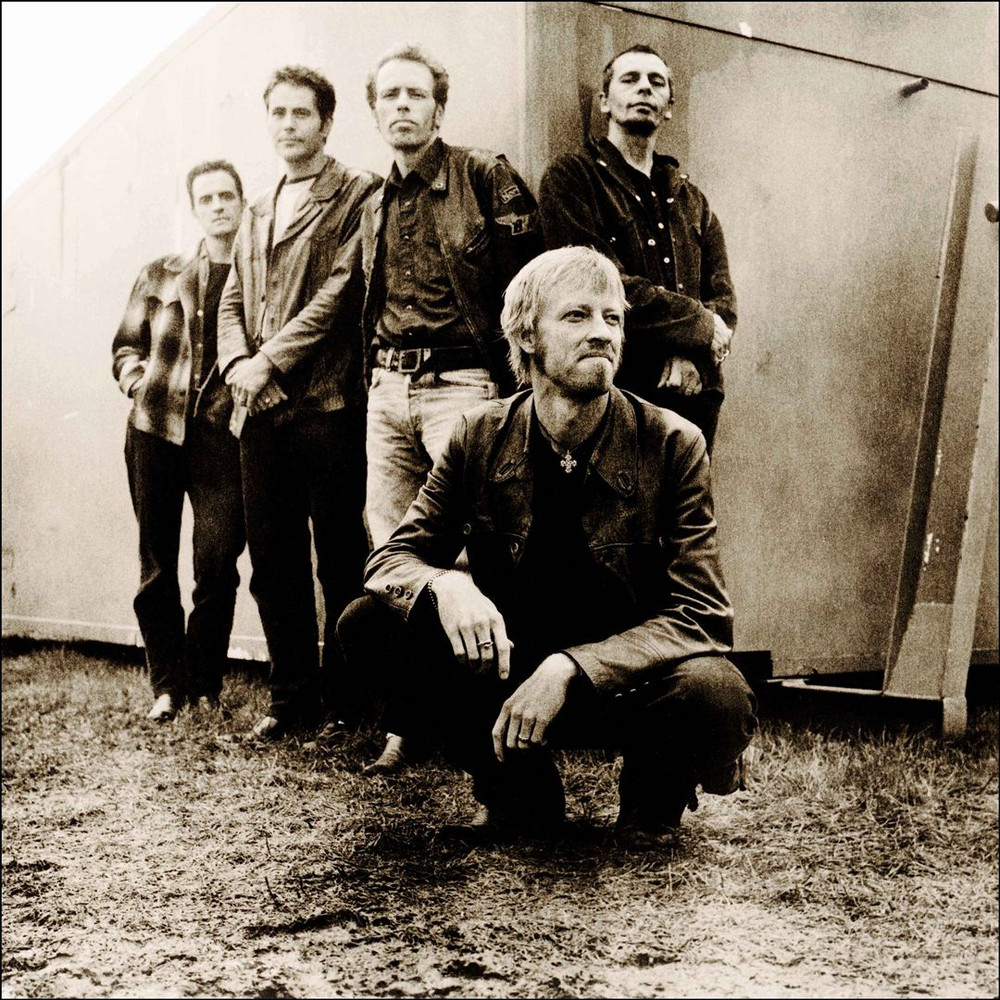
16 Horsepower
Gothic Country
Alternative Country
Alternative Rock
4
/5
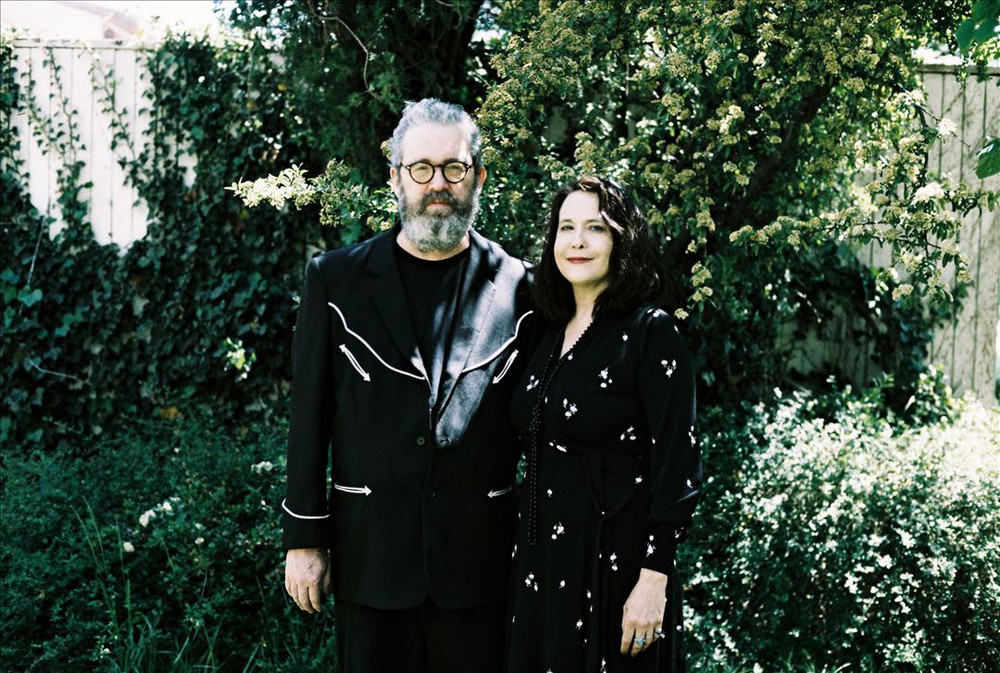
The Handsome Family
Americana
Gothic Country
Indie Shoegaze
3
/5
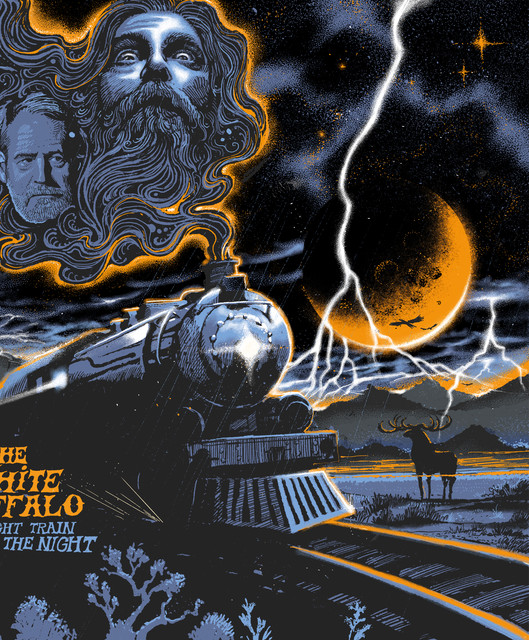
The White Buffalo
Alternative Roots Rock
Gothic Country
New Americana
3
/5
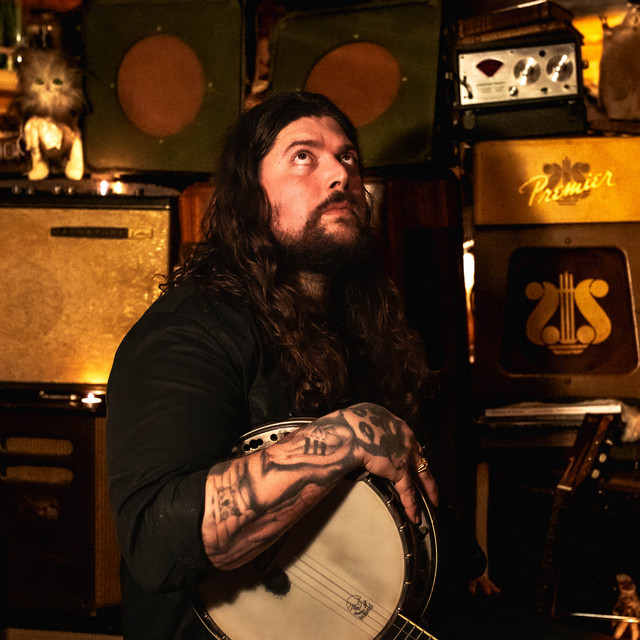
Amigo the Devil
Anti-Folk
Folk Punk
Gothic Country
3
/5
Fantastic Negrito
Blues
Blues Rock
Modern Blues
2
/5
The Coffinshakers
Psychobilly
Rockabilly
Horror Punk
Download our mobile app
Get the Melodigging app and start digging for new genres on the go
Download on the App Store
Get it on Google Play
© 2026 Melodigging
Give feedback
Legal
Melodding was created as a tribute to
Every Noise at Once
, which inspired us to help curious minds keep digging into music's ever-evolving genres.