Genres
Artists
Albums
Make Music
Sign in
Sign in
Artists
Modern Blues Rock
Artists
Modern Blues Rock
The Blue Stones
2021–2025
·
3 albums
Listen
3
/5
Genres
Northern Gothic
Northern gothic is a modern recontextualization of gothic sensibility rooted in the post‑industrial landscapes, politics, and culture of 21st‑century Northern England. It blends post‑punk austerity, industrial and dark ambient textures, hauntological memory work, and stark folk storytelling. The sound often evokes mills, moorland, sea ports, terraces, and cooling towers—spaces marked by deindustrialization—through tape patina, reverberant spaces, modular drones, and vernacular narratives. Compared with classic goth, it is less theatrical and more documentary or folkloric in tone, prioritizing regional specificity, minimalism, and social realism.
Discover
Listen
The Wave
The Wave is a loosely defined cluster of American post-hardcore/emo bands that surged in the early 2010s as emo-pop’s mainstream moment faded. The name was a tongue‑in‑cheek scene tag that stuck in press coverage, but it points to a real overlap in sound, ethos, and touring networks. Musically, The Wave fuses the urgency of 1990s post‑hardcore and screamo with confessional, literate lyric writing associated with emo. Expect shouted or half‑sung/half‑spoken vocals, dynamic quiet‑loud builds, intricate but driving drums, and guitar textures that shift between glassy clean arpeggios and overdriven, emotive climaxes. The songs often emphasize catharsis, narrative detail, and community-minded DIY presentation.
Discover
Listen
Electronic Trap
Electronic trap is a club-oriented hybrid that fuses modern trap’s drum language (punchy 808 kicks, snappy snares, fast hi-hat rolls) with EDM sound design and festival-style arrangement. Compared to rap-first trap, electronic trap is typically more instrumental and drop-driven, with dramatic buildups, heavy bass drops, and highly processed synths. Common sonic traits include distorted 808 subs, aggressive lead synths, chopped or pitched vocal samples, and big FX transitions (risers, impacts, sweeps). The overall focus is energy, bass weight, and crowd impact on large sound systems.
Discover
Listen
Modern Hard Rock
Modern hard rock is a 2000s-onward evolution of classic hard rock that blends big, riff-driven guitars with radio-ready songwriting and glossy, high-impact production. It typically features down-tuned, high-gain rhythm guitars, punchy sample-reinforced drums, and anthemic choruses designed for stadiums and active-rock radio. Compared with 1970s–80s hard rock, it incorporates post-grunge dynamics (quiet verses, explosive hooks), alternative metal weight, and pop-rock concision. Lyrically it focuses on resilience, personal struggle, relationships, and empowerment, delivered by powerful, slightly gritty vocals.
Discover
Listen
Modern Blues Rock
Modern blues rock is a contemporary continuation of blues rock that keeps the core blues vocabulary (pentatonic riffs, call-and-response phrasing, expressive bends and vibrato) while adopting modern rock production, tighter low-end, and often a more radio-ready song structure. Compared to classic blues rock, it typically features bigger guitar tones (high-headroom amps or saturated gain stages), more consistent backbeat-driven grooves, and polished studio techniques such as layered guitars, controlled compression, and present vocals. The style ranges from rootsy, groove-based tracks with vintage influences to heavier, arena-sized songs that blend blues phrasing with modern hard-rock energy.
Discover
Listen
Alternative Rock
Alternative rock is a broad umbrella for guitar-based rock that emerged from the independent and college-radio scenes as a counterpoint to mainstream, commercial rock. It blends the energy and ethos of punk with the textural and songwriting experiments of post-punk, new wave, jangle pop, and noise rock, often foregrounding introspective or socially aware lyrics. Across its many strains—from the melodic minimalism of college rock to the loud-quiet-loud dynamics of grunge and the artful experimentation of Radiohead-era modernism—alternative rock prioritizes authenticity, sonic individuality, and a do-it-yourself approach. Its sound ranges from chiming, chorus-laden clean guitars to abrasive distortion and feedback, supported by straightforward rock rhythms or off-kilter grooves, and production that can be either raw and live-sounding or polished yet unconventional.
Discover
Listen
Blues Rock
Blues rock is a guitar-driven style that fuses the raw feeling and 12‑bar structures of the blues with the power, volume, and rhythmic punch of rock. It emphasizes riff-based songs, pentatonic and blues-scale soloing, call‑and‑response between voice and guitar, and an expressive, often gritty vocal delivery. Typical ensembles are power trios (guitar, bass, drums) or quartet formats adding second guitar, keyboards, or harmonica, and performances commonly feature extended improvisation. Sonically, it favors overdriven tube-amp tones, sustained bends, vibrato, and dynamic contrasts, moving from shuffles and boogies to straight‑eighth rock grooves.
Discover
Listen
Garage Rock
Garage rock is a raw, energetic style of rock music that emerged in the mid-1960s from local scenes across North America. Typically performed by amateur or semi-professional teenage bands in basements and suburban garages, the sound is unpolished and immediate, favoring feel over finesse. Its hallmarks include distorted guitars, pounding drums, simple chord progressions (often I–IV–V), prominent Farfisa/Vox organ riffs, and shouted, attitude-heavy vocals. Songs are short, hooky, and driven by rhythmic urgency, with lyrics about teenage love, boredom, rebellion, and swagger. The style became a direct ancestor of proto-punk and punk rock, prized for its do-it-yourself spirit and visceral impact.
Discover
Listen
Hard Rock
Hard rock is a loud, riff-driven style of rock music built around heavily amplified electric guitars, a powerful rhythm section, and assertive vocals. Songs typically center on memorable, blues-based guitar riffs, strong backbeats, and energetic, often shouted or belted choruses. The genre emphasizes power, groove, and visceral impact over intricate harmony or extended improvisation. Distortion, power chords, pentatonic melodies, and call‑and‑response between vocals and guitar are core traits, while lyrical themes often explore rebellion, lust, swagger, escape, and cathartic release.
Discover
Listen
Rock
Rock is a broad family of popular music centered on amplified instruments, a strong backbeat, and song forms that foreground riffs, choruses, and anthemic hooks. Emerging from mid‑20th‑century American styles like rhythm & blues, country, and gospel-inflected rock and roll, rock quickly expanded in scope—absorbing folk, blues, and psychedelic ideas—while shaping global youth culture. Core sonic markers include electric guitar (often overdriven), electric bass, drum kit emphasizing beats 2 and 4, and emotive lead vocals. Rock songs commonly use verse–chorus structures, blues-derived harmony, and memorable melodic motifs, ranging from intimate ballads to high‑energy, stadium‑sized performances.
Discover
Listen
Blues
Blues is an African American musical tradition defined by expressive "blue notes," call-and-response phrasing, and a characteristic use of dominant-seventh harmony in cyclical song forms (most famously the 12‑bar blues). It is as much a feeling as a form, conveying sorrow, resilience, humor, and hard-won joy. Musically, blues commonly employs the I–IV–V progression, swung or shuffled rhythms, and the AAB lyric stanza. Melodies lean on the minor/major third ambiguity and the flattened fifth and seventh degrees. Core instruments include voice, guitar (acoustic or electric), harmonica, piano, bass, and drums, with slide guitar, bends, and vocal melismas as signature techniques. Over time the blues has diversified into regional and stylistic currents—Delta and Piedmont country blues, urban Chicago and Texas blues, West Coast jump and boogie-woogie—while profoundly shaping jazz, rhythm & blues, rock and roll, soul, funk, and much of modern popular music.
Discover
Listen
Show all 11 genres
Albums
2025
2
/5
Come Apart
The Blue Stones
Modern Hard Rock
Modern Blues Rock
Blues Rock
2022
1
/5
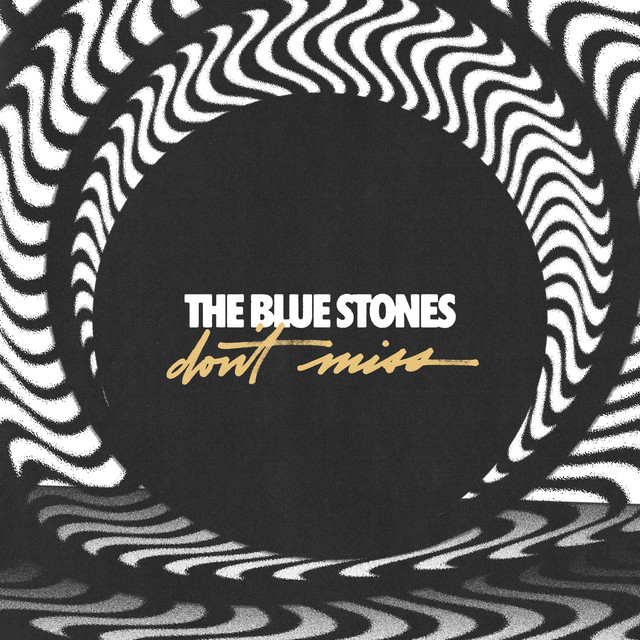
Don't Miss
Yanofsky, Nikki, Keys N Krates, Pop Evil, RZA, Blackman, Jelani, Standstills, T…
Modern Hard Rock
Modern Blues Rock
Blues Rock
2021
4
/5
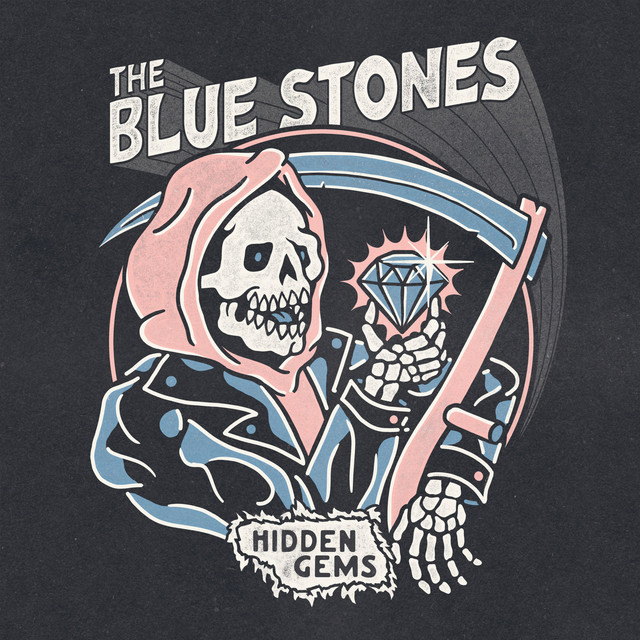
Hidden Gems
The Blue Stones
Modern Hard Rock
Modern Blues Rock
Alternative Rock
Similar artists
4
/5
The Black Keys
Blues Rock
Modern Blues
Punk Blues
3
/5
Jack White
Garage Rock Revival
Blues Rock
Garage Rock
1
/5
Various Artists
Afro-Funk
Alternative Rock
Ambient
4
/5
The White Stripes
Rock
Alternative Rock
Blues Rock
4
/5
Royal Blood
Modern Blues Rock
Modern Hard Rock
Rock
4
/5
Greta Van Fleet
Modern Hard Rock
Rock
Modern Blues Rock
3
/5
Reignwolf
Blues Rock
Modern Hard Rock
Modern Blues Rock
3
/5
Fantastic Negrito
Blues
Blues Rock
Modern Blues
3
/5
Dorothy
Modern Hard Rock
Gothic Country
Modern Blues Rock
4
/5
Nick Cave & The Bad Seeds
Rock
Alternative Rock
Gothic Rock
Download our mobile app
Get the Melodigging app and start digging for new genres on the go
Download on the App Store
Get it on Google Play
© 2026 Melodigging
Give feedback
Legal
Melodding was created as a tribute to
Every Noise at Once
, which inspired us to help curious minds keep digging into music's ever-evolving genres.