Genres
Artists
Albums
Make Music
Sign in
Sign in
Artists
Livetronica
Artists
Livetronica
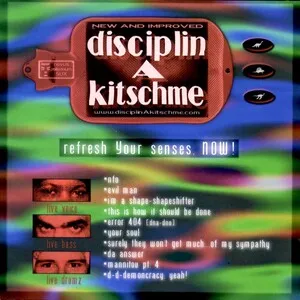
Disciplin A Kitschme
1 album
Listen
Genres
Livetronica
Livetronica (often called jamtronica) is a hybrid of jam-band improvisation and club-oriented electronic dance music. Bands perform dance styles such as house, trance, breakbeat, and drum and bass using live instruments, samplers, and sequencers, emphasizing continuous, beat-driven sets that flow like a DJ performance. Instead of relying solely on pre-programmed tracks, livetronica groups build grooves in real time: drummers lock to steady club tempos, bassists and guitarists loop riffs, and keyboardists/synth players sculpt textures and leads. The result is long-form, danceable journeys with builds, drops, and improvisational detours, designed for festival stages and late-night club environments.
Discover
Listen
Drum And Bass
Drum and bass (DnB) is a fast, rhythmically intricate form of electronic dance music centered on breakbeats at roughly 160–180 BPM and powerful, sub‑heavy basslines. It grew out of the UK’s early ’90s rave and jungle scenes, combining chopped funk breaks (most famously the Amen break), dub and reggae sound‑system aesthetics, hip‑hop sampling, and techno’s futurist sound design. Across its many substyles—liquid funk’s soulful harmonies, techstep and neurofunk’s cold, machine‑like bass engineering, jump‑up’s hooky bass riffs, atmospheric DnB’s pads and space—drum and bass remains a DJ‑oriented, dancefloor‑driven genre that prizes tight drum programming, deep low end, and precise arrangement for mixing.
Discover
Listen
No Wave
No wave is a late-1970s New York City underground movement that rejected the orthodoxies of punk, rock, and pop in favor of abrasive sonics, anti-virtuosic playing, and an art-forward, confrontational attitude. Its sound ranges from skronky, free-jazz-influenced sax blasts and scraping, detuned guitars to rigid, mechanical rhythms and stark, minimal song structures. Lyrics are often spoken, shouted, or declaimed in a deadpan or feral style, addressing urban anxiety, alienation, and cultural decay. More than a fixed style, no wave was a short, intense rupture: a scene of musicians and artists who intentionally dismantled conventional harmony, groove, and song form to foreground texture, noise, and performance as critique.
Discover
Listen
Post-Punk
Post-punk is a broadly experimental strain of rock that emerged in the late 1970s as artists sought to push beyond the speed, simplicity, and orthodoxy of first-wave punk. It typically features angular, bass-forward grooves; jagged or minimal guitar lines; stark, spacious production; and an openness to dub, funk, electronic, and avant-garde ideas. Lyrics often examine alienation, urban decay, politics, and the inner life with artful or abstract delivery. A studio-as-instrument approach, emphasis on rhythm section interplay, and an appetite for non-rock textures (tape effects, drum machines, found sound, synths) distinguish the style. The result can be danceable yet tense, cerebral yet visceral, and emotionally restrained yet intensely expressive.
Discover
Listen
Experimental Rock
Experimental rock is a broad, exploratory branch of rock music that prioritizes innovation over convention. It stretches rock’s core instrumentation and song forms through unusual timbres, extended techniques, nonstandard tunings, chance procedures, and studio-as-instrument production. Drawing on avant-garde composition, free jazz, minimalism, and electronic/tape music, experimental rock often rejects verse–chorus structures in favor of drones, suites, collage, and improvisation. It embraces dissonance and noise as expressive tools, employs odd or fluid meters, and incorporates non-rock instruments, found sounds, and unconventional recording methods. The result is a lineage of music that treats rock not as a fixed style but as a laboratory for new sound worlds.
Discover
Listen
Experimental
Experimental music is an umbrella term for practices that prioritize exploration, process, and discovery over adherence to established genre norms. It embraces new sound sources, nonstandard tuning systems, indeterminacy and chance operations, graphic and open-form scores, extended techniques, and technology-led sound design (tape, electronics, computers, and live processing). Rather than a single style, it is a methodology and ethos: testing hypotheses about sound, structure, and performance, often blurring boundaries between composition, improvisation, sound art, and performance art. Listeners can expect unfamiliar timbres, unusual forms, and an emphasis on how music is made as much as the resulting sound.
Discover
Listen
Albums
Refresh Your Senses, Now
Disciplin A Kitschme
Livetronica
Similar artists
1
/5
Various Artists
Soundtrack
Afro-Funk
Alternative Rock
5
/5
David Bowie
Art Rock
Glam Rock
Rock
4
/5
BADBADNOTGOOD
Chill Abstract Hip Hop
Indie Soul
Neo R&b
3
/5
Stereolab
Experimental Rock
No Wave
Post-Rock
3
/5
Swans
Experimental Rock
Post-Rock
No Wave
3
/5
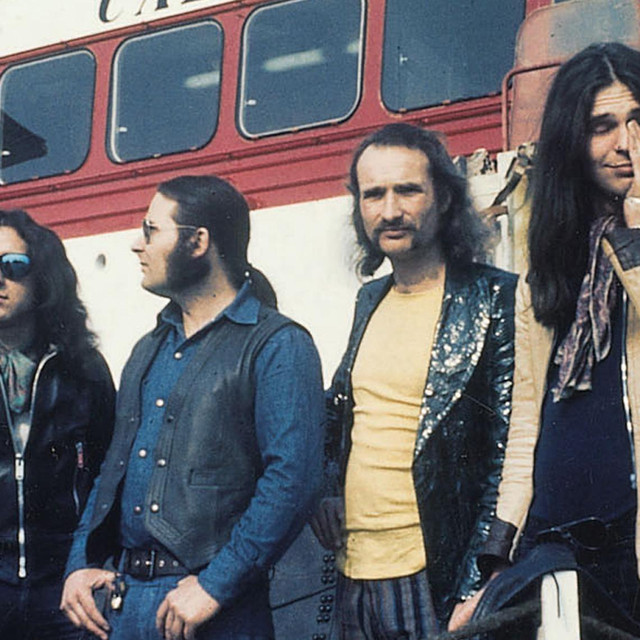
CAN
Krautrock
No Wave
Experimental Rock
2
/5
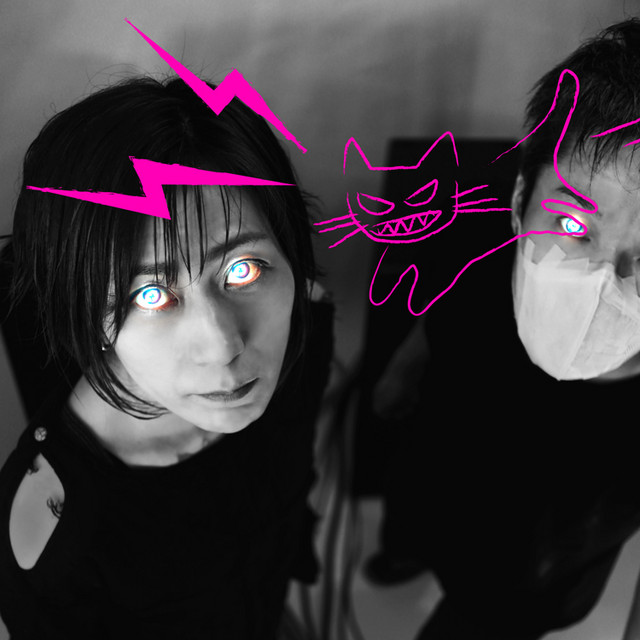
Melt-Banana
Noise
Noise Rock
Noisecore
1
/5
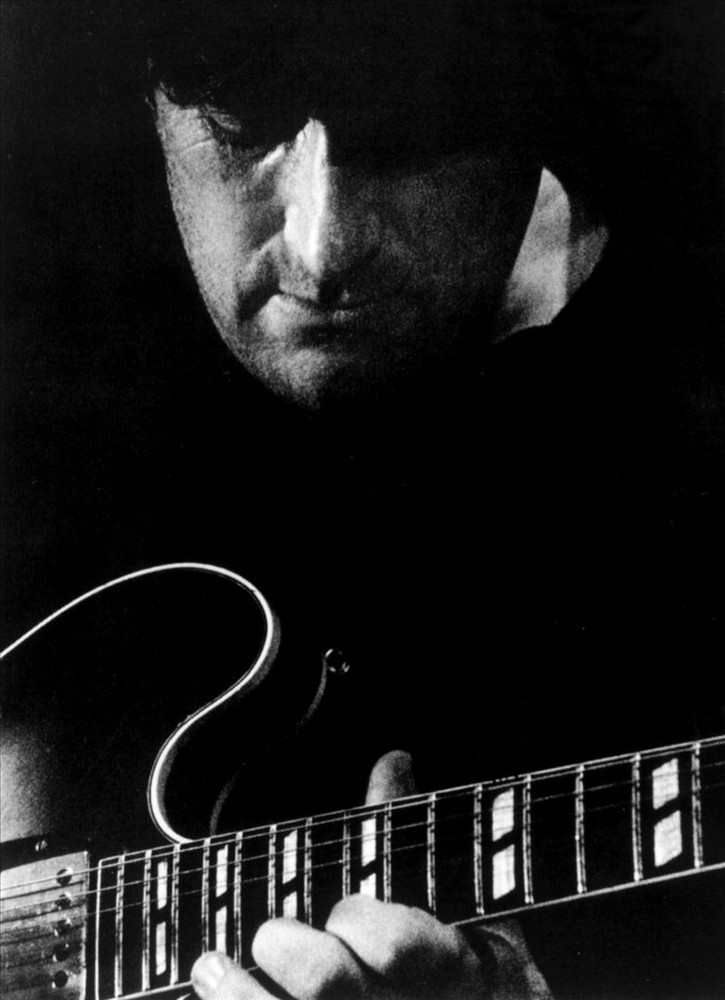
Fred Frith
Free Improvisation
Avant-Garde
Experimental
1
/5
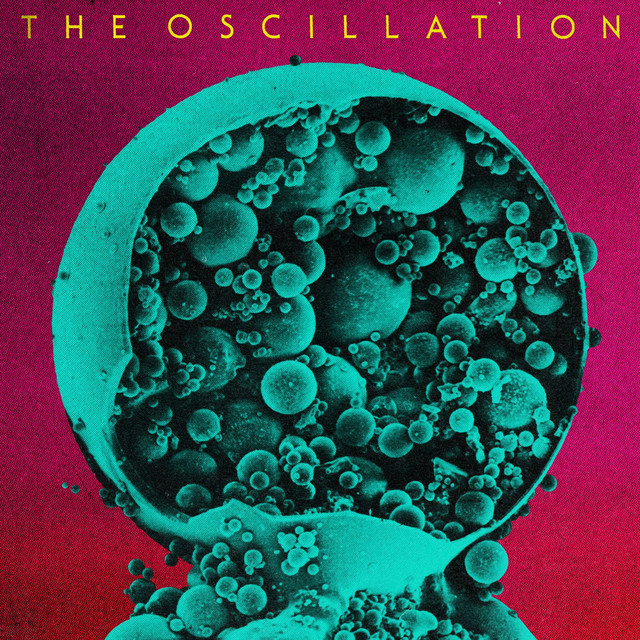
The Oscillation
Drone
Psychedelic Rock
Rock
4
/5
Björk
Art Pop
Icelandic Experimental
Electronic
Download our mobile app
Get the Melodigging app and start digging for new genres on the go
Download on the App Store
Get it on Google Play
© 2026 Melodigging
Give feedback
Legal
Melodding was created as a tribute to
Every Noise at Once
, which inspired us to help curious minds keep digging into music's ever-evolving genres.