Genres
Artists
Albums
Make Music
Sign in
Sign in
Artists
Space Age Pop
Artists
Space Age Pop
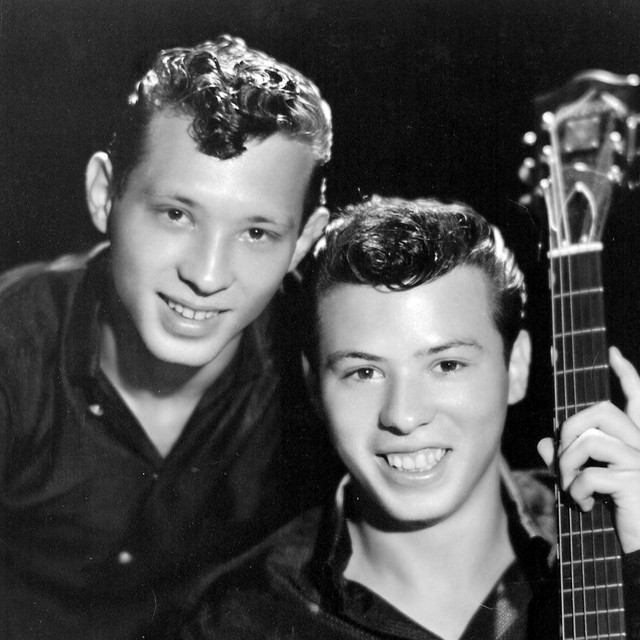
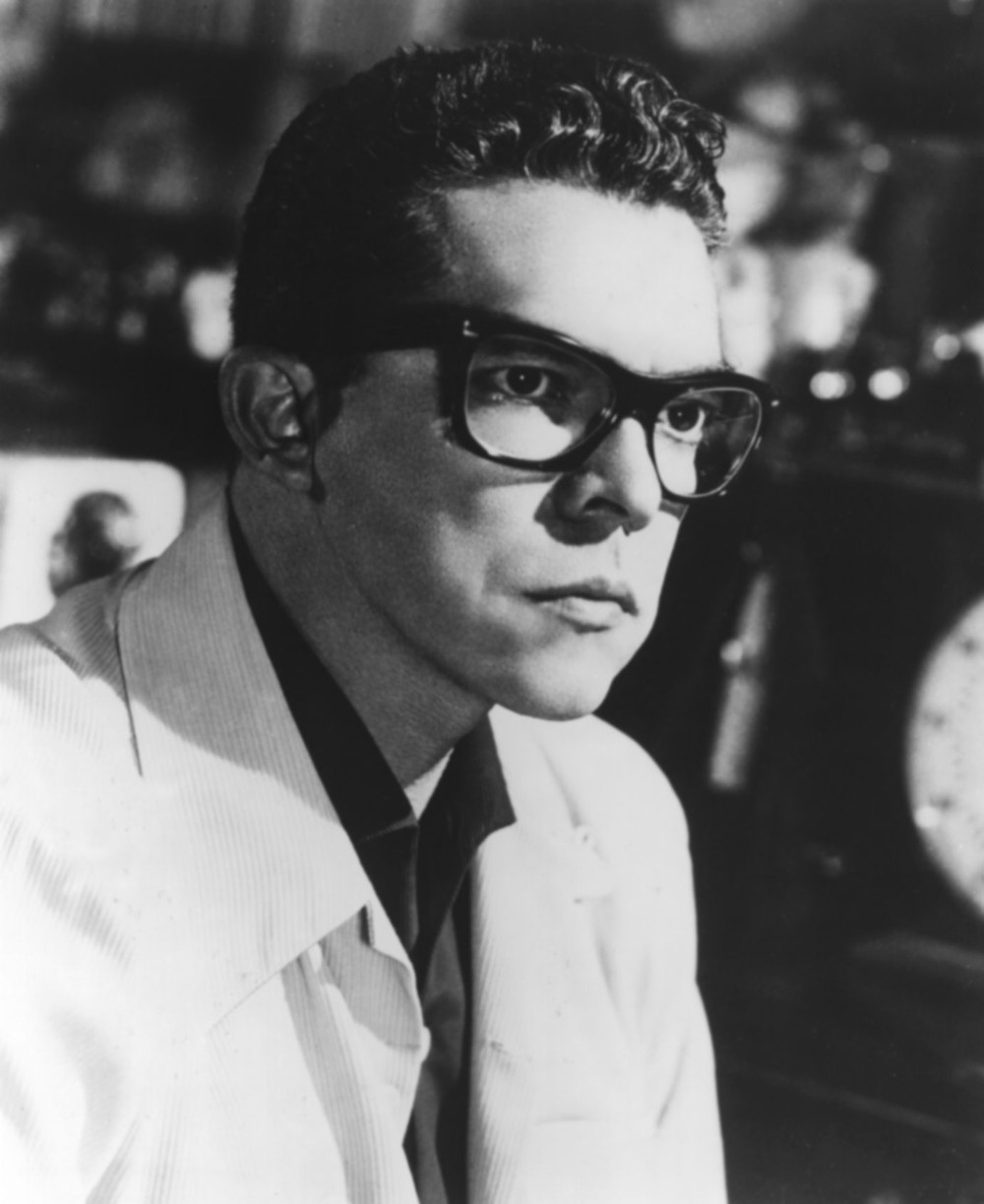
Dick Hyman
1963–2002
·
7 albums
Listen
3
/5
Genres
Moogsploitation
Moogsploitation is a retroactively coined term for the late-1960s and early-1970s wave of pop-oriented records that showcased the Moog synthesizer as a novelty attraction. These albums typically featured playful, technicolor arrangements, catchy lead lines, and filter-swept timbres, often covering current chart hits, film themes, or familiar classical tunes in a cheeky, futuristic style. Sonically, moogsploitation sits at the crossroads of lounge and easy listening, space age pop, and early electronic experimentation. It foregrounds monophonic Moog leads, burbling bass ostinatos, spring/plate reverbs, tape echo, and stereo panning tricks, while rhythm sections lean on light pop, bossa-nova, or shuffle grooves. The genre blossomed after the commercial success of Wendy Carlos’s Switched-On Bach (1968), prompting labels and arrangers to release “Moog-ified” LPs that celebrated the synthesizer’s new, otherworldly character.
Discover
Listen
Spy Music
Spy music is a mid‑century cinematic and television style associated with espionage, intrigue, and sleek, modern cool. It blends jazz harmony and rhythm with orchestral punch, surf‑style electric guitar twang, vibraphone shimmer, and Latin/ lounge percussion to create an atmosphere of danger and sophistication. Common traits include minor‑key and modal melodies, chromatic riffs, sneaking ostinatos, bold brass stabs, and unusual meters (famously 5/4). The palette often features tremolo electric guitar with spring reverb, vibraphone, flutes and saxophones, tight bass and bongos, and dramatic strings. The overall effect evokes covert action, high style, and a sense of suave tension.
Discover
Listen
Space Age Pop
Space age pop is a mid‑century style of highly produced “hi‑fi” lounge and easy listening that embraced postwar futurism, stereo spectacle, and exotic color. It blends plush orchestras, jazz harmonies, and Latin/"exotica" percussion with novel timbres such as vibraphone, celeste, theremin, ondes Martenot, and early electronic/echo effects. Arrangers focused on dazzling stereo staging, crisp percussion, and sparkling instrumental details meant to show off new home sound systems. Melodies are tuneful and sophisticated, harmonies are rich (9ths, 11ths, 13ths), and rhythms often draw from mambo, cha‑cha‑cha, and bossa‑tinged grooves. The mood ranges from dreamy and romantic to playful and futuristic—an aural image of the “Jet Age,” tiki bars, and optimistic science fiction.
Discover
Listen
Exotica
Exotica is a mid‑century style of mood music that blends jazz harmony, easy‑listening orchestration, and a collage of global percussion and timbral signifiers meant to evoke imaginary tropical, Polynesian, Asian, African, and Latin locales. Characterized by vibraphone and marimba leads, lush strings, woodwinds, wordless vocals, bird calls, gongs, and abundant reverberation, it creates a cinematic “armchair travel” experience. Rather than documenting specific traditions, exotica assembles stylized sound cues—Afro‑Cuban grooves, Polynesian drum patterns, pentatonic and whole‑tone colors—into atmospheric mini‑dramas. The genre flourished alongside postwar tiki culture and hi‑fi/stereo demonstrations, prioritizing vivid spatial staging and evocative orchestration over virtuoso soloing.
Discover
Listen
Lounge
Lounge music is a style of easy listening designed to evoke a sense of place and atmosphere—tropical islands, jungles, elegant cocktail bars, or even outer space. It prizes a chilled, urbane mood achieved through light instrumentation, lush arrangements, and crooning or wordless vocals. Rooted in earlier light music and crooner traditions, classic lounge blossomed in the 1950s and 1960s alongside hi‑fi and stereo “space age” culture. It draws from Dixieland and small‑combo jazz, Latin dance rhythms (mambo, cha‑cha, bossa inflections), novelty/gimmick songs, and occasional experimental studio techniques. The spectrum ranges from exotica and beautiful‑music instrumentals to suave, jazzy vocal numbers—and in modern eras, it can intersect with downtempo and electronica while keeping its retro, escapist ambiance.
Discover
Listen
Swing
Swing is a jazz style centered on a buoyant, danceable groove created by a walking bass, four-to-the-bar rhythm guitar, a backbeat emphasis on 2 and 4, and a lilted “swung” eighth-note feel. Typically performed by big bands (saxes, trumpets, trombones, and a rhythm section) as well as small combos, it balances written arrangements with improvised solos. Hallmarks include call-and-response between horn sections, riff-based melodies, shout choruses that build intensity near the end of an arrangement, and rich sectional voicings grounded in blues language and ii–V–I harmonic motion. Tempos range from medium to brisk, serving social dances like the Lindy Hop and Jitterbug. Swing’s expressive phrasing, dance-floor focus, and sophisticated arranging made it the dominant popular music of the late 1930s and early 1940s.
Discover
Listen
Stride
Stride (often called Harlem stride piano) is an early jazz piano style distinguished by a powerful, syncopated left hand that "strides" between low bass notes or octaves on beats 1 and 3 and mid‑range chords on beats 2 and 4, while the right hand plays a highly embellished melody, runs, and improvised variations. Emerging in New York City—especially Harlem—after ragtime, stride expanded the rhythmic looseness, harmonic richness, and improvisational freedom that would feed directly into swing and later jazz piano traditions. It is both virtuosic and danceable, equally suited to fast showpieces and tender ballads, and was central to piano "cutting contests" of the era.
Discover
Listen
Novelty Piano
Novelty piano is a virtuosic, light-classical offshoot of ragtime that blossomed in the 1920s United States, particularly around Chicago’s player‑piano industry. It favors clean, showy right‑hand figurations (rapid runs, black‑key cascades, chromatic turns) over heavy syncopation, and often presents a bright, tuneful melody over a tidy, lightly striding or oom‑pah left hand. A successor to late ragtime and an outgrowth of the 1910s piano‑roll culture, novelty piano is frequently described as a pianistic cousin of early jazz: it borrows some jazz harmonies and rhythmic zip, yet it is distinct from Harlem stride, typically lighter, drier in pedaling, and more precision‑driven than swing‑oriented. Felix Arndt’s “Nola” (1915) is widely cited as an early hit that pointed the way toward the style, which went on to peak in the early–mid 1920s with recording and piano‑roll bestsellers.
Discover
Listen
Jazz
Jazz is an improvisation-centered music tradition that emerged from African American communities in the early 20th century. It blends blues feeling, ragtime syncopation, European harmonic practice, and brass band instrumentation into a flexible, conversational art. Defining features include swing rhythm (a triplet-based pulse), call-and-response phrasing, blue notes, and extended harmonies built on 7ths, 9ths, 11ths, and 13ths. Jazz is as much a way of making music—spontaneous interaction, variation, and personal sound—as it is a set of forms and tunes. Across its history, jazz has continually hybridized, from New Orleans ensembles and big-band swing to bebop, cool and hard bop, modal and free jazz, fusion, and contemporary cross-genre experiments. Its influence permeates global popular and art music.
Discover
Listen
Ragtime
Ragtime is an African American–rooted piano style that flourished from the 1890s to the 1910s, characterized by lively syncopation in the right hand against a steady, march-like “oom‑pah” accompaniment in the left hand. Typically written in 2/4 or 4/4 time and notated with straight (unswung) eighth notes, classic rags unfold in multiple 16‑bar strains, often in the form AABBACCDD. The music draws on cakewalk rhythms, marching-band forms, and popular song, and it became a sensation through sheet music, piano rolls, and parlor performance. Scott Joplin, known as the “King of Ragtime,” helped codify the genre’s refined, compositional approach, calling for moderate tempos and a clear, singing melody. Beyond solo piano, ragtime was arranged for small ensembles and orchestras, found a home in vaudeville and dance halls, and laid essential groundwork for early jazz, stride piano, and much of 20th‑century American popular music.
Discover
Listen
Minstrelsy
Minstrelsy is a 19th‑century American theatrical music genre centered on variety shows that combined songs, dances, comic banter, and skits. It is historically associated with blackface performance and traffic in racial caricature, which makes it a profoundly problematic yet influential part of U.S. popular music history. Musically, minstrel troupes favored a small, lively ensemble built around banjo, fiddle, bones (clappers), tambourine, and occasionally concertina or guitar. Songs typically used simple, memorable melodies and strong chorus hooks in verse‑chorus form, often with call‑and‑response patterns and danceable rhythms. The repertoire drew on Anglo‑Celtic balladry and parlor song while adopting syncopations, timbres, and participatory practices that originated in African American music.
Discover
Listen
Show all 11 genres
Albums
2002
1
/5
Forgotten Dreams: Archives of Novelty Piano (1920's-1930's)
Dick Hyman & John Sheridan
Novelty Piano
1996
1
/5
Don't Give the Name a Bad Place (Types and Stereotypes in American Musical Theater 1870-1900)
Max Morath, Danny Barker, Clifford Jackson & Dick Hyman
Minstrelsy
1988
3
/5
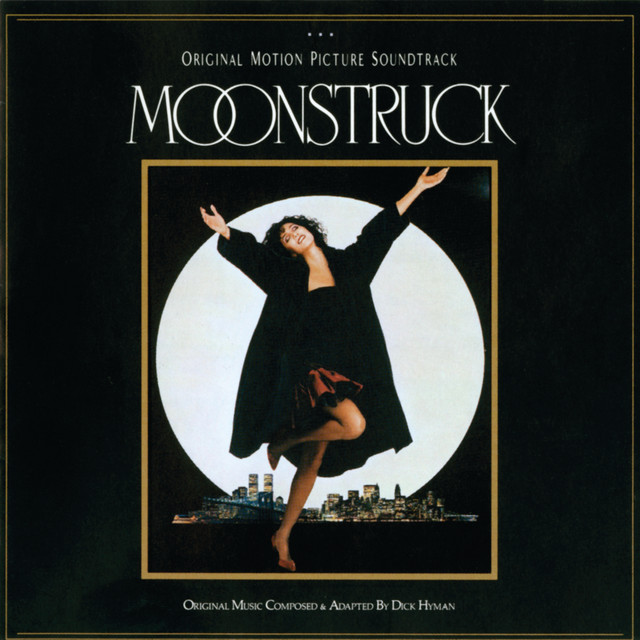
Moonstruck (Original Motion Picture Soundtrack)
Dick Hyman
Stride
1969
2
/5
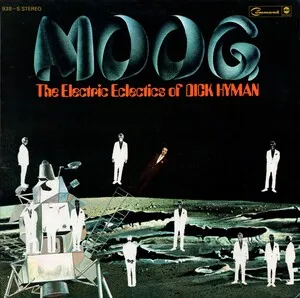
Moog: The Electric Eclectics of Dick Hyman
Dick Hyman
Moogsploitation
1965
1
/5
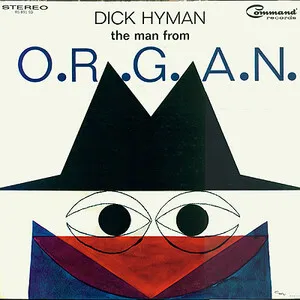
The Man From O.R.G.A.N.
Dick Hyman
Spy Music
1963
2
/5
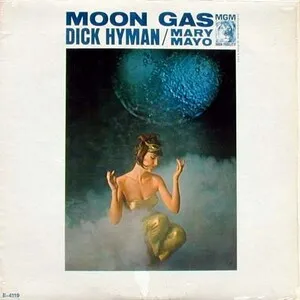
Moon Gas
Dick Hyman & Mary Mayo
Space Age Pop
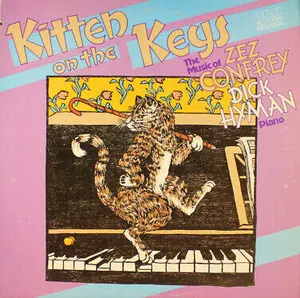
Kitten on the Keys: The Music of Zez Confrey
Dick Hyman
Novelty Piano
Similar artists
3
/5
Santo & Johnny
Space Age Pop
Surf Rock
Exotica
1
/5
Various Artists
Afro-Funk
Alternative Rock
Ambient
3
/5
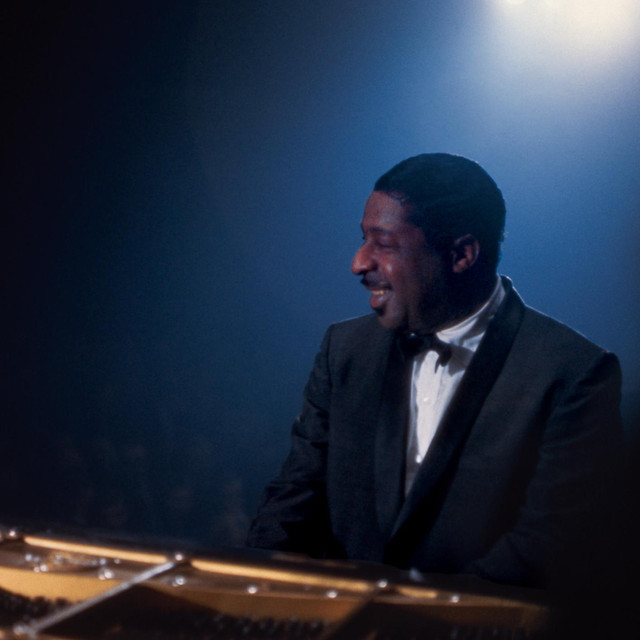
Erroll Garner
Stride
Jazz
Ragtime
3
/5
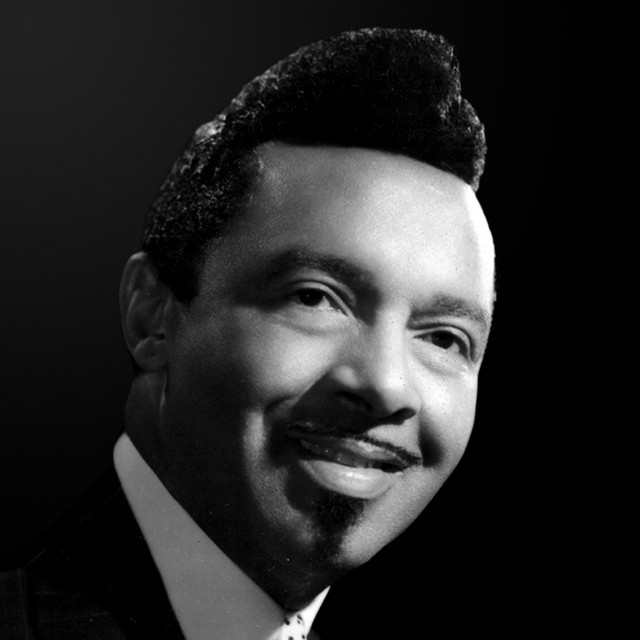
Pérez Prado
Mambo
Space Age Pop
Latin Jazz
3
/5
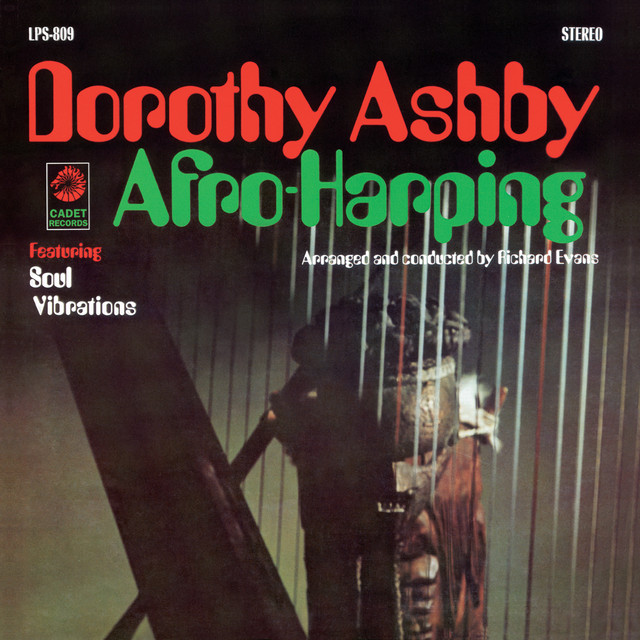
Dorothy Ashby
Space Age Pop
Exotica
Easy Listening
3
/5
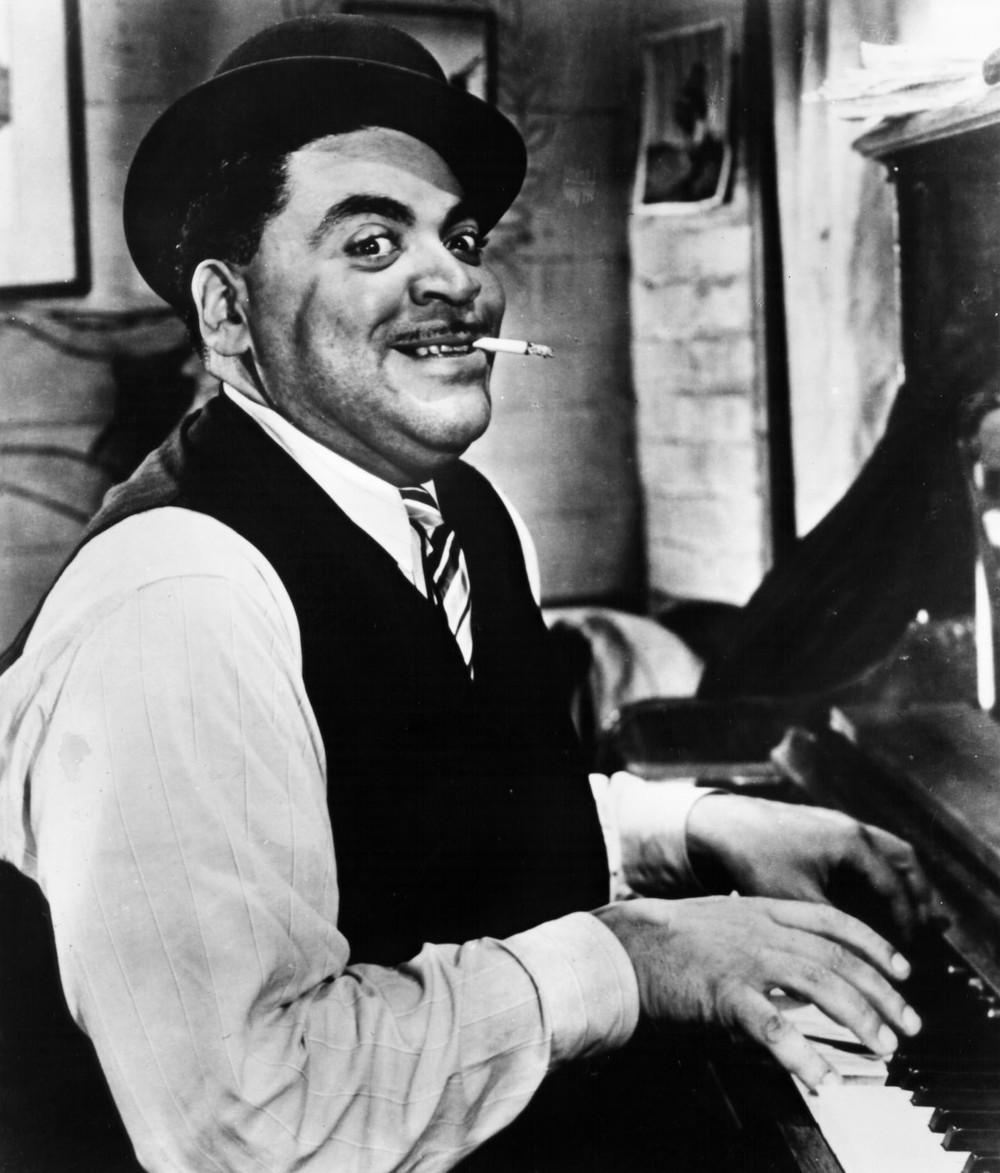
Fats Waller
Stride
Ragtime
Big Band
3
/5
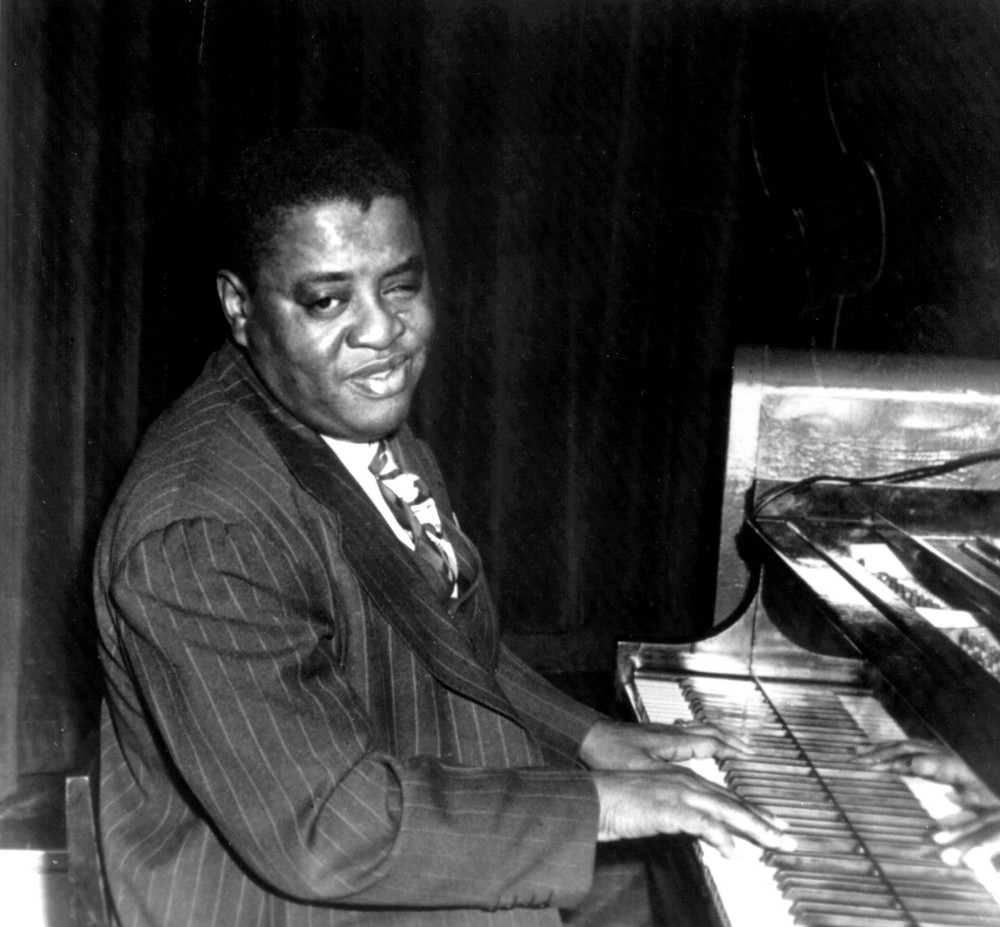
Art Tatum
Stride
Ragtime
Bebop
2
/5
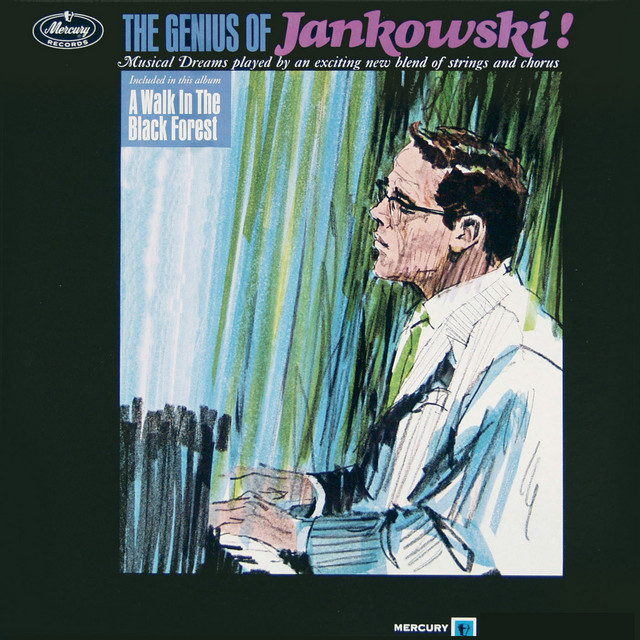
Horst Jankowski
Space Age Pop
Big Band
Easy Listening
2
/5
Esquivel!
Space Age Pop
Lounge
Adult Standards
2
/5
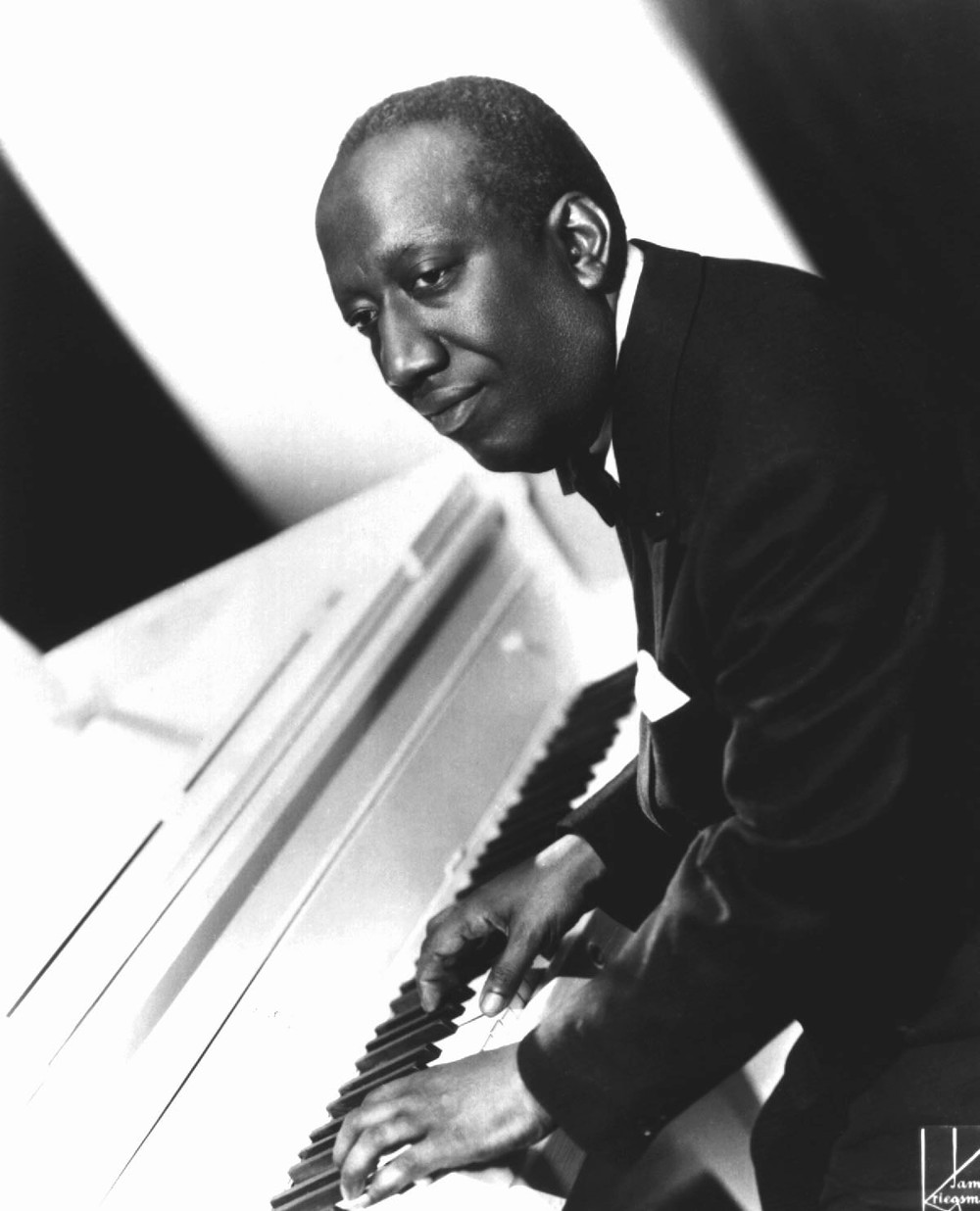
James P. Johnson
Ragtime
Boogie-Woogie
Jazz
Download our mobile app
Get the Melodigging app and start digging for new genres on the go
Download on the App Store
Get it on Google Play
© 2026 Melodigging
Give feedback
Legal
Melodding was created as a tribute to
Every Noise at Once
, which inspired us to help curious minds keep digging into music's ever-evolving genres.