Genres
Artists
Albums
Make Music
Sign in
Sign in
Artists
Stride
Artists
Stride
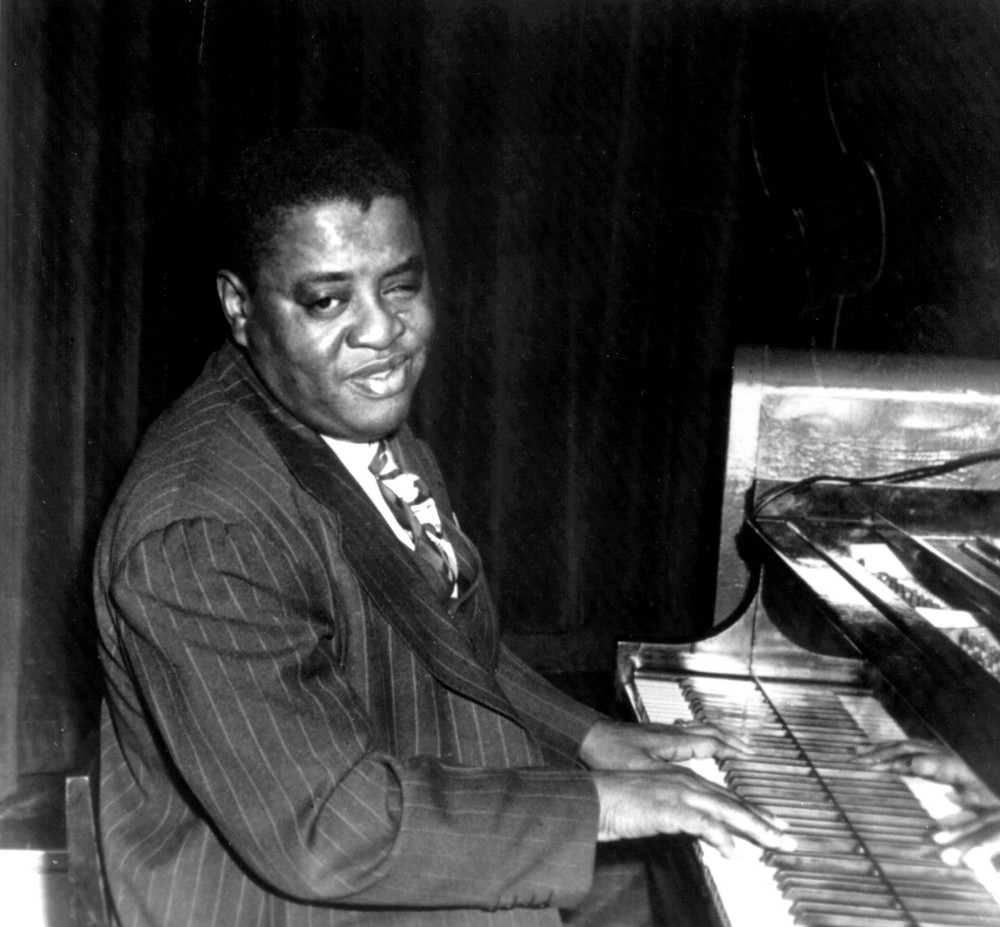
Art Tatum
1933–2021
·
13 albums
Listen
3
/5
Genres
Contemporary Post-Bop
Contemporary post-bop is a modern continuation of the post-bop language, balancing the harmonic sophistication of bebop and hard bop with modal harmony, free-jazz openness, and updated rhythmic concepts. It typically favors small acoustic ensembles (saxophone or trumpet-led groups with piano, double bass, and drums), although guitar often substitutes or augments the piano in many groups. Compared with classic post-bop of the 1960s, contemporary post-bop embraces broader metric variety (odd meters, mixed meter, and polyrhythms), more flexible forms, and a wider palette of timbres. The writing often features original compositions with memorable heads, extended harmonies, motivic development, and space for improvisation that can move fluidly from inside playing to harmonically “outside” lines. The aesthetic ranges from straight-ahead swing to straight-eighth textures, with influences from ECM-style lyricism, modern classical voicings, and contemporary groove-oriented feels. The result is music that sounds rooted in the jazz tradition yet distinctly current in touch and tone.
Discover
Listen
Bebop
Bebop is a modern jazz style characterized by fast tempos, intricate melodies, and harmonically advanced improvisation. It moved jazz from dance-oriented big-band music to art-focused small-ensemble performance, prioritizing virtuosity and spontaneous creativity. Typical bebop groups are quintets or quartets featuring trumpet, alto or tenor saxophone, piano, double bass, and drums. The music emphasizes asymmetrical phrasing, extended chords and substitutions, and contrafacts—new melodies written over the chord changes of popular songs. Rhythm sections center time on the ride cymbal, with the bass walking and the drummer "dropping bombs" on snare and bass drum. Melodies are angular and chromatic, and soloists outline rapidly shifting harmonies with bebop scales, enclosure tones, and altered dominants.
Discover
Listen
Swing
Swing is a jazz style centered on a buoyant, danceable groove created by a walking bass, four-to-the-bar rhythm guitar, a backbeat emphasis on 2 and 4, and a lilted “swung” eighth-note feel. Typically performed by big bands (saxes, trumpets, trombones, and a rhythm section) as well as small combos, it balances written arrangements with improvised solos. Hallmarks include call-and-response between horn sections, riff-based melodies, shout choruses that build intensity near the end of an arrangement, and rich sectional voicings grounded in blues language and ii–V–I harmonic motion. Tempos range from medium to brisk, serving social dances like the Lindy Hop and Jitterbug. Swing’s expressive phrasing, dance-floor focus, and sophisticated arranging made it the dominant popular music of the late 1930s and early 1940s.
Discover
Listen
Stride
Stride (often called Harlem stride piano) is an early jazz piano style distinguished by a powerful, syncopated left hand that "strides" between low bass notes or octaves on beats 1 and 3 and mid‑range chords on beats 2 and 4, while the right hand plays a highly embellished melody, runs, and improvised variations. Emerging in New York City—especially Harlem—after ragtime, stride expanded the rhythmic looseness, harmonic richness, and improvisational freedom that would feed directly into swing and later jazz piano traditions. It is both virtuosic and danceable, equally suited to fast showpieces and tender ballads, and was central to piano "cutting contests" of the era.
Discover
Listen
Jazz
Jazz is an improvisation-centered music tradition that emerged from African American communities in the early 20th century. It blends blues feeling, ragtime syncopation, European harmonic practice, and brass band instrumentation into a flexible, conversational art. Defining features include swing rhythm (a triplet-based pulse), call-and-response phrasing, blue notes, and extended harmonies built on 7ths, 9ths, 11ths, and 13ths. Jazz is as much a way of making music—spontaneous interaction, variation, and personal sound—as it is a set of forms and tunes. Across its history, jazz has continually hybridized, from New Orleans ensembles and big-band swing to bebop, cool and hard bop, modal and free jazz, fusion, and contemporary cross-genre experiments. Its influence permeates global popular and art music.
Discover
Listen
Ragtime
Ragtime is an African American–rooted piano style that flourished from the 1890s to the 1910s, characterized by lively syncopation in the right hand against a steady, march-like “oom‑pah” accompaniment in the left hand. Typically written in 2/4 or 4/4 time and notated with straight (unswung) eighth notes, classic rags unfold in multiple 16‑bar strains, often in the form AABBACCDD. The music draws on cakewalk rhythms, marching-band forms, and popular song, and it became a sensation through sheet music, piano rolls, and parlor performance. Scott Joplin, known as the “King of Ragtime,” helped codify the genre’s refined, compositional approach, calling for moderate tempos and a clear, singing melody. Beyond solo piano, ragtime was arranged for small ensembles and orchestras, found a home in vaudeville and dance halls, and laid essential groundwork for early jazz, stride piano, and much of 20th‑century American popular music.
Discover
Listen
Albums
2021
1
/5
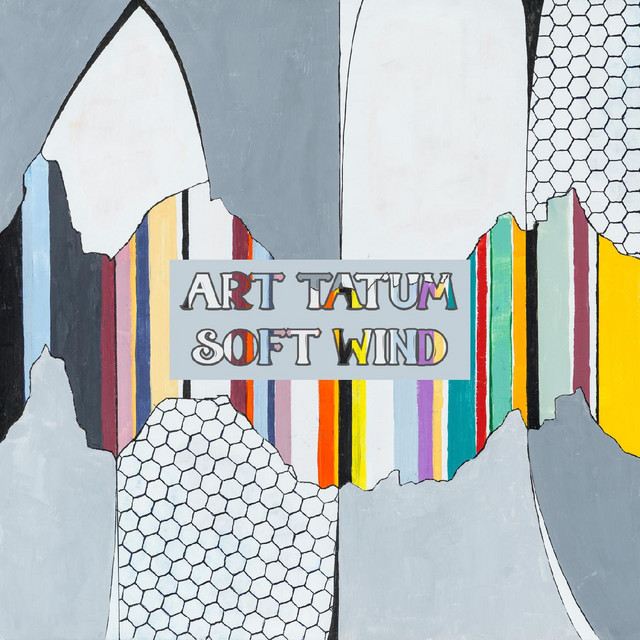
Soft Wind
Art Tatum
Stride
2020
1
/5
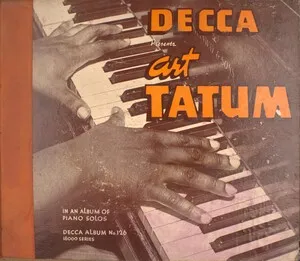
Decca Presents Art Tatum (In an Album of Piano Solos)
Art Tatum
Stride
Ragtime
2013
2
/5
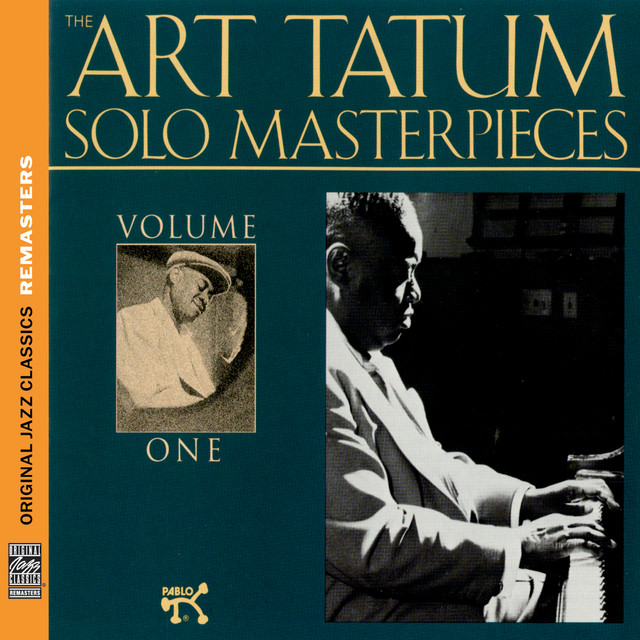
The Art Tatum Solo Masterpieces, Vol. 1 [Original Jazz Classics Remasters]
Art Tatum
Stride
2011
1
/5
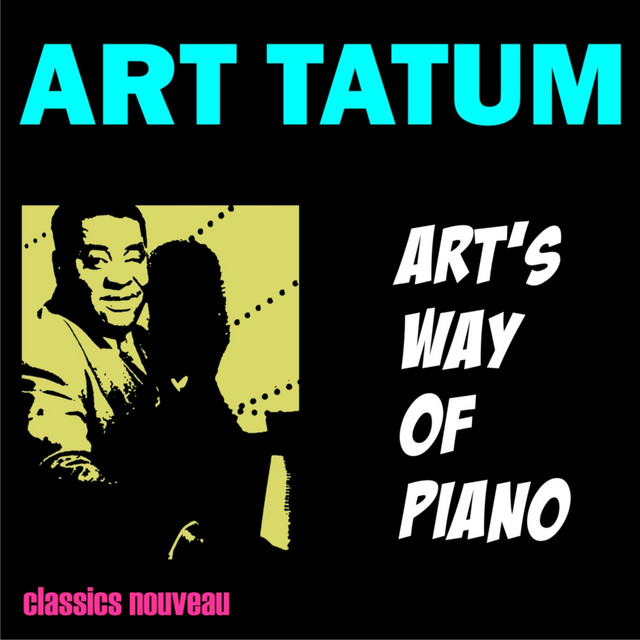
Art's Way of Piano
Art Tatum
Stride
2003
2
/5
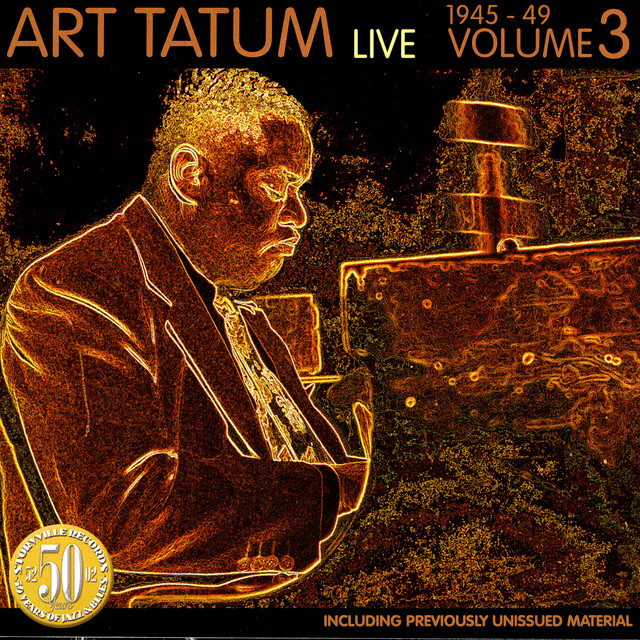
1945-49, Vol. 3 (Live)
Art Tatum
Stride
Ragtime
2003
2
/5
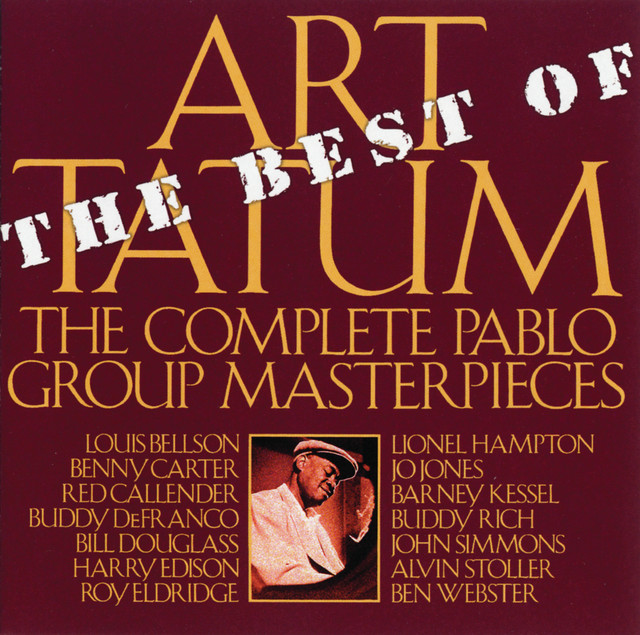
The Best Of The Pablo Group Masterpieces
Art Tatum
Stride
1997
3
/5
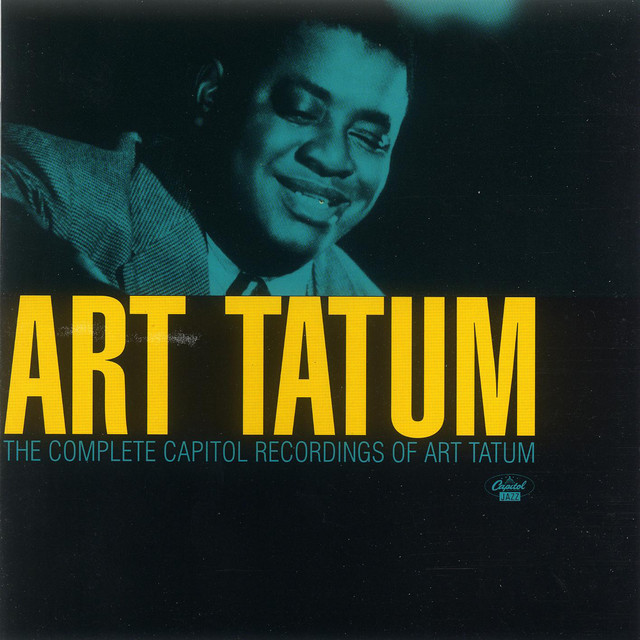
The Complete Capitol Recordings Of Art Tatum
Art Tatum
Stride
1992
2
/5
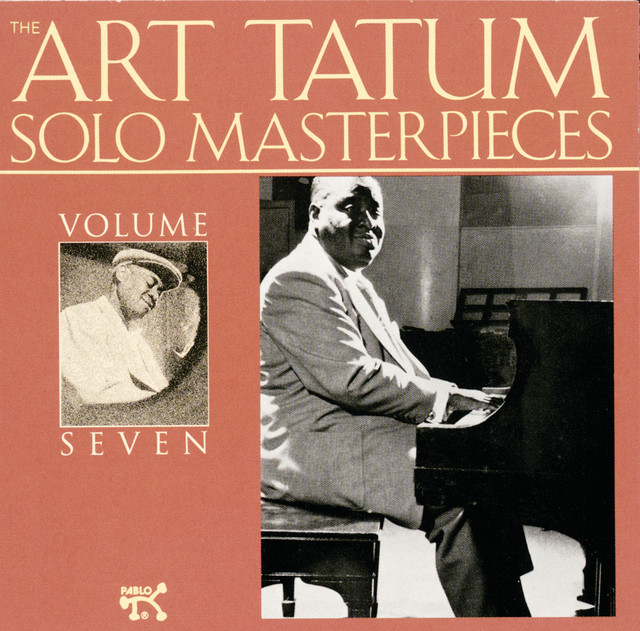
The Art Tatum Solo Masterpieces, Vol. 7
Art Tatum
Stride
1992
1
/5
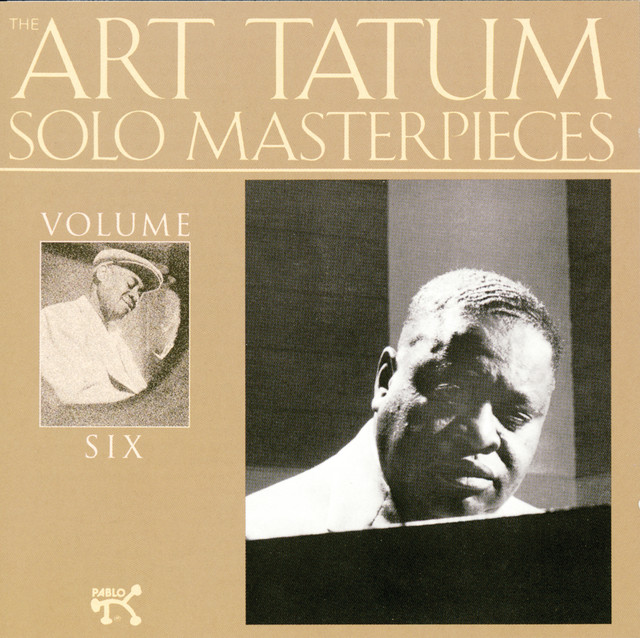
The Art Tatum Solo Masterpieces, Vol. 6
Art Tatum
Stride
1991
2
/5
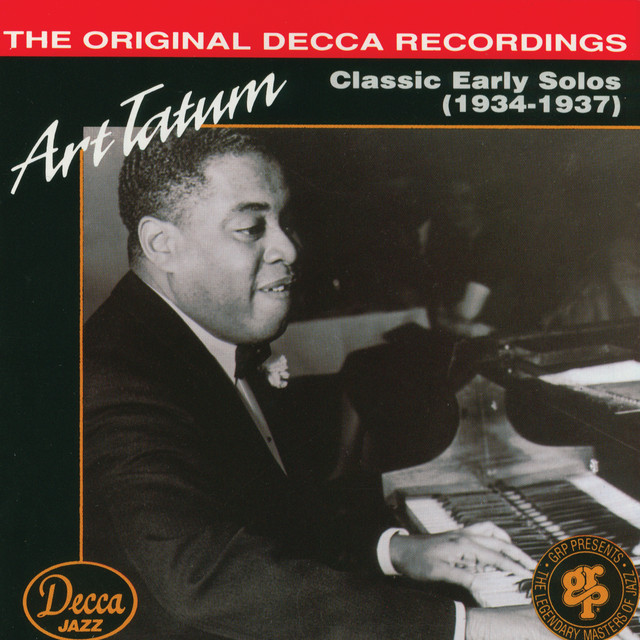
Classic Early Solos (1934-1937)
Art Tatum
Stride
Ragtime
Contemporary Post-Bop
1990
1
/5
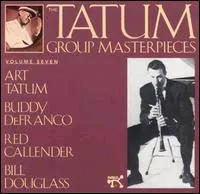
The Tatum Group Masterpieces, Vol. 7
Art Tatum
Stride
Ragtime
1975
1
/5
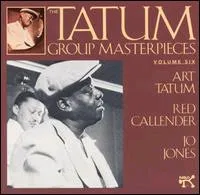
The Tatum Group Masterpieces, Vol. 6
Art Tatum
Stride
Ragtime
1933
3
/5
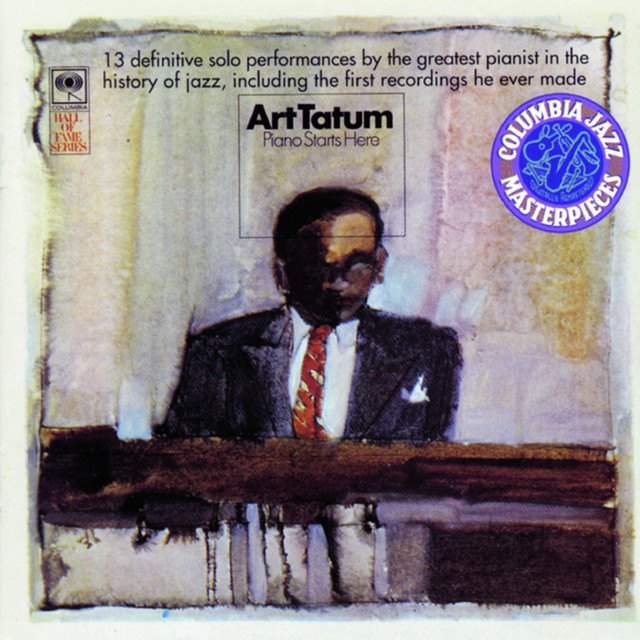
Piano Starts Here
Art Tatum
Stride
Jazz
Swing
Similar artists
3
/5
Erroll Garner
Stride
Jazz
Ragtime
3
/5
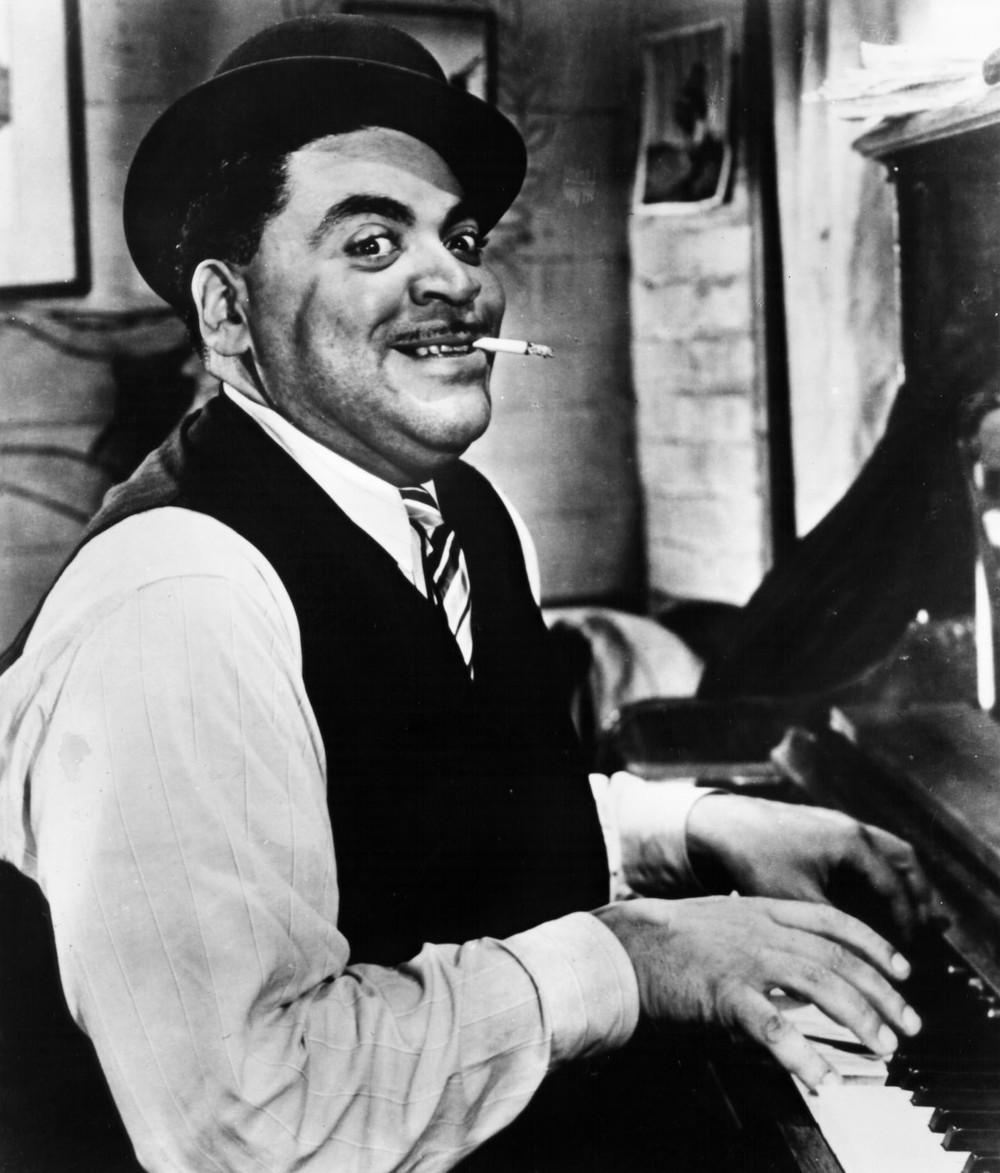
Fats Waller
Stride
Ragtime
Big Band
3
/5
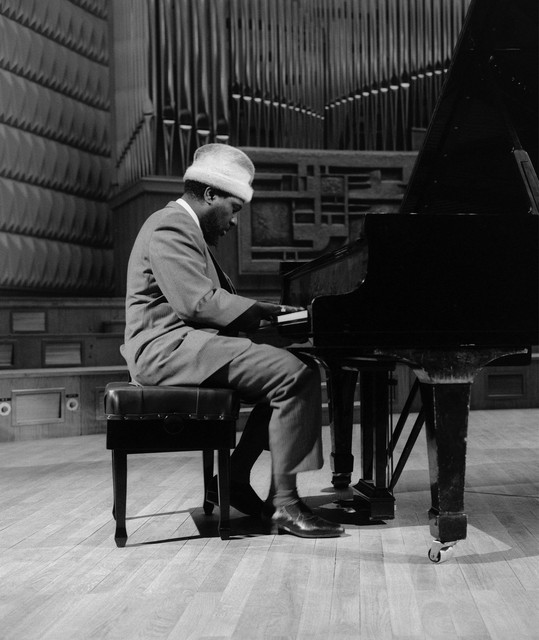
Thelonious Monk
Jazz
Hard Bop
Bebop
1
/5
Various Artists
Afro-Funk
Alternative Rock
Ambient
4
/5
Oscar Peterson Trio
Contemporary Post-Bop
Bebop
Cool Jazz
3
/5
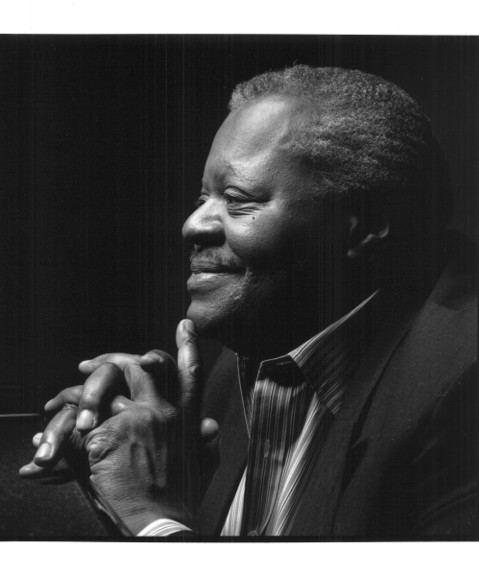
Oscar Peterson
Jazz
Bebop
Cool Jazz
3
/5
Bud Powell
Bebop
Jazz
Cool Jazz
1
/5
Jaki Byard
Stride
Free Jazz
Hard Bop
4
/5
Duke Ellington
Big Band
Swing
Jazz
2
/5
Hampton Hawes Trio
Bebop
Cool Jazz
Hard Bop
Download our mobile app
Get the Melodigging app and start digging for new genres on the go
Download on the App Store
Get it on Google Play
© 2026 Melodigging
Give feedback
Legal
Melodding was created as a tribute to
Every Noise at Once
, which inspired us to help curious minds keep digging into music's ever-evolving genres.