Genres
Artists
Albums
Make Music
Sign in
Sign in
Artists
Stride
Artists
Stride
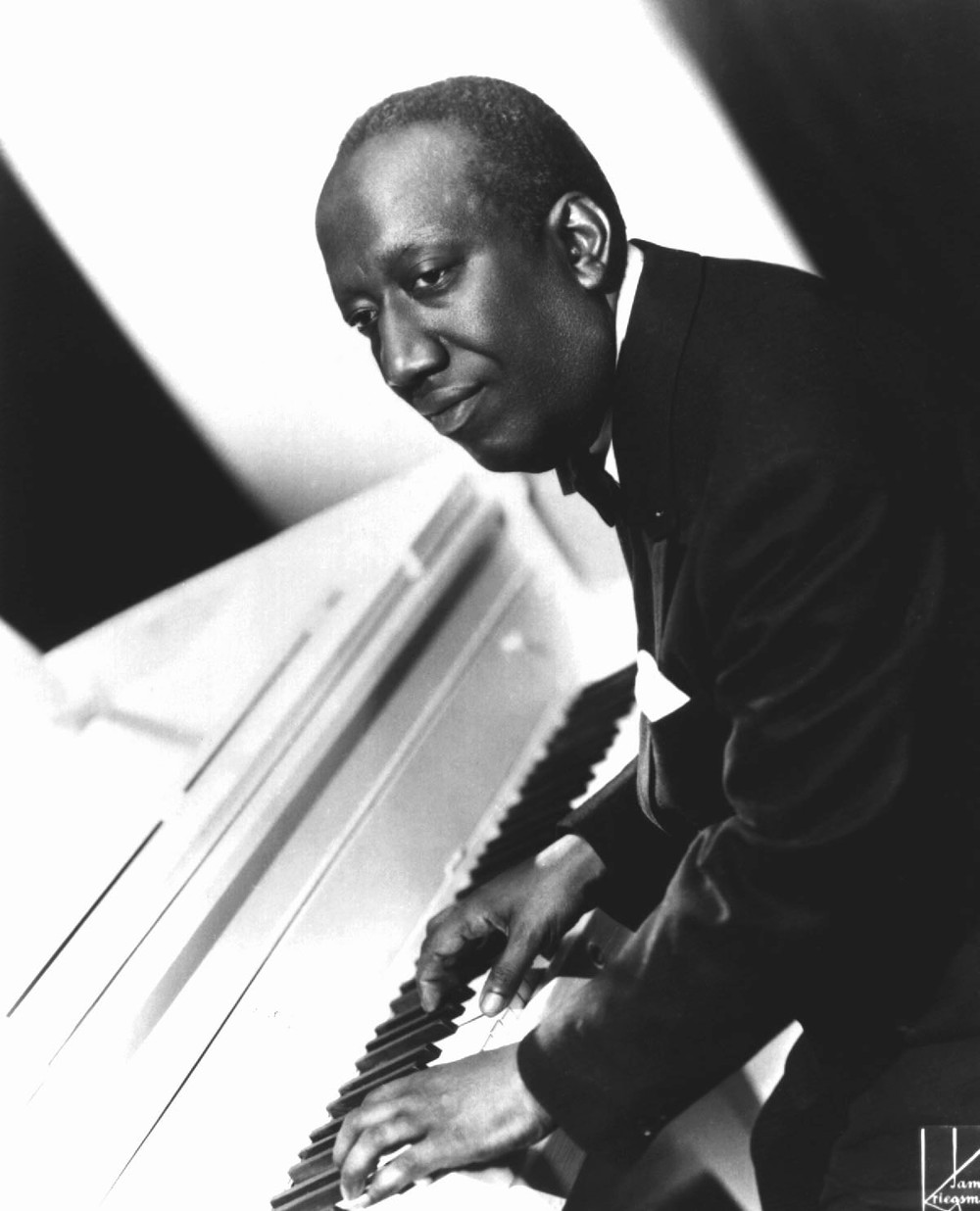
James P. Johnson
1991–2019
·
5 albums
Listen
2
/5
Genres
Harlem Renaissance
The Harlem Renaissance, as a musical movement within a broader cultural flowering, crystallized in 1920s Harlem, New York City. It brought together jazz, blues, spirituals, popular song, and theatre music into a vibrant urban sound shaped by Black bandleaders, composers, singers, and pianists. Musically, it fused blues feeling with sophisticated arranging, stride-piano virtuosity, urbane songwriting, and dance-band propulsion. Call-and-response writing, riff-based textures, and blues-inflected melodies met polished Tin Pan Alley craft. The scene thrived in ballrooms and nightclubs like the Cotton Club and the Savoy, on Broadway stages, and at “rent parties,” where stride pianists drove social dancing and innovation. Beyond entertainment, Harlem Renaissance music signaled modern Black identity and artistry, catalyzing the transition from early New Orleans/Dixieland styles to the big-band swing era and laying cultural groundwork that later enabled bebop and modern jazz.
Discover
Listen
Stride
Stride (often called Harlem stride piano) is an early jazz piano style distinguished by a powerful, syncopated left hand that "strides" between low bass notes or octaves on beats 1 and 3 and mid‑range chords on beats 2 and 4, while the right hand plays a highly embellished melody, runs, and improvised variations. Emerging in New York City—especially Harlem—after ragtime, stride expanded the rhythmic looseness, harmonic richness, and improvisational freedom that would feed directly into swing and later jazz piano traditions. It is both virtuosic and danceable, equally suited to fast showpieces and tender ballads, and was central to piano "cutting contests" of the era.
Discover
Listen
Jazz
Jazz is an improvisation-centered music tradition that emerged from African American communities in the early 20th century. It blends blues feeling, ragtime syncopation, European harmonic practice, and brass band instrumentation into a flexible, conversational art. Defining features include swing rhythm (a triplet-based pulse), call-and-response phrasing, blue notes, and extended harmonies built on 7ths, 9ths, 11ths, and 13ths. Jazz is as much a way of making music—spontaneous interaction, variation, and personal sound—as it is a set of forms and tunes. Across its history, jazz has continually hybridized, from New Orleans ensembles and big-band swing to bebop, cool and hard bop, modal and free jazz, fusion, and contemporary cross-genre experiments. Its influence permeates global popular and art music.
Discover
Listen
Dixieland
Dixieland is one of the earliest forms of jazz, crystallizing in New Orleans in the 1910s and spreading to Chicago and New York in the 1920s. It is characterized by collective improvisation, where the front line—trumpet or cornet carrying the melody, clarinet weaving countermelodies, and trombone providing "tailgate" harmonies and slides—creates a lively polyphonic texture over a buoyant two-beat feel. Its rhythm section often features banjo or piano, tuba or string bass, and drums playing parade-derived press rolls and stop-time figures. Harmonically it draws on functional tonality (I–IV–V with frequent secondary dominants), and structurally it favors 12-bar blues, 16-bar strains from ragtime, and 32-bar AABA song forms. Repertoire includes marches, blues, spirituals, popular songs, and Creole dances, rendered with a brassy, celebratory sound that evokes the New Orleans brass band tradition.
Discover
Listen
Ragtime
Ragtime is an African American–rooted piano style that flourished from the 1890s to the 1910s, characterized by lively syncopation in the right hand against a steady, march-like “oom‑pah” accompaniment in the left hand. Typically written in 2/4 or 4/4 time and notated with straight (unswung) eighth notes, classic rags unfold in multiple 16‑bar strains, often in the form AABBACCDD. The music draws on cakewalk rhythms, marching-band forms, and popular song, and it became a sensation through sheet music, piano rolls, and parlor performance. Scott Joplin, known as the “King of Ragtime,” helped codify the genre’s refined, compositional approach, calling for moderate tempos and a clear, singing melody. Beyond solo piano, ragtime was arranged for small ensembles and orchestras, found a home in vaudeville and dance halls, and laid essential groundwork for early jazz, stride piano, and much of 20th‑century American popular music.
Discover
Listen
Tin Pan Alley
Tin Pan Alley refers to the late‑19th- and early‑20th‑century New York music‑publishing hub that industrialized the creation and promotion of American popular song. Centered around West 28th Street in Manhattan, publishers and song pluggers churned out catchy tunes for mass sheet‑music sales and vaudeville performance. Musically, Tin Pan Alley songs favored memorable melodies, clear hooks, and singable ranges, often set in 3/4 waltz time or 4/4 with light syncopation picked up from ragtime. The prevailing 32‑bar AABA form became a defining template, with diatonic harmony enriched by secondary dominants, circle‑of‑fifths motion, and occasional modulations. Culturally, Tin Pan Alley fed Broadway revues, vaudeville circuits, and later radio and film, laying the foundation of the Great American Songbook. Its output ranges from romantic ballads to novelty numbers and uptempo dance songs, shaping the language of American popular music for decades.
Discover
Listen
Boogie-Woogie
Boogie-woogie is a highly rhythmic, piano-centered branch of the blues distinguished by its driving “eight-to-the-bar” left-hand ostinato and improvised right-hand riffs. While it shares the 12‑bar blues framework and blue-note vocabulary, it places an unusually strong emphasis on groove, forward motion, and danceability. Typically performed at brisk tempos, the style features a rolling, repeated bass pattern in broken octaves (or a walking single-note line) that locks into a shuffle or 12/8 swing feel. Over this foundation, the right hand plays syncopated licks, triplet figures, crushed grace notes, tremolos, and call‑and‑response motifs, often quoting and varying short, catchy riffs. The result is a propulsive, celebratory sound designed for social dancing and energetic performance.
Discover
Listen
Show all 7 genres
Albums
2019
1
/5
Charleston
James P. Johnson
Stride
Tin Pan Alley
Dixieland
2015
1
/5
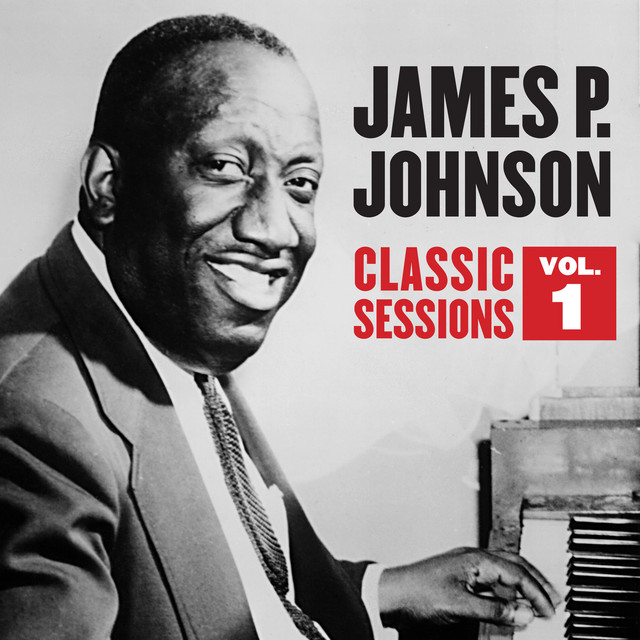
Classic Sessions Vol. 1
James P. Johnson
Stride
1998
2
/5
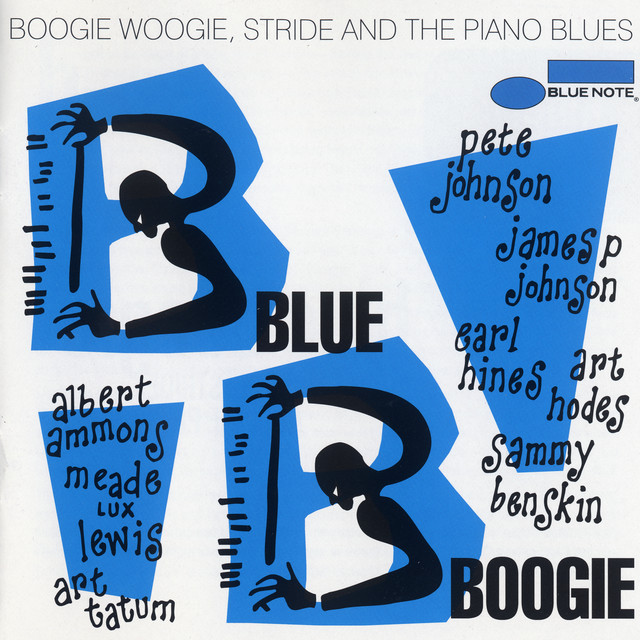
Blue Boogie: Boogie Woogie, Stride And The Piano Blues
James P. Johnson
Stride
Tin Pan Alley
Dixieland
1991
2
/5
Snowy Morning Blues
James P. Johnson
Stride
Tin Pan Alley
Jazz
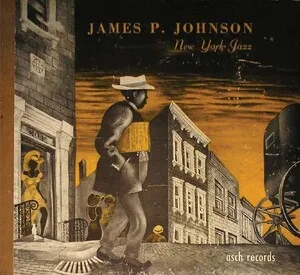
New York Jazz
James P. Johnson
Stride
Similar artists
1
/5
Various Artists
Afro-Funk
Alternative Rock
Ambient
3
/5
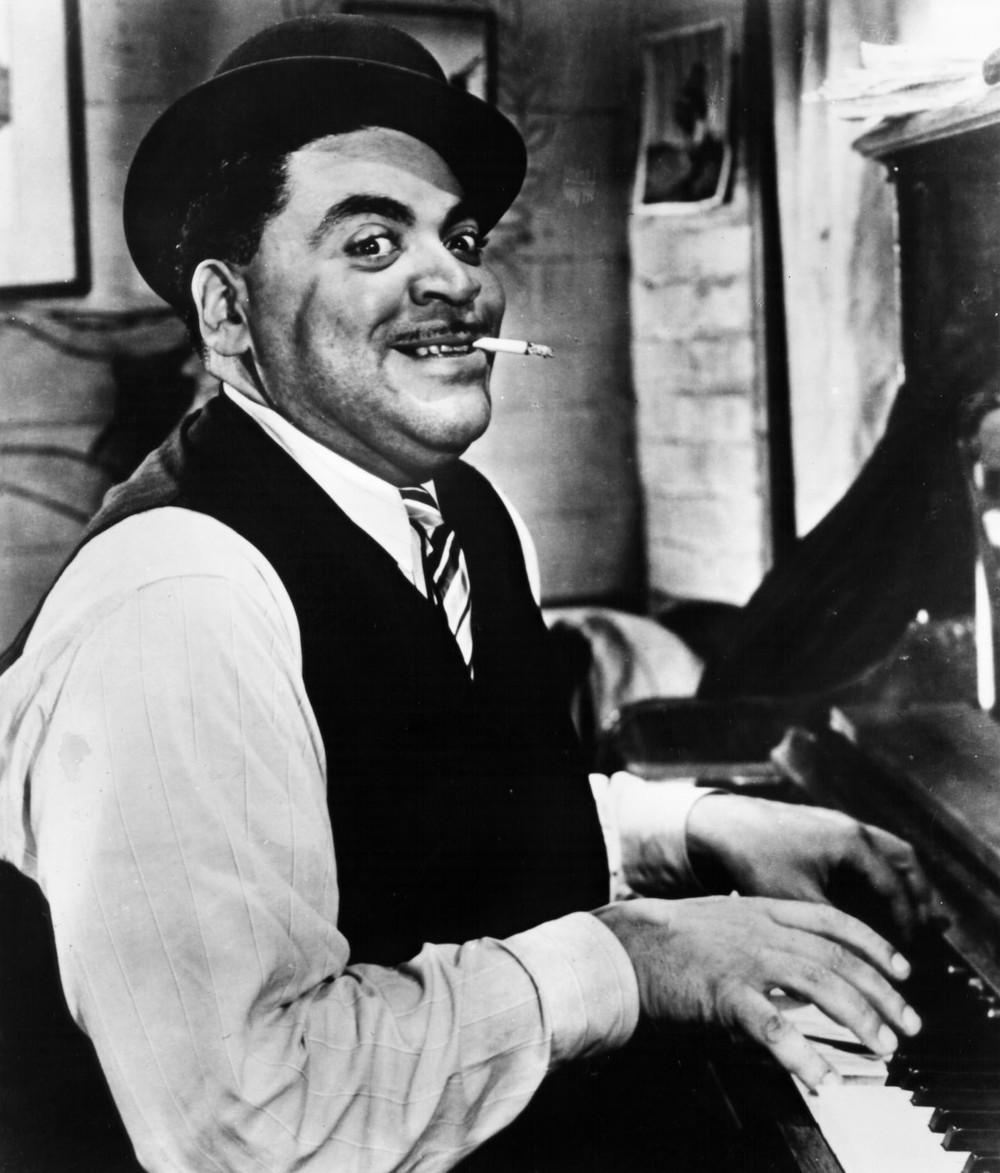
Fats Waller
Stride
Ragtime
Big Band
1
/5
Willie "The Lion" Smith
Stride
Boogie-Woogie
Jazz
3
/5
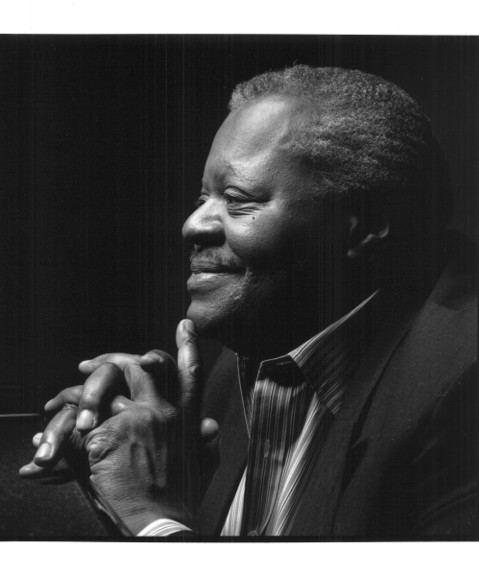
Oscar Peterson
Jazz
Bebop
Cool Jazz
3
/5
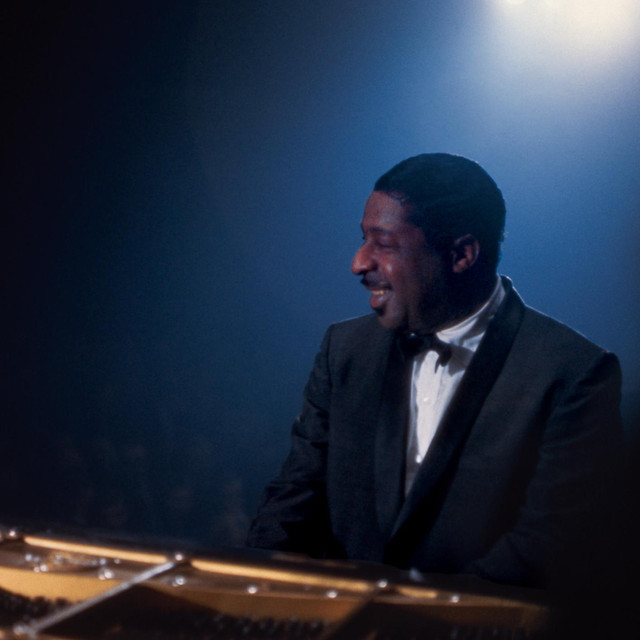
Erroll Garner
Stride
Jazz
Ragtime
3
/5
Art Tatum
Stride
Ragtime
Bebop
3
/5
Lionel Hampton
Stride
Jazz
Swing
3
/5
Thelonious Monk
Jazz
Hard Bop
Bebop
1
/5
Jaki Byard
Stride
Free Jazz
Hard Bop
4
/5
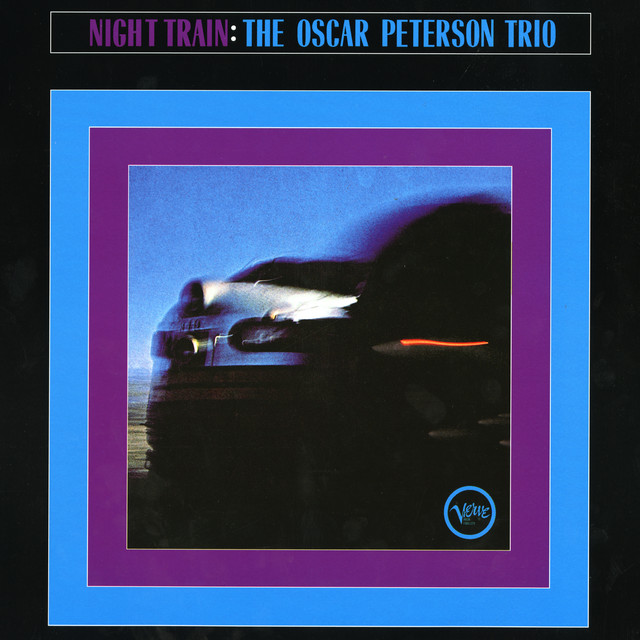
Oscar Peterson Trio
Contemporary Post-Bop
Bebop
Cool Jazz
Download our mobile app
Get the Melodigging app and start digging for new genres on the go
Download on the App Store
Get it on Google Play
© 2026 Melodigging
Give feedback
Legal
Melodding was created as a tribute to
Every Noise at Once
, which inspired us to help curious minds keep digging into music's ever-evolving genres.