Genres
Artists
Albums
Make Music
Sign in
Sign in
Artists
Dance
Artists
Dance
Danny L Harle
2021–2022
·
2 albums
Listen
3
/5
Genres
Neo Rave
Neo rave is a contemporary electronic dance music trend that revives and recombines the energy, aesthetics, and rhythmic vocabulary of 1990s and early-2000s rave culture. It typically draws on hard trance, hard house, hard techno, trance, eurodance, donk, and other peak-time club sounds, but presents them with modern production polish, sharper low end, louder masters, internet-age branding, and a fashion-conscious club identity. The style is characterized by fast tempos, forceful four-on-the-floor kick drums, bright or nostalgic synth hooks, trance-inspired buildups, abrasive or euphoric drops, and an intentional blending of underground rave references with contemporary festival and club sensibilities. As a scene label as much as a strict sound category, neo rave often overlaps with hard techno, hypertechno, trance revival, donk-influenced club music, and post-pandemic rave culture. Its appeal lies in combining nostalgia, immediacy, spectacle, and physical dancefloor intensity.
Discover
Listen
Digital Horror
Digital horror is a contemporary horror aesthetic that focuses on dread emerging from networked technologies, software, and always‑on media. Narratives and sound worlds revolve around screens, social platforms, livestreams, malware, deepfakes, and the uncanny presence of algorithmic systems. In music and sound design, the style translates this fear of the digital into glitching textures, corrupted audio artifacts, synthetic drones, and the weaponization of familiar interface sounds (alerts, keyboards, notification pings). It often blends dark ambient, industrial noise, and hauntological sampling to suggest threats that live inside code, clouds, and data centers—consistent with the wider definition that emphasizes anxiety and supernatural menace arising from the Internet and modern media.
Discover
Listen
Experimental Club Music
Experimental club music (often called post-club or deconstructed club) is a hybrid, avant‑garde approach to club production and performance that treats the dancefloor as a laboratory. It uses the grammar of contemporary club forms—heavy sub‑bass, kick patterns, samples, MC or chopped vocals—as raw material to be cut apart, collaged, and reassembled. Instead of four‑to‑the‑floor regularity, it favors asymmetry, abrupt contrasts, negative space, and extreme sound design drawn from noise, industrial, grime, ballroom/vogue, reggaeton, and internet culture. The result ranges from skeletal, percussive workouts to dense, cinematic soundscapes that can be as confrontational as they are cathartic. Just as importantly, the scene has been a site of diasporic, queer, and trans expression, where identity and politics are embedded in sonic choices and performance practice.
Discover
Listen
Hyperpop
Hyperpop is an internet-native pop movement known for its maximalist sound design, pitch-shifted vocals, and frenetic genre collisions. It exaggerates pop tropes—ultra-bright synths, hard-clipping drums, sugary hooks—then smashes them together with elements of club music, trap, and experimental electronica. The style favors hyper-synthetic timbres, extreme processing (auto‑tune, formant shifting, heavy sidechaining, distortion), and abrupt structural left turns. Lyrically, it swings between irreverent internet humor and disarmingly sincere confessions, often reflecting online identity, queerness, and hyper-modern life. Although diverse, the common thread is a playful, self-aware push of pop to surreal, high-saturation extremes.
Discover
Listen
Raw Techno
Raw techno is a hard‑edged, stripped, and saturated branch of techno that emphasizes physical impact over polish. It foregrounds pounding 4/4 kicks, rumbling sub‑bass, aggressively overdriven percussion, and gritty, analog‑leaning textures, often recorded or processed to feel loud, grainy, and immediate. Compared to more melodic or glossy strands, it minimizes harmonic content and arrangement frills in favor of relentless momentum, dark industrial atmospheres, and warehouse‑ready energy. The result is an austere but highly functional dancefloor music that channels the spirit of early warehouse raves through contemporary production tools and loudness aesthetics.
Discover
Listen
Proto-Hyperpop
Proto-hyperpop is a retrospective label for the cluster of internet-born pop experiments in the early-to-mid 2010s that foreshadowed what would later be called “hyperpop.” It fused candy-coated melodies and pitched-up vocals with maximalist sound design, glossy synthetic timbres, and playful, self-aware pop tropes. Rather than being a single scene, proto-hyperpop emerged across YouTube nightcore edits, early PC Music releases, and adjacent electronic and indie-pop circles. It drew heavily from Eurodance and trance hooks, J-pop and Vocaloid aesthetics, chiptune brightness, and the irreverent futurism of experimental pop and deconstructed club, while keeping an addictive, radio-ready sense of melody.
Discover
Listen
Bubblegum Bass
Bubblegum bass is a hyper-sweet, high-gloss strain of experimental pop that exaggerates mainstream chart tropes until they feel surreal. It blends candy-coated melodies, plastic synth timbres, and pitch-shifted vocals with club-ready drums and maximalist sound design. Emerging around the London-based PC Music collective, the style often juxtaposes childlike hooks with abrasive textures, sudden drops, and tongue-in-cheek, consumerist imagery. The production is meticulous and synthetic—supersaws, metallic hits, hard sidechaining, and formant-shifted toplines—yet it retains an earworm pop sensibility. The result is music that feels both satirical and sincere: an ecstatic, futuristic twist on electropop and dance-pop that helped set the stage for the wider hyperpop movement.
Discover
Listen
Escape Room
Escape room is a data-driven label popularized by Spotify to cluster artists who blur lines between alternative R&B, experimental pop, left-field hip hop, and cutting‑edge club/electronic production. Rather than a strict set of musical rules, it signals a sound defined by textural minimalism, sub‑heavy and off‑kilter rhythms, intimate vocal delivery (often breathy or ASMR-adjacent), and a strong emphasis on sound design and negative space. Songs frequently juxtapose glossy melodies with abrasive or deconstructed percussive layers, creating a stylish, future‑leaning mood that resists easy categorization. The name is unrelated to physical puzzle rooms; instead, it marks music that “escapes” legacy genre boxes while remaining pop‑adjacent and internet‑native in aesthetics and distribution.
Discover
Listen
New Isolationism
New isolationism is a contemporary strain of isolationist ambient and post-industrial minimalism that emerged in the 2010s, particularly around Scandinavian experimental labels and studios. It foregrounds intimate, close-mic’d sound, negative space, and a quiet-but-present noise floor; its pieces feel both internal and architectural, like rooms built from reverb tails, tape hiss, and soft electronics. Sonically, the style blends glacial drones, fragile chamber timbres (strings, organ, piano), lo‑fi electronics, and field recordings into stark, slow-evolving tableaux. Melodic information is sparse—often only a few tones or gestures—while rhythm is either absent or reduced to distant pulses, heartbeats, or mechanical cycles. Vocals, when they appear, are murmured, diaristic, or abstracted by pitch and time manipulation. Aesthetically, new isolationism is post‑internet and diaristic: it captures solitude, memory, and dislocation with a palette that feels personal yet estranged, drawing as much from contemporary gallery sound practice as from classic dark ambient.
Discover
Listen
Powerstomp
Powerstomp is a high-energy offshoot of UK Hardcore that emphasizes a heavy, stomping 4/4 kick, euphoric melodies, and festival-sized drops. It typically runs around 165–175 BPM, replacing the rolling breakbeats of older happy hardcore with hardstyle/gabber-weighted kicks, reverse-bass grooves, and bouncy offbeat basslines. Bright supersaw leads, hands-in-the-air breakdowns, chopped vocals, and simple, chantable riffs make it highly dancefloor-focused and immediately impactful.
Discover
Listen
Electronic Trap
Electronic trap is a club-oriented hybrid that fuses modern trap’s drum language (punchy 808 kicks, snappy snares, fast hi-hat rolls) with EDM sound design and festival-style arrangement. Compared to rap-first trap, electronic trap is typically more instrumental and drop-driven, with dramatic buildups, heavy bass drops, and highly processed synths. Common sonic traits include distorted 808 subs, aggressive lead synths, chopped or pitched vocal samples, and big FX transitions (risers, impacts, sweeps). The overall focus is energy, bass weight, and crowd impact on large sound systems.
Discover
Listen
Grimewave
Grimewave is a hybrid microgenre that fuses the cold, skippy rhythms and sub-bass pressure of UK grime with the cinematic, reverb-laden atmospheres of the modern “wave”/ambient-trap continuum. It typically runs at grime-leaning tempos but borrows the widescreen pads, washed-out textures, and melancholic tone of wave and witch house. Producers favor skeletal, syncopated drum programming, sine and Reese sub-basses, and minimal but striking motifs—glassy bells, detuned synth chords, and distant vocal chops—leaving space for mood and bass weight to carry the track. Some cuts remain instrumental; others invite sparse grime/UK rap flows, with verses delivered over half-time lurches and foggy, nocturnal soundscapes.
Discover
Listen
Uptempo Hardcore
Uptempo hardcore is a high‑velocity branch of hardcore techno built around extremely distorted, hard‑hitting kickdrums and rough, lo‑fi sound design. Tracks typically sit around 185–220 BPM, pushing energy and impact above complexity. The style borrows sound‑design tricks and aggression from gabber, terrorcore, speedcore, and modern Rawstyle/Hardstyle, favoring clipped, overdriven kicks, screaming leads, chopped vocal shouts, and minimal harmony. It thrives in Dutch and Belgian festival culture, where tightly mixed, relentless drops and crowd‑control edits are central to the performance.
Discover
Listen
Glitchbreak
Glitchbreak is a late‑2010s, internet‑native microgenre that blends atmospheric drum‑and‑bass and jungle breakbeats with the abrasive, error‑as‑a‑texture ethos of glitch. Tracks typically deploy chopped Amen/Think breaks, granular or buffer‑stutter edits, bitcrushing, and timestretch artifacts under moody pads and wistful melodies. Compared with classic breakcore, the tempo and editing are often less manic, leaning toward a melancholic, introspective vibe tied to anime/Y2K net‑aesthetics and glitch art.
Discover
Listen
Neo-Grime
Neo-grime is a modern, experimental mutation of grime that retools the icy, 140 BPM template with contemporary sound design, skeletal rhythms, and a focus on atmosphere as much as impact. Where classic grime emphasized MC-led bangers and rough-and-ready club functionality, neo-grime often privileges instrumental detail, negative space, and futuristic textures—glassine pads, sub‑heavy bass, and detuned square-wave leads—while still retaining grime’s stark drum language and UK underground swagger. The result is a style that can swing between weightless ambience and steel-edged percussion, equally at home in forward-thinking club nights and headphone listening.
Discover
Listen
Digital Fusion
Digital fusion blends the hardware‑limited timbres of Chiptune and Bit Music with the harmonic language and arranging scope of jazz fusion, cinematic/classical writing, progressive music, and contemporary electronic production. Producers often start with authentic chip palettes (NES, Game Boy, YM2612/Genesis, or tracker/sample-based 8/16‑bit sets), then write harmonically rich progressions, orchestrate with layered synths and sample libraries, and sometimes add live performers (saxophone, guitar, bass, drums, strings). The result feels both retro and forward‑looking: agile, rhythmically intricate, melodically ear‑catchy, and frequently “filmic” in scope. Compared with straight Chiptune, digital fusion leans harder into jazz harmony, odd meters, and cinematic development; compared with jazztronica, it keeps a stronger attachment to console/arcade sound design and tracker‑style articulation.
Discover
Listen
Shimmer Pop
Shimmer pop is a glossy, hook-forward offshoot of indie pop that emphasizes bright, “glassy” textures and dreamy atmospheres. Its sound is defined by clean, chorus‑drenched guitars or twinkling synth arpeggios, lush pads, and wide, sparkling high‑end detail that gives the music a literal sense of shimmer. Production often merges retro new‑wave and synth‑pop colors with modern indietronica polish, pairing side‑chained synths and gated reverbs with crisp, contemporary drum programming. Melodies are unabashedly pop, while the lyrics frequently explore romantic longing, youthful nostalgia, and late‑night introspection. Tempos typically sit in the mid‑tempo range, with steady 4/4 grooves or lightly syncopated patterns that keep the music buoyant and danceable without becoming aggressive. The overall mood balances optimism and wistfulness, creating a sound that feels both neon‑bright and emotionally tender.
Discover
Listen
Hard Dance
Hard dance is an umbrella term for a family of high-energy club styles that fuse the drive of techno with the euphoria of trance and the punch of house. Emerging from the UK club circuit in the mid-to-late 1990s, it is characterized by tough 4/4 kicks, bold lead synths, acid lines, and big breakdowns that resolve into emphatic drops. Tempos typically sit around 135–150 BPM, with arrangements built for DJ mixing and peak-time momentum. The name commonly covers UK hard house, hard trance, hard NRG, and adjacent sounds that emphasized harder percussion, rolling basslines, and euphoric hooks while remaining distinctly dancefloor-focused.
Discover
Listen
Dance
Dance (as a broad, mainstream club- and radio-oriented style) is pop-leaning music designed primarily for dancing, characterized by steady, driving beats, catchy hooks, and production that translates well to nightclubs and large sound systems. It emerged after disco, blending four-on-the-floor rhythms with electronic instrumentation and pop songwriting, and it continually absorbs elements from house, techno, Hi-NRG, synth-pop, and later EDM. Tempos commonly fall between 110–130 BPM, vocals often emphasize memorable choruses, and arrangements are structured for both club mixing and mass appeal.
Discover
Listen
New Age
New age is a largely instrumental, mood-driven genre that emphasizes calm, spacious textures and a sense of spiritual or contemplative uplift. It blends gentle electronic timbres, acoustic instruments, and global/folk influences to create immersive soundscapes intended for relaxation, meditation, and introspection. Hallmarks include slow tempos or free time, long sustaining pads, modal and consonant harmonies, nature field recordings, and unobtrusive rhythms. The music often avoids dramatic tension in favor of openness and continuity, conveying themes of inner peace, nature, and the transcendent.
Discover
Listen
Electropop
Electropop is a branch of pop music that foregrounds electronic instruments—especially synthesizers, drum machines, and sequencers—to deliver catchy, hook-driven songs. It preserves the verse–pre-chorus–chorus architecture and melodic immediacy of pop while replacing most traditional band instrumentation with programmed rhythms, synthetic bass lines, and glossy textures. The style emphasizes earworm toplines, precise rhythmic grids, and tightly produced arrangements that often highlight contrast between minimal, punchy verses and expansive, anthemic choruses. Timbres range from warm analog pads and arpeggiators reminiscent of the late 1970s/early 1980s to ultra-modern, hyper-detailed sound design, making electropop both retro-leaning and future-facing depending on the artist.
Discover
Listen
Electronic
Electronic is a broad umbrella genre defined by the primary use of electronically generated or electronically processed sound. It encompasses music made with synthesizers, drum machines, samplers, computers, and studio/tape techniques, as well as electroacoustic manipulation of recorded or synthetic sources. The genre ranges from academic and experimental traditions to popular and dance-oriented forms. While its sonic palette is rooted in electricity and circuitry, its aesthetics span minimal and textural explorations, structured song forms, and beat-driven club permutations. Electronic emphasizes sound design, timbre, and studio-as-instrument practices as much as melody and harmony.
Discover
Listen
Show all 22 genres
Albums
2022
2
/5
Harlecore (Remixes)
Danny L Harle
Hard Dance
Dance
Electronic
2021
3
/5
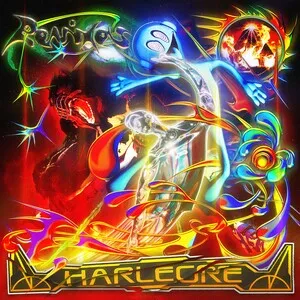
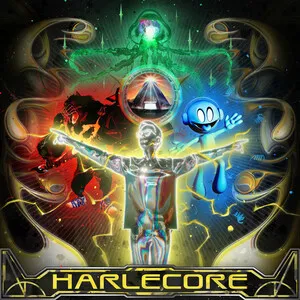
Harlecore
Danny L Harle
Hard Dance
Dance
Electronic
Similar artists
5
/5
Charli xcx
Hyperpop
Candy Pop
Art Pop
3
/5
SOPHIE
Deconstructed Club
Experimental
Bubblegum Bass
3
/5
GFOTY
Hyperpop
Bubblegum Bass
Digital Horror
5
/5
David Guetta
Dance
Electronic
House
5
/5
Calvin Harris
Electro House
Progressive House
Electronic
5
/5
Britney Spears
Pop
Dance-Pop
Electronic
5
/5
Ne-Yo
Contemporary R&b
R&b
The Wave
5
/5
Kygo
Tropical House
Electronic
Chill Pop
4
/5
femtanyl
Breakcore
Speedcore
Hyperpop
4
/5
Arca
Experimental
Ai
Electronic
Download our mobile app
Get the Melodigging app and start digging for new genres on the go
Download on the App Store
Get it on Google Play
© 2026 Melodigging
Give feedback
Legal
Melodding was created as a tribute to
Every Noise at Once
, which inspired us to help curious minds keep digging into music's ever-evolving genres.