Genres
Artists
Albums
Make Music
Sign in
Sign in
Artists
Jazz
Artists
Jazz
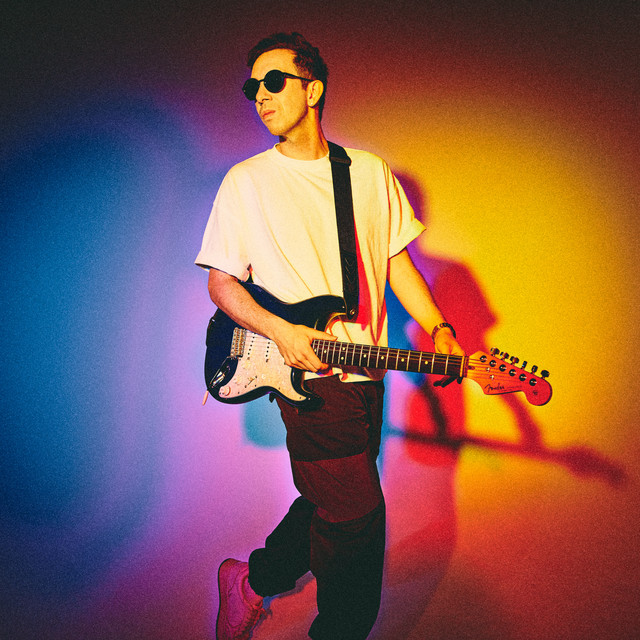
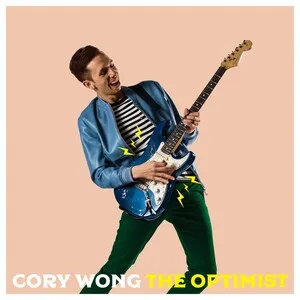
Cory Wong
2018–2024
·
3 albums
Listen
3
/5
Genres
Chill R&b
Chill R&B is a mellow, atmospheric branch of contemporary R&B that emphasizes intimate vocals, warm harmonies, and low-key, downtempo grooves. It blends the songwriting and emotive delivery of classic R&B with modern, minimal production, often borrowing the hazy textures of lo-fi hip hop and the spacious sound design of ambient and chillwave. The style is defined by soft, close-miked vocals with layered harmonies, smooth chord extensions, and restrained drum programming that leaves plenty of negative space. Lyrically, it leans into late-night introspection, romance, self-reflection, and mood-setting imagery. The overall effect is cozy and cinematic, designed for headphones, night drives, and relaxed listening.
Discover
Listen
Workout Product
Workout product is a functional, production-oriented music micro-genre built for high-energy exercise contexts—HIIT, cardio, strength circuits, spin, and bootcamps. Rather than being artist-led, it is library- and catalog-driven: concise, loop-friendly tracks emphasize a steady, powerful four-on-the-floor pulse, simple hyping hooks, and drop-focused structures that sustain intensity. Typical tempos fall in the 120–150 BPM range (often synced to rep cadence or interval timers), with bright, compressed sonics, sidechained bass, and clear transitional cues for work/rest blocks. It draws from mainstream EDM and dance-pop (big-room builds, future-bass lift, electro-house grit) and modern pop/rap percussion. The result is highly motivational, durable background music that helps pace workouts and energize group classes, digital fitness content, and gym environments.
Discover
Listen
Modern Funk
Modern funk is a 21st‑century revitalization of late‑’70s/’80s boogie and electro‑funk aesthetics, filtered through contemporary R&B, hip‑hop production, and indie dance scenes. It emphasizes pocket‑tight grooves, syncopated basslines (often synth‑driven), crisp drum‑machine patterns, bright polyphonic synths, talkbox/vocoder leads, and clean, choppy rhythm guitar. Compared with classic funk, modern funk leans more on analog and early‑digital synth colors (Juno, Prophet, DX7, Moog), Linn/808/909‑style drums, glossy mixes, and ear‑candy arrangement details. Lyrically, it favors feel‑good party vibes, love themes, and everyday swagger, aiming for dancefloor immediacy with a retro‑futurist sheen.
Discover
Listen
Jazz-Funk
Jazz-funk is a groove-forward hybrid of jazz improvisation and harmony with the rhythmic drive and backbeat of funk. It features syncopated basslines, crisp drum patterns, and tight horn or keyboard riffs, often organized around vamping two- or four-bar progressions rather than complex chord changes. The sound is defined by electric instruments—Fender Rhodes, Clavinet, analog and early digital synthesizers, electric bass, and wah-inflected guitar—alongside punchy horn sections and extended solos. Compared to traditional jazz, the harmonic language is leaner but still rich, emphasizing 9ths, 11ths, 13ths, and modal centers (especially Dorian). The music aims for deep, danceable pocket, slick production, and a soulful, urban feel.
Discover
Listen
Smooth Jazz
Smooth jazz is a radio-friendly offshoot of jazz that blends the harmonic vocabulary and improvisational flavor of jazz with the gentle grooves of R&B, pop, and easy listening. It emphasizes melody, polished production, and laid‑back rhythms over extended improvisation or complex swing feels. Typically mid‑tempo and sleek, smooth jazz favors clean electric guitar, soprano or alto saxophone leads, warm electric piano (Rhodes) and synth pads, and a tight, understated rhythm section. The result is music designed for relaxed listening—romantic, urbane, and sophisticated—yet still rooted in jazz harmony and phrasing.
Discover
Listen
Funk
Funk is a rhythm-forward African American popular music style that centers on groove, syncopation, and interlocking parts. Rather than emphasizing complex chord progressions, funk builds tight, repetitive vamps that highlight the rhythm section and create an irresistible dance feel. The genre is marked by syncopated drum patterns, melodic yet percussive bass lines, choppy guitar "chanks," punchy horn stabs, call‑and‑response vocals, and a strong backbeat. Funk’s stripped-down harmony, prominent use of the one (accenting the downbeat), and polyrhythmic layering draw deeply from soul, rhythm and blues, jazz, gospel, and African rhythmic traditions. From James Brown’s late-1960s innovations through the expansive P-Funk universe and the slicker sounds of the 1970s and 1980s, funk has continually evolved while seeding countless other genres, from disco and hip hop to house and modern R&B.
Discover
Listen
Instrumental Funk
Instrumental funk is the groove‑focused, largely wordless branch of funk. It foregrounds tight drum‑and‑bass pockets, syncopated rhythm guitar, Hammond organ or clavinet riffs, and punchy horn lines, while minimizing or omitting lead vocals. Born from the house‑band culture of Southern and New Orleans studios, it prizes repetitive vamps, call‑and‑response figures, and emphatic "on the one" accents popularized by James Brown—translated into self‑contained instrumentals suited to dance floors, radio beds, and film cues. The sound is earthy, percussive, and deeply rhythmic—music built for movement and for sampling—balancing raw drum breaks with concise riffs and tightly arranged hits.
Discover
Listen
Jazz Fusion
Jazz fusion (often simply called "fusion") blends the improvisational language and harmonic richness of jazz with the amplified instruments, grooves, and song forms of rock, funk, and R&B. It typically features electric guitars, electric bass or fretless bass, Rhodes electric piano, clavinet, analog and digital synthesizers, and a drum kit playing backbeat- and syncopation-heavy patterns. Hallmarks include extended chords and modal harmony, complex and shifting meters, brisk unison lines, virtuosic improvisation, and a production aesthetic that embraces effects processing and studio craft. The style ranges from fiery, aggressive workouts to polished, atmospheric textures, often within the same piece. Emerging in the late 1960s and flourishing through the 1970s, jazz fusion became a bridge between jazz audiences and rock/funk listeners, shaping later styles such as jazz-funk, smooth jazz, nu jazz, and parts of progressive and technical rock/metal.
Discover
Listen
Deep Funk
Deep funk is a raw, hard-edged strain of funk that prioritizes drum-and-bass-driven grooves, terse horn stabs, and gritty, unpolished production. Emerging at the tail end of the 1960s, it captures the most stripped-down, rhythm-first aspects of funk—vamps on one or two chords, prominent syncopation, and an emphasis on “the one” —often recorded by regional bands on small labels and released as 7-inch singles. Vocals tend to be call-and-response or fervent shouts, while instruments such as drum kit, electric bass, rhythm guitar, Hammond organ or clavinet, and tight horn sections carry the energy. The term “deep funk” later became associated with crate-dug obscurities and a 1990s/2000s revivalist movement that honored the sound’s rugged, dancefloor-focused aesthetic.
Discover
Listen
R&b
R&B (Rhythm and Blues) is a vocal- and groove-centered popular music tradition that blends blues tonality, jazz harmony, and gospel-inflected singing with a steady backbeat. It emphasizes expressive lead vocals, call-and-response, lush harmonies, and danceable rhythms. From its 1940s roots in African American communities to its later evolutions, R&B has continually absorbed and reshaped surrounding sounds—from jump blues and swing in the early days to soul, funk, hip hop, and electronic production in the contemporary era. Today, R&B ranges from intimate, slow-burning ballads to club-ready tracks, all tied together by a focus on feel, melody, and vocal performance.
Discover
Listen
Jazz
Jazz is an improvisation-centered music tradition that emerged from African American communities in the early 20th century. It blends blues feeling, ragtime syncopation, European harmonic practice, and brass band instrumentation into a flexible, conversational art. Defining features include swing rhythm (a triplet-based pulse), call-and-response phrasing, blue notes, and extended harmonies built on 7ths, 9ths, 11ths, and 13ths. Jazz is as much a way of making music—spontaneous interaction, variation, and personal sound—as it is a set of forms and tunes. Across its history, jazz has continually hybridized, from New Orleans ensembles and big-band swing to bebop, cool and hard bop, modal and free jazz, fusion, and contemporary cross-genre experiments. Its influence permeates global popular and art music.
Discover
Listen
Show all 11 genres
Albums
2024
1
/5
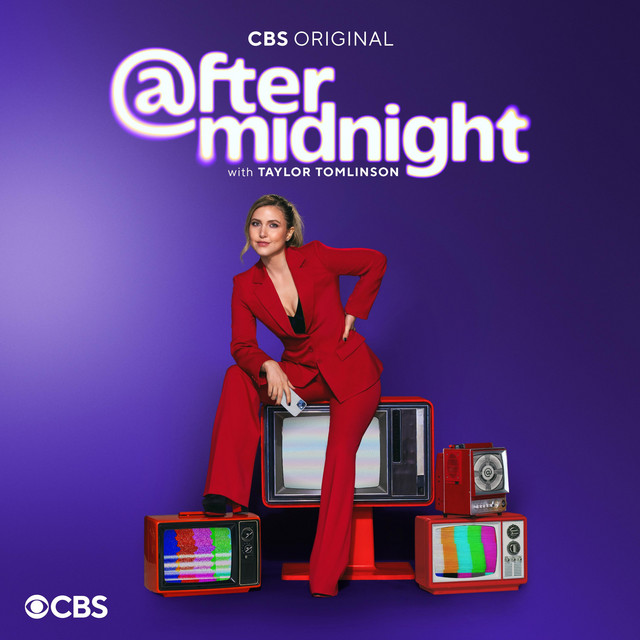
After Midnight (Theme Song)
Cory Wong
Instrumental Funk
2020
1
/5
Smooth Move
Cory Wong
Instrumental Funk
2018
2
/5
The Optimist
Cory Wong
Deep Funk
Jazz
Similar artists
4
/5
Miles Davis
Jazz
Jazz Fusion
Hard Bop
3
/5
Herbie Hancock
Jazz
Jazz Fusion
Jazz-Funk
3
/5
Donald Byrd
Jazz-Funk
Hard Bop
Soul Jazz
1
/5
Various Artists
Afro-Funk
Alternative Rock
Ambient
4
/5
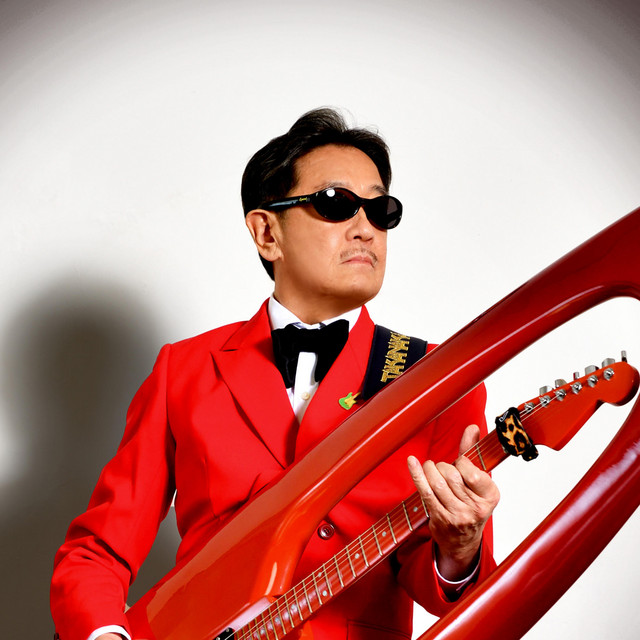
Masayoshi Takanaka
Jazz Fusion
Jazz-Funk
City Pop
3
/5
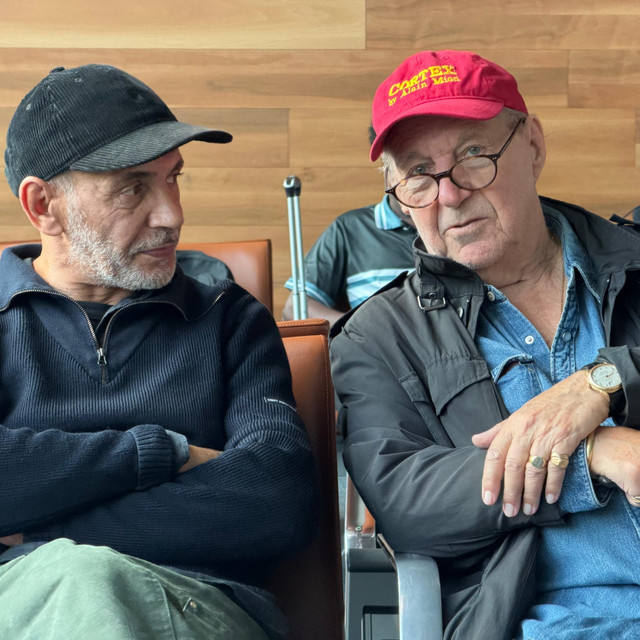
Cortex
Jazz Fusion
Jazz-Funk
Spacegrunge
3
/5
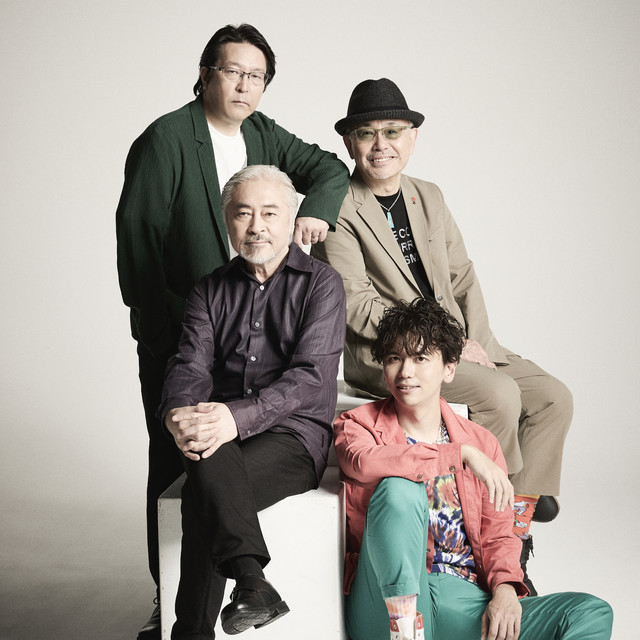
CASIOPEA
Jazz Fusion
Jazz
Jazz-Funk
3
/5
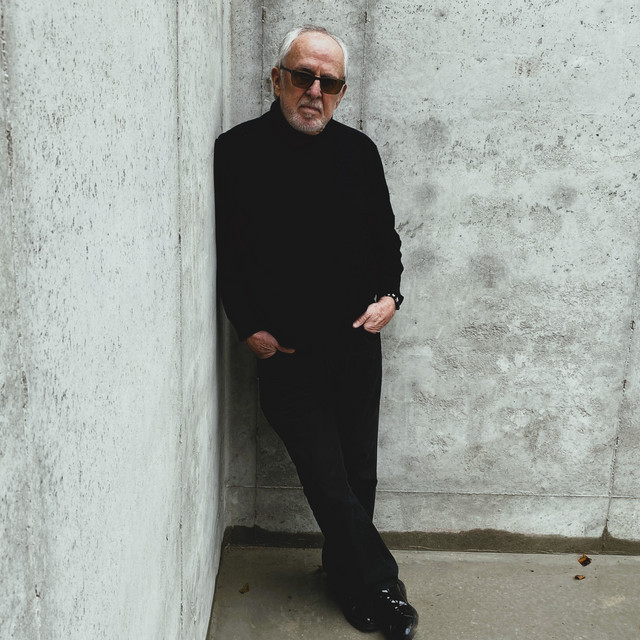
Bob James
Jazz
Jazz-Funk
Smooth Jazz
3
/5
Snarky Puppy
Contemporary Jazz
Jazz
Funk Rock
3
/5
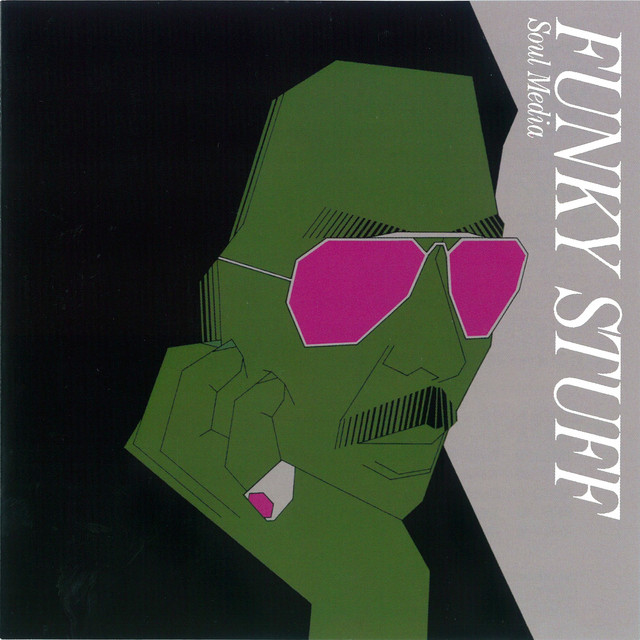
稲垣次郎とソウル・メディア
Jazz
Jazz Fusion
Jazz-Funk
Download our mobile app
Get the Melodigging app and start digging for new genres on the go
Download on the App Store
Get it on Google Play
© 2026 Melodigging
Give feedback
Legal
Melodding was created as a tribute to
Every Noise at Once
, which inspired us to help curious minds keep digging into music's ever-evolving genres.