Genres
Artists
Albums
Make Music
Sign in
Sign in
Artists
Ballroom Vogue
Artists
Ballroom Vogue
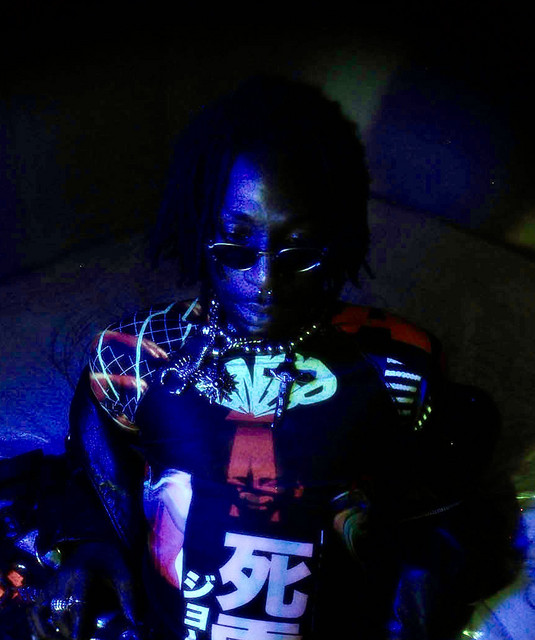
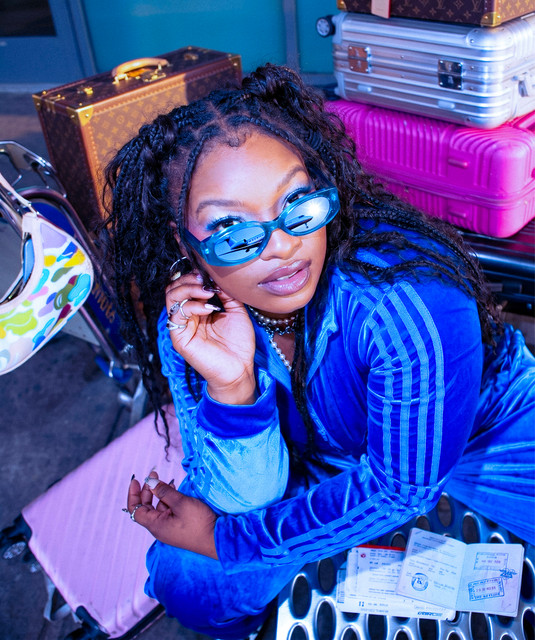
Cookiee Kawaii
2019–2023
·
4 albums
Listen
3
/5
Genres
Jersey Club Rap
Jersey club rap fuses the kick-heavy, chopped-and-stuttered bounce of Jersey club with contemporary rap flows. It keeps the genre’s signature pounding triplet kicks, bed‑squeak/percussion stabs, and call‑and‑response energy, but streamlines the beats to leave space for verses and hooks. Compared with earlier Jersey club, it uses fewer obvious sample flips and leans toward cleaner, more atmospheric sound design so that rapping sits front and center.
Discover
Listen
Jersey Drill
Jersey drill is a high‑energy rap micro‑genre that fuses the sliding 808s, ominous textures, and competitive swagger of drill with the bouncy kick patterns, chopped vocal stabs, and dance‑floor focus of Jersey club. Typically sitting around 130–145 BPM, it keeps drill’s confrontational flows and street reportage but places them over club‑ready patterns (bed‑squeak chops, rapid kick clusters, brake stops) designed for party movement and call‑and‑response hooks. The result is music that’s both aggressive and made for dancing—rooted in the New Jersey club tradition yet connected to the broader New York drill ecosystem.
Discover
Listen
Viral Rap
Viral rap is a mode of hip hop designed to spread quickly through social platforms. It is defined less by a single regional sound than by short, quotable hooks, meme-ready lyrics, and production choices that translate well to phone speakers. Common traits include simplified, high-contrast beats (hard 808s, crisp claps, bright synth leads), repetitive catchphrases, and a focus on moments that can be clipped for TikTok/Reels/Shorts. The genre often overlaps with modern trap and internet rap, and it frequently rewards personality, humor, and shock value as much as technical rapping.
Discover
Listen
Ratchet Music
Ratchet music is a minimalist, club-focused strain of West Coast hip hop that coalesced in the early 2010s, most closely associated with Los Angeles producer DJ Mustard. It emphasizes sparse drum programming built from 808 kicks, handclaps, crisp hi‑hats, and simple percussive fills; bouncy tempos around 95–105 BPM; short, catchy synth or piano stabs; and a weighty sub‑bass that leaves ample space for vocals. Culturally and lyrically, it channels “ratchet” party culture and slang—rooted in Louisiana (notably Shreveport’s nickname “Ratchet City”) and amplified by the L.A. party scene—favoring braggadocio, nightlife, flirtation, and chant‑able hooks over dense lyricism. The result is a stripped‑down, hook‑driven sound engineered for dance floors and radio rotation.
Discover
Listen
Glitch Hop Edm
Glitch hop EDM is a bass-heavy, midtempo offshoot of glitch and hip-hop that adopts the large-scale sound design, drops, and festival-ready structures of contemporary EDM. It typically runs around 90–115 BPM with a swung or syncopated hip-hop groove, while employing stutter edits, tape stops, bitcrushing, buffer repeats, granular chops, and intricate automation to create the characteristic "glitched" feel. Tracks often feature thick, modulated basslines; punchy, off-kilter drums; chopped vocals and foley; and harmonies that borrow from jazz, funk, and soul, all arranged in EDM-style buildups and drops.
Discover
Listen
Dakke Dak
Dakke Dak (also spelled Dakkedak) is a Danish electronic dance music subgenre and slang term that emerged as a distinct cultural phenomenon in the 2010s. Musically, it is a high-energy fusion of various hard dance styles, primarily drawing from Psytrance, Hardstyle, Melbourne Bounce, and Hands Up techno. The name is an onomatopoeia mimicking the rapid, pounding "dak-dak-dak" sound of the heavy basslines and kick drums characteristic of the genre. It is strongly associated with provincial Danish youth culture, "tramper" (stomping) dance styles, car audio culture, and parties in rural or suburban areas. The lyrics are almost exclusively in Danish, often humorous, hedonistic, and centered around drinking, partying, and local identity.
Discover
Listen
Proto-Hyperpop
Proto-hyperpop is a retrospective label for the cluster of internet-born pop experiments in the early-to-mid 2010s that foreshadowed what would later be called “hyperpop.” It fused candy-coated melodies and pitched-up vocals with maximalist sound design, glossy synthetic timbres, and playful, self-aware pop tropes. Rather than being a single scene, proto-hyperpop emerged across YouTube nightcore edits, early PC Music releases, and adjacent electronic and indie-pop circles. It drew heavily from Eurodance and trance hooks, J-pop and Vocaloid aesthetics, chiptune brightness, and the irreverent futurism of experimental pop and deconstructed club, while keeping an addictive, radio-ready sense of melody.
Discover
Listen
Jersey Club
Jersey club is a high-energy, club-oriented dance music from Newark, New Jersey that evolved in the early 2000s. It is known for punchy three-kick patterns, chopped vocal stabs, stop‑and‑go drops, and a relentless, call‑and‑response party ethos. Typically around 130 BPM, the sound blends house and breakbeat drum programming with hip‑hop sampling aesthetics. Producers often flip R&B hooks, sprinkle in signature effects (notably the "bed squeak" timbre popularized in 2000s rap), and build arrangements around short, repeatable phrases designed for coordinated dance routines.
Discover
Listen
Ballroom Vogue
Ballroom vogue is a high-energy club music style created to soundtrack vogue dance and runway categories within the Black and Latinx LGBTQ+ ballroom scene. It is built on house-derived four-on-the-floor rhythms in the 120–130 BPM range, punctuated by the iconic "Ha" crash (sampled from Masters At Work’s The Ha Dance), hard kicks, metallic hits, and chant-ready breaks for commentators. Arrangements emphasize tension-and-release moments for dips, spins, duckwalks, and catwalks, with sparse harmony, heavy percussion, and chopped vocal stabs that amplify battle theatrics and crowd call-and-response.
Discover
Listen
Baltimore Club
Baltimore club (often shortened to Bmore club) is a high‑energy, loop‑driven dance music that fuses the drum programming and four‑on‑the‑floor insistence of house with the chopped breaks, vocal call‑and‑response, and swagger of hip hop. Typically hovering around 125–135 BPM (most commonly ~130), it relies on hard, syncopated kick patterns, snappy snares and claps, and rapid‑fire sample edits. Iconic breaks like Lyn Collins’ "Think (About It)" and Gaz’s "Sing Sing" are frequently chopped into chant‑like hooks, while sirens, stabs, and party shouts drive its rowdy, club‑ready feel. Born in Baltimore’s DJ culture and perfected on local radio and dance floors, the style prioritizes movement and repetition—short phrases, big drums, and unforgettable vocal loops designed for instantaneous crowd response.
Discover
Listen
East Coast Club
East Coast Club is an umbrella term for interrelated, sample-driven club styles that emerged along the East Coast of the United States. Built on hard-hitting breakbeats and 808-heavy low end, it fuses Miami Bass-informed rhythms with the loop-based, chopped-vocal aesthetic of breakbeat and the raw, party-focused minimalism of ghetto house. Tracks typically sit around 130–140 BPM, use short, staccato drum patterns, and feature call-and-response chants or chopped R&B/rap a cappellas designed for crowd participation and dance battles. The term encompasses scenes such as Baltimore Club, Jersey Club (a.k.a. Brick City Club), and Philly Club, which share common DNA but have their own regional signatures (e.g., Baltimore’s “Sing Sing” break chops, Jersey’s triplet kick “kick-back” patterns and “bed squeak” motifs, and Philly’s rapid-fire, jittery edits).
Discover
Listen
Dance
Dance (as a broad, mainstream club- and radio-oriented style) is pop-leaning music designed primarily for dancing, characterized by steady, driving beats, catchy hooks, and production that translates well to nightclubs and large sound systems. It emerged after disco, blending four-on-the-floor rhythms with electronic instrumentation and pop songwriting, and it continually absorbs elements from house, techno, Hi-NRG, synth-pop, and later EDM. Tempos commonly fall between 110–130 BPM, vocals often emphasize memorable choruses, and arrangements are structured for both club mixing and mass appeal.
Discover
Listen
Show all 12 genres
Albums
2023
1
/5
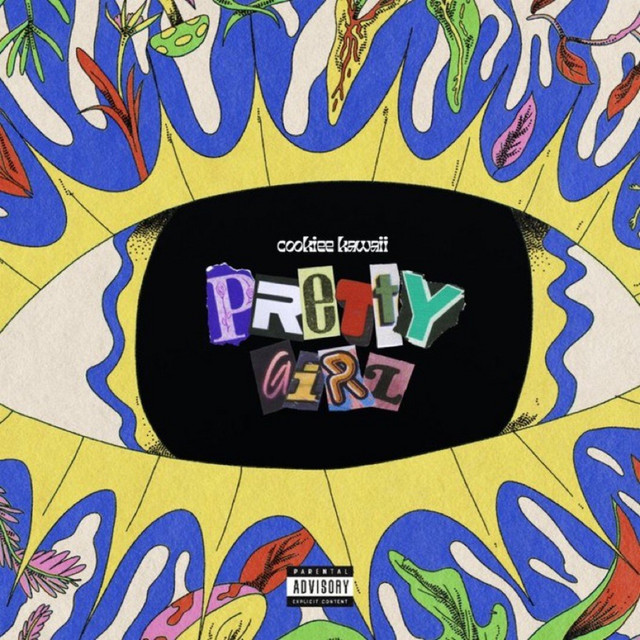
Pretty Girl
Cookiee Kawaii
Ballroom Vogue
Baltimore Club
2021
3
/5
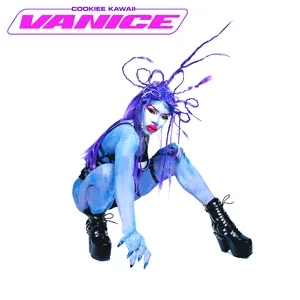
Vanice
Cookiee Kawaii
Jersey Club
East Coast Club
2020
3
/5
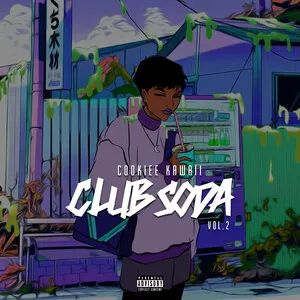
Club Soda, Vol. 2
Cookiee Kawaii
Jersey Club
East Coast Club
2019
3
/5
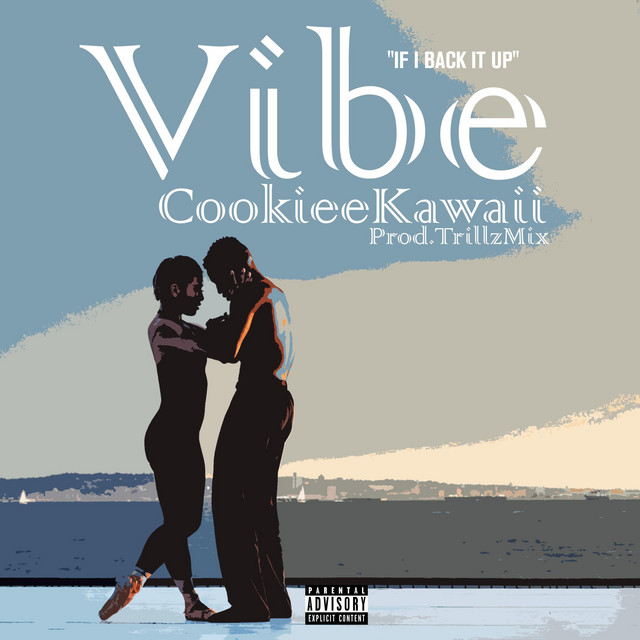
Vibe (If I Back It Up)
Cookiee Kawaii
Baltimore Club
Ballroom Vogue
Dance
Similar artists
2
/5
Ase Manual
Jersey Club
East Coast Club
Ballroom Vogue
3
/5
DJ Sliink
Ballroom Vogue
Baltimore Club
Philly Club
1
/5
Vincent Remember
Baltimore Club
Jersey Club
Slushwave
2
/5
TT The Artist
Baltimore Club
Ballroom Vogue
Jersey Club
1
/5
Mighty Mark
Baltimore Club
Ballroom Vogue
Footwork
2
/5
DJ Telly Tellz
Jersey Club
Baltimore Club
East Coast Club
2
/5
DJ Swisha
Baltimore Club
Footwork
Grimewave
2
/5
DJ Jayhood
Jersey Club
Baltimore Club
Bounce
3
/5
UNIIQU3
Ballroom Vogue
Baltimore Club
Jersey Club
2
/5
DJ Tray
Ballroom Vogue
Baltimore Club
Bounce
Download our mobile app
Get the Melodigging app and start digging for new genres on the go
Download on the App Store
Get it on Google Play
© 2026 Melodigging
Give feedback
Legal
Melodding was created as a tribute to
Every Noise at Once
, which inspired us to help curious minds keep digging into music's ever-evolving genres.