Genres
Artists
Albums
Make Music
Sign in
Sign in
Artists
Baltimore Club
Artists
Baltimore Club
Vincent Remember
2017
·
1 album
Listen
1
/5
Genres
Slushwave
Slushwave is a vaporwave-derived microgenre that stretches samples and synth textures into foggy, glacial soundscapes. Tracks are typically very slow, drenched in reverb and delay, and layered with tape hiss, vinyl crackle, and other lo‑fi artifacts to create an enveloping, dreamlike ambience. Rather than the chopped, ironic collage associated with early vaporwave, slushwave favors long pads, smeared chords, and minimal or absent percussion. When drums appear, they are subdued and distant. The genre often draws from new age, city pop, smooth jazz, and soft adult‑contemporary sources, pitching them down and elongating them into warm, melancholic drones that evoke late‑night memory, urban solitude, and liminal spaces.
Discover
Listen
Vaporwave
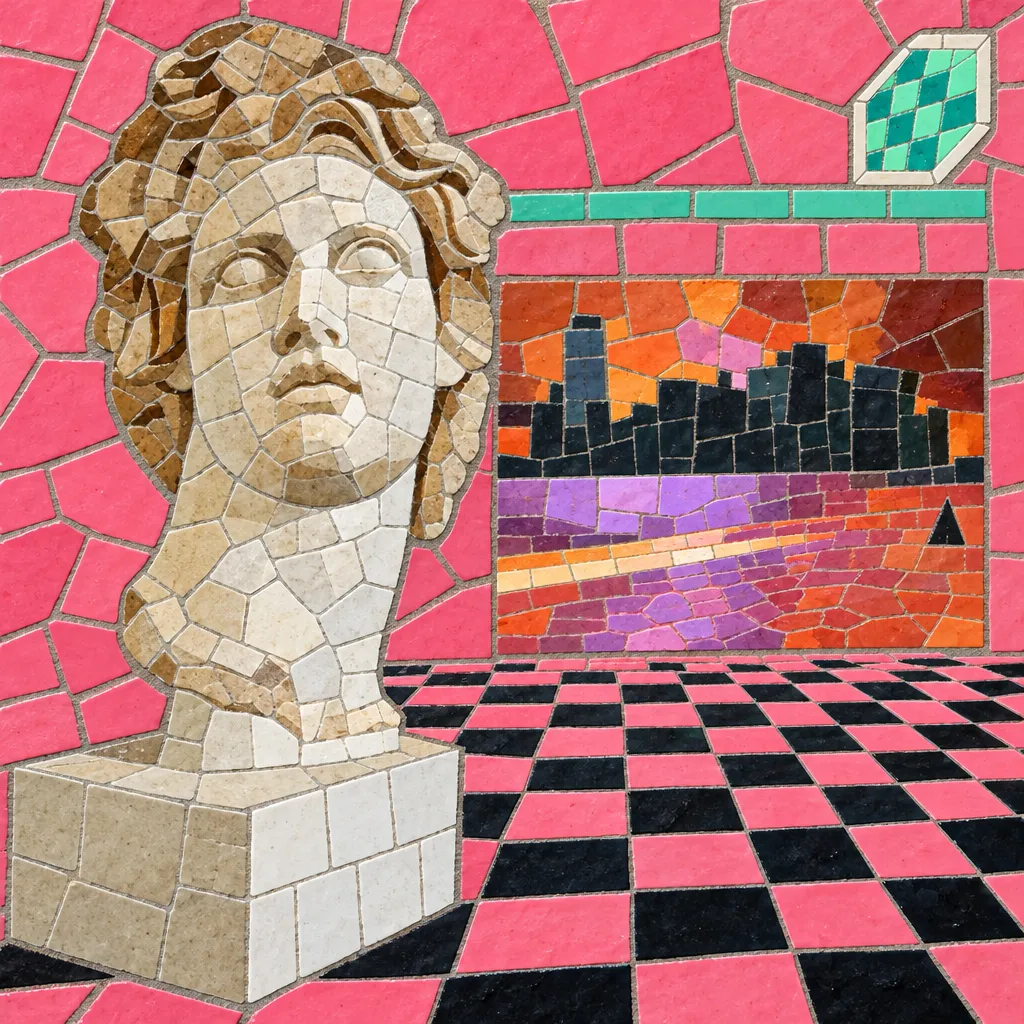
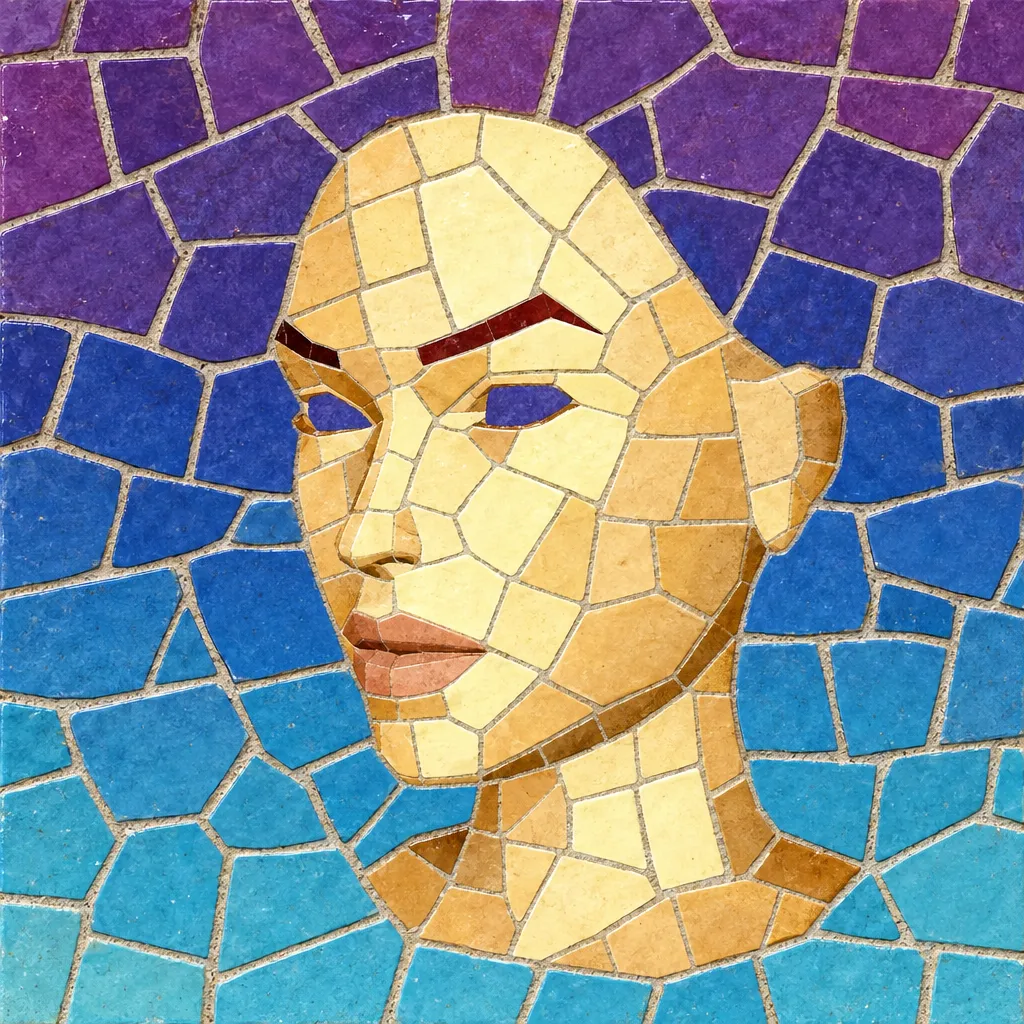
Vaporwave is an internet-born microgenre and visual aesthetic that repurposes late‑20th‑century commercial sound—mu zak, smooth jazz, soft rock, synth‑pop, city pop, and corporate training tapes—into hazy, slowed, and looped collages. Its sound foregrounds pitched‑down samples, heavy reverb, tape hiss, vinyl crackle, and dreamy pads to evoke a mood between satire and sincere nostalgia. Beyond music, vaporwave is inseparable from its graphic language: Greco‑Roman busts, Japanese text, retro operating systems, chrome logos, palm trees, neon gradients, and “mall culture” architecture. The result feels like a haunted shopping mall: part critique of consumer capitalism, part wistful memory of media and retail spaces from the 1980s–2000s. Tempos are typically slow (roughly 60–90 BPM), harmonies tend toward lush seventh and extended chords, and rhythms range from barely perceptible loops to minimal, gated drum programming. Many tracks are short, vignette‑like studies in texture and mood.
Discover
Listen
Vapor Pop
Vapor pop is a glossy, internet-native strain of alternative pop that blends vaporwave’s hazy nostalgia with contemporary synth-pop and dream-pop songwriting. It favors soft-focus textures, clean but slightly detuned synths, breathy vocals, and gently pulsing beats that evoke late‑night drives, neon cityscapes, and digital romance. Where vaporwave deconstructs and slows down archival media, vapor pop translates that vaporous, retro-futurist palette into concise, hook-forward songs. The result is sleek and melancholic yet accessible: pop structures and earworm choruses wrapped in gauzy ambience, 80s/90s timbral references, and modern streaming-era minimalism.
Discover
Listen
Electronic Trap
Electronic trap is a club-oriented hybrid that fuses modern trap’s drum language (punchy 808 kicks, snappy snares, fast hi-hat rolls) with EDM sound design and festival-style arrangement. Compared to rap-first trap, electronic trap is typically more instrumental and drop-driven, with dramatic buildups, heavy bass drops, and highly processed synths. Common sonic traits include distorted 808 subs, aggressive lead synths, chopped or pitched vocal samples, and big FX transitions (risers, impacts, sweeps). The overall focus is energy, bass weight, and crowd impact on large sound systems.
Discover
Listen
Seapunk
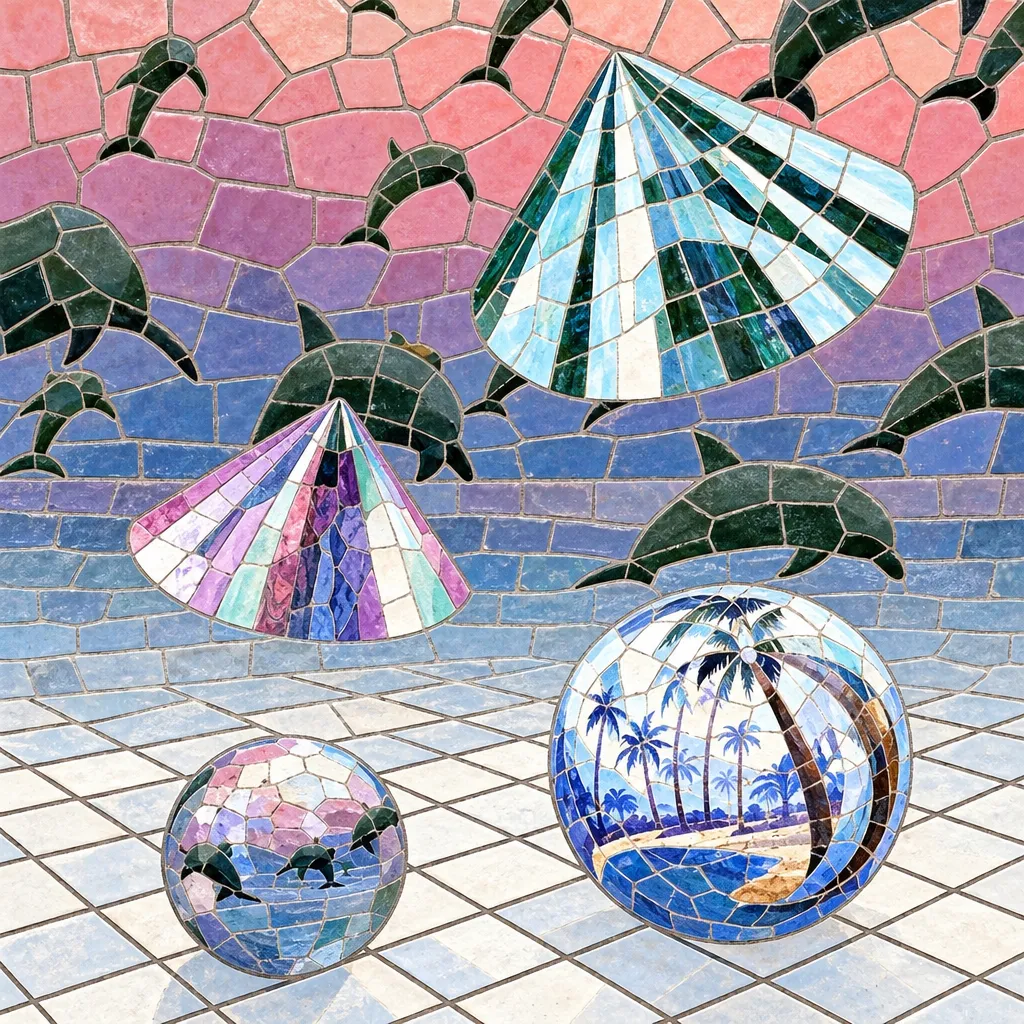
Seapunk is an early-2010s internet-born microgenre and multimedia aesthetic that fuses retro-rave sonics with Y2K-era, ocean-themed visuals. Its sound blends 1990s house and trance riffs, chopped-and-screwed and vaporwave-adjacent sampling, splashy 808/909 drums, and glossy, “watery” synth textures. The visual world is as important as the music: turquoise/teal palettes, 3D chrome dolphins, coral gradients, pixel seas, and GIF-era net art. Together, these define a playful, nostalgic, and cyber-aquatic identity that celebrates both rave euphoria and web-native DIY culture.
Discover
Listen
Vaportrap
Vaportrap is a hybrid microgenre that blends the hazy, sample-based aesthetics of vaporwave with the rhythmic language and sound design of modern trap and cloud-rap instrumentals. It typically features half-time 808 grooves, shimmering pads, pitched-down or time-stretched samples from 1980s–1990s media (commercials, corporate music, smooth jazz, R&B), and a lo‑fi, nostalgic atmosphere. Compared to straight vaporwave, vaportrap is more beat-driven and club-aware; compared to mainstream trap, it is more ambient, textural, and dreamlike.
Discover
Listen
Jersey Club
Jersey club is a high-energy, club-oriented dance music from Newark, New Jersey that evolved in the early 2000s. It is known for punchy three-kick patterns, chopped vocal stabs, stop‑and‑go drops, and a relentless, call‑and‑response party ethos. Typically around 130 BPM, the sound blends house and breakbeat drum programming with hip‑hop sampling aesthetics. Producers often flip R&B hooks, sprinkle in signature effects (notably the "bed squeak" timbre popularized in 2000s rap), and build arrangements around short, repeatable phrases designed for coordinated dance routines.
Discover
Listen
Baltimore Club
Baltimore club (often shortened to Bmore club) is a high‑energy, loop‑driven dance music that fuses the drum programming and four‑on‑the‑floor insistence of house with the chopped breaks, vocal call‑and‑response, and swagger of hip hop. Typically hovering around 125–135 BPM (most commonly ~130), it relies on hard, syncopated kick patterns, snappy snares and claps, and rapid‑fire sample edits. Iconic breaks like Lyn Collins’ "Think (About It)" and Gaz’s "Sing Sing" are frequently chopped into chant‑like hooks, while sirens, stabs, and party shouts drive its rowdy, club‑ready feel. Born in Baltimore’s DJ culture and perfected on local radio and dance floors, the style prioritizes movement and repetition—short phrases, big drums, and unforgettable vocal loops designed for instantaneous crowd response.
Discover
Listen
East Coast Club
East Coast Club is an umbrella term for interrelated, sample-driven club styles that emerged along the East Coast of the United States. Built on hard-hitting breakbeats and 808-heavy low end, it fuses Miami Bass-informed rhythms with the loop-based, chopped-vocal aesthetic of breakbeat and the raw, party-focused minimalism of ghetto house. Tracks typically sit around 130–140 BPM, use short, staccato drum patterns, and feature call-and-response chants or chopped R&B/rap a cappellas designed for crowd participation and dance battles. The term encompasses scenes such as Baltimore Club, Jersey Club (a.k.a. Brick City Club), and Philly Club, which share common DNA but have their own regional signatures (e.g., Baltimore’s “Sing Sing” break chops, Jersey’s triplet kick “kick-back” patterns and “bed squeak” motifs, and Philly’s rapid-fire, jittery edits).
Discover
Listen
Show all 9 genres
Albums
2017
1
/5
Culture Vulture
Vincent Remember
Baltimore Club
Jersey Club
East Coast Club
Similar artists
2
/5
galen tipton
Bubblegum Bass
Deconstructed Club
Hyperpop
3
/5
Cookiee Kawaii
Ballroom Vogue
Baltimore Club
Jersey Club
2
/5
DJ Telly Tellz
Jersey Club
Baltimore Club
East Coast Club
2
/5
DJ Swisha
Baltimore Club
Footwork
Grimewave
2
/5
DJ Jayhood
Jersey Club
Baltimore Club
Bounce
2
/5
Ase Manual
Jersey Club
East Coast Club
Ballroom Vogue
2
/5
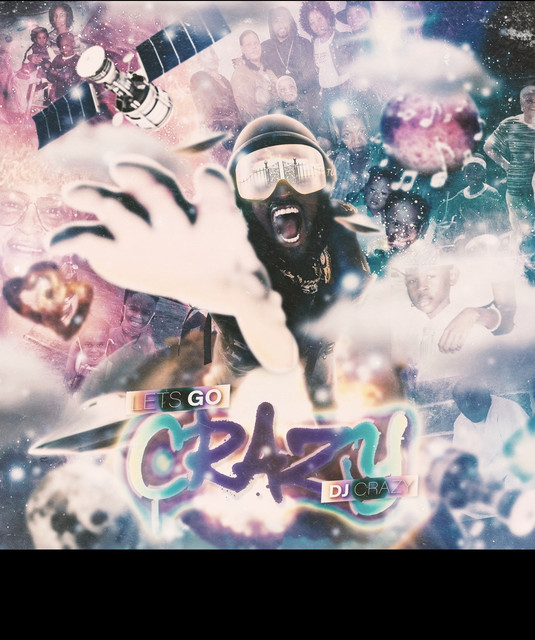
Dj Crazy
Philly Club
Philly Club Rap
Baltimore Club
1
/5
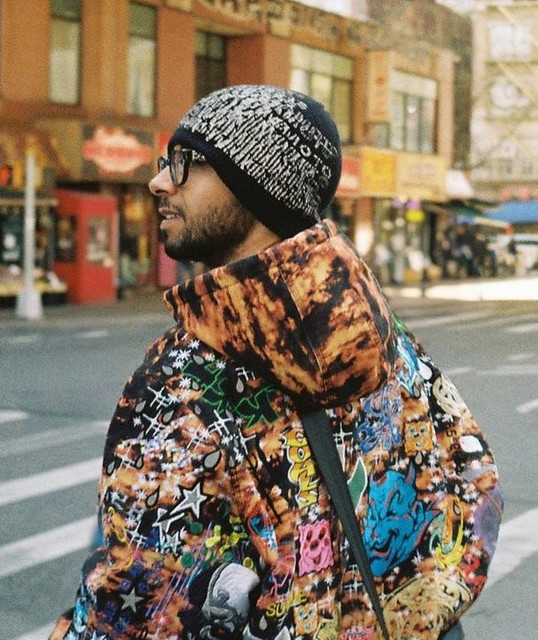
bastienGOAT
Baltimore Club
Breakbeat
Detroit Sound
1
/5
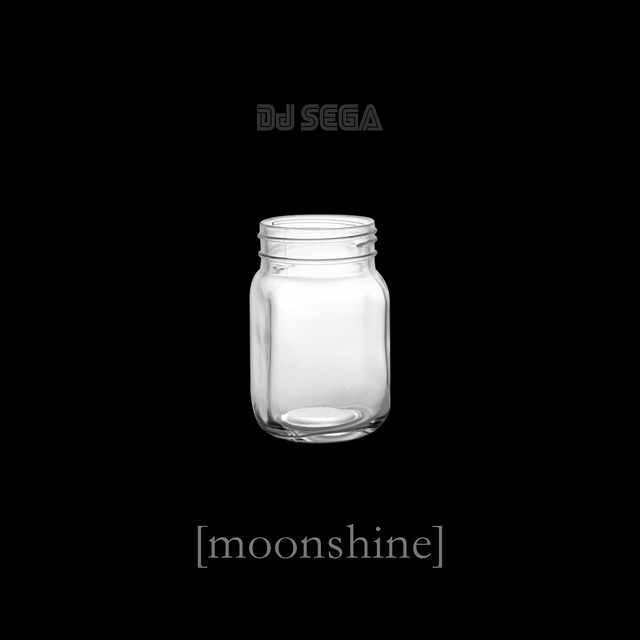
DJ Sega
Philly Club
Baltimore Club
Jersey Club
2
/5
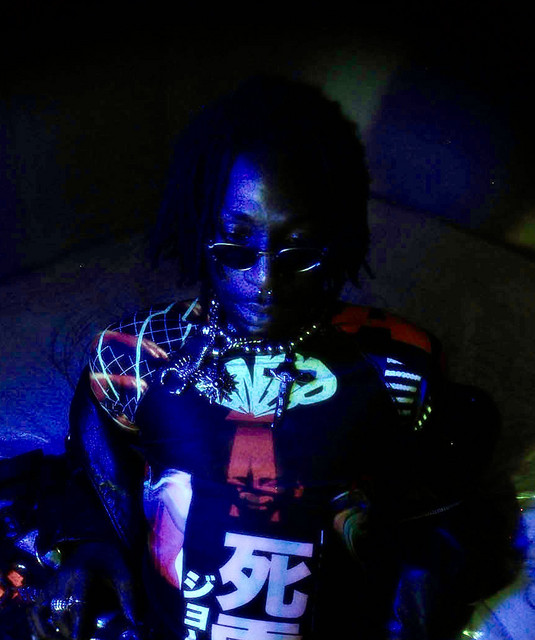
SteezTheProducer
Jersey Club
Baltimore Club
East Coast Club
Download our mobile app
Get the Melodigging app and start digging for new genres on the go
Download on the App Store
Get it on Google Play
© 2026 Melodigging
Give feedback
Legal
Melodding was created as a tribute to
Every Noise at Once
, which inspired us to help curious minds keep digging into music's ever-evolving genres.