Genres
Artists
Albums
Make Music
Sign in
Sign in
Artists
Classical
Artists
Classical
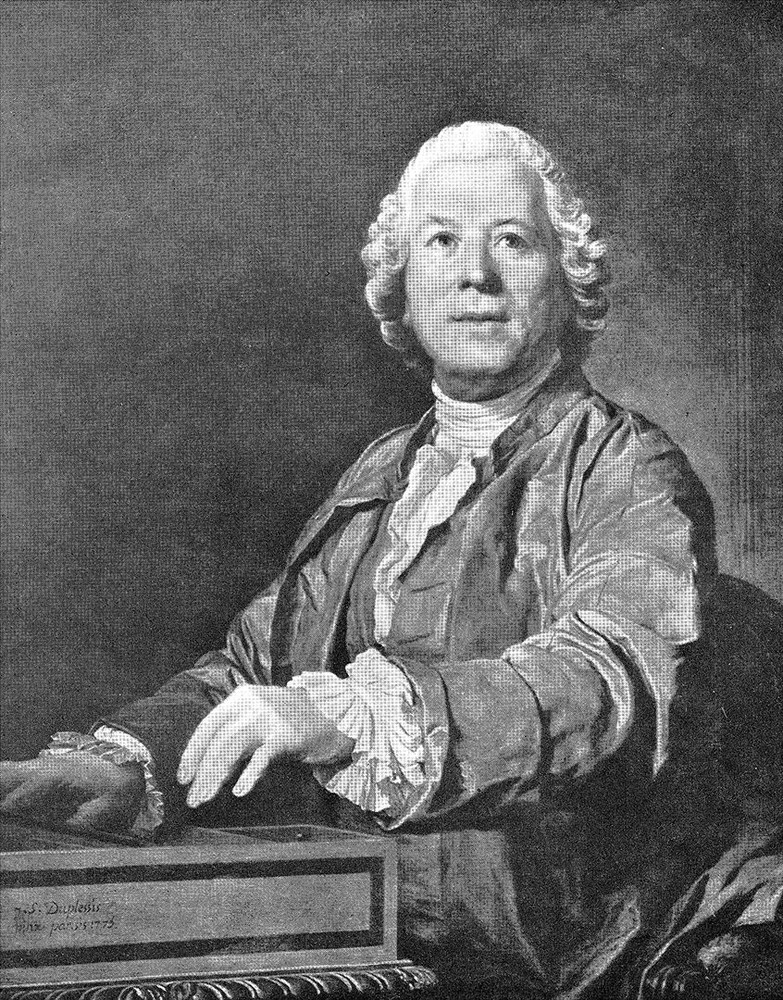
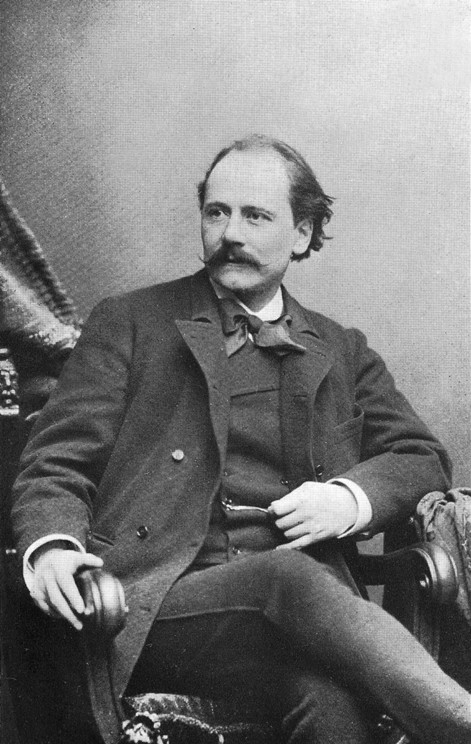
Christoph Willibald Gluck
1986–2013
·
4 albums
Listen
3
/5
Genres
Pet Calming
Pet calming is a functional micro‑genre designed to reduce stress and arousal in companion animals—primarily dogs and cats—during triggering situations such as owner absence, fireworks, vet visits, thunderstorms, or travel. Musically it favors very slow tempos, sparse arrangements, soft timbres (piano, pads, gentle strings, warm guitars), long sustains, smooth envelopes, and stable, consonant harmonies. Dynamics are kept narrow and transients are tamed to avoid startle responses. Many releases add gentle environmental ambiences (rain, ocean, rustling leaves) or unobtrusive pink/white‑noise beds to mask external sounds. Structures are highly repetitive with gradual variation so the soundscape feels predictable and safe. While aimed at non‑human listeners, the genre is informed by animal‑behavior findings (e.g., predictable low‑arousal sound reduces stress) and by human relaxation idioms (ambient, new age, lullaby). It is commonly delivered as long‑form, streaming‑friendly content that owners can loop for hours.
Discover
Listen
432hz
432hz is a wellness-oriented ambient/New Age micro-genre built around tuning music to the alternative concert pitch A=432 Hz instead of the modern standard A=440 Hz. In practice, 432hz releases are largely instrumental, slow-tempo, and reverb-rich, combining soft pads, drones, gentle piano, bowls/chimes, and nature sounds. Tracks are marketed for relaxation, meditation, yoga, sleep, and "energy" or "chakra" work, and are frequently tagged with wellness keywords. While advocates claim psychoacoustic or physiological benefits from 432 Hz tuning, these claims remain unproven; the sound signature audiences respond to is the calm production, consonant harmony, and spacious mixing typical of ambient and New Age music. As a streaming-native style, 432hz thrives on platforms like YouTube and Spotify where long-form background listening, SEO-friendly titling, and looping visuals support use-cases such as study, mindfulness, and sleep.
Discover
Listen
Classical Period
The Classical period in Western art music (c. 1750–1820) is defined by clarity of form, balance of phrase, and transparent textures. Composers favored singable melodies, symmetrical four- and eight-bar phrases, and functional harmony that modulates to closely related keys. Hallmark forms such as the symphony, string quartet, sonata, and classical concerto were standardized, often using sonata form, theme-and-variations, minuet and trio, and rondo designs. Orchestras expanded beyond strings to include standardized pairs of woodwinds and horns, with trumpets and timpani for ceremonial weight, while the fortepiano gradually replaced the harpsichord. The style pivoted away from the dense counterpoint of the late Baroque toward a more galant, conversational musical rhetoric. It culminated in the Viennese masters—Haydn, Mozart, and the early Beethoven—whose works crystallized the era’s ideals and prepared the way for Romanticism.
Discover
Listen
Opera Seria
Opera seria is the 18th‑century Italian "serious" opera that crystallized around noble, moralizing stories drawn from Classical mythology and ancient history. It privileges elevated rhetoric, clear affects, and vocal virtuosity, especially through the da capo (ABA') aria, where singers ornament the return to display technical brilliance and expressive nuance. Typically organized in three acts, opera seria alternates recitatives (secco with continuo for dialogue; accompagnato with orchestra for heightened drama) and solo arias. Ensemble numbers and choruses are rare, and the dramatic flow is shaped by the famous "exit aria" convention, where characters leave the stage after an aria. The style reached canonical form via Metastasian libretti and dominated courts and major opera houses across Naples, Rome, Venice, Vienna, and London.
Discover
Listen
Opéra Comique
Opéra comique is a French operatic genre defined by the presence of spoken dialogue between musical numbers rather than by comic subject matter. Early works used popular tunes (vaudevilles) with newly written words, later evolving into fully original scores with arias, ensembles, finales, and orchestral writing. Originating in Paris fairground theatres, the genre developed at the Opéra-Comique institution into a flexible form that could encompass light, humorous plots as well as serious and even tragic stories. By the 19th century it ranged from graceful, classical elegance to full Romantic drama—so much so that a tragedy like Bizet’s Carmen is still called an opéra comique because it originally included spoken dialogue. Typical features include an overture, clear French prosody, memorable lyrical numbers (romances, couplets), conversational pacing, and finales that integrate multiple characters on stage. Harmony and orchestration track the broader shift from late Baroque/Classical clarity to Romantic color and intensity.
Discover
Listen
Tragédie En Musique
Tragédie en musique (also called tragédie lyrique) is a French Baroque operatic genre forged at the court of Louis XIV by composer Jean-Baptiste Lully and librettist Philippe Quinault. It blends a solemn, heroic or mythological subject with a distinctive five-act plan plus a ceremonial prologue, abundant choral writing, instrumental interludes, and elaborate danced divertissements. The music features the French overture (majestically dotted rhythms), supple French récitatif tailored to the nuances of the language, brief airs rather than showpiece arias, and rich orchestral colors shaped by a five-part string band and basso continuo. Its overall aesthetic is one of noble declamation, dramatic clarity, and courtly spectacle—where text, dance, chorus, and stagecraft combine into a unified theatrical experience.
Discover
Listen
Opera
Opera is a large-scale theatrical genre that combines music, drama, and visual spectacle, in which the story is primarily conveyed through singing accompanied by an orchestra. It unites solo voices, ensembles, and chorus with staging, costumes, and often dance to create a total artwork. Emerging in late Renaissance Italy and flourishing in the Baroque era, opera developed signature forms such as recitative (speech-like singing that advances the plot) and aria (lyrical numbers that explore character and emotion). Over the centuries it evolved diverse national styles—Italian bel canto, French grand opéra, German music drama—while continually experimenting with orchestration, harmony, narrative structure, and stagecraft.
Discover
Listen
Classical
Classical music is the notated art-music tradition of Europe and its global descendants, characterized by durable forms, carefully codified harmony and counterpoint, and a literate score-based practice. The term “classical” can refer broadly to the entire Western art-music lineage from the Medieval era to today, not just the Classical period (c. 1750s–1820s). It privileges long-form structures (such as symphonies, sonatas, concertos, masses, and operas), functional or modal harmony, thematic development, and timbral nuance across ensembles ranging from solo instruments to full orchestras and choirs. Across centuries, the style evolved from chant and modal polyphony to tonal harmony, and later to post-tonal idioms, while maintaining a shared emphasis on written notation, performance practice, and craft.
Discover
Listen
Show all 8 genres
Albums
2013
1
/5
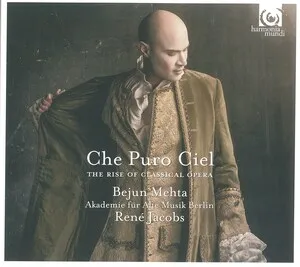
Che puro ciel: The Rise of Classical Opera
Christoph Willibald Gluck
Opera Seria
2010
1
/5
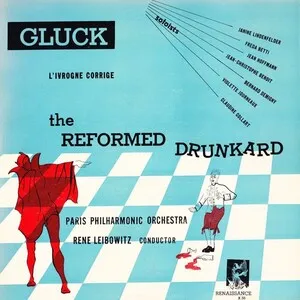
L'ivrogne corrigé
Christoph Willibald Gluck
Opéra Comique
2005
1
/5
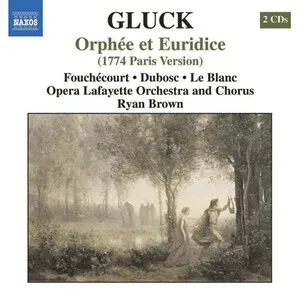
Orphée et Euridice (1774 Paris Version)
Christoph Willibald Gluck
Opera Seria
1986
1
/5
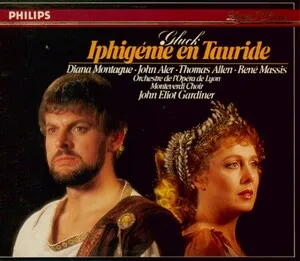
Iphigénie en Tauride
Christoph Willibald Gluck
Tragédie En Musique
Similar artists
4
/5
Wolfgang Amadeus Mozart
Classical
Requiem
Classical Period
4
/5
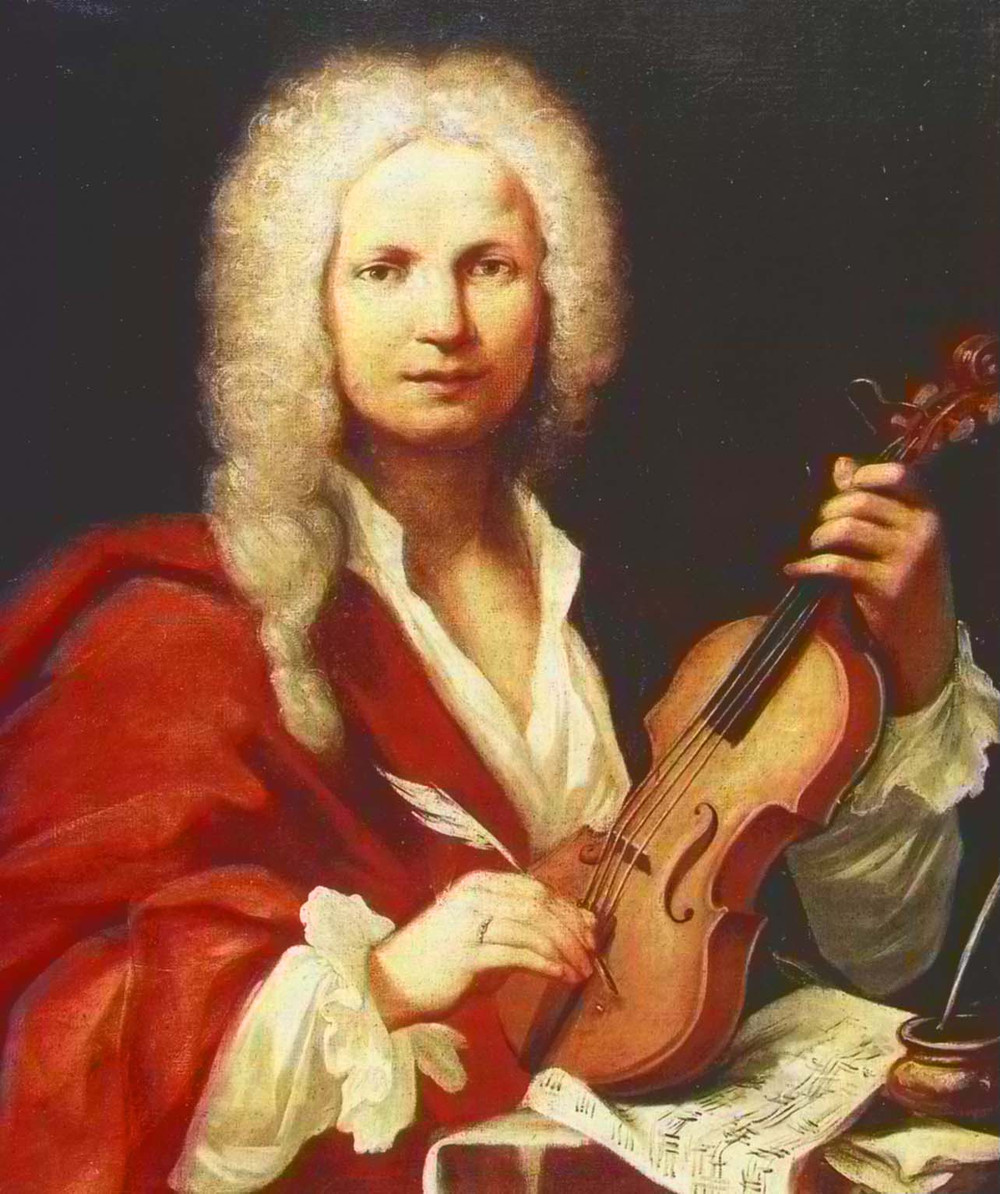
Antonio Vivaldi
Baroque
Classical
Opera Seria
4
/5
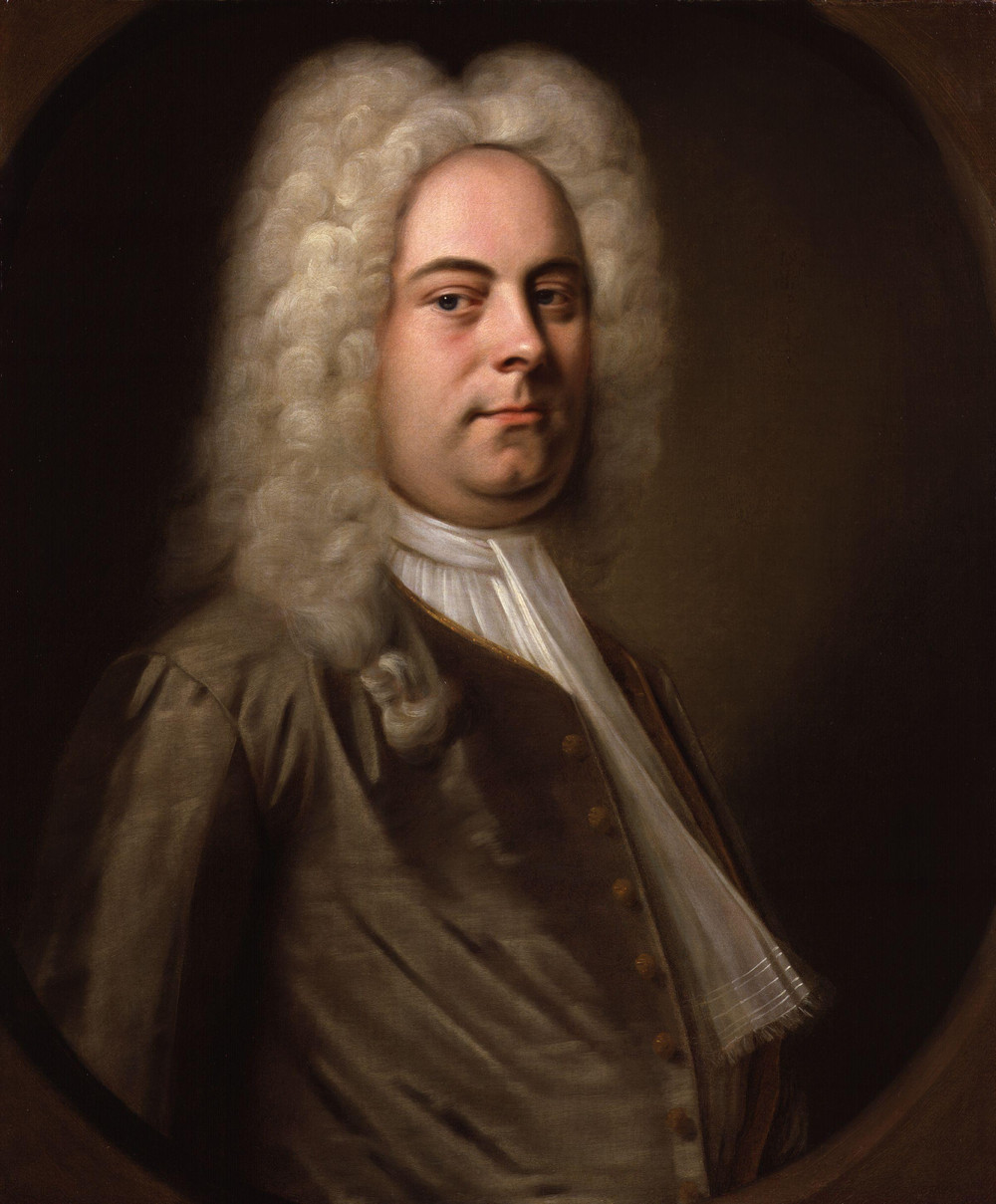
George Frideric Handel
Classical
Opera Seria
Baroque
3
/5
Christopher Hogwood
Classical
Opera
Opera Seria
4
/5
London Symphony Orchestra
Classical
Ballet
Concerto
4
/5
Berliner Philharmoniker
Classical
Romantic Classical
Romanticism
4
/5
Herbert von Karajan
Classical
Symphonic Poem
Symphony
4
/5
London Philharmonic Orchestra
Opera
Classical
Deep Soundtrack
3
/5
Jules Massenet
Classical
Opéra Comique
Pet Calming
3
/5
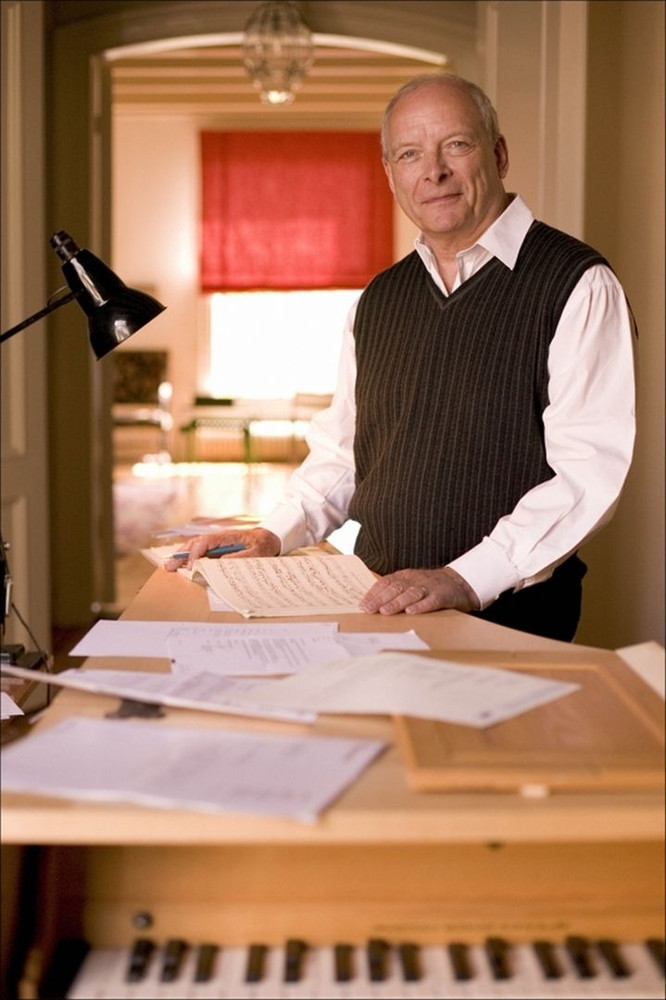
William Christie
Classical
Opera
Tragédie En Musique
Download our mobile app
Get the Melodigging app and start digging for new genres on the go
Download on the App Store
Get it on Google Play
© 2026 Melodigging
Give feedback
Legal
Melodding was created as a tribute to
Every Noise at Once
, which inspired us to help curious minds keep digging into music's ever-evolving genres.