Genres
Artists
Albums
Make Music
Sign in
Sign in
Artists
Early Music
Artists
Early Music
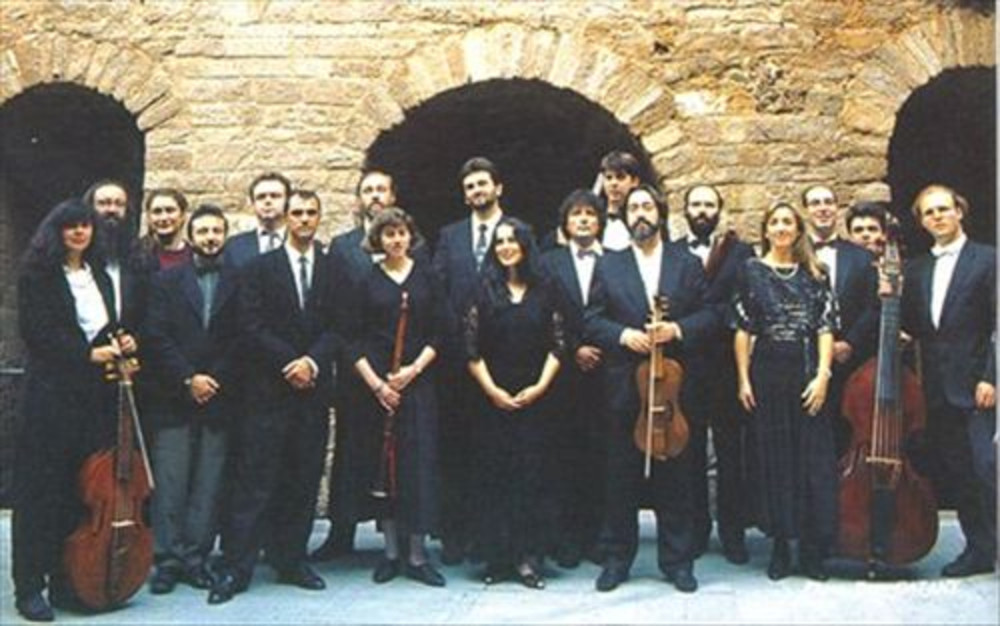
Choeur occitan Rosamonda
1994
·
2 albums
Listen
1
/5
Genres
Early Music
Early music is a modern performance movement devoted to the repertoire of the Medieval, Renaissance, and early Baroque eras (roughly before c. 1750), approached with historically informed performance (HIP) practices. It emphasizes period instruments (or faithful replicas), historical tunings and temperaments, original notations and sources, and performance conventions documented in treatises of the time. The sound world ranges from monophonic chant and modal organum, to intricate Renaissance polyphony, to the emergence of basso continuo and dramatic affect in the early Baroque. Rather than being a single historical style, early music is a contemporary practice of reviving diverse pre‑Classical musics with scholarly rigor and artistic vitality.
Discover
Listen
Traditional Music
Traditional music is an umbrella term used in the mid–20th century by folklorists and ethnomusicologists to denote community-rooted, orally transmitted repertoires tied to social ritual, work, celebration, and storytelling. Unlike commercial pop or art-music traditions, traditional music is typically learned by ear, varies regionally, and evolves slowly through communal participation. It often features modal melodies, cyclic rhythms, heterophony or unison singing, and indigenous instruments whose timbres are integral to local identity. Lyrics tend to preserve language, history, and collective memory. While the musical practices themselves can be ancient, the phrase “traditional music” emerged to replace earlier, narrower or colonial framings like “folk” or “ethnic” music, foregrounding continuity, locality, and living practice rather than exoticism.
Discover
Listen
Polifonia Occitana
Polifonia occitana is a form of Occitan-language polyphonic singing rooted in the traditional vocal practices of southern France and nearby Occitan-speaking cultural areas. It centers on the use of multiple simultaneously sung vocal lines, often arranged in close, resonant harmony, and is strongly connected to regional identity, oral transmission, and community performance. The genre draws on older rural and ceremonial singing traditions while also being shaped by 20th-century folk revival, archival work, and staged reinterpretation. Repertoires may include traditional songs, sacred pieces, regional poetry settings, and revival compositions in Occitan. Its sound is usually unaccompanied or very lightly accompanied, with attention to blend, drone-like support, modal melody, and the expressive interplay between lead and accompanying voices. The result is a texture that can feel both earthy and refined, communal and intimate.
Discover
Listen
Albums
1994
Se canta...: Chansons traditionnelles occitanes et catalanes, Vol. 2
Choeur occitan Rosamonda, Gérard Zuchetto
Polifonia Occitana
1994
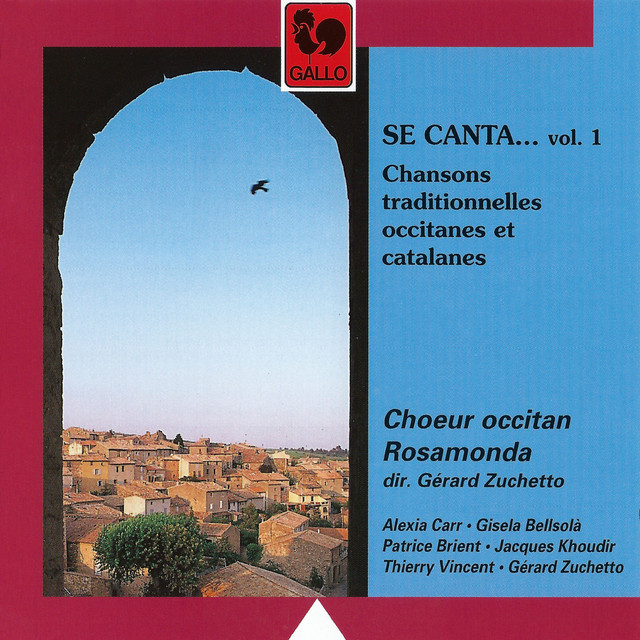
Se canta...: Chansons traditionnelles occitanes et catalanes, Vol. 1
Choeur occitan Rosamonda, Gérard Zuchetto
Polifonia Occitana
Similar artists
Hide discovered
4
/5
Traditional
Classical
Folk
Gregorian Chant
2
/5
Hespèrion XXI
Renaissance
Baroque
Medieval
2
/5
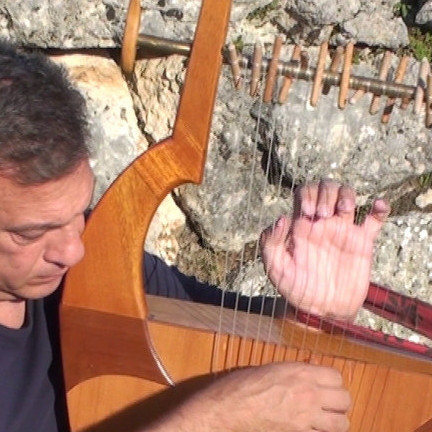
Petros Tabouris
Ancient Mediterranean
Ancient Greek Music
Early Music
2
/5
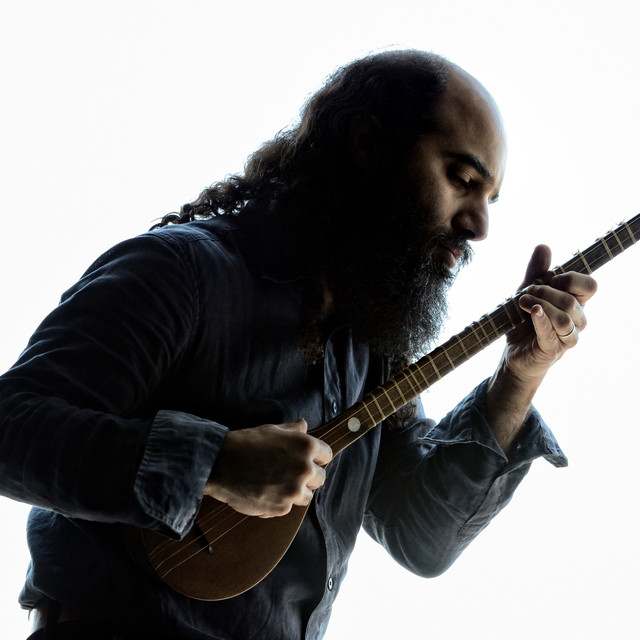
Kiya Tabassian
Early Music
Sufi
Traditional Music
2
/5
Marco Beasley
Baroque
Early Music
Medieval
2
/5
Ancient Greek Music Workshop
Ancient Mediterranean
Ancient Greek Music
Early Music
2
/5
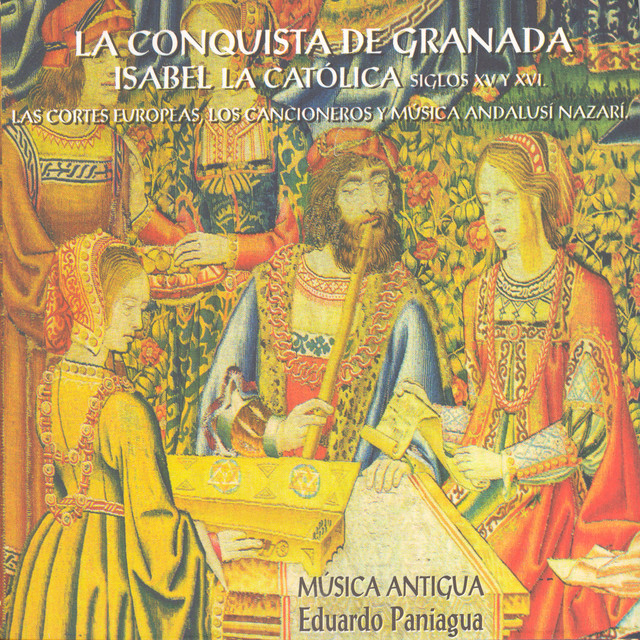
Eduardo Paniagua
Medieval
Classical
Early Music
2
/5
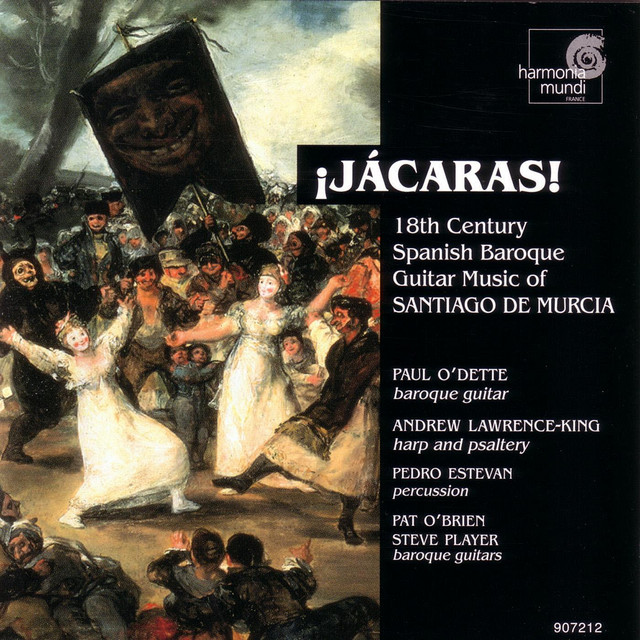
Pedro Estevan
Baroque
Early Music
Medieval
2
/5
Lior Elmaleh
Early Music
Medieval
Muzika Mizrahit
2
/5
Les Witches
Baroque
Celtic
Early Music
Download our mobile app
Get the Melodigging app and start digging for new genres on the go
Download on the App Store
Get it on Google Play
© 2026 Melodigging
Give feedback
About & FAQ
Legal
Melodding was created as a tribute to
Every Noise at Once
, which inspired us to help curious minds keep digging into music's ever-evolving genres.