Your digging level
Description
Ancient Mediterranean music refers to the vocal and instrumental practices of the civilisations that bordered the Mediterranean Sea in antiquity, chiefly Egypt, the Levant, the Greek world, and Rome. Because no continuous performance tradition survives, today’s practice is a historically informed reconstruction based on archaeology, iconography, ancient treatises, surviving musical notations, and re‑built instruments.
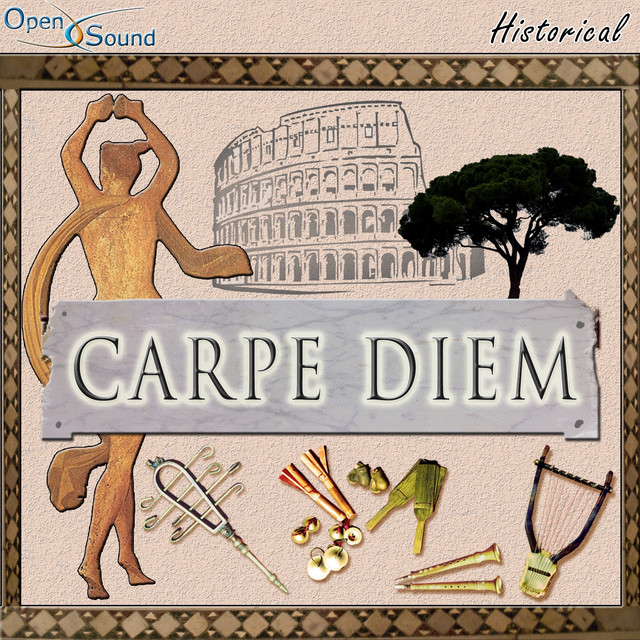
The sound world is primarily modal and largely monophonic, often enhanced by drones, heterophony, or rhythmic ostinati. Singing was central and frequently syllabic, but could include ornamentation and microtonal inflection. Instruments such as the aulos (double‑reed), lyre and kithara (plucked chordophones), panpipes (syrinx), harps and lutes, frame drums and tambourines, sistrum, salpinx (trumpet), and early organs (hydraulis) created timbres ranging from nasal and reedy to bright and metallic.
Music functioned in ritual, theatre, processions, banquets, athletic festivals, funerary rites, and domestic entertainment. Its aesthetics emphasised ethos—the moral and affective power of modes and rhythms—and closely intertwined poetry, dance, and music.


History
The Ancient Mediterranean’s earliest musical traces emerge in the third–second millennia BCE, with abundant iconography and instruments from Egypt, the Levant, and the Aegean. Cuneiform hymn fragments from nearby Mesopotamia contextualise early modal thought, while Egyptian wall paintings and figurines depict harps, lutes, and sistrums. In the Aegean, Minoan–Mycenaean artefacts show lyres and auloi, foreshadowing Classical Greek practices.
Between the Archaic and Hellenistic periods, Greek writers (e.g., Aristoxenus, Ptolemy) codified scales (harmoniai), genera (diatonic, chromatic, enharmonic), tetrachordal theory, and rhythmics. A small but crucial corpus of ancient Greek notations (e.g., the Delphic Hymns, the Seikilos epitaph) confirms melodic contour and modal organisation. Music, poetry, and dance formed a single art, and modes were thought to shape character and behaviour (ethos).
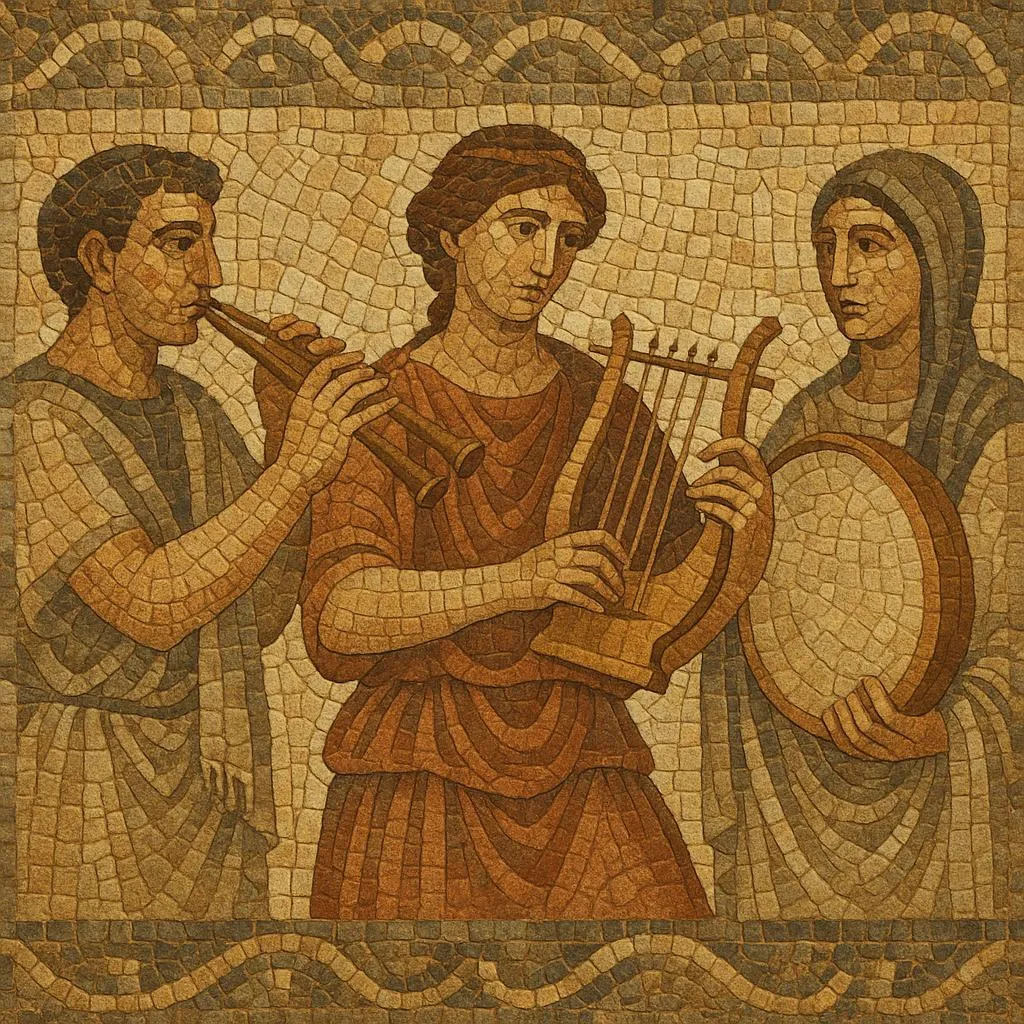
Roman music absorbed Greek theory and instruments, adding distinctive ceremonial uses (military signals, amphitheatre spectacles) and technologies such as the hydraulis. In the Levant and North Africa, Semitic chant traditions, temple liturgies, and communal songs interacted with Hellenistic and Roman culture, enriching the region’s rhythmic and modal vocabulary.
Common instruments included the aulos (double reed with powerful, penetrating tone), lyre and kithara (status instruments of education and public performance), syrinx, harps and long‑necked lutes, frame drums (tympanon), clappers, the sistrum, salpinx trumpets, and, later, the hydraulis. Performance contexts ranged from Dionysian processions and tragic choruses to symposium songs, funerary laments, healing rituals, and athletic festivals.
With Late Antiquity, ritual and liturgical chant systems (e.g., Byzantine and, later, Western chant) synthesised older Mediterranean modal ideas with emerging Christian liturgy. Although continuous performance lines were broken, ancient theory deeply influenced medieval modal frameworks and, ultimately, Western music theory. Modern reconstructions, informed by music archaeology and instrument building, began in the 20th century and continue to refine our understanding of ancient soundscapes.