Genres
Artists
Albums
Make Music
Sign in
Sign in
Artists
Sufi
Artists
Sufi
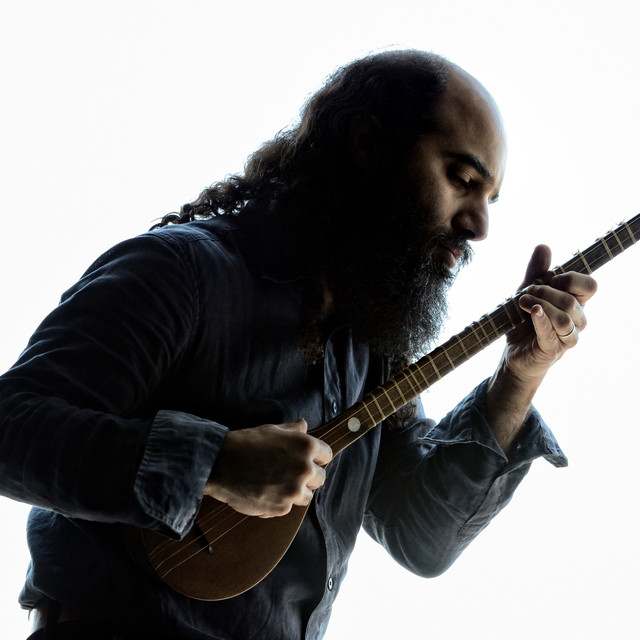
Kiya Tabassian
2022
·
1 album
Listen
2
/5
Genres
Traditional Music
Traditional music is an umbrella term used in the mid–20th century by folklorists and ethnomusicologists to denote community-rooted, orally transmitted repertoires tied to social ritual, work, celebration, and storytelling. Unlike commercial pop or art-music traditions, traditional music is typically learned by ear, varies regionally, and evolves slowly through communal participation. It often features modal melodies, cyclic rhythms, heterophony or unison singing, and indigenous instruments whose timbres are integral to local identity. Lyrics tend to preserve language, history, and collective memory. While the musical practices themselves can be ancient, the phrase “traditional music” emerged to replace earlier, narrower or colonial framings like “folk” or “ethnic” music, foregrounding continuity, locality, and living practice rather than exoticism.
Discover
Listen
Persian Classical
Persian classical (musiqi-e asil) is the art-music tradition of Iran centered on the modal system called dastgāh and its body of canonical melodies known as the radif. Performances are typically intimate and improvisation-forward, unfolding through a succession of gusheh (short melodic pieces) within a dastgāh, guided by recognizable cadential gestures (forud) and a central tone (shāhed). Its sound world features nuanced microtonal inflections using koron (lowered) and sori (raised) accidentals, fluid rhythmic freedom in avāz (non-metric improvisation), and contrasting metered forms like pishdarāmad, chahārmezrāb, tasnif (song), and reng (dance). Core instruments include tar, setar, kamancheh, santur, ney, and tombak (tonbak), with the human voice employing elaborate ornaments (tahrir). The repertoire draws on classical Persian poetry (Hafez, Rumi, Saadi), creating a contemplative, mystical, and deeply expressive aesthetic.
Discover
Listen
Persian Music
Persian music refers broadly to the musical traditions of Iran, centered on the radif repertoire and the modal system known as the dastgāh and its related āvāz branches. It is characterized by microtonal intervals (koron and sori accidentals), fluid melodic development through short pieces called gusheh, and a performance practice that balances composition with refined improvisation (bedāheh-navāzi). Typical ensembles feature tar, setar, kamancheh, santur, ney, and frame drums such as tombak and daf, with vocals employing the distinctive ornament called tahrir. Texts often draw on classical Persian poetry (Hafez, Rumi, Saadi), yielding contemplative, romantic, and introspective moods. While the tradition’s roots reach back to pre-Islamic Persia, its courtly and urban forms crystallized from the Safavid era onward and were codified in the Qajar period, continuing to influence regional modal musics across West and Central Asia.
Discover
Listen
Sufi
Sufi is a devotional musical tradition rooted in Islamic mysticism that seeks to induce remembrance of the Divine (dhikr) and transport performers and listeners toward spiritual ecstasy (wajd). It is not a single uniform style, but a family of practices that vary across regions—most notably Persian/Iranian, Anatolian/Turkish (Mevlevi), Arab, and South Asian (qawwali, kafi). Musically, Sufi repertoire tends to revolve around repetitive, mantra-like refrains, call-and-response between lead and chorus, and gradual intensification over cyclical rhythms. Melodic language draws from regional modal systems such as the Persian dastgāh, Ottoman/Turkish makam, and South Asian raga, and is often supported by drones. Texts are central: poetry by mystic masters like Rumi, Hafez, Bullhe Shah, and Amir Khusrau is sung in Persian, Urdu, Punjabi, Arabic, Turkish, and other languages. Instrumentation varies by locale—harmonium, tabla/dholak, tanpura, and clapping in South Asia; ney, kudüm, bendir, and tanbur in Turkey; oud and frame drums across the Arab world—yet the unifying aim is spiritual uplift and inner transformation.
Discover
Listen
Albums
2022
1
/5
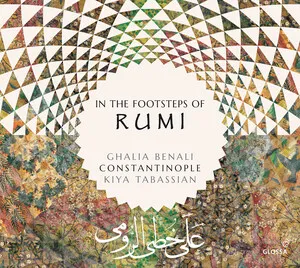
In the Footsteps of Rumi
Ghalia Benali, Constantinople & Kiya Tabassian
Persian Classical
Persian Music
Similar artists
3
/5
Alireza Ghorbani
Traditional Music
Sufi
Persian Classical
2
/5
Hossein Alizadeh
Sufi
Traditional Folk
Traditional Music
2
/5
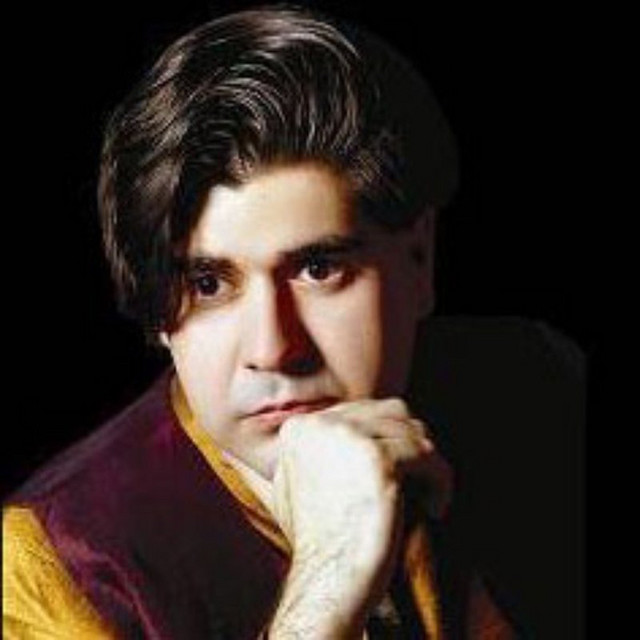
Salar Aghili
Persian Folk Music
Sufi
Traditional Music
1
/5
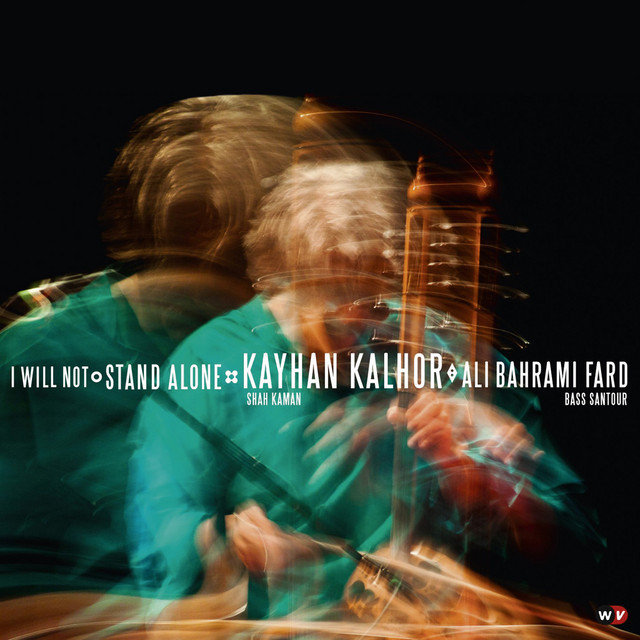
Ali Bahrami Fard
Sufi
Traditional Music
Persian Classical
1
/5
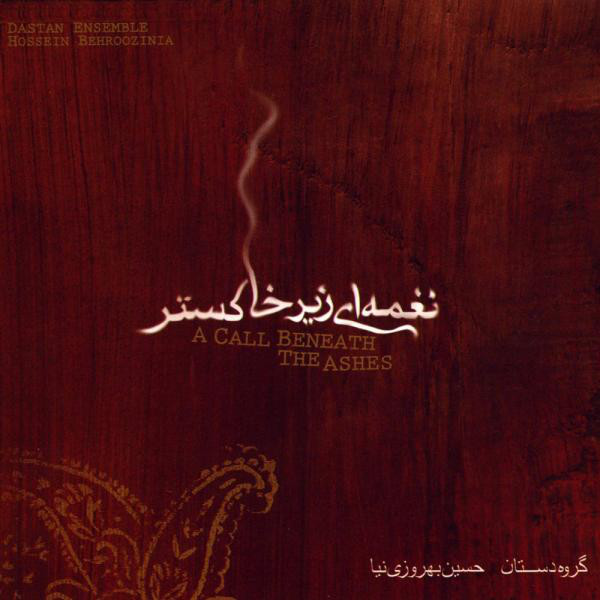
Dastan Ensemble
Persian Folk Music
Sufi
Traditional Music
1
/5
Hossein Farjami
Persian Folk Music
Sufi
Traditional Music
3
/5
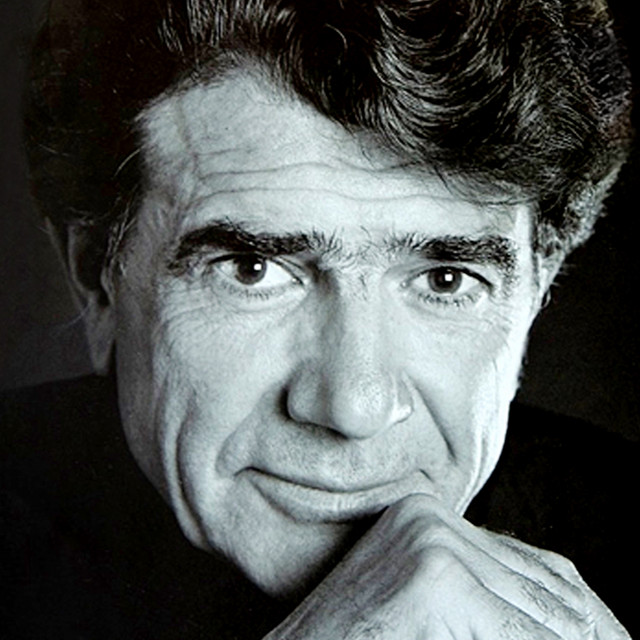
Mohammad-Reza Shajarian
Persian Classical
Persian Music
Traditional Music
3
/5
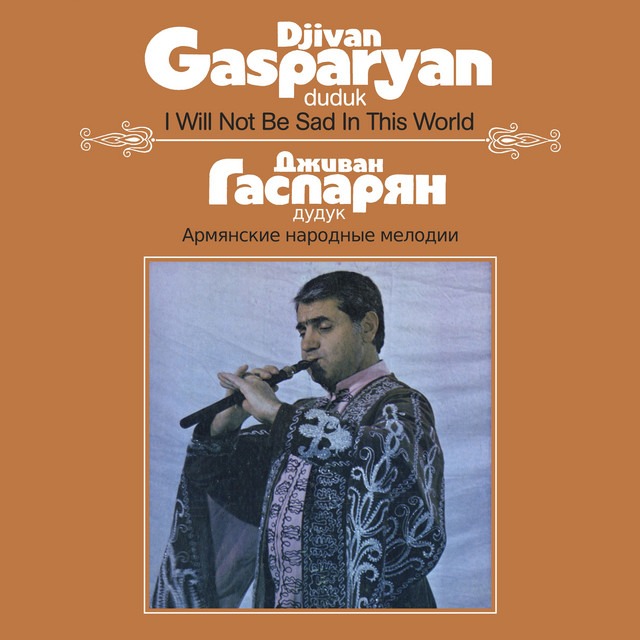
Djivan Gasparyan
Armenian Folk Music
Armenian Music
Folk
2
/5
Nonesuch Explorer Series
East Asian Classical Music
Japanese Music
East Asian Music
1
/5
Ghazal
Ghazal
Indian Classical
Persian Classical
Download our mobile app
Get the Melodigging app and start digging for new genres on the go
Download on the App Store
Get it on Google Play
© 2026 Melodigging
Give feedback
Legal
Melodding was created as a tribute to
Every Noise at Once
, which inspired us to help curious minds keep digging into music's ever-evolving genres.