Genres
Artists
Albums
Make Music
Sign in
Sign in
Artists
Classical
Artists
Classical
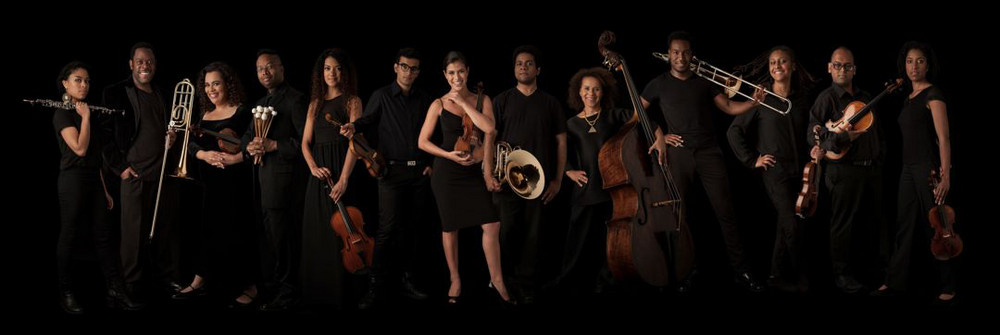
Chineke! Orchestra
2022
·
1 album
Listen
3
/5
Genres
Deep Soundtrack
Deep soundtrack is a modern, cinematic substyle that emphasizes low, immersive textures, slow-moving harmony, and spacious ambience over bombast. It sits at the intersection of ambient music, post-classical scoring, and contemporary film/TV/game underscore, favoring drones, soft pulses, and intimate instruments (piano, strings, analog synths) treated with generous space and subtle sound design. Rather than foregrounding memorable themes or trailer-scale crescendos, deep soundtrack cultivates mood: tense, melancholic, or quietly hopeful. It is designed to sit under narrative, visuals, or concentration—music that breathes, evolves slowly, and suggests emotion without overwhelming it.
Discover
Listen
Victorian Britain
Victorian Britain refers to the musical life of the United Kingdom during Queen Victoria’s reign (1837–1901). It spans domestic drawing‑room ballads, mass choral hymnody, the rise of brass bands and choral societies, comic opera and operetta (epitomized by Gilbert & Sullivan), and the booming world of the music hall. At home, affordable upright pianos and cheap sheet‑music printing nurtured a culture of parlour songs and amateur music‑making. In public, industrial urbanization fostered communal ensembles—brass bands, civic choirs, and church choirs—while theatres and halls offered everything from light opera to comic patter songs. Stylistically, the period blends late‑Romantic harmony and form with Anglican devotional traditions, folk song, and European dance rhythms, yielding music that ranges from sentimental and devotional to witty and theatrical.
Discover
Listen
Classical
Classical music is the notated art-music tradition of Europe and its global descendants, characterized by durable forms, carefully codified harmony and counterpoint, and a literate score-based practice. The term “classical” can refer broadly to the entire Western art-music lineage from the Medieval era to today, not just the Classical period (c. 1750s–1820s). It privileges long-form structures (such as symphonies, sonatas, concertos, masses, and operas), functional or modal harmony, thematic development, and timbral nuance across ensembles ranging from solo instruments to full orchestras and choirs. Across centuries, the style evolved from chant and modal polyphony to tonal harmony, and later to post-tonal idioms, while maintaining a shared emphasis on written notation, performance practice, and craft.
Discover
Listen
Albums
2022
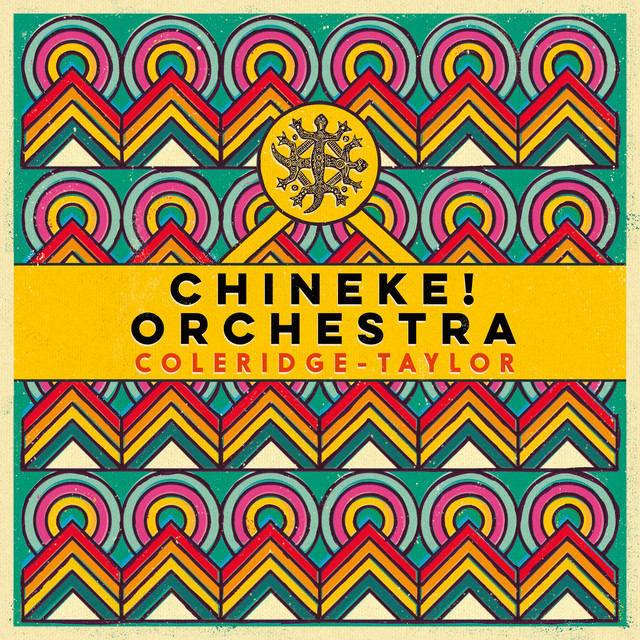
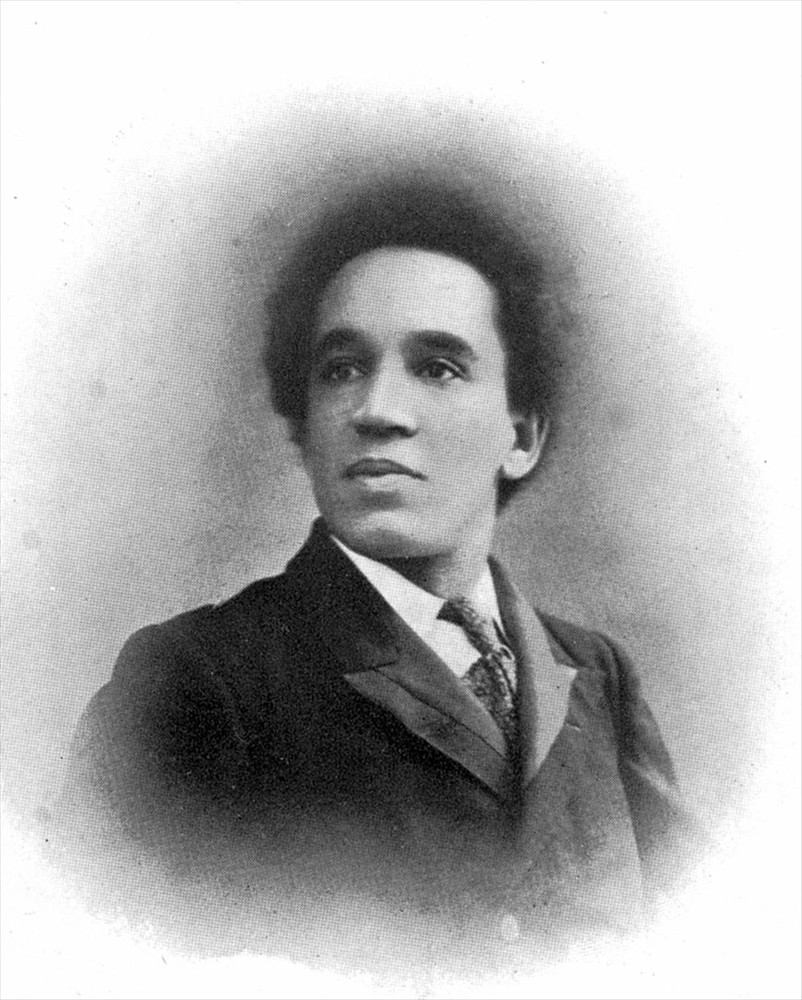
Coleridge-Taylor
Samuel Coleridge-Taylor, Chineke! Orchestra, Avril Coleridge-Taylor
Victorian Britain
Similar artists
4
/5
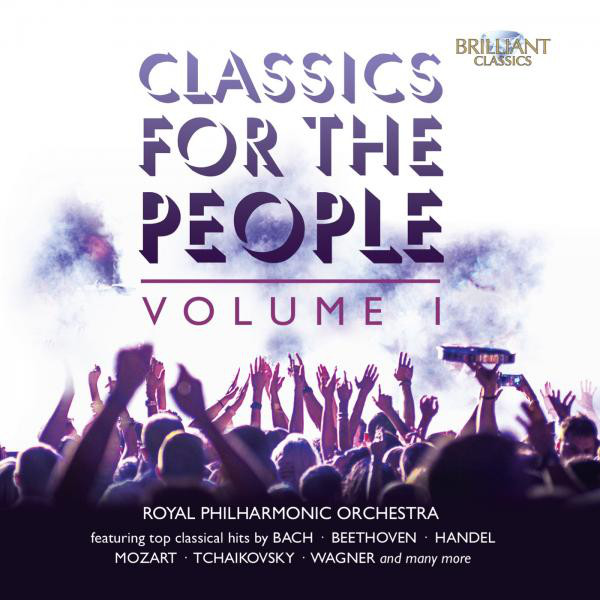
Royal Philharmonic Orchestra
Classical
Classical Bass
Historic Orchestral Performance
4
/5
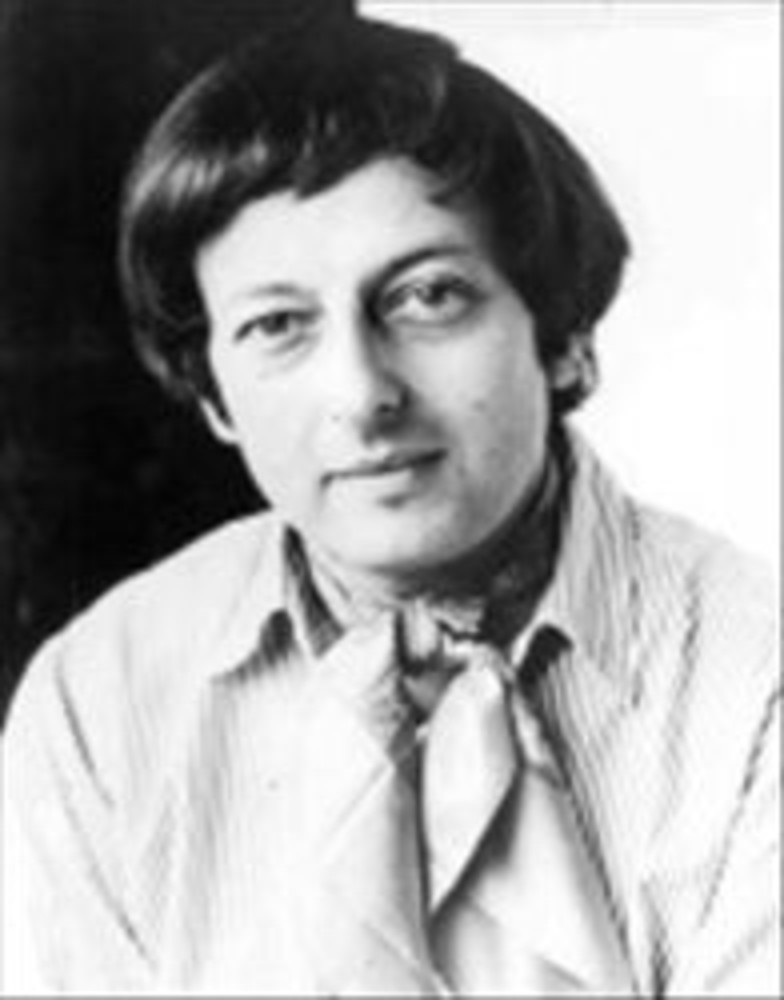
André Previn
Orchestral Performance
Ballet
Classical
3
/5
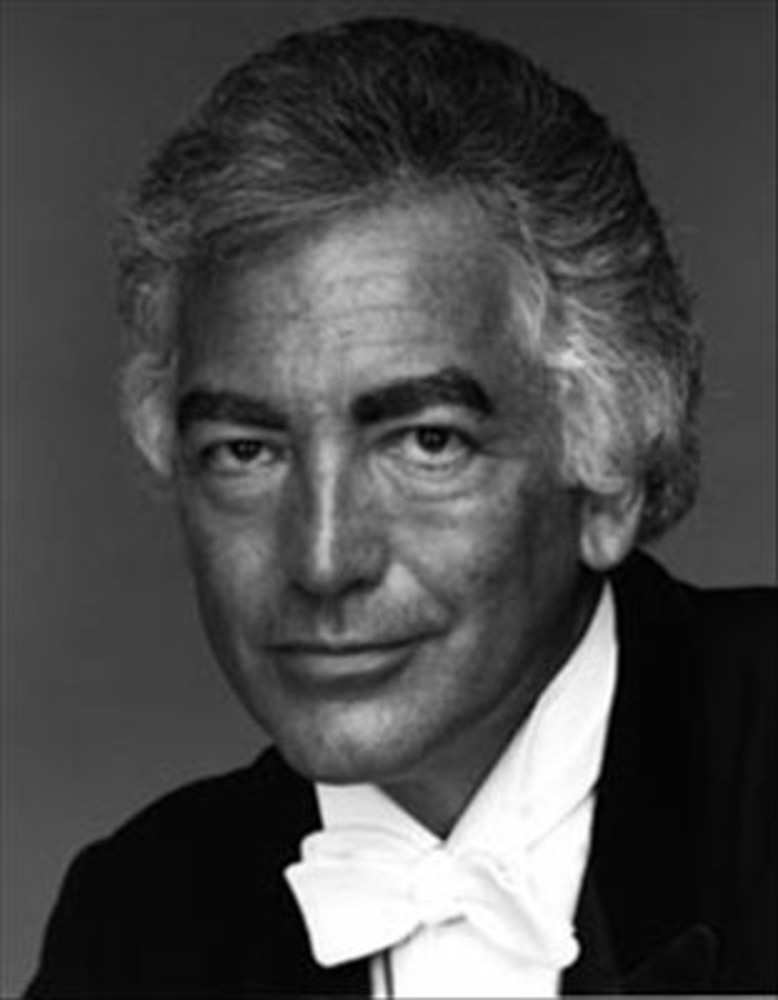
Richard Bonynge
Ballet
Classical
Classical Baritone
3
/5
Stephen Cleobury
Requiem
Anglican Liturgy
Cambridge Choir
3
/5
Choir of King's College, Cambridge
Requiem
Anglican Liturgy
Cambridge Choir
3
/5
Howard Griffiths
Classical
English Pastoral School
Neoclassicism
3
/5
The Sixteen
Baroque
Classical
Choral
3
/5
Samuel Coleridge-Taylor
Classical
Light Music
Concerto
3
/5
Philip Ellis
Classical
Early Modern Classical
Victorian Britain
3
/5
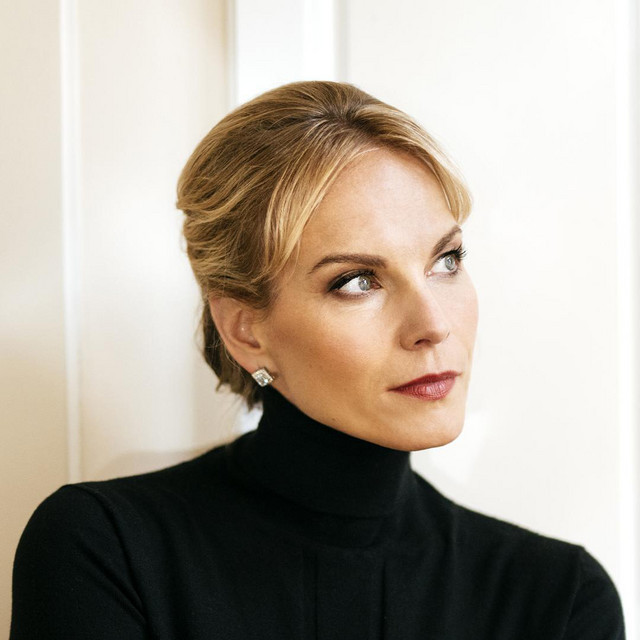
Elina Garanca
Classical
Opera
Baltic Classical
Download our mobile app
Get the Melodigging app and start digging for new genres on the go
Download on the App Store
Get it on Google Play
© 2026 Melodigging
Give feedback
Legal
Melodding was created as a tribute to
Every Noise at Once
, which inspired us to help curious minds keep digging into music's ever-evolving genres.