Genres
Artists
Albums
Make Music
Sign in
Sign in
Artists
Cumbia Chilena
Artists
Cumbia Chilena
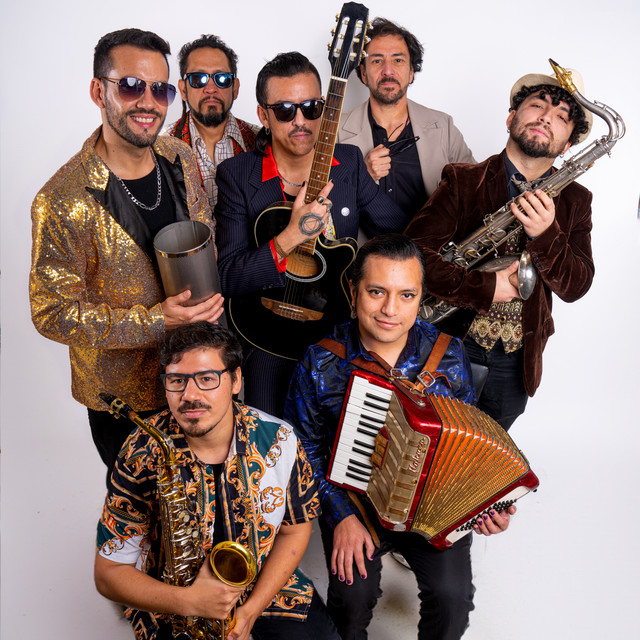
Chico Trujillo
2006–2013
·
9 albums
Listen
3
/5
Genres
Cumbia 420
Cumbia 420 is a contemporary Argentine micro‑genre that fuses the 2/4 swing and keyboard riffs of cumbia villera with the dembow/reggaetón pulse and trap/hip‑hop aesthetics. Built around minor‑key synth hooks, booming 808 sub‑bass, whistle/lead “silbido” lines and heavily Auto‑Tuned vocals, it keeps cumbia’s street‑party groove while adopting urban club sound design and lyrical themes tied to barrio life and cannabis (“420”). The result is a raw, dance‑forward style that sits between a cumbia sound system and an urban club set: simple, sticky melodies; aggressive percussive programming; and catchy call‑and‑response hooks designed for social media virality and neighborhood parties.
Discover
Listen
Manso Indie
Manso indie is an Argentine strand of indie rock and indie pop that blossomed in the 2010s, centered largely in the Cuyo region (especially Mendoza). The word “manso” in regional slang evokes something cool, chill, and pleasant, and the music mirrors that mood: warm guitars, laid‑back vocals, melodic bass lines, and unfussy, DIY‑friendly production. Sonically, it favors mid‑tempo grooves, jangly or chorus‑washed guitars, gentle synth pads, and roomy drums. Lyrics tend to be intimate and observational—romance, friendship, youth, and city or small‑town scenes—delivered with an understated, conversational tone. While connected to the broader Argentine “rock nacional” lineage, manso indie distinguishes itself by its mellow dynamics, sun‑dappled harmonies, and a preference for vibe and songcraft over virtuosity.
Discover
Listen
Nueva Cumbia Chilena
Nueva cumbia chilena is a 2000s revival and reinvention of cumbia in Chile that blends the classic Colombian-rooted rhythm with Chilean popular music traditions and contemporary urban sounds. It typically features brass-heavy arrangements, percussion-led grooves, and catchy call-and-response vocals, mixing influences from ska, rock, reggae, salsa, and local folk forms such as cueca. The scene arose in Santiago and Valparaíso, where bands reimagined cumbia for festivals, neighborhood parties, and large dance floors, emphasizing communal dancing, humor, social commentary, and a celebratory spirit. Though rooted in retro aesthetics, the style often incorporates modern production, big-band energy, and cosmopolitan touches (Balkan brass, ska-punk, and Latin alternative), making it a bridge between tradition and 21st‑century Latin urban culture.
Discover
Listen
Latin Alternative
Latin alternative is an umbrella term for genre-bending music made by Latin American and US Latino artists that sits outside mainstream Latin pop. It blends alternative and indie rock attitudes with Latin rhythmic vocabularies (cumbia, salsa, ska, reggae), hip hop, and electronic production. The style privileges experimentation, hybridity, and scene-driven authenticity rather than commercial formulas. Lyrics are often in Spanish (sometimes bilingual or Spanglish), and themes range from the personal and poetic to social and political commentary. The movement coalesced in the mid-to-late 1990s around U.S. media and festivals (e.g., LAMC), helping connect diverse scenes from Mexico, Argentina, Chile, Colombia, Puerto Rico, and beyond.
Discover
Listen
Cumbia Chilena
Cumbia chilena is the Chilean interpretation of cumbia that took root in the early 1960s and became a staple of fiestas, dancehalls, and popular radio. It blends the Colombian cumbia beat with the brass-driven sound of Chile’s tropical orchestras, creating an upbeat, party-ready style with catchy choruses and prominent horn riffs. Classic cumbia chilena is marked by trumpets and saxophones, bright major-key harmonies, güiro and conga patterns, timbales fills, and a driving electric bass “tumbao.” Later waves introduced romantic ballad sensibilities and pop polish, while the 2000s revival (often called “nueva cumbia chilena”) fused cumbia with ska, rock, and urban grooves, keeping the dancefloor spirit while updating textures and themes.
Discover
Listen
Chicha
Chicha is a Peruvian branch of cumbia that crystallized in urban migrant neighborhoods during the late 1960s and 1970s. It fuses Colombian cumbia rhythms with Andean huayno melodies, played on electric guitars that carry surf- and psychedelic-rock inflections. The style is defined by bright, reverb-soaked lead guitar lines in pentatonic (often Andean) motifs, Farfisa- or Hammond-type organs doubling riffs, and a steady cumbia groove driven by drum kit, güiro, and congas. Lyrics frequently reflect internal migration, working-class life, love, longing, and the bittersweet experience of cultural hybridity in Lima and other Peruvian cities. Chicha is sometimes called cumbia peruana (though that umbrella also includes Amazonian cumbia). Its imagery and street-poster aesthetics—neon colors and bold typography—became synonymous with the sound’s vibrant, grassroots identity.
Discover
Listen
Rock
Rock is a broad family of popular music centered on amplified instruments, a strong backbeat, and song forms that foreground riffs, choruses, and anthemic hooks. Emerging from mid‑20th‑century American styles like rhythm & blues, country, and gospel-inflected rock and roll, rock quickly expanded in scope—absorbing folk, blues, and psychedelic ideas—while shaping global youth culture. Core sonic markers include electric guitar (often overdriven), electric bass, drum kit emphasizing beats 2 and 4, and emotive lead vocals. Rock songs commonly use verse–chorus structures, blues-derived harmony, and memorable melodic motifs, ranging from intimate ballads to high‑energy, stadium‑sized performances.
Discover
Listen
Pachanga
Pachanga is a fast, festive Cuban dance‑music genre created in the late 1950s as a mixture of son montuno and merengue, performed primarily by charanga ensembles (flute, violins, piano, bass, timbales, güiro, and conga). Very similar in feel to the cha-cha-chá but with a notably stronger downbeat and a buoyant 2/4 bounce, pachanga features jocular, mischievous lyrics and animated call‑and‑response coros. Its arrangements spotlight bright violin riffs, agile flute leads, and driving piano/bass tumbaos that propel the signature “pachanga step” on the dance floor. Originating in Cuba and exploding across the Caribbean soon after, pachanga played a pivotal role in the evolution of Caribbean popular music. Introduced to the United States in the post‑World‑War‑II era (and especially after 1959), it sparked a major New York charanga craze that fed directly into Latin boogaloo and, ultimately, the development of salsa.
Discover
Listen
Latin
Latin (as a genre label) is a broad umbrella used by the recording industry to categorize popular music rooted in Latin America, the Caribbean, and the Iberian world, often characterized by syncopated Afro-diasporic rhythms, dance-forward grooves, and lyrics primarily in Spanish or Portuguese. As a marketplace category that took shape in the mid-20th century United States, it gathers diverse traditions—Afro-Cuban, Brazilian, Mexican, and Caribbean styles—into a shared space. In practice, "Latin" spans everything from big-band mambo and bolero ballads to contemporary pop, rock, hip hop, and dance fusions produced by artists of Latin American heritage.
Discover
Listen
Tropical
Tropical (often called música tropical) is a broad Latin American dance‑music umbrella that grew from Afro‑Caribbean styles and big‑band arrangements. It emphasizes lively, percussion‑driven grooves, syncopated horn lines, piano montunos, tumbao bass patterns, and call‑and‑response vocals. The feel ranges from elegant ballroom danzón and bolero to the high‑energy drive of mambo, cha‑cha‑chá, salsa, cumbia, and merengue. While repertoire and instrumentation vary by substyle and country, a shared rhythmic DNA—rooted in the clave and Afro‑diasporic percussion—unites Tropical music across the Caribbean and the Americas.
Discover
Listen
Chilean Music
Chilean music is an umbrella term for the diverse musical practices that developed in Chile, spanning rural folk traditions, urban popular music, and modern hybrid scenes. Its core pillars include the cueca (the national dance), the tonada chilena, and Andean-influenced folk, alongside later movements such as Nueva Canción Chilena, rock en español, cumbia chilena, indie pop/rock, hip hop, reggaetón, and experimental scenes. Forged at the crossroads of Indigenous (Mapuche and Andean), Iberian (Spanish folk and salon forms), and Afro-diasporic currents (via the zamacueca), Chilean music combines characteristic strummed guitars, the guitarrón chileno and paya traditions, Andean winds (quena, zampoña), cueca’s stamping rhythms and pandero hand drum, and poetic, socially conscious lyricism. In the 20th century it became a continental reference through Nueva Canción’s politically engaged songwriting and later through rock, pop, and urban genres that placed Chile on the global map.
Discover
Listen
Cumbia
Cumbia is a syncretic dance-music tradition from Colombia’s Caribbean coast that blends African rhythmic heritage, Indigenous (especially gaita flute) melodic practice, and Spanish colonial instrumentation and forms. Traditionally performed in a moderate 2/4 (often felt in 4/4 today), it features interlocking hand-drum parts (tambora, alegre, llamador), guacharaca or maracas for steady texture, and long cane flutes (gaita hembra and gaita macho) carrying call-and-response melodies. As it spread in the 20th century, orchestras and dance bands added accordion, horns, piano, bass, and later electric guitar and synthesizers, creating urban and pan–Latin American variants. Harmonically simple and rhythm-forward, cumbia places groove, ostinati, and vocal refrains at the center, making it both ceremonial in origin and enduringly popular on social dance floors across the Americas.
Discover
Listen
Show all 12 genres
Albums
2013
1
/5
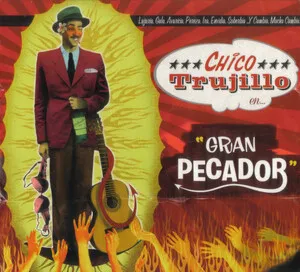
Gran pecador
Chico Trujillo
Cumbia Chilena
Nueva Cumbia Chilena
Chilean Music
2008
1
/5
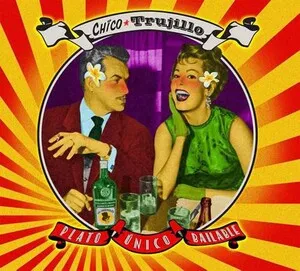
Plato único bailable
Chico Trujillo
Cumbia
Cumbia Chilena
Nueva Cumbia Chilena
2006
3
/5
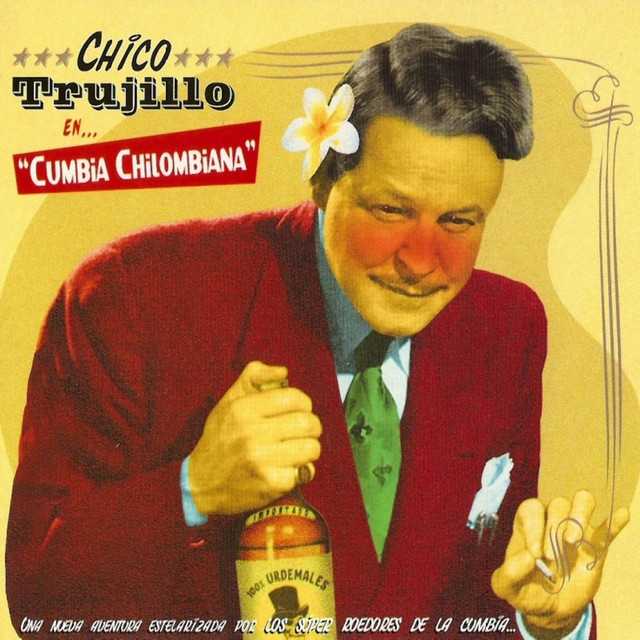
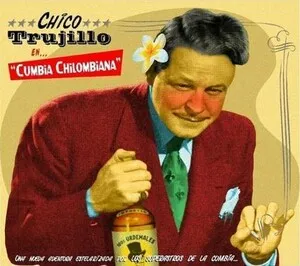
Cumbia Chilombiana
Chico Trujillo
Cumbia Chilena
2006
1
/5
Cumbia chilombiana
Chico Trujillo
Cumbia
Cumbia Chilena
Nueva Cumbia Chilena
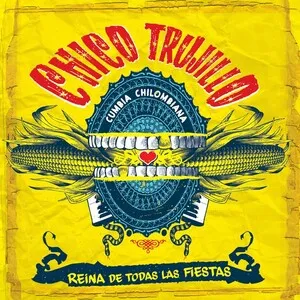
Reina de todas las fiestas
Chico Trujillo
Nueva Cumbia Chilena
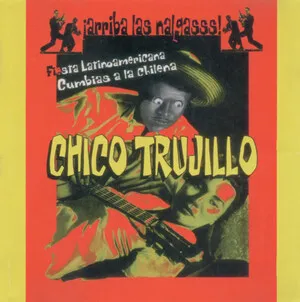
¡Arriba las nalgasss!
Chico Trujillo
Nueva Cumbia Chilena
Reina de todas las fiestas
Chico Trujillo
Cumbia Chilena
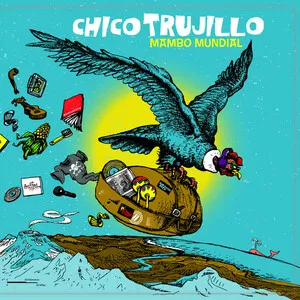
Mambo Mundial
Chico Trujillo
Cumbia Chilena
¡Arriba las nalgasss!
Chico Trujillo
Cumbia Chilena
Similar artists
4
/5
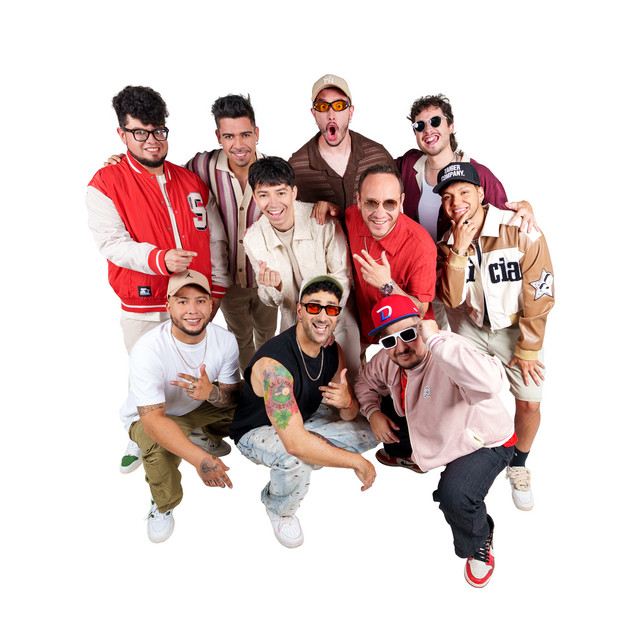
Santaferia
Cumbia Chilena
Mambo
Cumbia
3
/5
La Combo Tortuga
Cumbia Chilena
Mambo
Cumbia
3
/5
Villa Cariño
Cumbia Chilena
Nueva Cumbia Chilena
Cumbia
1
/5
Various Artists
Afro-Funk
Alternative Rock
Ambient
2
/5
Combo Ginebra
Cumbia
Cumbia Chilena
Nueva Cumbia Chilena
4
/5
Quantic
Electronic
Nu-Cumbia
Downtempo
2
/5
Grupo Fantasma
Chicha
Cumbia
Electrocumbia
2
/5
Juanafé
Cumbia
Latin Afrobeat
Cumbia Chilena
2
/5
Banda Conmoción
Chicha
Cumbia
Folclor Andino
3
/5
David Byrne
Art Punk
Art Pop
Art Rock
Download our mobile app
Get the Melodigging app and start digging for new genres on the go
Download on the App Store
Get it on Google Play
© 2026 Melodigging
Give feedback
Legal
Melodding was created as a tribute to
Every Noise at Once
, which inspired us to help curious minds keep digging into music's ever-evolving genres.