Genres
Artists
Albums
Make Music
Sign in
Sign in
Artists
Chicha
Artists
Chicha
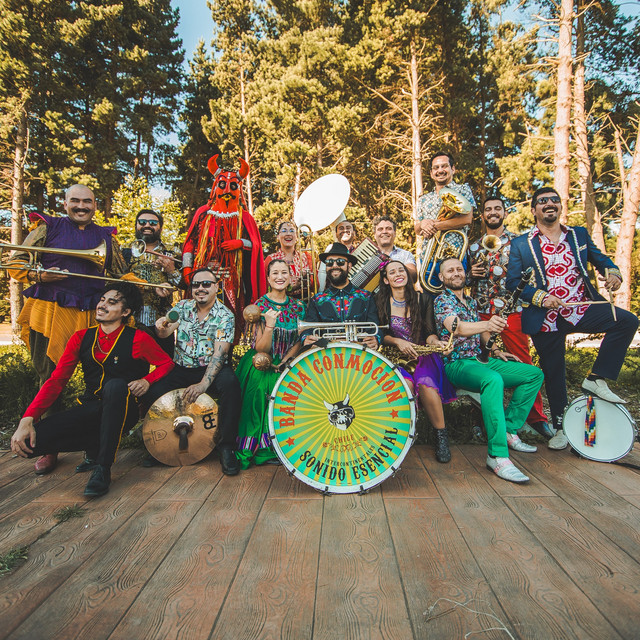
Banda Conmoción
2008–2014
·
3 albums
Listen
2
/5
Genres
Nueva Cumbia Chilena
Nueva cumbia chilena is a 2000s revival and reinvention of cumbia in Chile that blends the classic Colombian-rooted rhythm with Chilean popular music traditions and contemporary urban sounds. It typically features brass-heavy arrangements, percussion-led grooves, and catchy call-and-response vocals, mixing influences from ska, rock, reggae, salsa, and local folk forms such as cueca. The scene arose in Santiago and Valparaíso, where bands reimagined cumbia for festivals, neighborhood parties, and large dance floors, emphasizing communal dancing, humor, social commentary, and a celebratory spirit. Though rooted in retro aesthetics, the style often incorporates modern production, big-band energy, and cosmopolitan touches (Balkan brass, ska-punk, and Latin alternative), making it a bridge between tradition and 21st‑century Latin urban culture.
Discover
Listen
Chicha
Chicha is a Peruvian branch of cumbia that crystallized in urban migrant neighborhoods during the late 1960s and 1970s. It fuses Colombian cumbia rhythms with Andean huayno melodies, played on electric guitars that carry surf- and psychedelic-rock inflections. The style is defined by bright, reverb-soaked lead guitar lines in pentatonic (often Andean) motifs, Farfisa- or Hammond-type organs doubling riffs, and a steady cumbia groove driven by drum kit, güiro, and congas. Lyrics frequently reflect internal migration, working-class life, love, longing, and the bittersweet experience of cultural hybridity in Lima and other Peruvian cities. Chicha is sometimes called cumbia peruana (though that umbrella also includes Amazonian cumbia). Its imagery and street-poster aesthetics—neon colors and bold typography—became synonymous with the sound’s vibrant, grassroots identity.
Discover
Listen
Folclor Andino
Folclor andino is the pan‑regional folk music of the Andean highlands, shaped by Indigenous Quechua and Aymara traditions and later mestizo influences. It centers on wind instruments such as quena (notched flute) and zampoña/siku (panpipes), the small 10‑string charango, guitar, and deep hand‑drummed bombos, producing bright timbres over earthy rhythms. Melodically it favors pentatonic and natural minor (Aeolian/Dorian) scales, parallel thirds, antiphonal hocketing between panpipe parts, and cyclical ostinatos. Repertoire often draws from regional forms like huayno, yaraví, carnavalito, and related highland dances, with lyrics that invoke the mountains, Pachamama (Mother Earth), love, migration, and social realities. As a modern stage and recording genre, folclor andino coalesced mid‑20th century when urban ensembles standardized instrumentation and performance, later intersecting with nueva canción’s socially engaged aesthetics and spreading globally through tours and world‑music circuits.
Discover
Listen
Cumbia Chilena
Cumbia chilena is the Chilean interpretation of cumbia that took root in the early 1960s and became a staple of fiestas, dancehalls, and popular radio. It blends the Colombian cumbia beat with the brass-driven sound of Chile’s tropical orchestras, creating an upbeat, party-ready style with catchy choruses and prominent horn riffs. Classic cumbia chilena is marked by trumpets and saxophones, bright major-key harmonies, güiro and conga patterns, timbales fills, and a driving electric bass “tumbao.” Later waves introduced romantic ballad sensibilities and pop polish, while the 2000s revival (often called “nueva cumbia chilena”) fused cumbia with ska, rock, and urban grooves, keeping the dancefloor spirit while updating textures and themes.
Discover
Listen
Balkan Brass Band
Balkan brass band is a high‑energy brass tradition from the central and western Balkans, most famously Serbia, that centers on trumpets, flugelhorns, baritone horns, tubas, and pounding double‑headed bass drums (tapan/davul) and snares. The style blends 19th‑century military brass band instrumentation with Romani performance practice and local dance rhythms. It favors blistering tempos, virtuosic trumpet leads, modal melodies (often using Hijaz/Phrygian-dominant colors), and asymmetrical meters that power social dances such as čoček and kolo. Typically performed at weddings, village festivities, and outdoor festivals like Guča, the music is both celebratory and cathartic, moving seamlessly between ecstatic dance tunes and soulful laments.
Discover
Listen
Cumbia
Cumbia is a syncretic dance-music tradition from Colombia’s Caribbean coast that blends African rhythmic heritage, Indigenous (especially gaita flute) melodic practice, and Spanish colonial instrumentation and forms. Traditionally performed in a moderate 2/4 (often felt in 4/4 today), it features interlocking hand-drum parts (tambora, alegre, llamador), guacharaca or maracas for steady texture, and long cane flutes (gaita hembra and gaita macho) carrying call-and-response melodies. As it spread in the 20th century, orchestras and dance bands added accordion, horns, piano, bass, and later electric guitar and synthesizers, creating urban and pan–Latin American variants. Harmonically simple and rhythm-forward, cumbia places groove, ostinati, and vocal refrains at the center, making it both ceremonial in origin and enduringly popular on social dance floors across the Americas.
Discover
Listen
Marching Band
Marching band is a wind–percussion ensemble that performs while moving, combining musical presentation with choreographed drill formations. Typical instrumentation includes brass (trumpets, mellophones/flugelhorns, trombones, baritones/euphoniums, sousaphones), woodwinds (piccolos, flutes, clarinets, saxophones), and a battery percussion line (snares, multi-tenors/quads, bass drums, cymbals), often with a color guard and, in modern field shows, an optional front ensemble (mallet keyboards, auxiliary percussion, electronics). The genre spans parade-style performance at a steady march tempo and field-show productions that integrate popular, classical, and jazz repertoire with visual design. Styles range from “corps-style” precision drill to show-style presentations rooted in HBCU traditions that emphasize groove, dance, and call‑and‑response crowd engagement.
Discover
Listen
Show all 7 genres
Albums
2014
2
/5
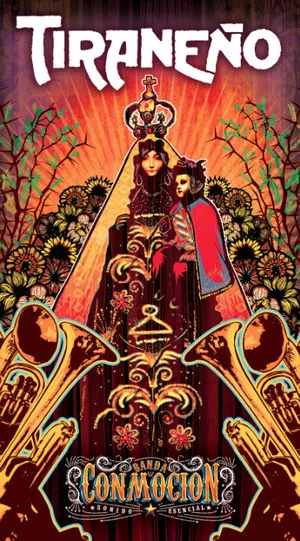
Tiraneño
Banda Conmoción
Marching Band
2010
3
/5
Cuerpo Repartido
Banda Conmoción
Nueva Cumbia Chilena
Cumbia Chilena
2008
2
/5
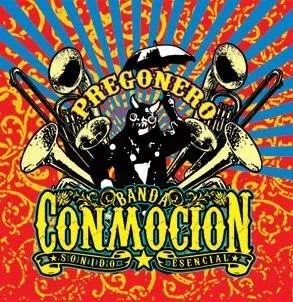
Pregonero
Banda Conmoción
Balkan Brass Band
Similar artists
3
/5
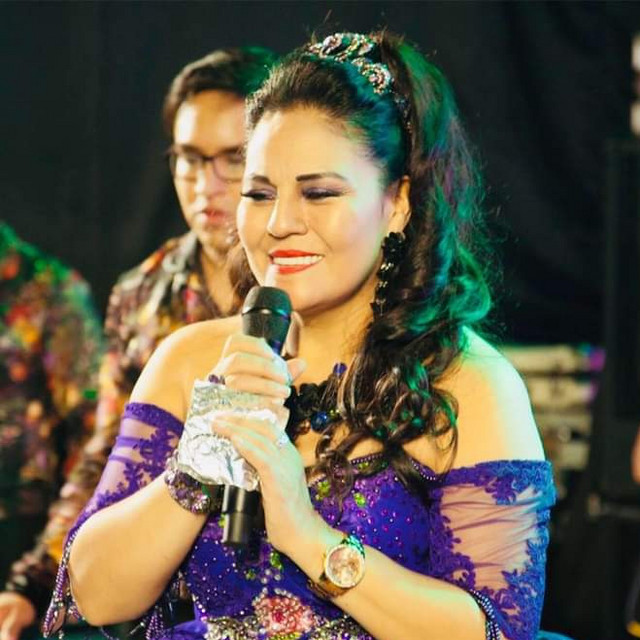
Dina Paucar
Chicha
Cumbia
Folclor Andino
3
/5
Águilas de América
Chicha
Cumbia
Folclor Andino
2
/5
Silverio Urbina
Chicha
Cumbia
Folclor Andino
3
/5
Chico Trujillo
Cumbia Chilena
Cumbia
Latin Alternative
4
/5
Corazón Serrano
Chicha
Huayno
Cumbia
4
/5
Amar Azul
Chicha
Cuarteto
Cumbia
4
/5
Grupo 5
Chicha
Huayno
Cumbia Norteña Peruana
4
/5
Agua Marina
Cumbia Peruana
Chicha
Huayno
4
/5
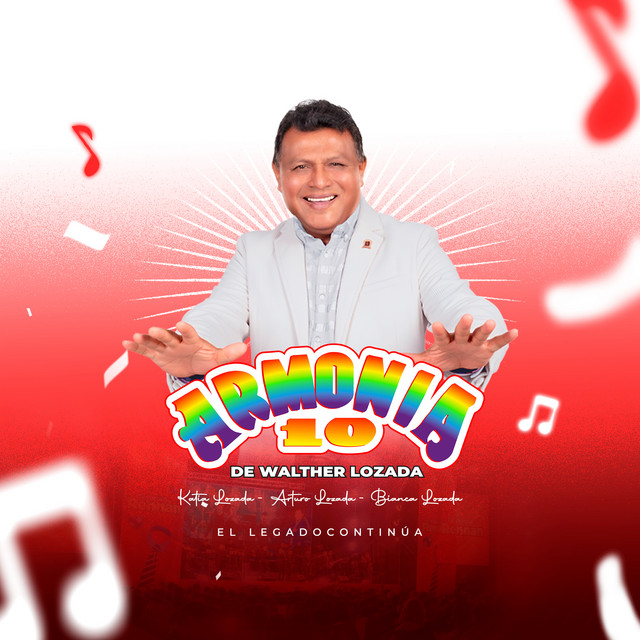
Armonía 10 de Walther Lozada
Chicha
Cumbia
Cumbia Norteña Mexicana
4
/5
La Bella Luz
Chicha
Huayno
Cumbia
Download our mobile app
Get the Melodigging app and start digging for new genres on the go
Download on the App Store
Get it on Google Play
© 2026 Melodigging
Give feedback
Legal
Melodding was created as a tribute to
Every Noise at Once
, which inspired us to help curious minds keep digging into music's ever-evolving genres.