Genres
Make Music
Artists
Albums
Challenges
Sign in
Sign in
Albums
By Chico Trujillo
Albums
By Chico Trujillo
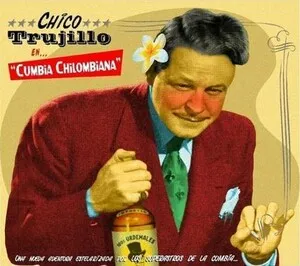
Cumbia chilombiana
March 23, 2006
Listen
1
/5
Genres
Nueva Cumbia Chilena
Nueva cumbia chilena is a 2000s revival and reinvention of cumbia in Chile that blends the classic Colombian-rooted rhythm with Chilean popular music traditions and contemporary urban sounds. It typically features brass-heavy arrangements, percussion-led grooves, and catchy call-and-response vocals, mixing influences from ska, rock, reggae, salsa, and local folk forms such as cueca. The scene arose in Santiago and Valparaíso, where bands reimagined cumbia for festivals, neighborhood parties, and large dance floors, emphasizing communal dancing, humor, social commentary, and a celebratory spirit. Though rooted in retro aesthetics, the style often incorporates modern production, big-band energy, and cosmopolitan touches (Balkan brass, ska-punk, and Latin alternative), making it a bridge between tradition and 21st‑century Latin urban culture.
Discover
Listen
Latin Alternative
Latin alternative is an umbrella term for genre-bending music made by Latin American and US Latino artists that sits outside mainstream Latin pop. It blends alternative and indie rock attitudes with Latin rhythmic vocabularies (cumbia, salsa, ska, reggae), hip hop, and electronic production. The style privileges experimentation, hybridity, and scene-driven authenticity rather than commercial formulas. Lyrics are often in Spanish (sometimes bilingual or Spanglish), and themes range from the personal and poetic to social and political commentary. The movement coalesced in the mid-to-late 1990s around U.S. media and festivals (e.g., LAMC), helping connect diverse scenes from Mexico, Argentina, Chile, Colombia, Puerto Rico, and beyond.
Discover
Listen
Cumbia Chilena
Cumbia chilena is the Chilean interpretation of cumbia that took root in the early 1960s and became a staple of fiestas, dancehalls, and popular radio. It blends the Colombian cumbia beat with the brass-driven sound of Chile’s tropical orchestras, creating an upbeat, party-ready style with catchy choruses and prominent horn riffs. Classic cumbia chilena is marked by trumpets and saxophones, bright major-key harmonies, güiro and conga patterns, timbales fills, and a driving electric bass “tumbao.” Later waves introduced romantic ballad sensibilities and pop polish, while the 2000s revival (often called “nueva cumbia chilena”) fused cumbia with ska, rock, and urban grooves, keeping the dancefloor spirit while updating textures and themes.
Discover
Listen
Chilean Music
Chilean music is an umbrella term for the diverse musical practices that developed in Chile, spanning rural folk traditions, urban popular music, and modern hybrid scenes. Its core pillars include the cueca (the national dance), the tonada chilena, and Andean-influenced folk, alongside later movements such as Nueva Canción Chilena, rock en español, cumbia chilena, indie pop/rock, hip hop, reggaetón, and experimental scenes. Forged at the crossroads of Indigenous (Mapuche and Andean), Iberian (Spanish folk and salon forms), and Afro-diasporic currents (via the zamacueca), Chilean music combines characteristic strummed guitars, the guitarrón chileno and paya traditions, Andean winds (quena, zampoña), cueca’s stamping rhythms and pandero hand drum, and poetic, socially conscious lyricism. In the 20th century it became a continental reference through Nueva Canción’s politically engaged songwriting and later through rock, pop, and urban genres that placed Chile on the global map.
Discover
Listen
Cumbia
Cumbia is a syncretic dance-music tradition from Colombia’s Caribbean coast that blends African rhythmic heritage, Indigenous (especially gaita flute) melodic practice, and Spanish colonial instrumentation and forms. Traditionally performed in a moderate 2/4 (often felt in 4/4 today), it features interlocking hand-drum parts (tambora, alegre, llamador), guacharaca or maracas for steady texture, and long cane flutes (gaita hembra and gaita macho) carrying call-and-response melodies. As it spread in the 20th century, orchestras and dance bands added accordion, horns, piano, bass, and later electric guitar and synthesizers, creating urban and pan–Latin American variants. Harmonically simple and rhythm-forward, cumbia places groove, ostinati, and vocal refrains at the center, making it both ceremonial in origin and enduringly popular on social dance floors across the Americas.
Discover
Listen
Similar albums
2008
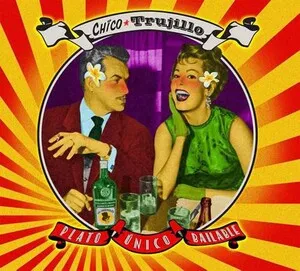
Plato único bailable
Chico Trujillo
2013
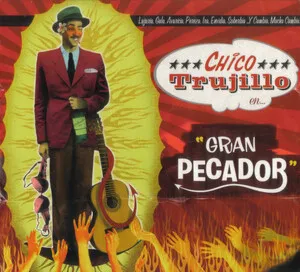
Gran pecador
Chico Trujillo
2018
Algún Día Volverás
Santaferia
2010
Cuerpo Repartido
Banda Conmoción
1989
Rei Momo
David Byrne
2025
Sochimix
Sochi
2011
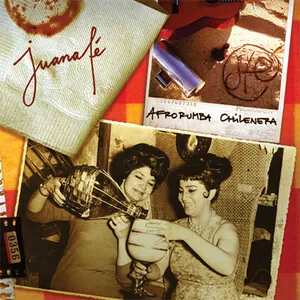
Afrorumba chilenera
Juana Fé
2015
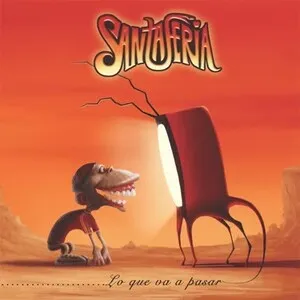
Lo que va a pasar
Santaferia
2017
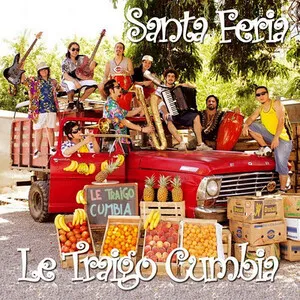
Le traigo cumbia
Santaferia
2012
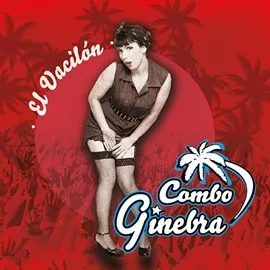
El Vacilón
Combo Ginebra
Download our mobile app
Get the Melodigging app and start digging for new genres on the go
Download on the App Store
Get it on Google Play
© 2026 Melodigging
Give feedback
Legal
Melodding was created as a tribute to
Every Noise at Once
, which inspired us to help curious minds keep digging into music's ever-evolving genres.