Genres
Artists
Albums
Make Music
Sign in
Sign in
Artists
Disco
Artists
Disco
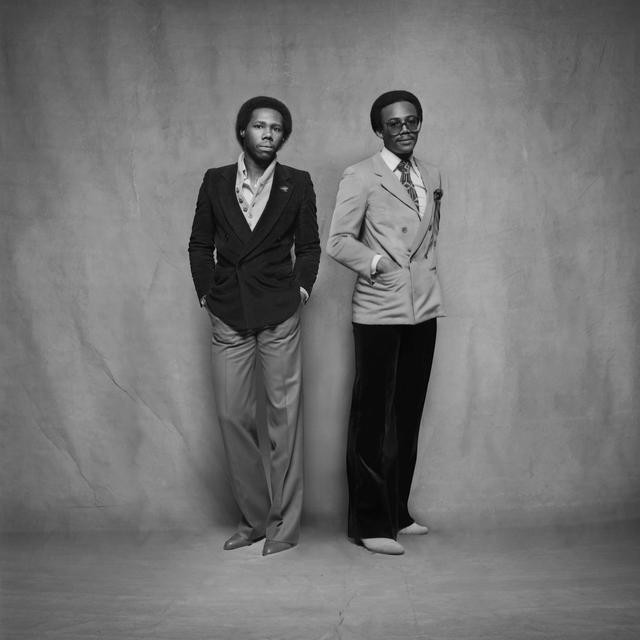
CHIC
1978–1979
·
2 albums
Listen
4
/5
Genres
Techengue
Techengue is a DJ-driven Latin club hybrid that fuses the four-on-the-floor pulse and sound design of tech house with the crowd-pleasing hooks, dembow syncopation, and edits culture of Argentine “cachengue” party music (a catch‑all for reggaeton, cumbia, and mainstream sing‑alongs). Typically sitting around 124–130 BPM, it keeps a steady 4/4 kick, adds reggaeton-style offbeat claps and ghost snares, and sprinkles Latin percussion (congas, timbales, güira) for swing and texture. Vocals are often short, catchy Spanish chants or chopped acapellas from pop, reggaeton, or cumbia, treated with DJ-friendly builds and drops. Rather than an album-based artist scene, techengue grows through bootlegs, mashups, and set-ready edits shared by club DJs, optimized for peak-time energy and seamless mixing.
Discover
Listen
Chill Pop
Chill pop is a contemporary pop micro‑genre that blends radio‑friendly songwriting with the mellow textures of chillout and lo‑fi aesthetics. It favors soft vocals, smooth synths, clean guitar plucks, understated bass, and relaxed, mid‑tempo grooves. Instead of big, bombastic hooks, chill pop tends toward intimate, conversational melodies and minimal, airy arrangements. Production often borrows from bedroom pop and alternative R&B—subtle trap hi‑hats, warm saturation, roomy reverbs, and gentle side‑chain compression—to create a breezy, pastel sound palette well suited to playlists and late‑night listening. Lyrically, chill pop is introspective and relatable: romance, longing, gentle optimism, and coming‑of‑age themes delivered in a plain‑spoken, whisper‑close tone. The result sits between indie pop’s understated cool and mainstream pop’s catchy structures, optimized for the streaming era’s mood‑driven consumption.
Discover
Listen
Indie Pop Rap
Indie pop rap blends the melodic hooks and DIY aesthetic of indie pop with conversational, often introspective rap delivery. The production favors warm, guitar- or synth-led beats, understated drums, and lo‑fi textures over bombastic trap maximalism. Lyrically, it leans personal and relatable—relationships, coming of age, mental health, and day-to-day vignettes—delivered in a half-sung, half-rapped style. The sound was shaped by bedroom producers and the streaming era, where low-stakes, catchy songs with intimate vocals thrive on playlists and social media.
Discover
Listen
Deep Funk Ostentacao
Deep funk ostentação is a moody, late‑night variant of São Paulo’s funk ostentação, emphasizing deeper sub‑bass, sparse percussion, and atmospheric pads while retaining the genre’s themes of luxury, status, and upward mobility. Compared with the brighter, EDM‑leaning hits of ostentação in the early 2010s, the “deep” approach strips arrangements down to hypnotic tamborzão grooves, 808 low‑end, and minimal, minor‑key synth motifs. Vocals often sit closer to the beat, with autotune and chant‑like hooks, but the lyrical focus remains on conspicuous consumption (cars, brands, nightlife) filtered through a more introspective, nocturnal aesthetic.
Discover
Listen
Deep Deep House
Deep deep house is a late-evolution branch of deep house that emphasizes warmth, space, and subtlety over overt hooks or peak-time energy. Compared with classic deep house, it leans even more toward minimal, dub-inflected textures, extended harmonies, and long atmospheric tails. Tracks typically feature understated yet weighty low end, soft Rhodes or pad chords rich in 7ths/9ths, lightly swung percussion, and carefully sculpted ambience. The mood is intimate and immersive—club music that invites close listening as much as dancing—often suited to small rooms, lounges, after-hours sets, and sunset/sunrise moments.
Discover
Listen
Erotik
Erotik is a German-language audio genre centered on erotic storytelling, narration, and audio drama. Rather than songs, its core works are spoken-word performances—often duet or ensemble radio-play style—with sensual Foley, ambient beds, and intimate vocal delivery that aims to evoke desire and immersion. The genre spans short-form vignettes to long-form serialized narratives. Production ranges from dry, close-miked voices to richly designed soundscapes with binaural techniques, ASMR-inspired whispering, and suggestive environmental cues (bedsheets, footsteps, city nights). Releases appear on streaming platforms alongside music and audiobooks, typically tagged for adult audiences.
Discover
Listen
Deep Groove House
Deep Groove House is a modern house substyle centered on thick, rolling basslines, swung percussion, and soulful or disco-leaning motifs delivered with contemporary club production. It balances the warmth and musicality of classic and deep house with the punch and arrangement sensibilities of present-day tech-leaning club music. Hallmarks include a steady 4/4 kick (typically 122–126 BPM), syncopated bass grooves that drive the track rather than sit under it, crisp hi-hats with subtle swing, and tasteful use of organ stabs, piano chords, and filtered disco/funk samples. Vocals—when present—tend to be hooky but restrained, often chopped or looped to reinforce the groove rather than dominate it. As a playlist and DJ vernacular label, Deep Groove House crystallized around the 2010s, especially in UK- and EU-facing club culture, online stores, and label ecosystems that favored groove-first, dancefloor-ready house with deep and classic roots.
Discover
Listen
Ghetto Funk
Ghetto funk is a mid‑tempo, breakbeat-driven style that fuses classic funk, soul, and disco samples with modern bass music sound design. It typically sits around 100–112 BPM and pairs swinging drum breaks with chunky, wobbling basslines and hip‑hop style vocal chops. Emerging from the UK’s breaks and nu‑funk scenes, the genre celebrates crate‑digging aesthetics—horn stabs, guitar licks, talkbox hooks—while using contemporary production tools like aggressive saturation, multiband compression, and LFO‑modulated bass. The result is party‑ready, DJ‑friendly tracks that feel both retro and fresh: the attitude of hip hop, the groove of funk, and the weight of modern bass music.
Discover
Listen
Erotic Product
Erotic product is a functional, mood-driven umbrella for sensual background music curated for intimate ambience—think candle-lit lounge cues, velvety downtempo grooves, and slow, sultry instrumentals designed to stay out of the way while setting a seductive tone. Stylistically it blends the silkiness of smooth jazz and lounge with the atmospheric pulse of trip‑hop, chillout, and ambient. Tempos are slow to mid-slow, bass is round and tactile, keys are warm (Rhodes, pads), and leads often come from breathy vocals, saxophone, muted trumpet, or nylon‑string guitar. Production favors soft transients, tape‑like saturation, lush reverbs, and gentle filters. The tag emerged and proliferated in the streaming era as a descriptive label used by stock/catalog producers, DSP playlist editors, and background‑music libraries to signal music optimized for romance, intimacy, massage/spa environments, and late-night listening.
Discover
Listen
Italo Beats
Italo beats is a contemporary, club-oriented offshoot of the classic Italian Italo sound, fusing the sleek melodicism of 1980s Italo disco with the punch and polish of modern European dance music. Typical tracks feature four-on-the-floor drums, bright synth leads, rubbery basslines, and hook-forward vocals that lean into romantic or nightlife themes. Rather than being a strict historical movement, Italo beats functions as a modern production style and DJ vernacular that revives Italo’s earworm melodies and neon textures while adopting current mixdown aesthetics (sidechained pads, wider stereo imaging, and festival-ready low end). It thrives in streaming-era dance culture, uniting Italian, Central/Eastern European, and broader EU producers around a recognizable “Italo-flavored” club sound.
Discover
Listen
Mega Funk
Mega funk is a recent branch of Brazilian funk that pushes the sound toward heavier, darker, and more minimal club drops. Tracks are typically built around a slow-to-mid tempo groove (roughly 100–120 BPM), with huge, overdriven 808 sub-bass slides, clipped kicks, and sparse, percussive hits. The style favors short vocal chops, catchphrases, and meme-ready hooks over full verses, often processed with pitch/formant shifting and aggressive compression to cut through massive systems. Arrangements borrow EDM-style build–drop dynamics, but keep the raw drum DNA of funk carioca and the car-audio emphasis of funk automotivo. The result is a dancefloor-oriented, high-impact sound engineered to shake speakers as much as bodies.
Discover
Listen
Dance-Pop
Dance-pop is a mainstream-oriented pop style built for both radio and the dancefloor. It blends hook-driven songwriting with club-ready rhythms, typically using a steady four-on-the-floor kick, bright synthesizers, and punchy, polished production. Tempos usually sit in the 110–128 BPM range, and arrangements emphasize memorable choruses, clear verses and pre-choruses, and concise structures suitable for radio edits. Compared with club genres like house or techno, dance-pop prioritizes song form, vocal presence, and accessible harmonies, while still retaining an energetic groove. The sound palette often includes layered synths, sampled or electronic drums, tight bass lines, ear-catching toplines, and modern production techniques such as sidechain compression and stacked vocal harmonies.
Discover
Listen
Disco
Disco is a dance-music genre and nightlife subculture that crystallized in the United States during the 1970s, drawing especially from African-American, Italian-American, Latino, and queer club communities. Musically, disco is typified by a steady four-on-the-floor kick drum, syncopated and melodic electric-bass lines, lush string sections, bright brass and horns, electric pianos and synthesizers, and percussive, choppy rhythm guitars. Arrangements often feature orchestral colors, handclaps, congas, and vibraphone or bell textures, all engineered to deliver a continuous, groove-forward experience for the dance floor. The style combines the rich orchestration and romantic sweep of Philadelphia soul with the bottom-end drive of funk and the songcraft of contemporary R&B/pop, delivered in DJ-friendly extended mixes and 12-inch singles designed for club play.
Discover
Listen
Funk
Funk is a rhythm-forward African American popular music style that centers on groove, syncopation, and interlocking parts. Rather than emphasizing complex chord progressions, funk builds tight, repetitive vamps that highlight the rhythm section and create an irresistible dance feel. The genre is marked by syncopated drum patterns, melodic yet percussive bass lines, choppy guitar "chanks," punchy horn stabs, call‑and‑response vocals, and a strong backbeat. Funk’s stripped-down harmony, prominent use of the one (accenting the downbeat), and polyrhythmic layering draw deeply from soul, rhythm and blues, jazz, gospel, and African rhythmic traditions. From James Brown’s late-1960s innovations through the expansive P-Funk universe and the slicker sounds of the 1970s and 1980s, funk has continually evolved while seeding countless other genres, from disco and hip hop to house and modern R&B.
Discover
Listen
R&b
R&B (Rhythm and Blues) is a vocal- and groove-centered popular music tradition that blends blues tonality, jazz harmony, and gospel-inflected singing with a steady backbeat. It emphasizes expressive lead vocals, call-and-response, lush harmonies, and danceable rhythms. From its 1940s roots in African American communities to its later evolutions, R&B has continually absorbed and reshaped surrounding sounds—from jump blues and swing in the early days to soul, funk, hip hop, and electronic production in the contemporary era. Today, R&B ranges from intimate, slow-burning ballads to club-ready tracks, all tied together by a focus on feel, melody, and vocal performance.
Discover
Listen
Electronic
Electronic is a broad umbrella genre defined by the primary use of electronically generated or electronically processed sound. It encompasses music made with synthesizers, drum machines, samplers, computers, and studio/tape techniques, as well as electroacoustic manipulation of recorded or synthetic sources. The genre ranges from academic and experimental traditions to popular and dance-oriented forms. While its sonic palette is rooted in electricity and circuitry, its aesthetics span minimal and textural explorations, structured song forms, and beat-driven club permutations. Electronic emphasizes sound design, timbre, and studio-as-instrument practices as much as melody and harmony.
Discover
Listen
Show all 16 genres
Albums
1979
4
/5
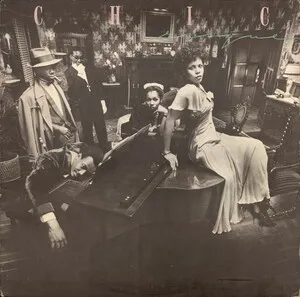
Risqué
Chic
Disco
1978
4
/5
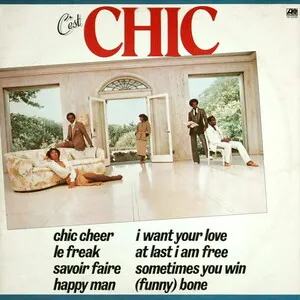
C'est Chic
Chic
Disco
Funk
Similar artists
4
/5
Prince
Funk
Minneapolis Sound
Synth Funk
5
/5
Michael Jackson
Soul
Pop
Contemporary R&b
4
/5
Earth, Wind & Fire
Disco
Funk
Soul
4
/5
Kool & The Gang
Disco
Funk
Motown
1
/5
Various Artists
Afro-Funk
Alternative Rock
Ambient
4
/5
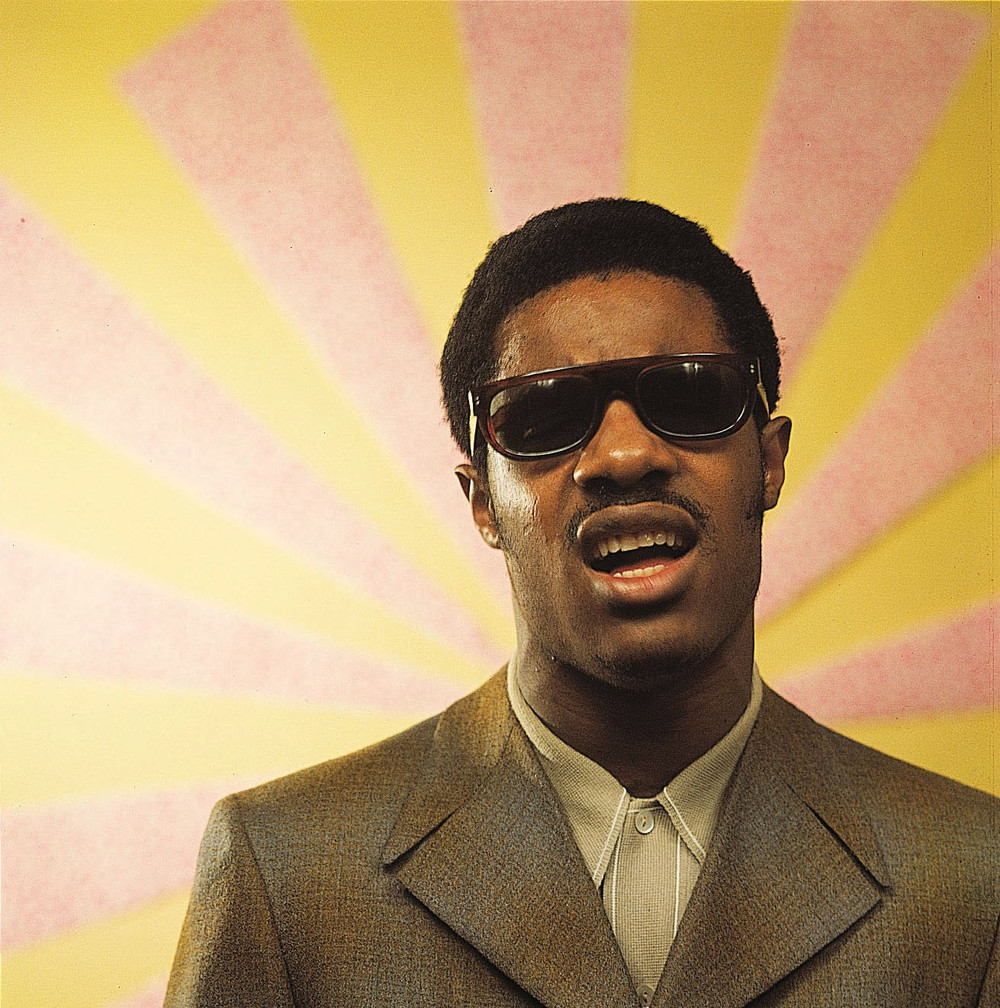
Stevie Wonder
Soul
Funk
Motown
4
/5
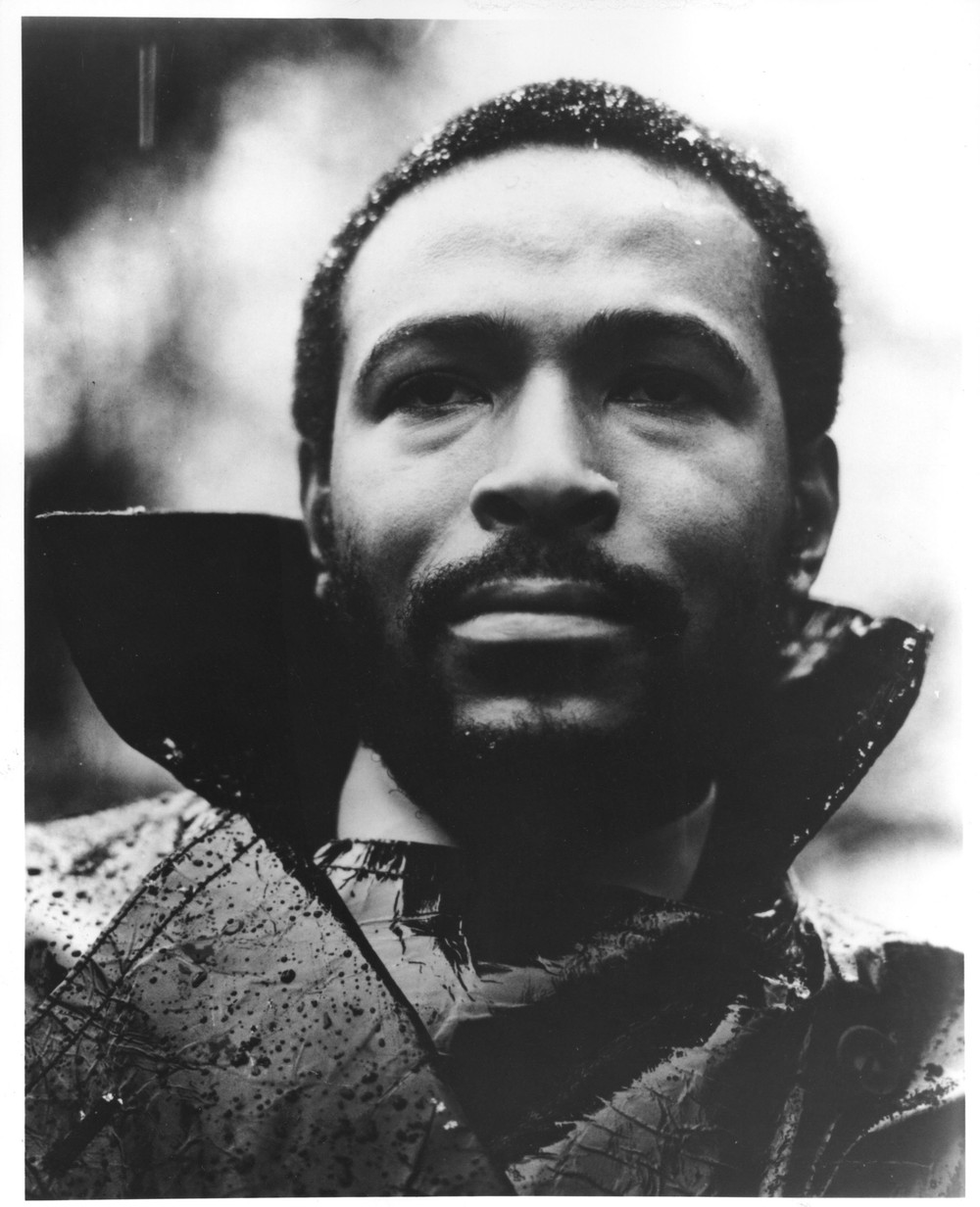
Marvin Gaye
Motown
Soul
Northern Soul
5
/5
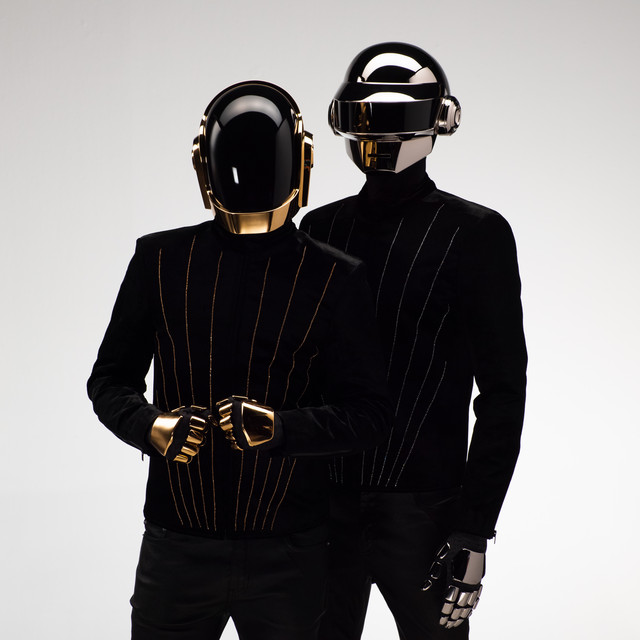
Daft Punk
Electronic
Filter House
Electro
5
/5
Calvin Harris
Electro House
Progressive House
Electronic
5
/5
Elton John
Adult Contemporary
Ectofolk
Piano Rock
Download our mobile app
Get the Melodigging app and start digging for new genres on the go
Download on the App Store
Get it on Google Play
© 2026 Melodigging
Give feedback
Legal
Melodding was created as a tribute to
Every Noise at Once
, which inspired us to help curious minds keep digging into music's ever-evolving genres.