Genres
Artists
Albums
Make Music
Sign in
Sign in
Artists
Chamber Music
Artists
Chamber Music
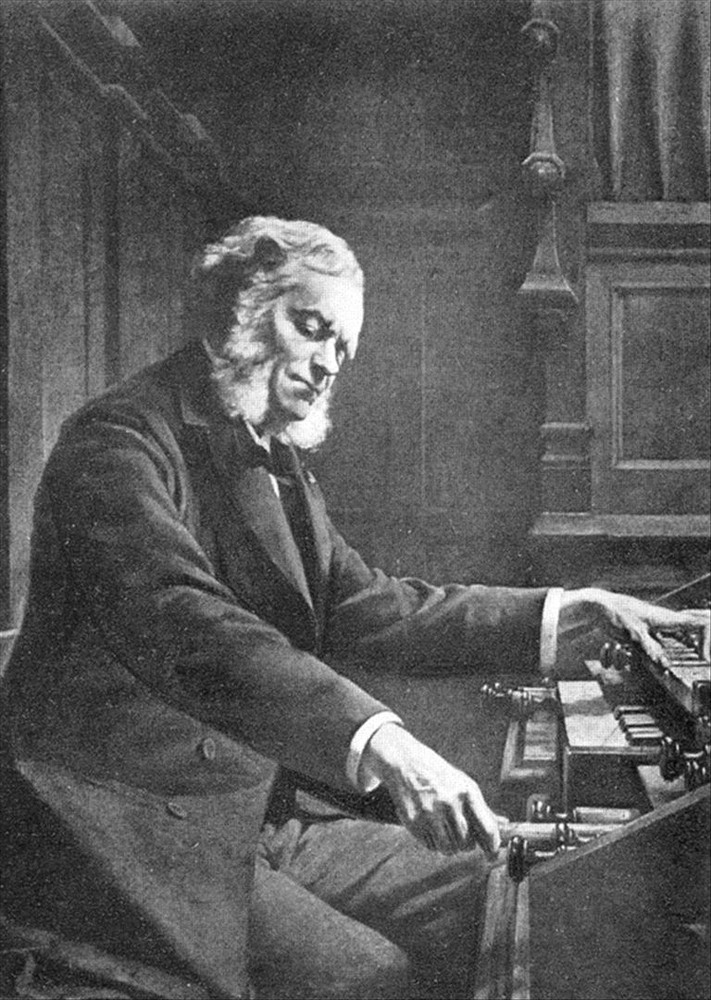
César Franck
1960–2022
·
4 albums
Listen
3
/5
Genres
Historic Classical Performance
Historic classical performance (often aligned with the historically informed performance movement) is an approach to playing Western art music using the instruments, techniques, tunings, ensemble sizes, and stylistic conventions of the period in which the music was written. Rather than treating the score as a fixed, modern object, it treats it as a set of historically situated instructions, illuminated by treatises, original instruments, performance traditions, and the acoustics and rhetorical aims of past eras—from Medieval and Renaissance repertories through Baroque, Classical, and early Romantic music. The result emphasizes clarity of texture, speech‑like articulation, dance rhythms, improvised embellishment, and timbral colors native to gut strings, natural brass, wooden flutes, historical keyboards, and other period forces.
Discover
Listen
Production Music
Production music (also called library or stock music) is music created specifically for licensing in film, television, radio, advertising, games, and online media rather than for retail release. It is organized in catalogues by mood, style, tempo, and usage, making it quick for editors and producers to find suitable cues. Stylistically, production music is highly diverse. It spans orchestral and light music traditions, jazz, lounge, rock, funk, and contemporary electronic idioms, but is unified by functional design: clear edit points, modular structure, alternate mixes, and versions tailored to typical broadcast durations. Successful cues balance memorability with unobtrusiveness so they can support narrative, voice-over, and sound design without distracting from them.
Discover
Listen
Baltic Classical Piano
Baltic classical piano refers to the concert and art‑music piano tradition that arose across Lithuania, Latvia, and Estonia and gradually formed a recognizable regional aesthetic. Stylistically, it blends late‑Romantic and early‑modern concert writing with indigenous folk modality (daina/regilaul traditions), clear melodic profiles, and a strong sense of landscape and stillness. In the 20th century it absorbed both impressionistic color and, later, austere spiritual minimalism, yielding piano music that can move from national‑romantic lyricism and dance inflections to bell‑like, meditative textures. The performance style prizes singing tone, carefully shaped voicing, transparent pedaling, and refined dynamic shading—often suggesting bells, chimes, wind, and sea imagery typical of the Baltic cultural imagination.
Discover
Listen
Historic Orchestral Performance
Historic orchestral performance refers to orchestral interpretations captured in the early era of recording (acoustic and early electrical) and the mid‑20th‑century high‑fidelity mono/stereo decades. It documents the living performance traditions of late‑Romantic and early modern conductors and orchestras, heard before the later codification of standardized "international" styles. These performances are characterized by flexible tempo (agogic shaping), pronounced rubato, portamento in string sections, varied vibrato practices, vivid dynamic terracing, and spontaneous phrasing. Because they were recorded with period technologies—from horn/acoustic and single‑microphone electrical set‑ups to early tape and stereo—the sound image is historically specific (limited bandwidth, mono focus, period halls, and broadcast acoustics). The genre is valued both as musical testimony and as a reference for historically grounded orchestral style.
Discover
Listen
Impressionism
Impressionism in music is a late-19th- and early-20th-century style that prioritizes color, atmosphere, and suggestion over overt drama and functional harmonic progressions. Originating in France, it parallels the visual arts movement in its fascination with light, timbre, and fleeting impressions. Musically, the style favors modal, pentatonic, and whole‑tone materials; parallel (planed) chords; unresolved dissonances; and ambiguous tonal centers. Rhythms are flexible and often blur a sense of strong meter, while textures shimmer through delicate orchestration, pedal tones, and arpeggiated figures. Rather than strict sonata designs, impressionist works tend to be episodic, evocative, and programmatic, conjuring landscapes, water, night, and dreamlike states.
Discover
Listen
Romantic Classical
Romantic classical (Romantic-era) music is the 19th‑century phase of Western art music in which expression, individuality, and imagination came to the fore. Composers expanded the orchestra, embraced chromatic harmony and bold modulations, and favored long‑breathed, emotive melodies. Aligned with the wider Romantic movement in literature and the arts, it prized the subjective—love, nature, the supernatural, nationalism, and the sublime—often through programmatic narratives. New and transformed genres (the symphonic poem, grand opera, the art song/Lied, concert overtures) coexisted with reimagined Classical forms (symphony, sonata, concerto) that grew in scale and harmonic daring. From ca. 1800 through the early 20th century, Romantic music stretched from Beethoven’s heroic style and Schubert’s lyricism to Wagner’s leitmotivic dramas and Tchaikovsky’s symphonic ballet-infused language, culminating in late-Romantic gigantism and post-Romantic continuations.
Discover
Listen
Orkiestra Symfoniczna
“Orkiestra symfoniczna” (symphony orchestra) is a large acoustic ensemble built around four families of instruments—strings, woodwinds, brass, and percussion—often augmented by harp, keyboards (celesta, piano), and occasionally chorus. A typical symphony orchestra ranges from about 70 to 100+ players. Strings (first and second violins, violas, cellos, double basses) form the core; woodwinds (flutes/piccolo, oboes/English horn, clarinets/bass clarinet, bassoons/contrabassoon), brass (horns, trumpets, trombones, tuba), and percussion (timpani plus color percussion) provide color, power, and rhythmic drive. A conductor coordinates interpretation, balance, and ensemble. The orchestra’s repertoire spans the Classical era through Romantic symphonic canvases, 20th‑century modernism, film and media scoring, and contemporary concert music. Its sound is characterized by wide dynamic range, layered textures, and an unmatched capacity for timbral blending and dramatic contrast.
Discover
Listen
Chamber Music
Chamber music is a tradition of composed music for small ensembles—typically one player per part—intended for intimate spaces such as courts, salons, and private rooms rather than large public halls. Its aesthetic emphasizes clarity of texture, conversational interplay among parts, and balance without a conductor. Hallmark formations include the string quartet, piano trio, wind quintet, string quintet, and various mixed ensembles. Multi‑movement cycles (often in sonata form) and finely wrought counterpoint are common, ranging from Baroque trio sonatas to Classical string quartets and modern works with expanded timbres and techniques. Because of its scale and transparency, chamber music has long been a proving ground for compositional craft and ensemble musicianship, shaping the core of Western art music from the Baroque through the present.
Discover
Listen
Classical
Classical music is the notated art-music tradition of Europe and its global descendants, characterized by durable forms, carefully codified harmony and counterpoint, and a literate score-based practice. The term “classical” can refer broadly to the entire Western art-music lineage from the Medieval era to today, not just the Classical period (c. 1750s–1820s). It privileges long-form structures (such as symphonies, sonatas, concertos, masses, and operas), functional or modal harmony, thematic development, and timbral nuance across ensembles ranging from solo instruments to full orchestras and choirs. Across centuries, the style evolved from chant and modal polyphony to tonal harmony, and later to post-tonal idioms, while maintaining a shared emphasis on written notation, performance practice, and craft.
Discover
Listen
Show all 9 genres
Albums
2022
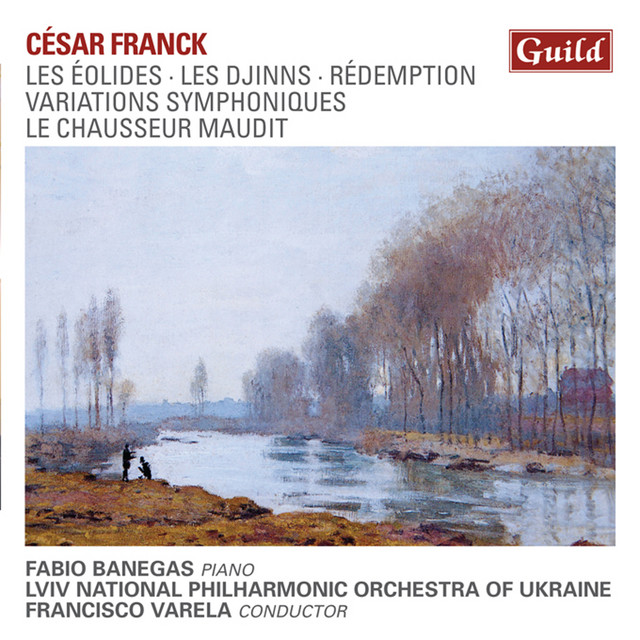
Cesar Franck Orchestral Works
César Franck, Lviv National Philharmonic Symphony Orchestra, Francisco Varela,…
Orkiestra Symfoniczna
2006
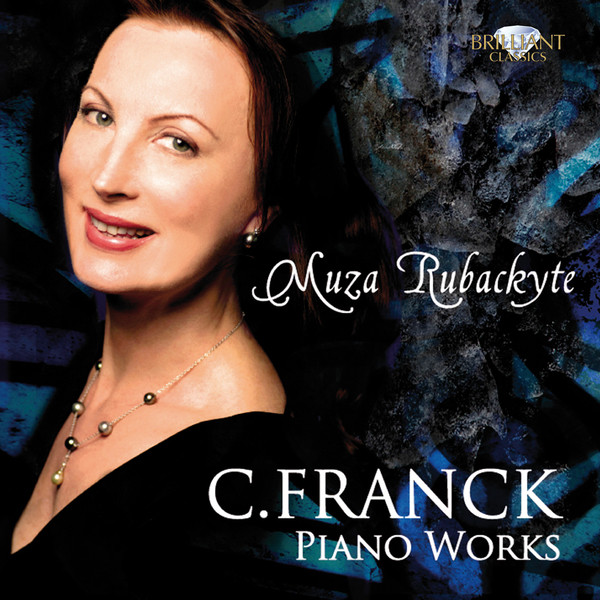
Franck: Piano Works
César Franck, Mūza Rubackytė
Baltic Classical Piano
1961
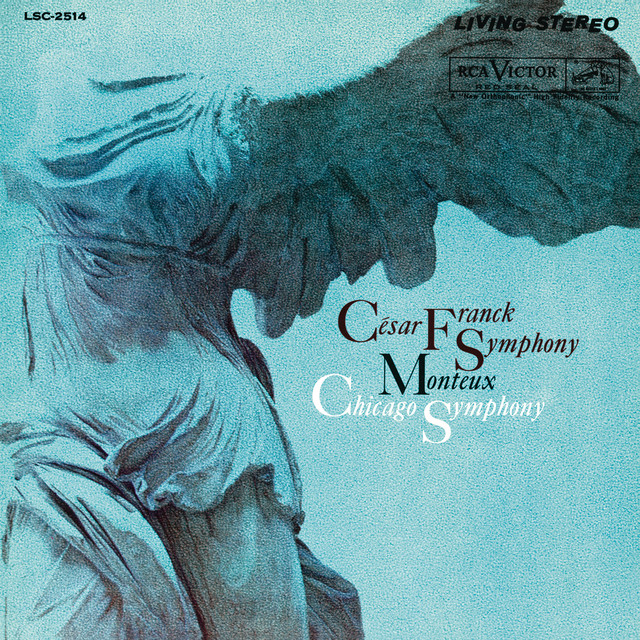
Franck: Symphony in D Minor
César Franck, Pierre Monteux, Chicago Symphony Orchestra
Historic Orchestral Performance
1960
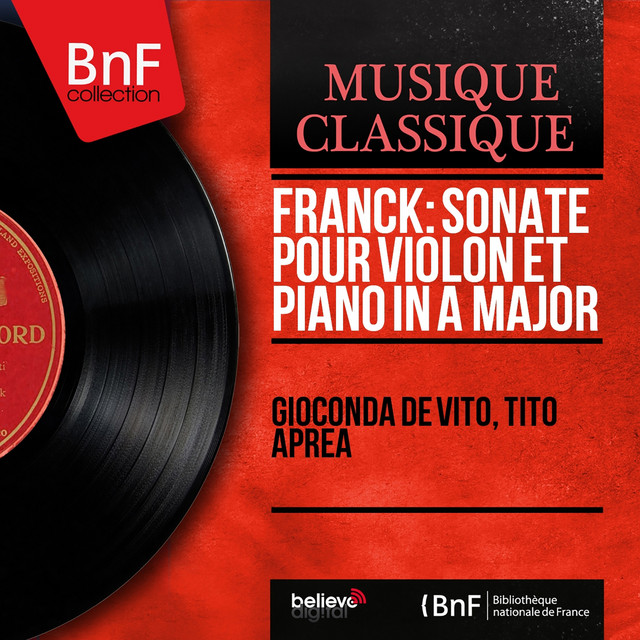
Franck: Sonate pour violon et piano in A Major (Mono Version)
César Franck, Gioconda De Vito, Tito Aprea
Historic Classical Performance
Similar artists
4
/5
Johann Sebastian Bach
Baroque
Classical
Baroque Suite
3
/5
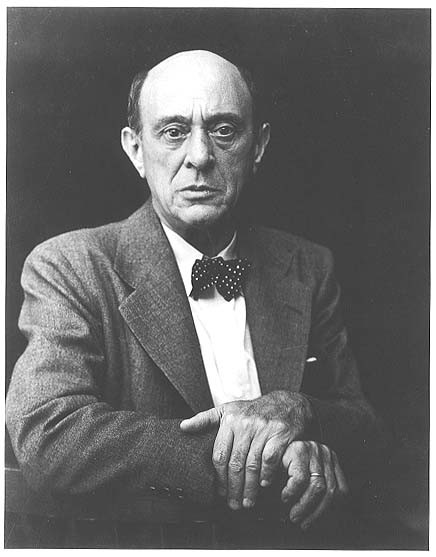
Arnold Schoenberg
Expressionism
Second Viennese School
Serialism
4
/5
Berliner Philharmoniker
Classical
Symphony
Romantic Classical
4
/5
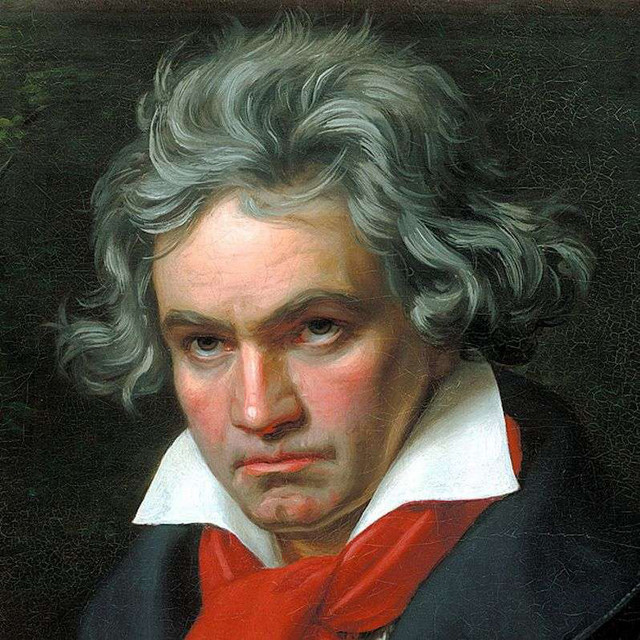
Ludwig van Beethoven
Classical
Classical Period
Romantic Classical
3
/5
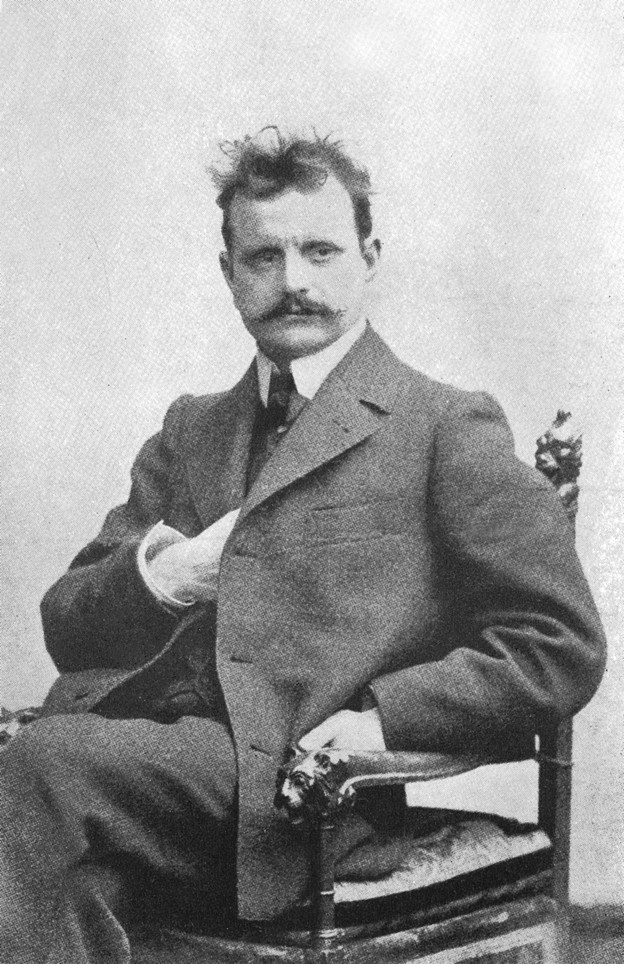
Jean Sibelius
Nordic Classical Piano
Concerto
Classical
4
/5
Daniel Barenboim
Impressionism
Classical
Chamber Music
3
/5
Martha Argerich
Classical
Classical Performance
Concerto
3
/5
Vladimir Ashkenazy
Concerto
Chamber Music
Classical
3
/5
Renaud Capuçon
Chamber Music
Classical
Concerto
3
/5
Lucas Debargue
Baroque
Chamber Music
Classical
Download our mobile app
Get the Melodigging app and start digging for new genres on the go
Download on the App Store
Get it on Google Play
© 2026 Melodigging
Give feedback
Legal
Melodding was created as a tribute to
Every Noise at Once
, which inspired us to help curious minds keep digging into music's ever-evolving genres.