Genres
Artists
Albums
Make Music
Sign in
Sign in
Artists
Barockinterpreten
Artists
Barockinterpreten
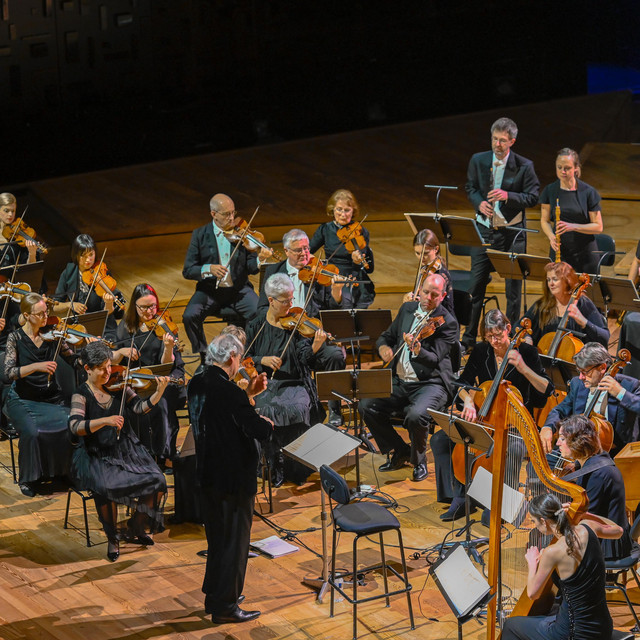
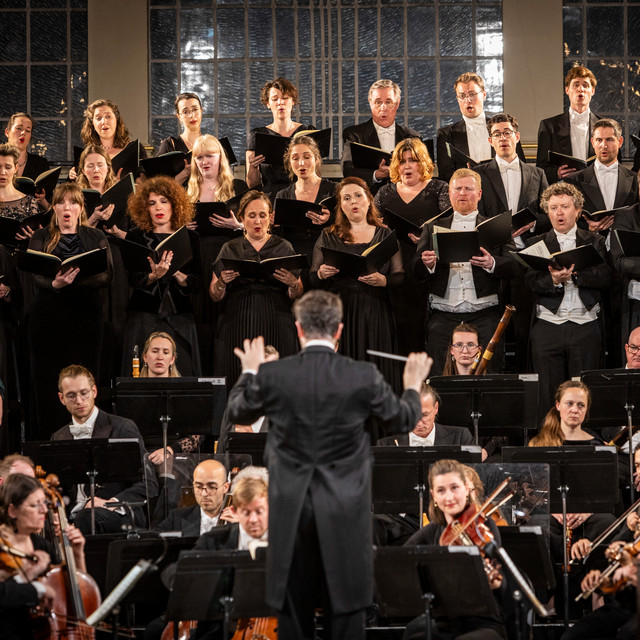
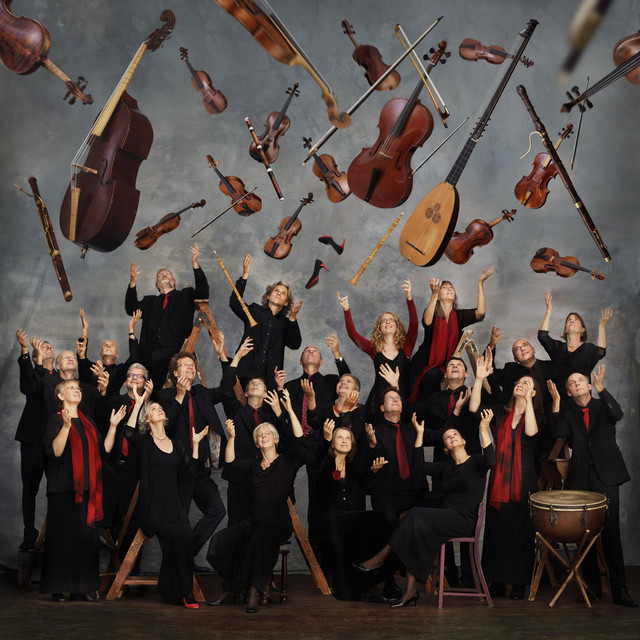
Capricornus Consort Basel
2018–2022
·
2 albums
Listen
1
/5
Genres
Barockinterpreten
Barockinterpreten (German for “Baroque interpreters”) is a performer-focused category within Western classical that centers on historically informed performances (HIP) of 17th–18th century Baroque repertoire. It emphasizes period instruments, historical tunings, and style-sensitive articulation and ornamentation. Typical recordings feature smaller, agile ensembles, vivid rhythmic profiles (often derived from courtly dances), and continuo-led textures. Tempi, articulation, and dynamics aim for rhetorical clarity, with vibrato treated as an expressive ornament rather than a constant. The result is an energetic, transparent, and dance-inflected sound that contrasts with the heavier, Romantic-influenced Baroque of the mid-20th century mainstream.
Discover
Listen
Classical Countertenor
The classical countertenor is a male singing voice that utilizes a developed falsetto or head voice technique to sing in the alto, mezzo-soprano, or soprano range, typically spanning from G3 to E5 or F5. Historically associated with the 'contratenor altus' line in early polyphony and later the English cathedral tradition, the modern genre emerged as a solo art form in the mid-20th century. It is characterized by a pure, often vibrato-less, and ethereal tone that distinguishes it from female voices in the same range. While the repertoire is heavily rooted in the Baroque era (originally written for castrati), the genre has expanded to include Renaissance lute songs, contemporary classical compositions, and art songs.
Discover
Listen
Baroque Singing
Baroque singing is the vocal practice of the Baroque era (c. 1600–1750), centered on expressive text delivery, rhetorical phrasing, and codified ornamentation. It grew from the shift toward solo song with continuo (monody) and the burgeoning of opera, cantata, and oratorio. Stylistically, it balances two complementary worlds: declamatory recitative (to advance text and drama) and highly ornate aria (to display beauty and virtuosity). Singers employ trills, appoggiaturas, mordents, properly prepared cadential trills, messa di voce, passaggi (rapid runs), and extempore diminutions—always guided by the words’ meaning and Baroque “affects.” Performance practice emphasizes clear diction, flexible but discreet vibrato (often a predominantly straight tone with vibrato as ornament), historically-informed tempi and articulation, and continuo-led textures (harpsichord, theorbo, organ, cello/violone). Pitch and temperament are often historical (e.g., A≈415). Treatises by Caccini, Tosi, and Mancini remain core references for technique, style, and ornamentation.
Discover
Listen
Albums
2022
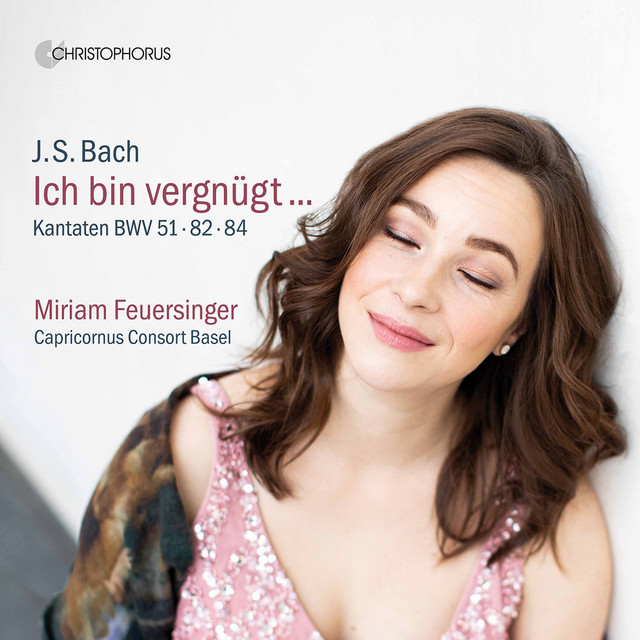
Ich bin vergnügt… Kantaten, BWV 51·82·84
J.S. Bach; Miriam Feuersinger, Capricornus Consort Basel
Barockinterpreten
Baroque Singing
2018
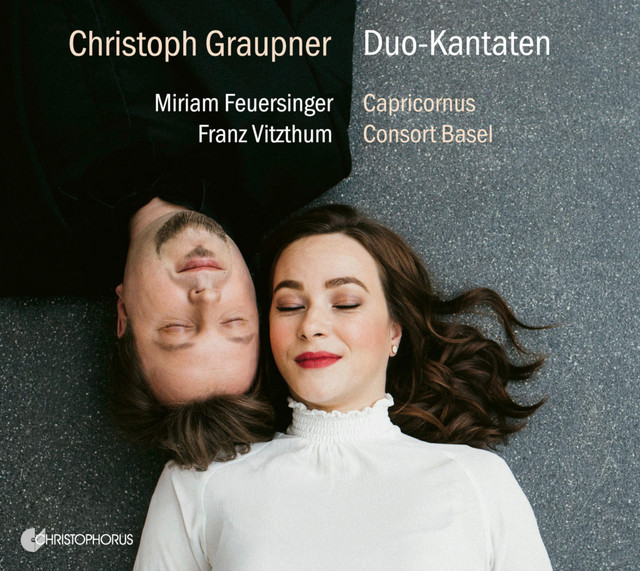
Duo-Kantaten
Christoph Graupner; Miriam Feuersinger, Franz Vitzthum, Capricornus Consort Bas…
Classical Countertenor
Similar artists
4
/5
Johann Sebastian Bach
Baroque
Classical
Baroque Suite
4
/5
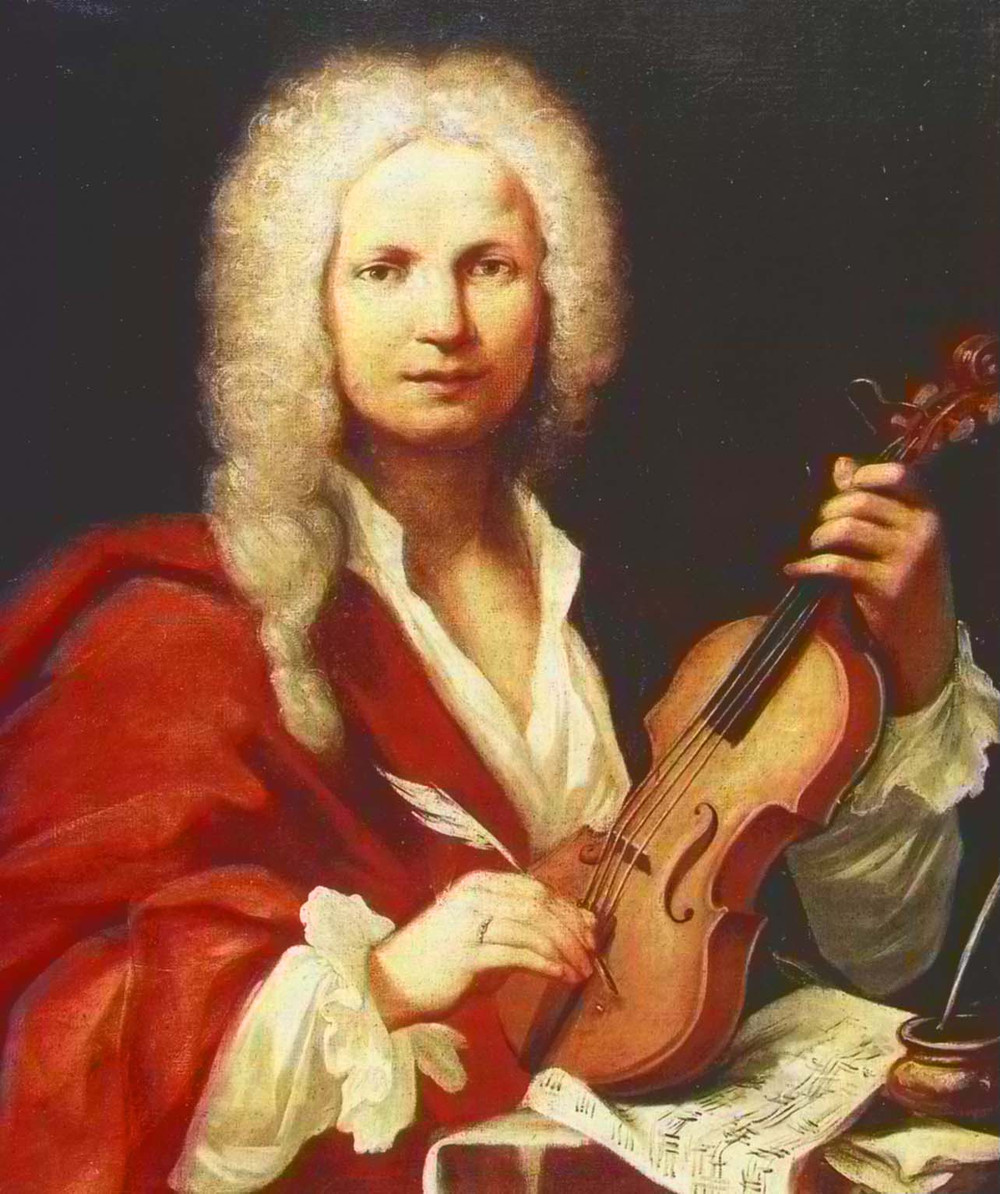
Antonio Vivaldi
Baroque
Classical
Opera Seria
4
/5
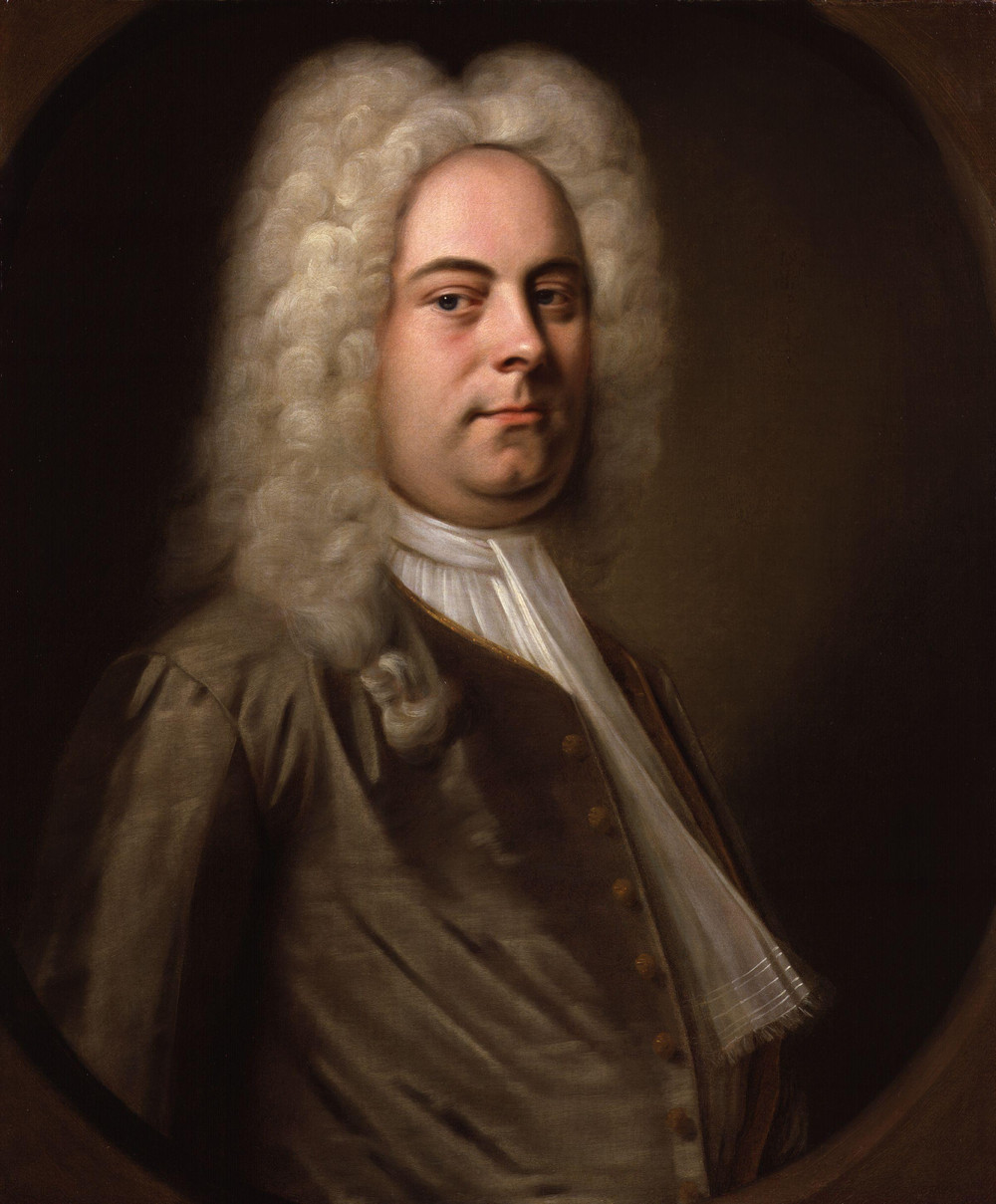
George Frideric Handel
Classical
Opera Seria
Classical Countertenor
4
/5
Wolfgang Amadeus Mozart
Classical
Requiem
Classical Period
3
/5
John Eliot Gardiner
Baroque
Classical
Choral
3
/5
English Baroque Soloists
Baroque
Classical
Choral
3
/5
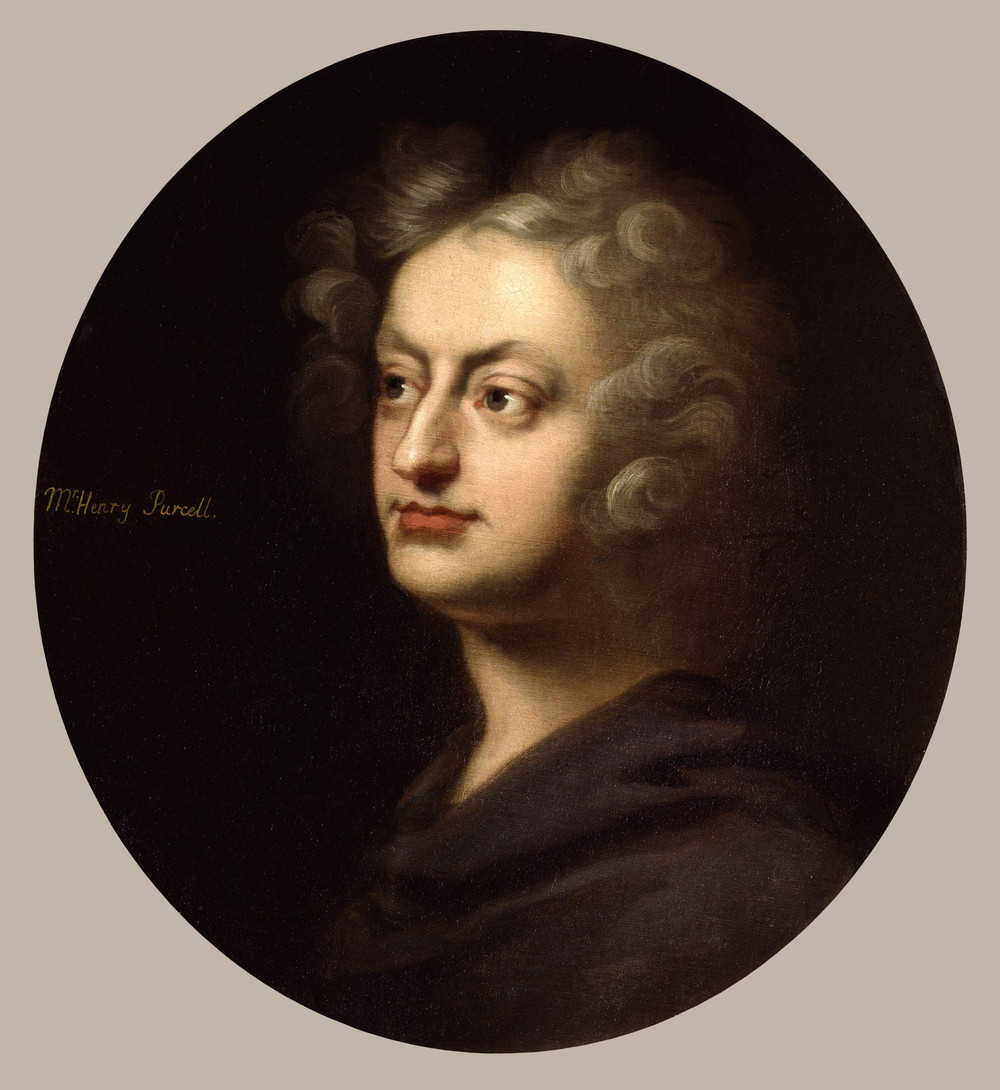
Henry Purcell
Classical
Fantasia
Baroque
3
/5
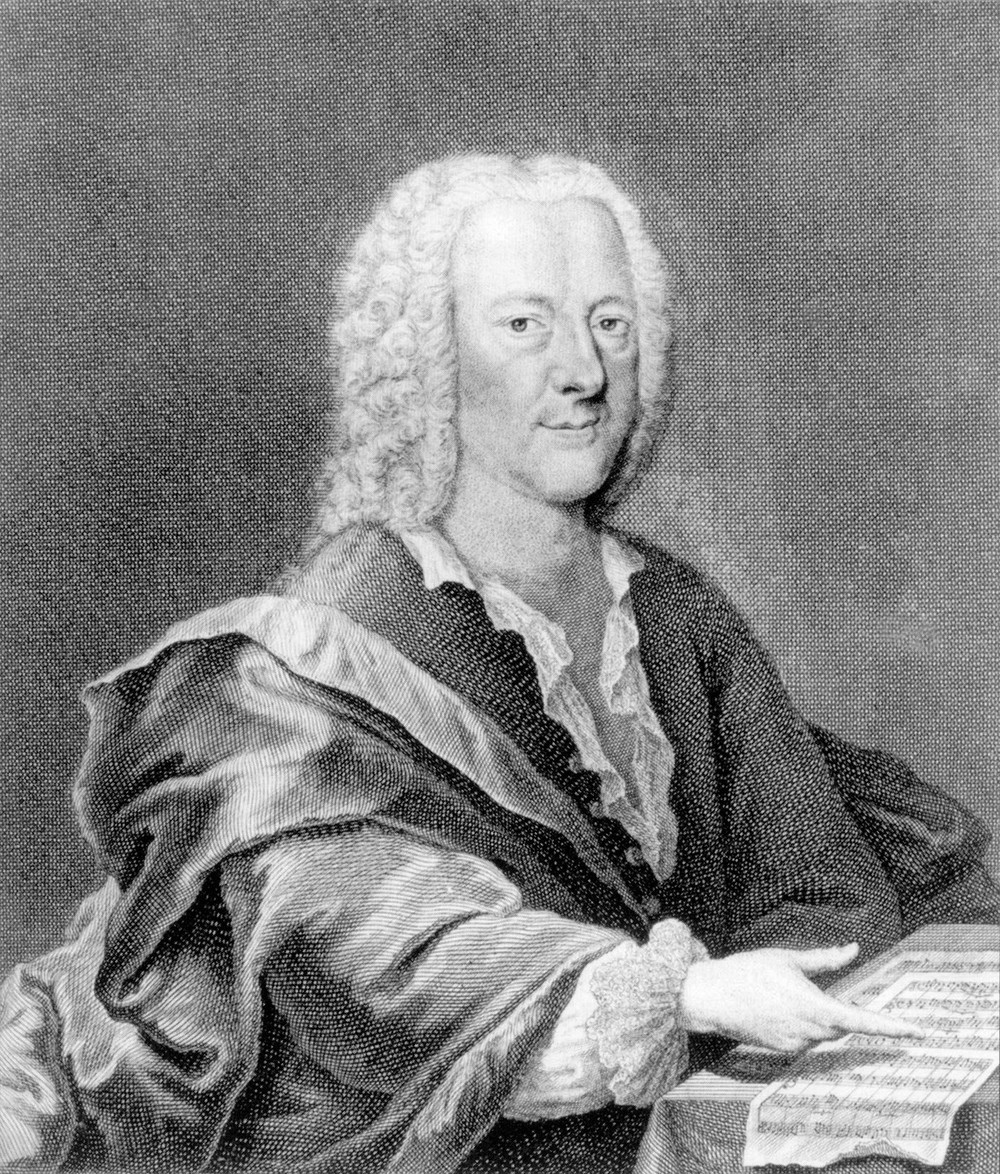
Georg Philipp Telemann
Baroque Woodwind
Fantasia
Recorder
3
/5
Monteverdi Choir
Baroque
Choral
Classical
3
/5
Akademie für Alte Musik Berlin
Baroque
Classical
Opera
Download our mobile app
Get the Melodigging app and start digging for new genres on the go
Download on the App Store
Get it on Google Play
© 2026 Melodigging
Give feedback
Legal
Melodding was created as a tribute to
Every Noise at Once
, which inspired us to help curious minds keep digging into music's ever-evolving genres.