Genres
Artists
Albums
Make Music
Sign in
Sign in
Artists
Danish Metal
Artists
Danish Metal
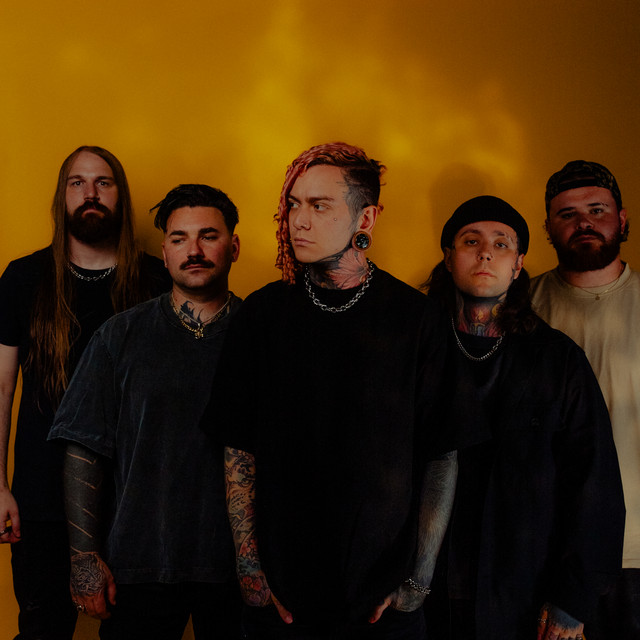
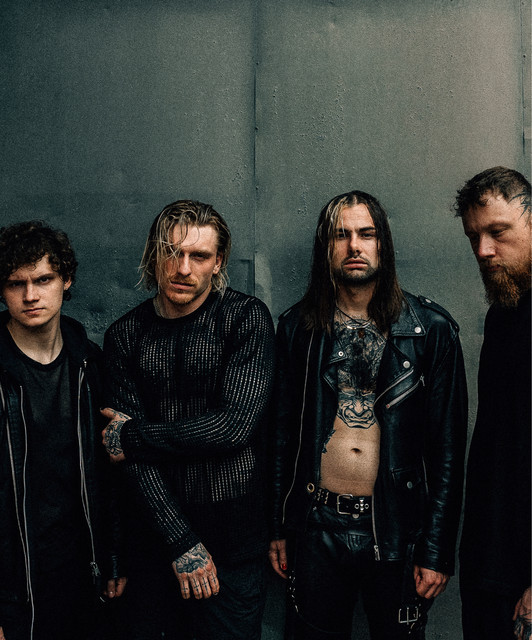
CABAL
2024–2025
·
2 albums
Listen
2
/5
Genres
Minatory
Minatory is an extreme, experimental strain of deathstep that pushes heaviness and unpredictability to the forefront. Its hallmark is an abrasive, distorted sound palette coupled with abrupt, sometimes jarring BPM switch‑ups that can leap between halftime lurches and double‑time assaults within a single drop. Producers favor hyper-saturated basses, asymmetrical rhythms, and sudden silences or glitch edits to heighten tension. The result is a hostile, cinematic form of bass music that blends the dread of dark ambient and industrial with the impact of tearout and the rhythmic elasticity of modern dubstep.
Discover
Listen
Modern Hardcore
Modern hardcore is a contemporary wave of hardcore punk that blends classic speed and ferocity with 21st‑century heaviness, hook‑writing, and studio punch. It keeps the genre’s DIY, pit‑driven energy while adopting tighter musicianship, down‑tuned, palm‑muted riffs, and massive, half‑time breakdowns. Compared with 1980s and 1990s hardcore, modern hardcore is broader in dynamic range: songs snap from two‑step mosh parts and D‑beats to swaggering NYHC swing, metallic chugs, and chant‑along choruses. Production is deliberately impactful—gated, sample‑reinforced drums, tight low‑end, and high‑gain guitars—yet many bands still prioritize live immediacy over polish. Lyrically it remains grounded in community, resilience, and personal/collective struggle, but it often incorporates contemporary themes (mental health, identity, social precarity). Scenes are sustained by DIY venues, independent labels, and festival culture, with a heavy presence on video channels and social media that has globalized the sound.
Discover
Listen
Nu-Metalcore
Nu‑metalcore (often nicknamed "nu‑core") blends the bounce, hip‑hop inflections, and downtuned groove of late‑1990s nu metal with the breakdown‑heavy aggression and precise syncopation of 2000s metalcore. Expect sharply gated, low‑tuned riffs, halftime drops, and elastic grooves that swing between punchy chugs and percussive, djent‑like accents. Vocals typically jump from harsh screams and pitched‑down growls to rap‑leaning cadences and hooky, melodic choruses. Electronic textures—turntable cuts, glitch edits, sub‑drops, and 808 layers—are common, supporting a glossy yet crushing modern production aesthetic. Lyrically, the style carries nu metal’s confessional angst and social frustration while adopting metalcore’s cathartic intensity and mosh‑centric energy. The result is a contemporary, club‑ready heaviness that feels both nostalgic and forward‑looking.
Discover
Listen
Thall
Thall is a hyper-percussive, ultra–low-tuned offshoot of djent and progressive metal popularized by Sweden’s Vildhjarta. The style emphasizes tightly gated, staccato down‑picking; dissonant chord voicings; and lurching, polymetric grooves that drop into sudden rests and accents. Characteristic techniques include rapid release bends, stark contrasts between pitch‑shifted highs and subterranean lows, and the use of lush, reverb‑heavy ambient interludes to heighten tension and reset the ear before the next rhythmic assault. The result is a sound that feels both mechanical and cinematic—aggressive yet spacious.
Discover
Listen
Progressive Deathcore
Progressive deathcore is a fusion of deathcore’s crushing heaviness and breakdown-centric aggression with the adventurous songcraft, technicality, and textural breadth of progressive metal. Hallmarks include extended-range guitars (7–9 strings) in very low tunings, polymetric “djent”-leaning grooves, rapid meter changes, and long-form structures that move well beyond verse/chorus. You’ll hear a blend of palm‑muted syncopation, angular technical riffs, sweeping leads, and atmospheric keyboards or orchestration that add space between punishing passages. Vocals typically alternate between low growls, layered screams, and occasional clean passages; production is tight, modern, and punchy. Lyrically, the style often departs from deathcore’s horror tropes to explore sci‑fi, philosophy, cosmic imagery, and introspective themes, matching the music’s expansive, cinematic scope.
Discover
Listen
Downtempo Deathcore
Downtempo deathcore is an ultra-slow, hyper-heavy offshoot of deathcore that emphasizes crushing, half-time breakdowns, extreme low tunings, and bleak atmosphere. Instead of constant blast beats or fast tremolo, the style prioritizes spacious, syncopated chugs, sub‑drops, and long rests that make each hit feel catastrophic. Vocals typically lean on deep false‑cord gutturals, tunnel growls, and occasional pig squeals, with lyrical themes centered on nihilism, violence, despair, and street‑level realism. Production often layers 808 subs with kick drums, brickwall‑limited guitars, and sharp china/splash accents to maximize impact. Sparse dissonant leads, samples, and cinematic swells are used to deepen the ominous mood, while the groove remains slow, simple, and tactically punishing.
Discover
Listen
Slamming Deathcore
Slamming deathcore is an especially heavy, groove-focused branch of deathcore that fuses the massive, "caveman" slam riffs of brutal/slam death metal with the breakdown-driven structures of metalcore. It emphasizes ultra‑low guitar tunings, tectonic half‑time "slams," rapid alternation with blasts, and extremely guttural vocals (pig squeals, tunnel growls, and inhales/exhales). Modern productions often add sub‑bass drops, tightly edited drums, and layered vocal effects for maximum impact. Lyrical themes tend toward horror, cosmic or apocalyptic imagery, and exaggerated brutality, though some bands bring sci‑fi or mythological concepts into the mix. The resulting sound is relentlessly percussive, groove‑centric, and built for mosh‑inducing impact.
Discover
Listen
Deathcore
Deathcore is an extreme metal subgenre that fuses the riff language and vocal extremity of death metal with the breakdown‑centric impact of metalcore and its hardcore roots. Typical hallmarks include brutally palm‑muted and tremolo‑picked guitar riffs on low tunings, blast‑beat focused drumming with double‑kick barrages, and guttural growls, tunnel throats, and high shrieks. Songs commonly pivot into half‑time, groove‑heavy breakdowns designed for maximum physical impact. As a distinct movement, deathcore coalesced in the early 2000s and reached wider prominence in the mid‑2000s via internet platforms and relentless touring, even though earlier 1990s bands had already flirted with fusing death metal and hardcore elements.
Discover
Listen
Blackened Deathcore
Blackened deathcore is a hybrid of deathcore’s breakdown-centric heaviness and black metal’s frostbitten atmosphere, melodies, and blasting speed. It blends tremolo‑picked minor and diminished riffs, relentless blast beats, and shrieked vocals from black metal with deathcore’s low‑tuned chugs, slam grooves, and colossal, syncopated breakdowns. Many bands expand the sound with symphonic or choral layers, pipe‑organ or string pads, and cinematic sound design to project an apocalyptic, occult, or eschatological mood. Vocals typically alternate between cavernous gutturals and razor‑edged high shrieks, while guitars use extended ranges and extreme downtuning. The result is a sound that is simultaneously epic and oppressive: theatrical yet ferocious, atmospheric yet crushing.
Discover
Listen
Djent
Djent is a substyle of progressive metal defined by ultra-tight, low‑tuned, palm‑muted guitar riffs that create a percussive, onomatopoeic "djent" sound. It favors extended‑range instruments (7–9 strings), precise rhythmic subdivision, and a highly articulate, modern production aesthetic. Sonically, djent emphasizes polyrhythms, syncopation, and metric modulation, often pairing dense, chugging grooves with ambient clean guitars, spacious synth pads, and melodic choruses. Vocals range from harsh screams and growls to soaring cleans, while drums and bass lock tightly to the rhythmic grid, accenting the guitar’s staccato patterns. Although the term took off online in the late 2000s, the core rhythmic and timbral blueprint traces to the 1990s work of Swedish band Meshuggah.
Discover
Listen
Metalcore
Metalcore is a fusion of hardcore punk’s urgency and ethos with heavy metal’s riff language and technicality. It is defined by tightly palm‑muted riffs, rapid double‑kick drumming, and frequent breakdowns—rhythmic, syncopated passages written to accentuate impact and crowd movement. Vocals typically alternate between harsh screams or growls and, in many bands, soaring clean choruses—a contrast that emphasizes both aggression and catharsis. Harmony and melody often borrow from melodic death metal, yielding minor‑key leads, harmonized guitars, and hook‑driven refrains. Modern production favors precise editing, dense guitar layering, and punchy drum sounds that keep complex rhythms clear at high intensity.
Discover
Listen
Danish Metal
Danish metal refers to the heavy metal output and scene originating from Denmark, spanning classic heavy metal, thrash, death, black, power, groove, and modern hybrid styles. It is internationally known both for its pioneering contribution to the first wave of black metal (via Mercyful Fate and the theatrical solo work of King Diamond) and for its durable, high-craft tradition of riff-driven, melodically rich heavy metal (Pretty Maids), alongside influential thrash (Artillery, Invocator) and death/groove lineages (Illdisposed, Konkhra, Hatesphere). In the 2000s, the scene broadened its mainstream visibility through Volbeat’s hook-forward fusion of metal, hard rock, and rockabilly, while underground currents continued to cultivate progressive, melodic, and extreme variants. Across its many branches, Danish metal is marked by crisp musicianship, a taste for dramatic storytelling, and a balance of European melody with aggressive rhythmic precision.
Discover
Listen
Ambient
Ambient is a form of electronic and electroacoustic music that prioritizes tone, atmosphere, and texture over conventional song structures and rhythmic drive. It typically features slow-moving harmonies, sustained drones, gentle timbral shifts, and extensive use of space and silence. Rather than drawing attention to itself through hooks or beats, ambient is designed to be as ignorable as it is interesting, rewarding both background listening and focused immersion. Artists often employ synthesizers, samplers, tape loops, field recordings, and subtle acoustic instruments, with reverb and delay creating a sense of place. Substyles range from luminous, consonant soundscapes to darker, more dissonant atmospheres.
Discover
Listen
Show all 13 genres
Albums
2025
2
/5
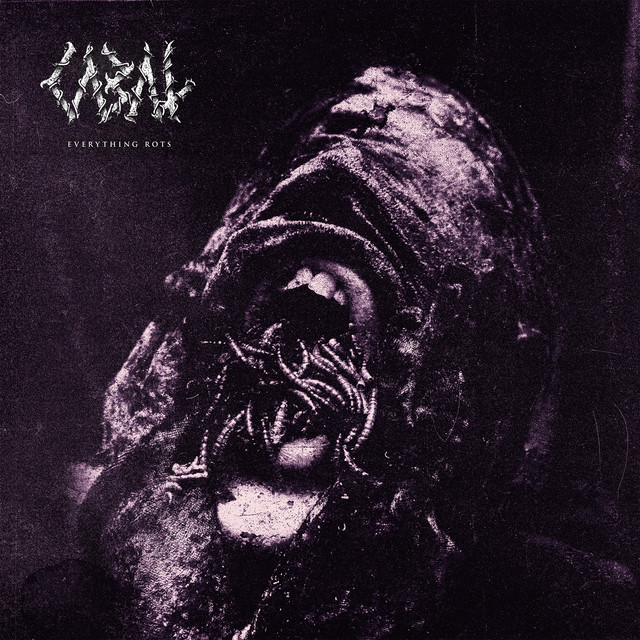
Everything Rots
CABAL
Danish Metal
Blackened Deathcore
Deathcore
2024
1
/5
End Times
CABAL
Danish Metal
Blackened Deathcore
Similar artists
4
/5
Lorna Shore
Blackened Deathcore
Death Metal
Deathcore
4
/5
Architects
Progressive Metalcore
Mathcore
Metal
4
/5
Parkway Drive
Deathcore
Melodic Metalcore
Metal
4
/5
Knocked Loose
Mathcore
Metalcore
Deathcore
4
/5
Currents
Progressive Deathcore
Djent
Deathcore
4
/5
Slaughter to Prevail
Death Metal
Deathcore
Electronic Djent
4
/5
The Devil Wears Prada
Christian Metal
Christian Metalcore
Deathcore
3
/5
As I Lay Dying
Deathcore
Metal
Metalcore
3
/5
Paleface Swiss
Deathcore
Beatdown Hardcore
Metal
3
/5
156/Silence
Mathcore
Deathcore
Metalcore
Download our mobile app
Get the Melodigging app and start digging for new genres on the go
Download on the App Store
Get it on Google Play
© 2026 Melodigging
Give feedback
Legal
Melodding was created as a tribute to
Every Noise at Once
, which inspired us to help curious minds keep digging into music's ever-evolving genres.