Genres
Artists
Albums
Make Music
Sign in
Sign in
Artists
American Modern Classical
Artists
American Modern Classical
Brian L. Bowman
1995
·
1 album
Listen
1
/5
Genres
Wind Symphony
Wind symphony is a concert music tradition for large wind, brass, and percussion ensembles that perform original symphonic works, suites, overtures, marches, and transcriptions. It favors orchestral color drawn from woodwinds and brass rather than strings, often supported by a wide percussion battery, piano, harp, and occasional double bass. The term is frequently used interchangeably with concert band, symphonic band, and wind ensemble, yet it typically implies a high-art, symphonic aesthetic: extended formal designs, sophisticated harmony and counterpoint, and a focus on timbral nuance. University, military, civic, and professional groups around the world commission and premiere new repertoire, making the wind symphony one of the most prolific engines of contemporary concert music.
Discover
Listen
American Modern Classical
American modern classical is a broad umbrella for concert music created by U.S.-based composers from the early 20th century to the present that embraces modernist and postmodern approaches. It often combines European classical forms with distinctly American elements such as jazz harmony, vernacular rhythms, popular-song clarity, minimalism, experimental timbre, and new technologies. The style ranges widely—from dissonant, highly structured modernism and complex rhythmic writing to repetitive minimalism, spacious post-minimal textures, and contemporary cinematic/neo-classical language—so it is best understood as a scene and lineage rather than a single fixed sound.
Discover
Listen
Euphonium
Euphonium (as a tagged style) refers to repertoire and performance practice centered on the euphonium—the tenor-voiced, conical-bore brass instrument of the tuba family. Its sound is warm, lyrical, and vocal, making it a natural vehicle for cantabile melodies as well as agile variation pieces. The instrument was developed in the mid‑19th century (credited to Sommer of Weimar in 1843) and quickly became the leading tenor brass voice in brass and military bands. Notationally, euphonium parts appear at concert pitch in bass clef and, in British-style brass bands, in treble clef transposed up a major ninth. Typical compass spans roughly from the third B♭ below middle C to about the C above middle C, with advanced players extending higher. These acoustical and notational traits shape the idiom of “euphonium music.”
Discover
Listen
Albums
1995
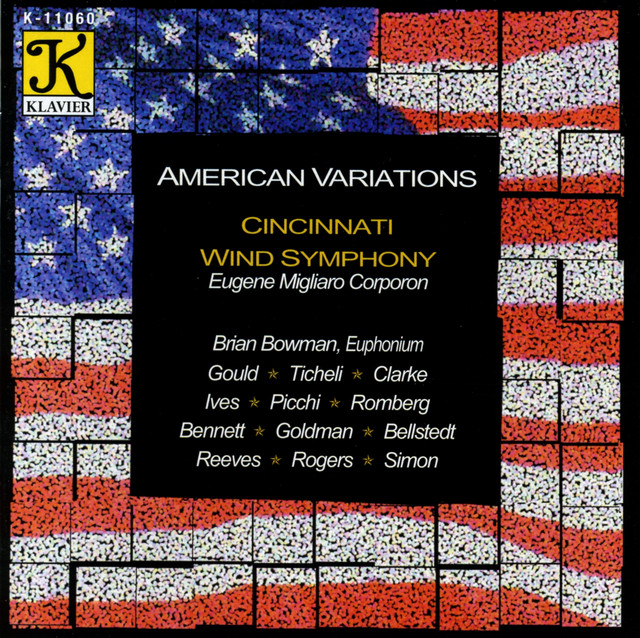
Cincinnati Wind Symphony: American Variations
Brian L. Bowman
American Modern Classical
Wind Symphony
Euphonium
Similar artists
4
/5
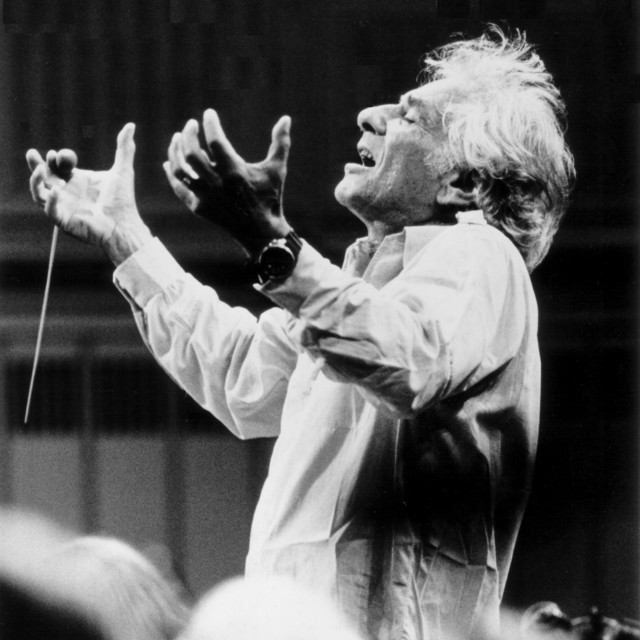
Leonard Bernstein
Classical
Orchestral Performance
Symphony
3
/5
Eugene Migliaro Corporon
Orchestral
Wind Symphony
American Modern Classical
3
/5
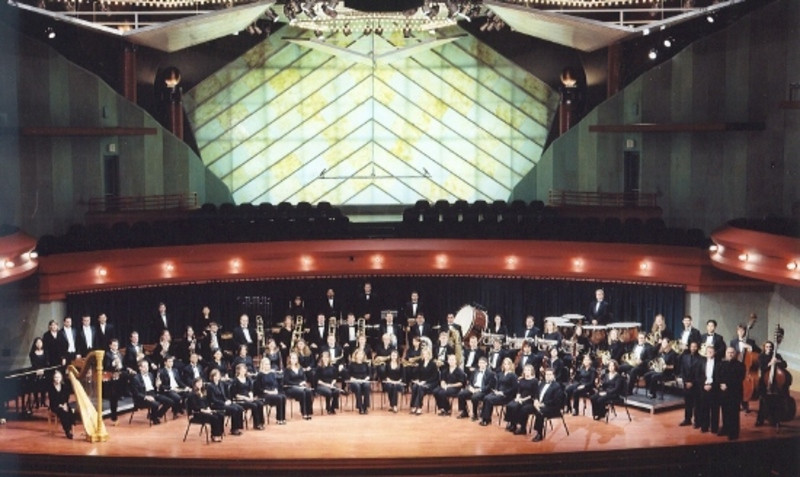
United States Marine Band
Concert Band
Classical
Euphonium
2
/5
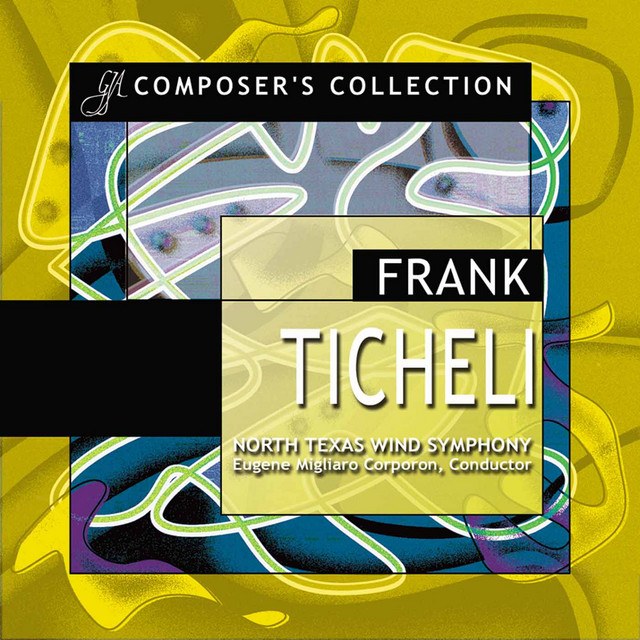
North Texas Wind Symphony
Concert Band
American Modern Classical
Austro-German Modernism
1
/5
Adam Frey
Euphonium
Wind Symphony
4
/5
André Previn
Orchestral Performance
Ballet
Classical
3
/5
Boston Symphony Orchestra
Classical
Concerto
Moscow School
3
/5
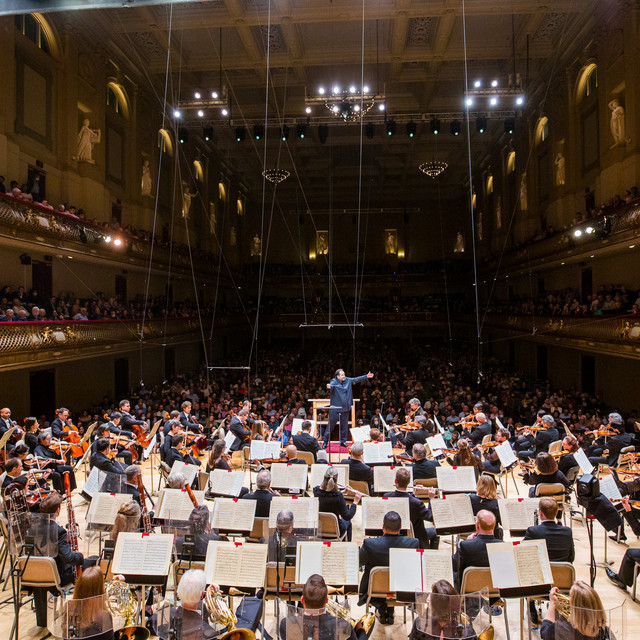
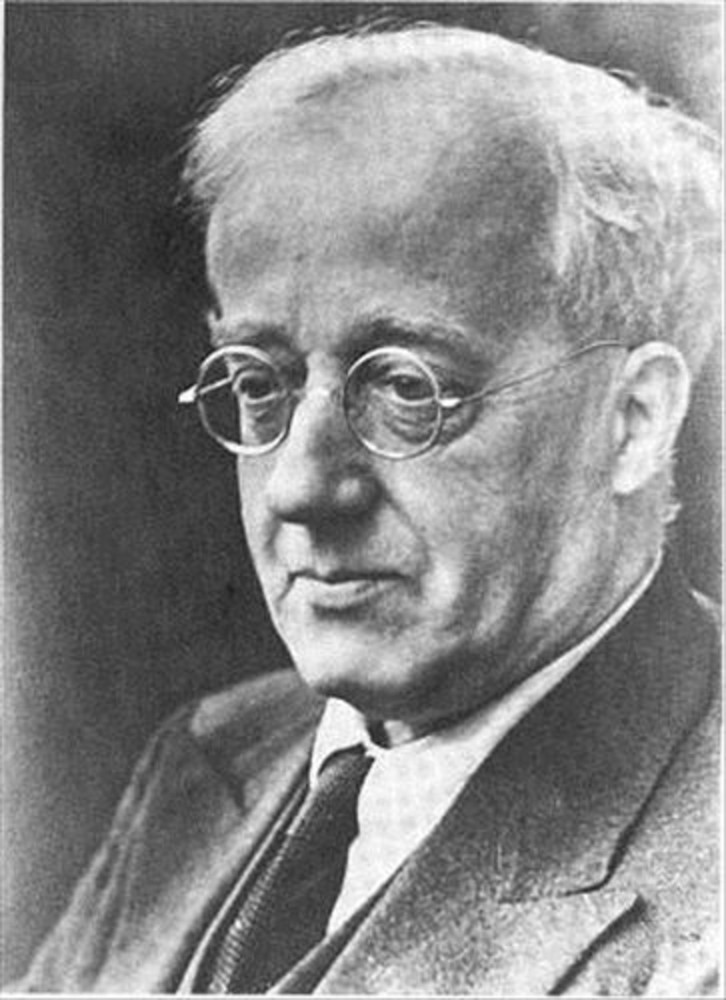
Gustav Holst
Symphonic Poem
Classical
English Pastoral School
3
/5
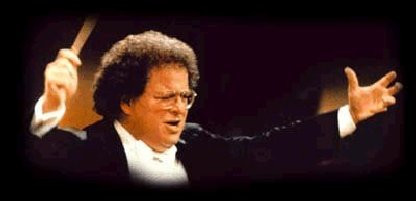
James Levine
Classical
Concerto
Opera
3
/5
Stephen Sondheim
Musical
Hollywood
American Modern Classical
Download our mobile app
Get the Melodigging app and start digging for new genres on the go
Download on the App Store
Get it on Google Play
© 2026 Melodigging
Give feedback
Legal
Melodding was created as a tribute to
Every Noise at Once
, which inspired us to help curious minds keep digging into music's ever-evolving genres.