Genres
Artists
Albums
Make Music
Sign in
Sign in
Artists
Deep Southern Trap
Artists
Deep Southern Trap
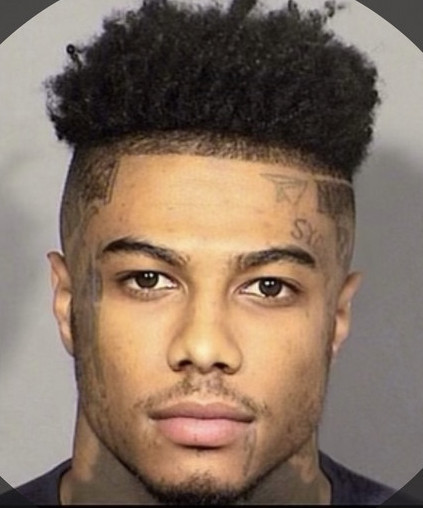
Blueface
2020
·
1 album
Listen
4
/5
Genres
Nervous Music
Nervous music is a dark, minimal subgenre of hip hop that foregrounds ominous atmosphere over virtuoso melody. It is defined by heavy, chest-rattling sub‑bass (often 808s with long tails and glide), simple, repeating minor-key motifs, and slow, sparse, slamming drums. The space between sounds is intentional: roomy mixes, few layers, and austere arrangements build a sense of menace and unease. Vocals, when present, tend to be low-register, restrained, and intimidating, favoring short phrases, whispered ad‑libs, and tight rhyme density over melodic hooks. The style proliferated online as a beat-tag and micro-scene for rappers seeking sinister, brooding instrumentals—bridging modern trap drum design with the shadowy mood of horrorcore and the negative space of cloud rap.
Discover
Listen
Chill Drill
Chill drill is a mellow, melodic offshoot of UK drill that keeps the style’s distinctive sliding 808s, syncopated hi-hats, and snare-on-3 placement, but softens the overall timbre and mood. Instead of ominous synths and harsh textures, it leans on airy pads, Rhodes pianos, gentle guitar loops, and lo‑fi ambience. Vocals tend to be more introspective and tuneful, with sing-rap hooks, laid-back cadences, and reflective lyric themes (romance, ambition, day-to-day life). The result bridges drill’s rhythmic identity with chillhop and lo‑fi hip hop’s relaxed atmosphere, creating tracks that are both groove-driven and easy to live with.
Discover
Listen
Jerk
Jerk is a microgenre of hip‑hop that took shape in New York City in the early 2020s. It borrows the name and some rhythmic cues from the earlier "jerk rap"/jerkin' movement connected to West Coast street dance, but reimagines them through the aesthetics of contemporary underground rap. Sonically, jerk favors sparse, snare‑forward drum programming with very light or even absent kicks, dry percussion, and short looping motifs. The production often draws on the airy pads, glassy bells, and minimalist melodies of Plugg and PluggnB, but strips arrangements down further to leave lots of negative space for tightly phrased, talk‑like rap flows. The result is bouncy yet understated, intimate yet danceable.
Discover
Listen
Deep Southern Trap
Deep southern trap is a moody, bass-forward branch of Southern U.S. trap distinguished by subterranean 808 subs, sparse but hard-hitting drums, and minor-key, cinematic textures. It places atmosphere and low‑end pressure at the center, often pairing sliding 808s with ominous pads, bells, or plucked synths that leave ample space for the vocal. The tempo typically sits around 60–75 BPM (or 120–150 BPM double‑time), with half‑time bounce, triplet hi‑hat rolls, and tightly quantized snares/claps. Lyrically it ranges from street reportage and survival narratives to introspective, codeine‑slow melancholia—punctuated by ad‑libs and heavily processed vocals. The overall aesthetic is dark, weighty, and immersive, optimized as much for car systems as for headphones.
Discover
Listen
Modern Downshift
Modern downshift is a contemporary, playlist-era microgenre that blends hushed alternative pop and alt‑R&B sensibilities with the spaciousness of downtempo and ambient pop. Songs are typically slow to mid‑tempo, minimal in arrangement, and intimate in vocal delivery—often breathy, close‑miked, and confessional. Production emphasizes warmth and negative space: soft sub‑bass, restrained percussion, reverb‑washed pads or guitars, and gentle saturation that keeps the overall texture velvety and nocturnal. Lyrically, the style skews introspective and late‑night: relationships, vulnerability, quiet self‑reflection, and the emotional afterglow of parties or city drives. The result is music that feels low‑key and cinematic—designed as much for solitary listening as for low‑light social settings.
Discover
Listen
Trap Soul
Trap soul is a fusion of contemporary R&B singing and songwriting with the sonic palette and rhythmic feel of trap. It features moody, minor‑key harmonies; airy pads and Rhodes/piano textures; deep 808 sub‑bass with glides; and skittering hi‑hat rolls and halftime drum patterns. Vocals often blend crooning and rapping, with intimate, confessional lyrics about love, heartbreak, desire, ambition, and late‑night introspection. The production is typically spacious and minimal, prioritizing atmosphere and groove over density. Subtle Auto‑Tune, layered ad‑libs, and lush reverbs/delays are common, giving tracks a nocturnal, cinematic feel.
Discover
Listen
Uk Drill
UK drill is a dark, hard-edged offshoot of hip hop that emerged in London in the mid‑2010s. It is characterized by sliding 808 basslines, sparse minor‑key melodies, skittering hi‑hat rolls, and heavy, punchy drums programmed in a cold, half‑time groove around 138–144 BPM. Vocals are delivered in deadpan, menacing flows that draw on London road slang and, at times, Jamaican patois cadences. Lyrical themes often depict street realities, territoriality, and social pressure, set against an austere, cinematic soundscape. The genre’s sound design emphasizes tension—detuned pianos, eerie pads, choral stabs, and dissonant textures—while maintaining a head‑nodding bounce that makes it club‑potent despite its bleak tone. Developed by crews across South and East London, UK drill translated the template of Chicago drill through the lens of grime and UK road rap, becoming a globally influential style that reshaped drill scenes from New York to Sydney.
Discover
Listen
Ratchet Music
Ratchet music is a minimalist, club-focused strain of West Coast hip hop that coalesced in the early 2010s, most closely associated with Los Angeles producer DJ Mustard. It emphasizes sparse drum programming built from 808 kicks, handclaps, crisp hi‑hats, and simple percussive fills; bouncy tempos around 95–105 BPM; short, catchy synth or piano stabs; and a weighty sub‑bass that leaves ample space for vocals. Culturally and lyrically, it channels “ratchet” party culture and slang—rooted in Louisiana (notably Shreveport’s nickname “Ratchet City”) and amplified by the L.A. party scene—favoring braggadocio, nightlife, flirtation, and chant‑able hooks over dense lyricism. The result is a stripped‑down, hook‑driven sound engineered for dance floors and radio rotation.
Discover
Listen
Westcoast Flow
Westcoast flow is a modern West Coast hip-hop performance style centered on a distinctly California rhythmic “pocket”: relaxed-but-snappy delivery, conversational cadence, and heavy use of syncopation that makes the rapper ride slightly behind or around the beat. Compared with earlier West Coast approaches (e.g., G-funk’s laid-back swing or Bay Area hyphy’s party bounce), westcoast flow is often tighter and more minimal, pairing nimble, slippery phrasing with contemporary trap-adjacent drums, icy synth motifs, and punchy 808s. The identity of the style is carried less by specific instruments and more by the rapper’s timing, articulation, and attitude: clipped consonants, elastic bar lengths, quick internal rhymes, and frequent on-beat/off-beat pivots that emphasize groove over melodic singing.
Discover
Listen
Classify
Classify is a streaming-era microgenre that blends light classical technique with contemporary pop repertoire, typically presented as unobtrusive instrumental covers. It prioritizes soft dynamics, gentle tempos, and intimate recording to create a calm, elegant backdrop suitable for studying, working, or events. Most arrangements are for solo piano, string quartet, cello/piano duos, or small chamber ensembles. Harmonies remain diatonic and consonant, melodies are clearly voiced, and textures favor arpeggios, ostinati, and sustained legato lines. The overall aesthetic borrows from modern classical and new age moods while retaining the familiarity of pop song forms.
Discover
Listen
Melodic Drill
Melodic drill is a substyle of drill rap that blends the dark, sliding 808s and syncopated drum programming of UK and New York drill with tuneful, often Auto‑Tuned hooks and emotive toplines. It typically uses minor‑key piano, guitar, or vocal‑chop loops, and favors spacious, reverb‑washed textures that leave room for singers and sing‑rap flows. While it keeps drill’s street‑reportage and coded slang, its songwriting leans toward catchy choruses, bittersweet melodies, and themes of loss, ambition, and love alongside grit. In clubs and on social media, the style’s hook‑forward writing and accessible harmonies helped it cross from the streets to mainstream pop playlists.
Discover
Listen
Melodic Rap
Melodic rap is a style of hip hop that prioritizes sung or sing‑rap cadences, tuneful hooks, and emotive toplines over strictly percussive flows. It blends trap‑based drum programming and 808 sub‑bass with pop‑leaning melodies, R&B harmonies, and heavy use of Auto‑Tune as an expressive effect rather than mere pitch correction. Themes often address love, heartbreak, aspiration, loneliness, and personal struggle, delivered with catchy refrains designed for streaming‑era replayability.
Discover
Listen
Necrotrap
Necrotrap is a dark, morbid branch of trap that fuses the slow, sub‑heavy bounce of Southern trap with horrorcore’s macabre lyricism and witch house’s occult, lo‑fi haze. Producers sculpt bleak atmospheres with detuned bells, creaking pianos, church choirs, funeral organs, reversed pads, and sound‑design lifted from horror films or VHS hiss. Beats typically center on distorted 808s, clipped saturation, and rattling hi‑hat grids full of triplets and burst rolls. Vocals range from deep, ominous deliveries and whispers to harsh growls and screamed ad‑libs, with themes of death, nihilism, occultism, isolation, and urban decay. The palette is intentionally abrasive and cinematic—equal parts trap banger and sonic horror short.
Discover
Listen
Soundclown
Soundclown is an internet-born remix and mashup style that thrives on comedic juxtaposition, bait‑and‑switch reveals, and hyper-referential sample collage. It blends pop hits, game and cartoon music, ad jingles, meme sounds, and viral speech into quick-cut audio gags. The genre developed across YouTube and SoundCloud, favoring shock humor, nostalgia, and absurdity over traditional song form. Hallmarks include sudden key/tempo whiplash, exaggerated pitch-shifts, ear‑rending “earrape” peaks, and punchline drops that transform a familiar source into something hilariously incongruent. Because it is fundamentally platform-native, soundclown is as much a memetic editing culture as a musical style. Its tracks often function like sonic shitposts: fast, punchy, and built for instant recognition and shareability.
Discover
Listen
The Wave
The Wave is a loosely defined cluster of American post-hardcore/emo bands that surged in the early 2010s as emo-pop’s mainstream moment faded. The name was a tongue‑in‑cheek scene tag that stuck in press coverage, but it points to a real overlap in sound, ethos, and touring networks. Musically, The Wave fuses the urgency of 1990s post‑hardcore and screamo with confessional, literate lyric writing associated with emo. Expect shouted or half‑sung/half‑spoken vocals, dynamic quiet‑loud builds, intricate but driving drums, and guitar textures that shift between glassy clean arpeggios and overdriven, emotive climaxes. The songs often emphasize catharsis, narrative detail, and community-minded DIY presentation.
Discover
Listen
Uk Americana
UK Americana is the British take on Americana’s blend of country, folk, blues, and roots rock, filtered through a distinctly UK songwriting sensibility. It keeps the genre’s hallmarks—acoustic-forward arrangements, road-worn storytelling, and organic, live-in-the-room production—while drawing on the British folk tradition’s modal colors, fingerstyle guitar, and understated vocal delivery. In practice, UK Americana favors close vocal harmonies, pedal steel or fiddle ornamentation, and rhythm sections that swing gently between train beats, shuffles, and waltzes. Lyrically it often exchanges American place-names and frontier mythos for British imagery—motorways, coastlines, terraced streets, and pub corners—creating songs that feel rooted, reflective, and quietly anthemic.
Discover
Listen
Drill
Drill is a subgenre of hip hop that emerged on Chicago’s South Side in the early 2010s. It is defined by stark, menacing production; booming 808 sub‑bass with frequent pitch slides; skittering hi‑hats; and sparse, minor‑key melodies built from pianos, synth pads, strings, bells, or eerie soundscapes. Vocals are typically deadpan or urgent, with ad‑libs punctuating lines. Lyrically, drill foregrounds raw street reportage—survival, trauma, crews, and contested territory—often delivered with bleak realism. Tempos in original Chicago drill tend to sit around 60–75 BPM (often felt in double‑time), while later UK and New York scenes adopt 130–145 BPM grids with off‑kilter snare placement and distinctive sliding 808 patterns. The overall aesthetic prioritizes weighty low end, rhythmic tension, and an uncompromising mood.
Discover
Listen
Scam Rap
Scam rap is a late-2010s branch of hip hop that centers lyrically on internet fraud, credit card swiping, identity theft, and the broader hustle culture surrounding online schemes. Musically, it favors sparse, often loop-based trap beats with punchy drums, sub-bass, and minimal melodic material. Rappers commonly use a deadpan or conversational delivery, punch-in recording, and off-kilter bar placement that rides just ahead of or behind the beat. The tone is equal parts instructional, braggadocious, and comedic, with jargon-rich storytelling that reads like play-by-play tutorials of illicit schemes. The style is most closely associated with the Detroit/Flint scene, where its punch-in flow, dry humor, and hyper-specific detail became stylistic signatures.
Discover
Listen
Shatta
Shatta is a raw, high-energy French Caribbean take on dancehall that crystallized in the 2010s within the Guadeloupe–Martinique scene. It is powered by hard-hitting dembow-derived grooves, booming 808 sub-bass, clipped snares, and sirens/airhorns designed for clubs and car sound systems. Vocals—often in Antillean Creole and French—favor short, repetitive hooks, call-and-response chants, and provocative, party-focused or streetwise themes. Stylistically, Shatta blends Jamaican dancehall attitude with local French Antillean aesthetics (and some bouyon drive), plus trap-era sound design. The result is an aggressive, minimal, dancefloor-first sound that’s immediately “bashment” in feel yet distinct to the FWI (French West Indies).
Discover
Listen
Twerk
Twerk is a high-energy club and festival style built around pounding 808 bass, head-nodding half‑time grooves at double‑time feel, and chantable hooks designed for the dancefloor. Typically sitting near 95–110 BPM, its percussion borrows the call‑and‑response patterns and bounce of New Orleans Bounce while embracing the sub‑heavy thump and party-forward attitude of Miami Bass. Modern productions often fold in trap-style hi-hats, crowd commands, and minimal, catchy riffs, prioritizing rhythm and movement over complex harmony.
Discover
Listen
Trap
Trap is a subgenre of hip hop that emerged from the Southern United States, defined by half-time grooves, ominous minor-key melodies, and the heavy use of 808 sub-bass. The style is characterized by rapid, syncopated hi-hat rolls, crisp rimshot/clap on the backbeat, and cinematic textures that convey tension and grit. Lyrically, it centers on street economies, survival, ambition, and introspection, with ad-libs used as percussive punctuation. Production is typically minimal but hard-hitting: layered 808s, sparse piano or bell motifs, dark pads, and occasional orchestral or choir samples. Vocals range from gravelly, staccato deliveries to melodic, Auto-Tuned flows, often using triplet cadences.
Discover
Listen
Gangsta Rap
Gangsta rap is a subgenre of hip hop defined by its gritty, street-level storytelling, first‑person narration, and unflinching depictions of crime, policing, poverty, and survival. It foregrounds a hard-hitting vocal delivery over sparse, heavy drum programming and sample-based grooves. Musically, it draws from the foundational elements of hip hop—looped breaks, funk basslines, and turntable aesthetics—while emphasizing menace, swagger, and cinematic detail. Lyrically, it alternates between reportage, braggadocio, social commentary, and personal testimony, often sparking controversy for its explicit content and political provocations. From mid‑1980s origins through the 1990s mainstream, gangsta rap reshaped both the sound and business of hip hop, influencing fashion, language, and global perceptions of urban America.
Discover
Listen
West Coast Hip Hop
West Coast hip hop is a regional style of hip hop that arose on the U.S. West Coast, especially in Los Angeles and the San Francisco Bay Area. It is known for its heavy funk-influenced grooves, prominent synthesizer leads, deep bass, and a laid-back but confident delivery. While the early scene mixed electro and old-school rap aesthetics, the late 1980s ushered in hard-edged street narratives associated with gangsta rap. In the early 1990s, Dr. Dre and peers popularized G-funk, a sleek, bass-heavy update that sampled and reinterpreted P-Funk. Later waves—from Bay Area mobb music and hyphy to Los Angeles “jerkin’” and ratchet—continued the region’s emphasis on catchy hooks, swagger, and club- and car-ready beats. Lyrically, West Coast hip hop ranges from party anthems and cruising music to vivid depictions of street life, social realities, and personal introspection, all delivered with distinctive regional slang and cadence.
Discover
Listen
Hip Hop
Hip hop is a cultural and musical movement that emerged from Black, Latino, and Caribbean communities, centering around rapping (MCing), DJing/turntablism, sampling-based production, and rhythmic speech over beats. It prioritizes groove, wordplay, and storytelling, often reflecting the social realities of urban life. Musically, hip hop is built on drum-centric rhythms (from breakbeats to 808 patterns), looped samples, and bass-forward mixes. Lyrically, it ranges from party anthems and braggadocio to political commentary and intricate poetic forms, with flow, cadence, and rhyme density as core expressive tools. Beyond music, hip hop encompasses a broader culture, historically intertwined with graffiti, b-boying/b-girling (breakdance), fashion, and street entrepreneurship, making it both an art form and a global social language.
Discover
Listen
Show all 24 genres
Albums
2020
3
/5
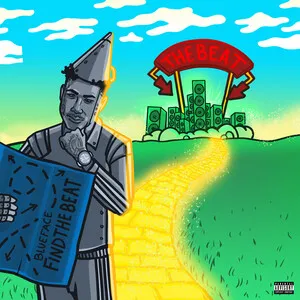
Find the Beat
Blueface
Nervous Music
Similar artists
5
/5
Drake
Canadian Hip Hop
Hip Hop
Rap
5
/5
Kanye West
Hip Hop
Pop Rap
Rap
5
/5
Future
Atl Hip Hop
Hip Hop
Trap
5
/5
Travis Scott
Slap House
Hip Hop
Rap
5
/5
Nicki Minaj
Hip Hop
Hip Pop
Rap
5
/5
Lil Baby
Atl Hip Hop
Hip Hop
Rap
5
/5
A$AP Rocky
East Coast Hip Hop
Hip Hop
Rap
5
/5
21 Savage
Hip Hop
Atl Hip Hop
Trap
5
/5
Ne-Yo
Contemporary R&b
R&b
The Wave
5
/5
Lil Durk
Chicago Drill
Trap
Drill
Download our mobile app
Get the Melodigging app and start digging for new genres on the go
Download on the App Store
Get it on Google Play
© 2026 Melodigging
Give feedback
Legal
Melodding was created as a tribute to
Every Noise at Once
, which inspired us to help curious minds keep digging into music's ever-evolving genres.