Genres
Artists
Albums
Make Music
Sign in
Sign in
Artists
Art Rock
Artists
Art Rock
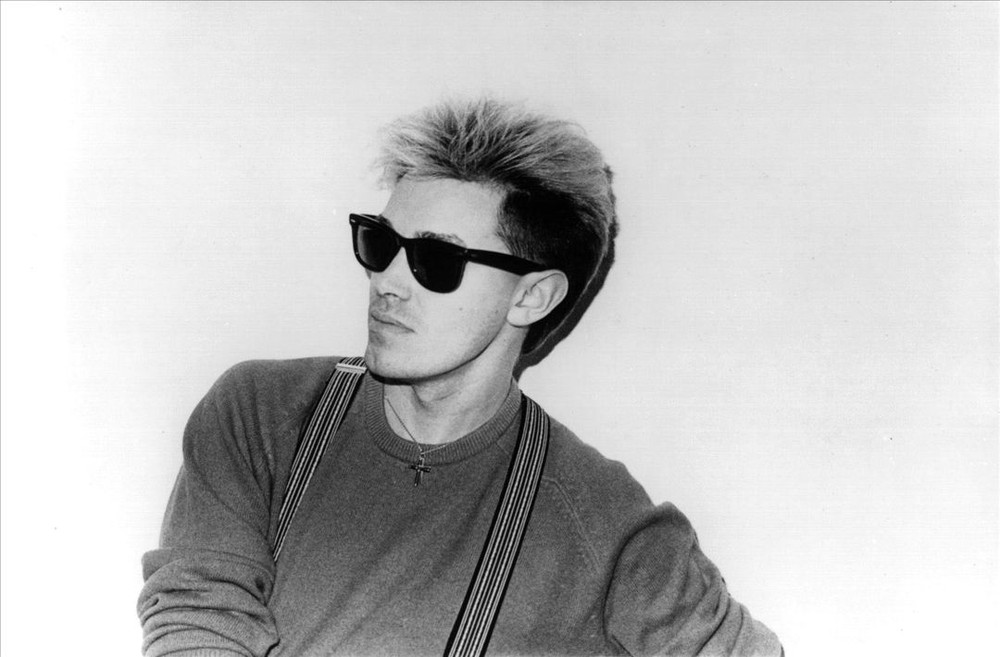
Bill Nelson
1982
·
1 album
Listen
1
/5
Genres
New Pop
New Pop is a UK-led early‑1980s movement in which post‑punk and new wave artists embraced chart ambition, hook‑forward songwriting, and glossy studio production without abandoning modernist sensibilities. It fuses danceable rhythms (often disco‑derived), synth-driven textures, clean guitar, and soul/funk inflections with memorable choruses and sharp, fashion‑conscious presentation—perfectly adapted to the emerging MTV era. Compared with raw punk and austere post‑punk, New Pop emphasizes sophistication, melody, and studio sheen while keeping an art‑school edge. The term was used by critics to describe the shift of adventurous late‑’70s musicians toward mainstream pop forms, defining much of the UK’s early‑to‑mid‑’80s singles landscape.
Discover
Listen
New Romantic
New Romantic is a British music and fashion movement that crystallized in the early 1980s, pairing sleek, synth-driven new wave/pop with the theatrical flair of glam and art pop. It emphasized lavish, emotive songwriting, danceable rhythms, and a highly stylized visual identity. Sonically, New Romantic records favor analog synthesizers, drum machines, bright chorus-laden guitars, and polished studio production. Lyrically and visually, the movement celebrated escapism, romance, and glamour, often through androgynous, avant-garde fashion that emerged from London club culture (notably the Blitz Club).
Discover
Listen
New Wave
New wave is a broad, pop-oriented umbrella for styles that emerged in the mid-to-late 1970s as a sleeker, more melodic outgrowth of punk culture. Initially, the term varied by region: in the United States it was first used by critics and labels (famously Sire Records’ “Don’t Call It Punk” campaign in 1977) to rebrand punk-associated artists with more radio-friendly aesthetics; in the United Kingdom it encompassed a wider constellation of fresh, stylish post-punk-era sounds. Over time, “new wave” became a catch‑all for hooky guitar pop, synth-driven songs, danceable rhythms, and modernist production sensibilities. Sonically, it blends tight, upbeat rhythms (often disco- and reggae-informed), clean chorus/flanger guitars, prominent synthesizers, and concise, hook-led songwriting. Its visual identity—sharp suits, futurist imagery, and fashion-forward presentation—was integral, aligning with the rise of music television and emphasizing art-school wit, irony, and modern urban themes.
Discover
Listen
Synth-Pop
Synth-pop is a pop-oriented style that foregrounds the synthesizer as its primary instrument, often paired with drum machines and sequencers. It favors clean, melodic hooks, concise song structures, and a sleek, modernist sound that ranges from cool and minimal to lush and romantic. Emerging at the turn of the 1980s from the UK new wave and post-punk scenes, synth-pop leveraged affordable analog and then digital keyboards to bring electronic textures into the mainstream. Its sonic palette includes arpeggiated basslines, shimmering pads, bright leads, gated or machine-driven drums, and polished vocals that convey both futuristic detachment and emotional immediacy.
Discover
Listen
Art Rock
Art rock is a branch of rock music that treats the studio and the album as spaces for artistic experimentation, emphasizing conceptual ideas, ambitious arrangements, and cross-pollination with modernist and avant-garde traditions. It typically favors extended song forms, thematic or conceptual unity, and non-standard instrumentation (strings, woodwinds, synthesizers) alongside rock’s core band setup. Lyrically, it leans toward literary, surreal, or philosophical subjects and often adopts theatrical presentation. Where mainstream rock centers on immediacy and hooks, art rock embraces risk: unusual time signatures, timbral exploration, complex harmony, tape and electronic manipulation, and interludes that draw from classical, jazz, minimalism, and experimental music.
Discover
Listen
Art Pop
Art pop is a strand of pop music that treats the pop song as a canvas for high-concept ideas, experimental techniques, and cross-media aesthetics. It marries accessible melodies and hooks with the visual culture of art schools, the conceptual rigor of the avant-garde, and the studio-as-instrument ethos. Sonically, art pop favors eclectic instrumentation (synths, orchestral timbres, guitars, found sounds), unusual song forms, and sophisticated harmony. It often employs collage, musique concrète–like textures, and theatrical vocal delivery while still keeping a pop-facing surface. Beyond sound, art pop is deeply visual and conceptual: albums are framed as coherent artworks, stagecraft and video are integral, and lyrics tend toward intertextuality, character work, irony, and social commentary. The result is pop that is both immediate and idea-driven.
Discover
Listen
Rock
Rock is a broad family of popular music centered on amplified instruments, a strong backbeat, and song forms that foreground riffs, choruses, and anthemic hooks. Emerging from mid‑20th‑century American styles like rhythm & blues, country, and gospel-inflected rock and roll, rock quickly expanded in scope—absorbing folk, blues, and psychedelic ideas—while shaping global youth culture. Core sonic markers include electric guitar (often overdriven), electric bass, drum kit emphasizing beats 2 and 4, and emotive lead vocals. Rock songs commonly use verse–chorus structures, blues-derived harmony, and memorable melodic motifs, ranging from intimate ballads to high‑energy, stadium‑sized performances.
Discover
Listen
Bebop
Bebop is a modern jazz style characterized by fast tempos, intricate melodies, and harmonically advanced improvisation. It moved jazz from dance-oriented big-band music to art-focused small-ensemble performance, prioritizing virtuosity and spontaneous creativity. Typical bebop groups are quintets or quartets featuring trumpet, alto or tenor saxophone, piano, double bass, and drums. The music emphasizes asymmetrical phrasing, extended chords and substitutions, and contrafacts—new melodies written over the chord changes of popular songs. Rhythm sections center time on the ride cymbal, with the bass walking and the drummer "dropping bombs" on snare and bass drum. Melodies are angular and chromatic, and soloists outline rapidly shifting harmonies with bebop scales, enclosure tones, and altered dominants.
Discover
Listen
Electronic
Electronic is a broad umbrella genre defined by the primary use of electronically generated or electronically processed sound. It encompasses music made with synthesizers, drum machines, samplers, computers, and studio/tape techniques, as well as electroacoustic manipulation of recorded or synthetic sources. The genre ranges from academic and experimental traditions to popular and dance-oriented forms. While its sonic palette is rooted in electricity and circuitry, its aesthetics span minimal and textural explorations, structured song forms, and beat-driven club permutations. Electronic emphasizes sound design, timbre, and studio-as-instrument practices as much as melody and harmony.
Discover
Listen
Show all 9 genres
Albums
1982
2
/5
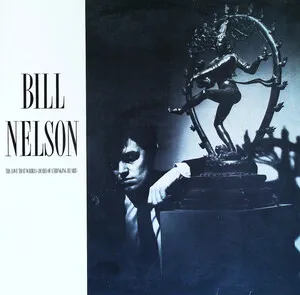
The Love That Whirls (Diary of a Thinking Heart)
Bill Nelson
New Romantic
New Pop
Similar artists
4
/5
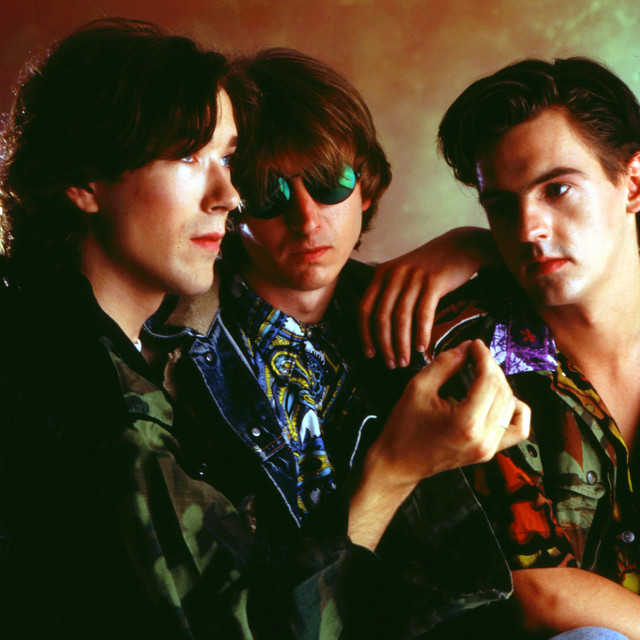
Talk Talk
New Wave
Synth-Pop
Sophisti-Pop
3
/5
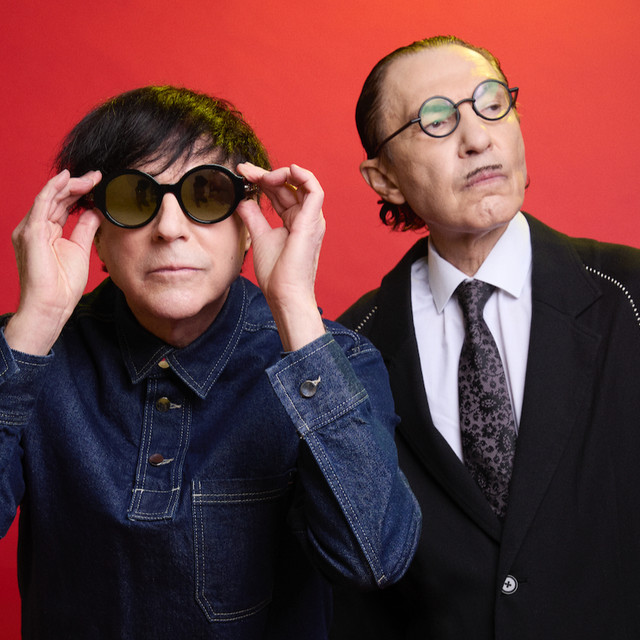
Sparks
Zolo
Art Rock
Glam Rock
4
/5
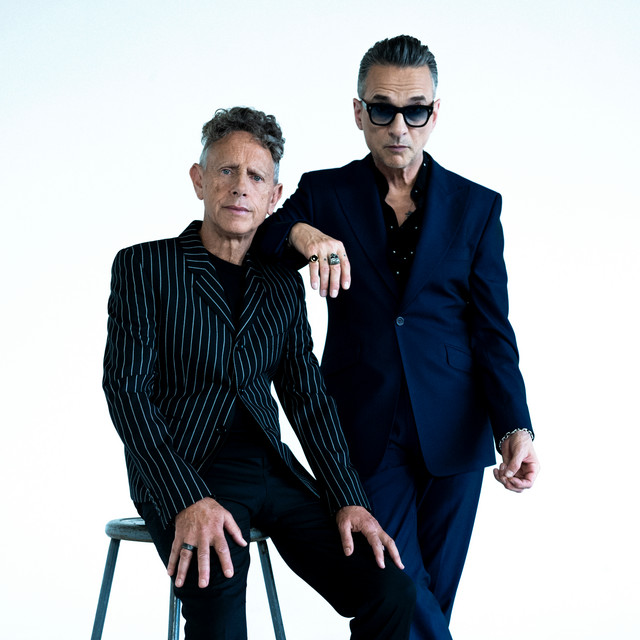
Depeche Mode
Synth-Pop
Electronic
Dance-Rock
4
/5
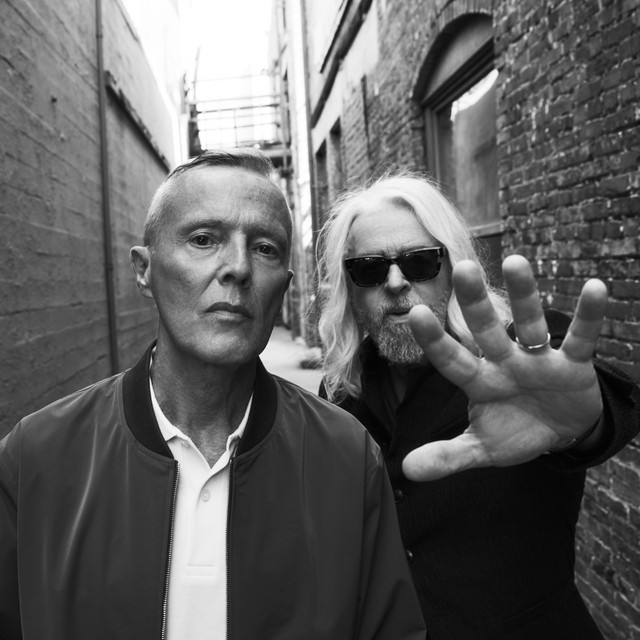
Tears For Fears
Sophisti-Pop
New Wave
Synth-Pop
4
/5
a-ha
New Romantic
New Wave
Synth-Pop
4
/5
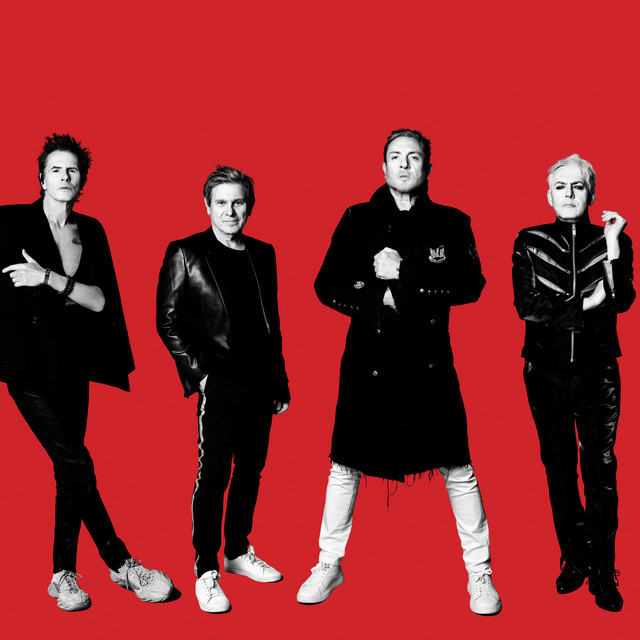
Duran Duran
New Romantic
New Wave
Dance-Rock
4
/5
Annie Lennox
Synth-Pop
Chill Pop
Dark Pop
4
/5
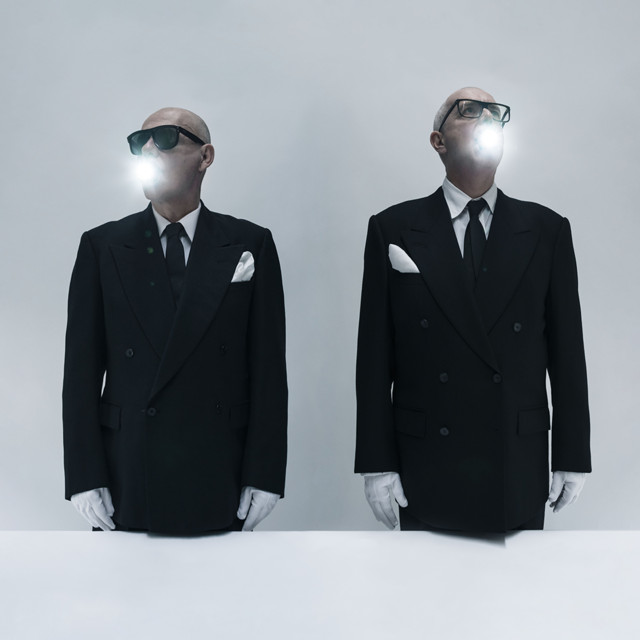
Pet Shop Boys
Synth-Pop
Dance-Rock
New Romantic
4
/5
Eurythmics
Chill Pop
Dance-Rock
Emo Revival
4
/5
Spandau Ballet
New Wave
Sophisti-Pop
Chill Pop
Download our mobile app
Get the Melodigging app and start digging for new genres on the go
Download on the App Store
Get it on Google Play
© 2026 Melodigging
Give feedback
Legal
Melodding was created as a tribute to
Every Noise at Once
, which inspired us to help curious minds keep digging into music's ever-evolving genres.